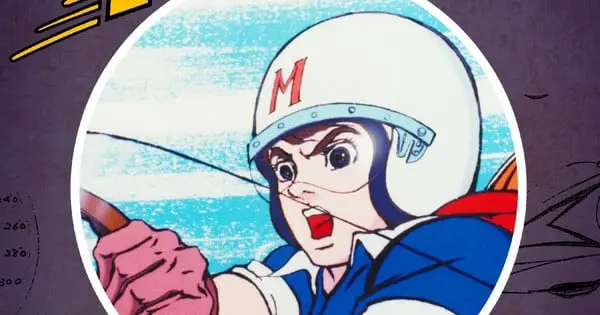
The Criterion Channel has officially announced that the iconic 1967 anime series Speed Racer, originally known in Japan as Mach GoGoGo, will be added to its curated streaming library this December. This addition marks a significant milestone for the preservation of classic animation, as the platform will provide subscribers with access to both the nostalgic English-dubbed version that defined a generation of North American viewers and the original Japanese-language iteration. This dual-language availability highlights a growing trend in the streaming industry to offer comprehensive, culturally contextualized access to historic media, moving beyond the truncated or localized versions that dominated international syndication for decades.
A Legacy of High-Speed Innovation
To understand the significance of this development, one must look back to the mid-1960s, a period when the Japanese animation industry was finding its global footing. Produced by Tatsunoko Production, Mach GoGoGo first aired on Fuji TV in Japan in 1967. The series followed the high-octane exploits of Go Mifune—known as Speed Racer in the West—and his powerful vehicle, the Mach 5. Created by Tatsuo Yoshida, the series was characterized by its frenetic energy, revolutionary camera angles, and an emphasis on professional racing that captured the post-war global fascination with automotive technology and sport.
When the series was acquired for North American distribution by Trans-Lux in 1967, it underwent substantial localization. The English adaptation was not merely a translation but a re-imagining of the series for a Western audience. Dialogue was rewritten to accommodate the lip-syncing requirements of the era, and the tone was adjusted to prioritize fast-paced action sequences that resonated with Saturday morning cartoon audiences. For many, this dubbed version became the definitive experience of the show, yet the original Japanese narrative, with its nuanced character motivations and specific cultural context, remained largely inaccessible to the general public for years.
The Chronology of Rights and Restoration
The path to bringing the original Japanese version to legitimate digital platforms has been long and legally fraught. For decades, the ownership of the Speed Racer property was mired in complex international licensing agreements.
The most critical turning point occurred in 2011, when the worldwide rights for the property officially reverted to Tatsunoko Production from the American licensing company Speed Racer Enterprises (SRE). This transition was not immediate, nor was it peaceful. Tatsunoko Production initiated a series of high-profile lawsuits against SRE to enforce the reversion of rights, asserting their role as the original creators and owners of the intellectual property.
The legal battles persisted for three years, creating a period of stagnation where official, high-quality releases were difficult to secure. The conflict was finally resolved in early 2014, when a court settlement solidified Tatsunoko Production’s control over the franchise. Since that resolution, the company has taken a more active role in licensing the series for modern digital distribution, ensuring that the original vision of the creators is preserved alongside the legacy of the English dub.
In June 2024, Shout! Studios took the first major step in this modern era by releasing the series on various video-on-demand platforms. This was followed by a comprehensive Blu-ray release in August 2026, which consolidated the archives and provided fans with a high-definition experience. The upcoming arrival on the Criterion Channel serves as the latest expansion of this strategy, placing the series within the company of world-class cinema and prestige television.
Supporting Data and Market Context
The endurance of Speed Racer is reflected in the market data surrounding its various re-releases. Unlike many transient 1960s television programs, Speed Racer has maintained a consistent consumer interest, evidenced by the success of physical media sales and sustained digital demand.
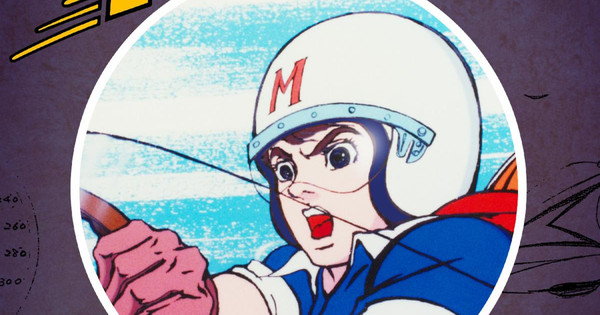
Industry analysts note that the decision by the Criterion Channel to include an anime title—a medium traditionally relegated to niche platforms—signals a shift in the perceived value of animation as a legitimate cinematic art form. Criterion’s library is famously rigorous, focusing on films of historical significance, avant-garde works, and canonical classics. By including Speed Racer, the platform acknowledges the foundational role Tatsunoko Production played in the global spread of the "anime" aesthetic.
Furthermore, the dual-language strategy is a response to evolving viewer preferences. Data from the past decade of streaming trends indicates that modern audiences show an increasing preference for the original-language versions of international content, often paired with subtitles. By providing both, the Criterion Channel satisfies the demographic of older viewers seeking the nostalgia of the English dub while simultaneously catering to younger, more media-literate audiences who prioritize the integrity of the original Japanese script and vocal performances.
Official Perspectives and Industry Implications
While specific statements from the executives at Criterion Collection regarding the inclusion of Speed Racer are brief, the move is widely viewed as a commitment to archival integrity. Representatives from Shout! Studios, who have been instrumental in the recent digital and physical distribution of the series, have previously emphasized that their objective is to make these "lost" or "difficult-to-find" versions of the series as available as possible.
The implications for the broader anime industry are substantial. As streaming platforms continue to compete for high-quality, long-tail content, the "curated" model of the Criterion Channel offers a blueprint for how older intellectual properties can be revitalized. Rather than treating these series as mere commodities, platforms that present them with context—such as behind-the-scenes features, restored masters, and dual-language options—help to transform an old cartoon into a respected piece of media history.
This trend also suggests that the legal hurdles that once plagued the industry are gradually being cleared. As intellectual property rights are consolidated and clarified, fans can expect more classic series to receive the "Criterion treatment." This is a significant improvement over the landscape of the 1990s and 2000s, where rights holders often allowed classic works to languish in obscurity due to internal corporate disputes or licensing ambiguity.
Looking Toward the Future
As the December release date approaches, the excitement among animation historians and casual fans alike is palpable. The availability of both versions on a reputable streaming service effectively closes the loop on the long, winding history of the series’ journey from Tokyo to the rest of the world.
For the Criterion Channel, this is not just about adding another title to their catalog; it is about recognizing the technological and cultural shifts that Speed Racer represented in 1967. The show was not just a racing cartoon; it was a global phenomenon that proved that Japanese animation could compete with, and often outperform, the domestic output of Western studios.
By presenting the English dub alongside the original Japanese version, the Criterion Channel is providing an educational opportunity for viewers to compare and contrast two different cultural interpretations of the same story. This objective look at the work allows the audience to decide for themselves the value of the localization process and the beauty of the original source material.
The inclusion of Speed Racer on the Criterion Channel serves as a reminder that history, even in the form of animation, remains vibrant when it is properly maintained and made accessible. As the streaming landscape continues to mature, it is likely that other studios will follow this example, recognizing that the history of television is a vital, living entity that requires both preservation and public access to thrive in the modern age. With this release, the legacy of the Mach 5 is secured for a new generation of viewers, ensuring that the checkered flag of this classic series continues to wave for years to come.