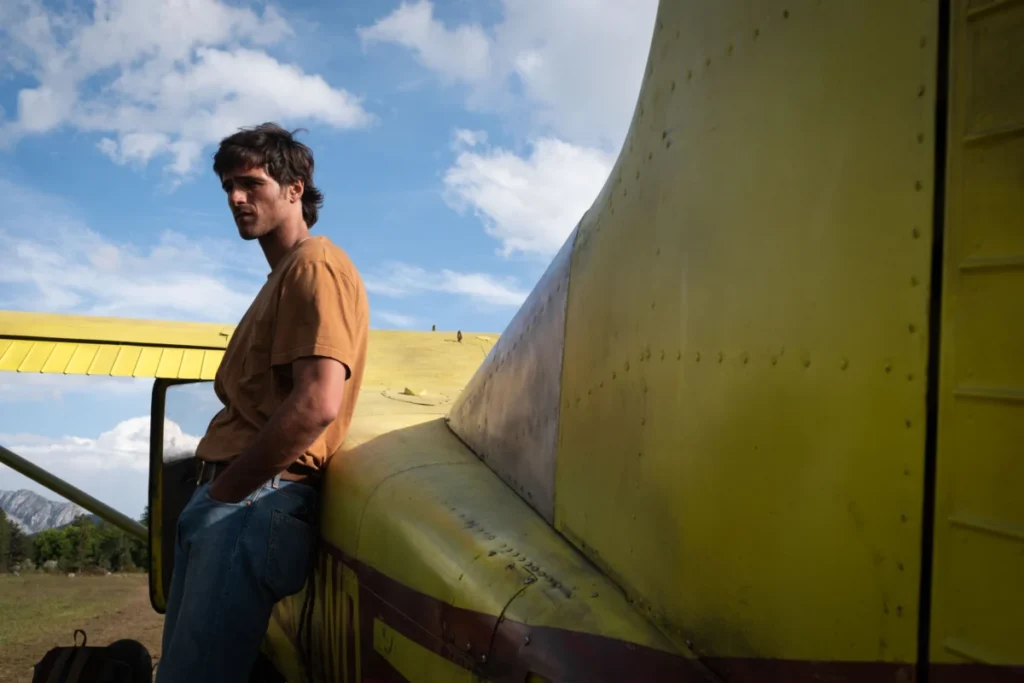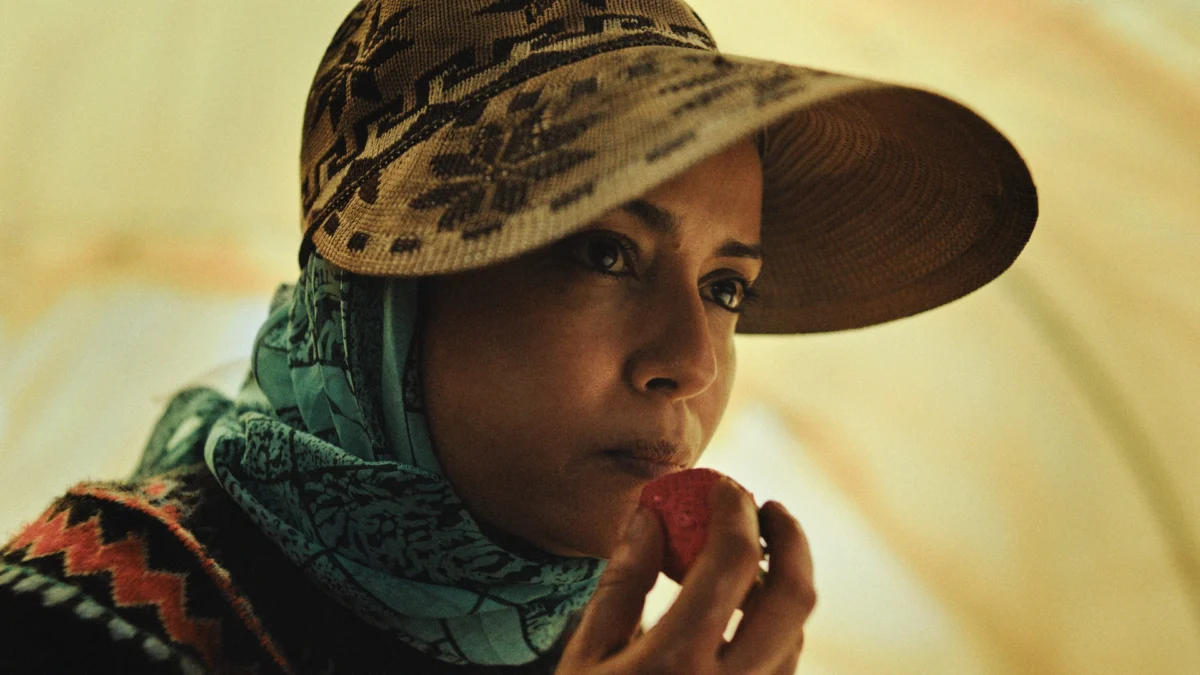
The highly anticipated new film Strawberries, originally titled La más dulce (The Sweetest), from Paris-based Moroccan auteur Laïla Marrakchi, is poised to make its world premiere in the prestigious Un Certain Regard program at the Cannes Film Festival on [Insert Date if Available, otherwise state ‘an unconfirmed date’]. This powerful cinematic offering delves into the harrowing realities faced by Moroccan women who migrate to Spain for seasonal fruit-picking work, a journey often promised as a path to financial betterment but frequently devolving into modern-day exploitation and profound hardship. Marrakchi’s latest feature, following acclaimed works like Marock and Rock the Casbah, as well as TV series such as The Bureau and Damien Chazelle’s The Eddy, casts a critical light on a systemic issue that combines socio-economic vulnerability with echoes of neocolonialism and the global resonance of the #MeToo movement.
The Genesis of a Gripping Narrative: From Journalism to Cinema
The inspiration for Strawberries arose from a chance encounter and a profound revelation. Marrakchi revealed in an interview with The Hollywood Reporter that her initial insight into this hidden world came through a journalist friend specializing in migration issues. This friend, who had penned an article for The New York Times detailing the plight of these women, invited Marrakchi to join her on a research trip to Andalusia, Spain. What Marrakchi discovered there was a "crazy world" inhabited by resilient Moroccan women, whose stories of sacrifice and struggle deeply moved her.
"I was really moved by these women who decide to leave Morocco and leave their families behind for money to have a better life in Morocco," Marrakchi recounted. The decision to embark on such a journey, often for just three or four months, struck the filmmaker as an act of immense strength and courage. After spending three days immersed in their lives and hearing their testimonies, Marrakchi was compelled to undertake further research, realizing the urgent need to translate this complex human experience into a film. Her primary motivation was to render visible the "invisible heroism" of these women, whose daily struggles and profound sacrifices largely go unnoticed by the global public.
A Bitter Harvest: Realities Behind the "Sweet" Promise
The narrative of Strawberries starkly contrasts the hopeful aspirations of these migrant workers with the grim realities they encounter upon arrival in Spain. Their initial plan—to earn money through hard work in the hot Spanish sun to improve their families’ lives back home—is frequently shattered by a cascade of disappointments and abuses. The film meticulously portrays living conditions that are far below acceptable standards, often characterized by overcrowding, poor sanitation, and a severe lack of health support. Financially, many women find themselves receiving significantly less money than initially promised, trapped by opaque payment structures and exploitative labor practices.
Beyond these tangible hardships, Strawberries unflinchingly tackles darker issues: modern-day exploitation, a form of contemporary slavery where workers are deprived of their rights and autonomy, and even instances of sexual harassment and forced prostitution. These systemic abuses highlight a disturbing underbelly of the agricultural supply chain that feeds European markets. Marrakchi acknowledges the nuanced spectrum of experiences, noting that while many women face these dire conditions, some do have positive experiences, returning to Morocco with sufficient earnings to build better lives. However, her film deliberately focuses on the pervasive problems of harassment and exploitation, aiming to expose the difficult and often dehumanizing work that "no Spanish people want to do," yet is essential to the industry.
The Broader Context: Economic Disparity and Agricultural Demands
The phenomenon depicted in Strawberries is deeply rooted in significant socio-economic disparities between Morocco and Spain, and the relentless demand for cheap labor within the European agricultural sector.
Moroccan Drivers: For many women in rural Morocco, particularly those from agricultural backgrounds with limited educational opportunities, seasonal work abroad represents one of the few viable pathways to economic advancement. Remittances sent home by these workers constitute a crucial lifeline for countless Moroccan families, supporting education, healthcare, and basic necessities. The decision to leave one’s family, often including young children, is not taken lightly; it is a profound sacrifice driven by economic necessity and the desire for a better future, reflecting a deep-seated resilience.
Spanish Demand and the Andalusian Model: Spain, particularly the southern region of Andalusia, is a powerhouse in European fruit and vegetable production, with strawberries being a major export. This intensive agricultural model relies heavily on a large, flexible, and often low-cost migrant labor force. While official programs exist for seasonal workers, the implementation often falls short, creating loopholes and vulnerabilities that allow for exploitation. Hundreds of thousands of seasonal workers, a significant portion of whom are women from Morocco and other North African countries, fill these labor gaps annually. The reliance on foreign labor underscores a structural issue within European agriculture, where citizens often shy away from demanding physical labor under harsh conditions.
Precarious Legal Frameworks: The temporary nature of seasonal work contracts often places workers in a precarious legal position. Their right to remain in Spain is tied directly to their employment, making them highly susceptible to coercion and fear of reprisal if they speak out against abuses. This vulnerability is compounded by difficulties in accessing legal aid, language barriers, and a lack of awareness of their rights in a foreign country. Advocacy groups and labor unions have consistently highlighted these systemic issues, urging for stronger legal protections and more stringent oversight of labor practices in the agricultural sector.
Navigating a Labyrinth of Injustice: Legal Battles and Systemic Barriers
The film touches upon the futility of seeking justice within a system that often favors powerful agricultural interests. Marrakchi discusses fictionalized legal trials within Strawberries that are inspired by real-life cases where workers attempted to expose abuses in greenhouses and fincas (farms). However, these efforts frequently fail to achieve satisfactory resolutions. "There is no good resolution," Marrakchi explains, "because people are afraid to speak out, and they step back because they [face] too much pressure, and this is a huge, huge industry."

For Moroccan women, speaking up carries immense personal and economic risks. They fear losing their income, their temporary legal status in Spain, and potentially facing social stigma or economic repercussions in their home country. Marrakchi poignantly notes that "speaking out is a privilege," one that is largely denied to these vulnerable workers. This power imbalance, where economically marginalized individuals confront a vast and influential industry, is described by Marrakchi as a "sad form of new colonialism." These women, often without higher education, typically from rural backgrounds, and frequently traveling abroad for the first time, find themselves disarmed in a foreign land where they often do not speak the language. This lack of linguistic and educational capital makes it exceptionally difficult for them to defend themselves, understand complex legal processes, or effectively communicate their grievances.
The topic of language itself becomes a critical element in the film. The audience’s reliance on subtitles to understand both the Moroccan women and the Spanish speakers mirrors the linguistic isolation experienced by the characters. Marrakchi emphasizes that this also reflects how their "voice is sometimes [muted] or stolen," with translations potentially distorting their words and intentions. This intricate web of cultural, religious, and linguistic barriers, combined with stark power differentials, positions Strawberries as a commentary on the complex relationship between the Western world and the Global South, exposing layers of racism and systemic inequality.
The Human Face of Resilience: Sisterhood and Strength
Despite the pervasive hardship, Marrakchi deliberately includes scenes of joy, camaraderie, and laughter among the women. These moments, which the director "loves," are crucial to humanizing characters who might otherwise be reduced to mere victims of circumstance. "We live in the Western world and sometimes don’t realize that these people can love, can be funny and can be women [just like everybody else]," Marrakchi states.
The filmmaker’s primary challenge was to avoid making the film "all miserable." Instead, she sought to portray these women as "real heroines," highlighting their empowerment and resilience. The shared communal experience, the bonds of sisterhood forged in adversity, provide a vital source of strength and solidarity. Marrakchi also insisted on depicting the full complexity of human nature, acknowledging that even within these communities, relationships can be "cruel to each other" – a reminder that the narrative is "not black and white." This nuanced portrayal reinforces their humanity, showing them as multifaceted individuals capable of both profound suffering and immense joy, resilience, and occasional internal conflict.
Behind the Camera: Crafting the Narrative and International Collaboration
The production of Strawberries represents a significant international collaborative effort, bringing together talent and resources from across Europe and North Africa. Marrakchi co-wrote the script with Delphine Agut, meticulously crafting a narrative that balances authentic portrayal with cinematic impact.
The film boasts a talented ensemble cast, featuring established Moroccan actresses such as Nisrin Erradi (known for Everybody Loves Touda and Adam), Hajar Graigaa, Hind Braik, and Fatima Attif, alongside Larbi Mohammed Ajbar and Spanish actress Itsaso Arana. To further ground the film in authenticity, Marrakchi made the conscious decision to cast real strawberry pickers as extras, integrating their genuine experiences and faces into the fabric of the story. This choice not only lends an unparalleled realism to the film but also provides an additional platform for the very individuals whose lives are being depicted.
The production itself was a testament to international cooperation, with Juliette Schrameck (producer of acclaimed films like Coward, Sentimental Value, and The Worst Person in the World) leading the effort via her production banner Lumen. She was joined by Morocco’s Mont Fleuri Production, Spain’s Fasten Films, and Belgium’s Mirage Films, underscoring the collaborative spirit required to bring such a globally relevant story to the screen.
The film’s dual title, La más dulce (The Sweetest) and Strawberries, is a deliberate artistic choice. Marrakchi describes it as a "tagline, a slogan," playing on the inherent contradiction: "The thing that is very sweet is also hard at the same time. The dream of having a better life comes with the difficulty of the hard work." This poignant juxtaposition encapsulates the film’s central theme—the allure of a sweet promise that often conceals a bitter reality.
Global Spotlight: Cannes Premiere and Wider Implications
The world premiere of Strawberries in Cannes’ Un Certain Regard program marks a significant milestone, positioning the film on one of the most prestigious international stages. Lucky Number is handling the film’s international sales, indicating a strong belief in its global appeal and potential impact. A Cannes debut ensures that Marrakchi’s powerful message will resonate with a diverse international audience, including critics, distributors, and human rights advocates, amplifying awareness of the critical issues at its core.
The film’s themes are profoundly relevant to contemporary global discussions. It serves as a potent cinematic exploration of modern slavery, a phenomenon that persists in various forms worldwide, often hidden within global supply chains. By focusing on the exploitation of migrant women, Strawberries also contributes to the ongoing dialogue surrounding gender inequality, labor rights, and ethical consumption. The echoes of the #MeToo movement resonate powerfully in the film’s depiction of sexual harassment and abuse, highlighting the vulnerabilities faced by women in precarious labor situations globally. Furthermore, the film’s critique of neocolonialism—where economic power dynamics perpetuate exploitation reminiscent of historical colonial practices—offers a vital perspective on international relations and trade.
Marrakchi’s ultimate aspiration for Strawberries is clear: to make the "invisible" visible. She intends the film as "an homage to these women, because they are so strong and amazing. They are like a rock." By shining a light on their strength, resilience, and untold stories, Strawberries aims not only to provoke empathy and understanding but also to catalyze dialogue and inspire action towards more equitable and humane labor practices across the globe. As it embarks on its festival journey, the film stands as a testament to the power of cinema to confront uncomfortable truths and advocate for justice.