The cinematic adaptation of Kazuo Ishiguros acclaimed 2021 dystopian novel Klara and the Sun has arrived on the big screen, helmed by celebrated filmmaker Taika Waititi. Known for balancing poignant emotional depth with crowd-pleasing comedic sensibilities in works such as What We Do in the Shadows and Thor: Ragnarok, Waititi possesses a documented history of successfully navigating complex source material. Previous literary translations in his filmography—including Barry Crumps Wild Pork and Watercress, adapted as Hunt for the Wilderpeople, and Christine Leunens Caging Skies, adapted as the Academy Award-winning Jojo Rabbit—demonstrate a capacity to handle difficult subjects through a distinct lens. However, the translation of Ishiguros intricate narrative into a feature film has yielded a polarized critical response, raising pressing questions regarding the fidelity and tonal execution of modern literary adaptations.
Main Facts and Narrative Premise
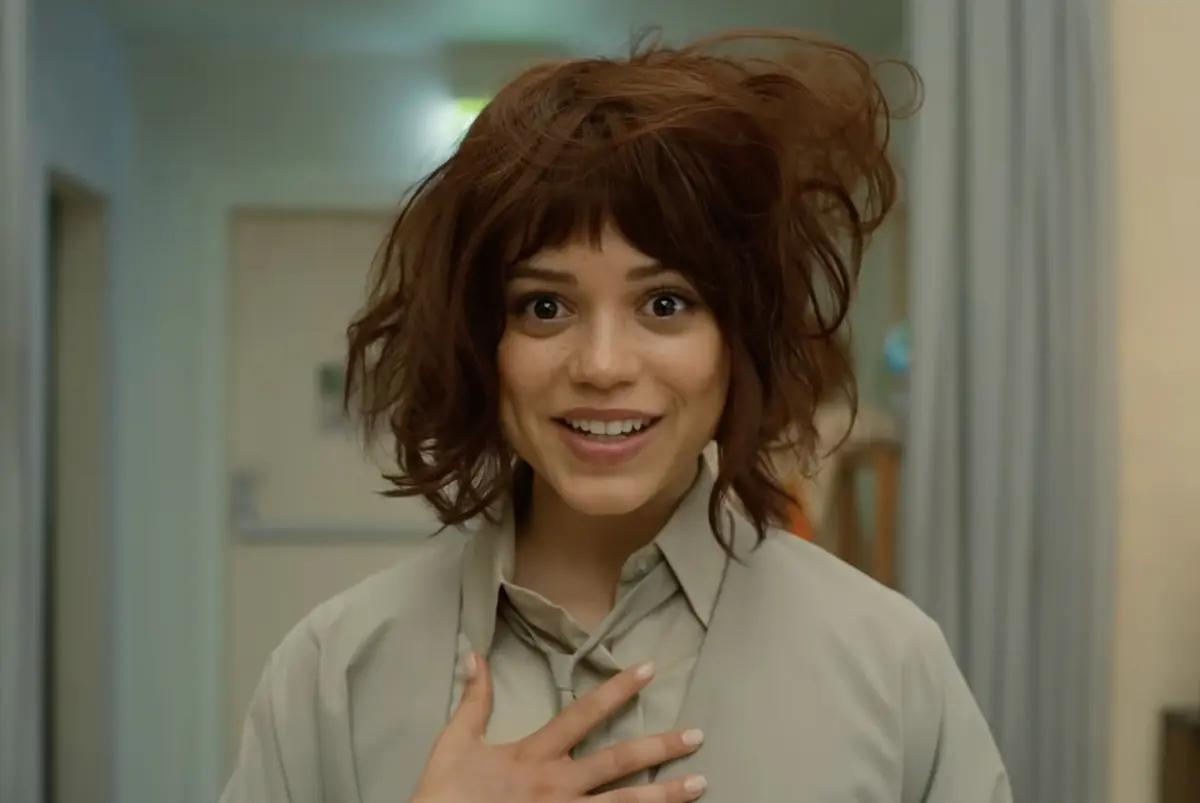
Set in a technologically advanced yet socially fractured near-future, Klara and the Sun centers on Klara, an Artificial Friend with solar-powered capabilities, portrayed by Jenna Ortega. Klara is purchased for Josie, an ailing teenager played by Mia Tharia, by her anxious and grieving mother, Chrissie, brought to life by Amy Adams. Josie belongs to a controversial demographic known as the "lifted"—children whose genetic structures have been artificially enhanced to significantly boost cognitive capacities. This medical intervention is accessible only to affluent families, creating a distinct societal divide between the modified elite and the unenhanced population.
The domestic environment is further populated by Chrissie, who is still reeling from the natural death of her older daughter, Sal, and the subsequent dissolution of her marriage. Alongside them is Melania, the family housekeeper played by Rachel House, whose presence introduces domestic dynamics centered around class and socioeconomic tension. Meanwhile, Josie maintains a childhood friendship with Rick, played by Aran Murphy, an unlifted boy whose intellectual capabilities rival those of his peers, highlighting the arbitrary nature of genetic stratification. Despite the star-studded cast and a visually striking production design, the cinematic realization of these complex themes has drawn scrutiny for oversimplifying the source novels philosophical inquiries.
Chronology of Production and Development
The journey of Klara and the Sun from page to screen has spanned several years of development, reflecting the broader challenges of adapting high-concept speculative fiction for mainstream audiences.
- March 2021: Kazuo Ishiguro publishes Klara and the Sun, his first novel following his receipt of the Nobel Prize in Literature in 2017. The book immediately garners widespread critical acclaim for its understated examination of artificial intelligence, maternal grief, and human consciousness.
- Late 2021 to 2022: Film industry trades report that production companies have secured the adaptation rights, with screenplay development initiating shortly thereafter. The project attracts high-profile interest due to the intellectual property’s prestige.
- 2023: Taika Waititi officially signs on to direct the project. Casting announcements follow, generating substantial anticipation as Jenna Ortega and Amy Adams join the ensemble. Principal photography commences under heightened expectations from both literary critics and cinephiles.
- Post-Production and Release: The film moves through an extensive post-production phase, focusing heavily on its color grading, retro-futuristic costume design, and production architecture. Upon its theatrical premiere, the film faces scrutiny regarding its divergence from Ishiguro’s character motivations and thematic subtleties.
Production Design and Aesthetic Choices
One of the most widely discussed aspects of Waititis adaptation is its distinct visual language. The film utilizes a warm, highly saturated color palette that starkly contrasts with the traditionally bleak aesthetics of cinematic dystopias. The costume design merges updated retro silhouettes with avant-garde couture, establishing a hyper-stylized world that immediately distinguishes itself from the atmospheric restraint of the novel.
Furthermore, the introduction of the narrative showcases the retail environment where Artificial Friends are displayed. Enhanced units are paraded before prospective buyers in a manner reminiscent of early 2000s retail marketing, introducing a layer of satirical commercialism. The domestic setting—a sprawling prairie-style architectural home situated in a hyper-stylized rural landscape—underscores the upper-class privilege of Chrissie and Josie. However, these aesthetic choices have not been without minor logistical criticisms; geographical inconsistencies, such as placing a wheat-surrounded property in Illinois—a state historically dominated by corn and soybean agriculture—highlight a prioritization of visual symbolism over environmental realism.
Critical Analysis of Narrative Alterations
Literary adaptations frequently necessitate structural and narrative modifications to transition effectively from the printed page to the visual medium. In the case of Klara and the Sun, however, the script makes deliberate choices that critics argue dilute the philosophical weight of Ishiguro’s narrative.
In the original novel, Klara’s perspective as an artificial intelligence provides an objective, almost innocent lens through which human flaws, loneliness, and the commodification of existence are examined. The film shifts its narrative focal point toward the fraught relationship between Josie and her mother. While exploring the devastating psychological toll of parental grief is a valid creative direction, analysts note that the screenplay fails to fully unpack Chrissie’s internal landscape. Her erratic decisions are acknowledged as symptoms of mourning, yet the audience is rarely granted sustained access to her perspective, leaving her character motivations feeling underdeveloped.
Similarly, secondary plot threads—such as the complex socio-political dynamic introduced by Melania, who highlights racial and class intersections within the household, and Rick’s observation regarding the subjugation of Artificial Friends—are introduced early in the runtime but subsequently sidelined. The narrative potential of Josie’s jealousy regarding Rick and Klara’s evolving dynamic is similarly curtailed, preventing a deeper exploration of how human emotions intersect with machine sentience.
Societal Themes and Thematic Divergence
A central pillar of Ishiguro’s novel is the ethical dilemma surrounding the "lifting" process. In a real-world context where pre-implantation genetic diagnosis, in vitro fertilization advancements, and emerging gene-editing technologies edge closer to clinical reality, Ishiguro’s dystopian premise serves as a cautionary tale about systemic inequality.
Waititi’s adaptation attempts to infuse satirical comedy into these institutional critiques, a tonal choice that several reviewers argue compromises the dramatic integrity of the narrative. A critical turning point in the film occurs when Josie attends a gathering hosted by fellow lifted peers. Rather than the isolated, home-schooled isolation depicted in the book, the cinematic sequence presents a lavish party populated by affluent, highly stylized adolescents who treat their respective Artificial Friends with overt disdain. Within this sequence, specific characterizations—including a primary antagonist coded with traditional tropes associated with marginalized identities—have sparked broader industry conversations regarding the recurrence of stock character archetypes in contemporary comedic filmmaking.
Performances and Technical Merits
Despite criticisms directed at the narrative’s thematic cohesion, performances across the principal cast have received widespread commendation. Jenna Ortega’s physical embodiment of Klara is frequently cited as the film’s standout technical achievement. Through calculated body awareness, rigid posture, and subtle motor adjustments, Ortega successfully conveys the mechanical nature of an artificial intelligence without sacrificing emotional resonance.
Amy Adams and Mia Tharia complement this physical performance, establishing a dynamic chemistry that anchors the maternal-filial core of the story. Observers note that these performances highlight the strong comedic and dramatic capabilities of the leading ensemble, functioning independently of the broader structural issues present in the script.
Broader Implications for Literary Adaptations
The reception of Klara and the Sun underscores a recurring challenge within the film industry: the difficulty of translating internalized, philosophical literature into universally appealing cinematic narratives. When high-profile directors undertake adaptations of celebrated contemporary fiction, the tension between commercial accessibility and authorial fidelity invariably takes center stage.
Industry analysts suggest that the polarizing response to Waititi’s film may influence how future speculative fiction projects are greenlit and adapted. By prioritizing stylistic flair and overt comedic beats over the slow-burn, melancholic introspection that defined Ishiguro’s text, the production illustrates the fine line filmmakers must walk when interpreting modern literary masterpieces. Ultimately, while the film offers moments of technical brilliance and standout performances, it serves as a case study in the complexities of modern adaptation strategy.