Director André Øvredal, a filmmaker with a growing reputation for crafting chilling cinematic experiences, has a notable entry in his filmography that continues to resonate with horror enthusiasts: The Autopsy of Jane Doe. This 2016 independent horror film, released by IFC Midnight, stands as a testament to Øvredal’s ability to build atmospheric dread and deliver a compelling narrative, even within the confined setting of a morgue. While the director is currently generating buzz for his upcoming film Passenger, slated for a May 22, 2026 release, The Autopsy of Jane Doe remains a cult classic that warrants revisiting for its masterful blend of supernatural mystery and character-driven tension.
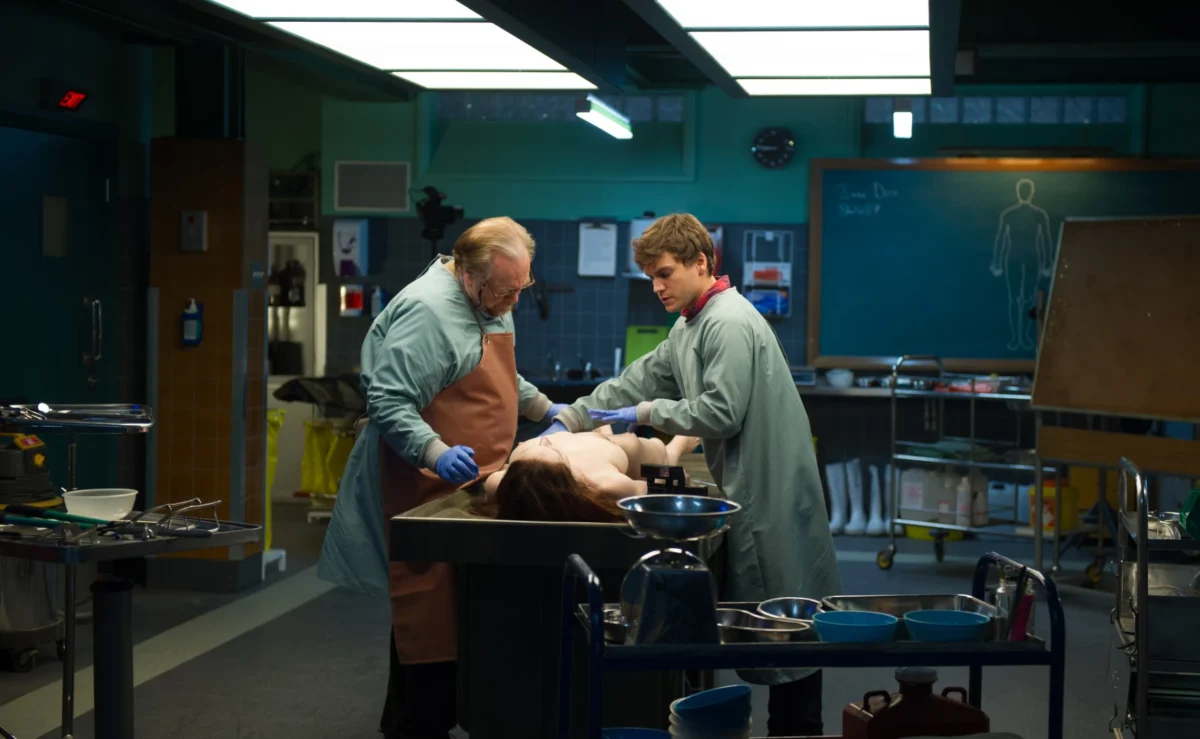
The film’s premise is deceptively simple: a father-and-son coroner duo, Tommy Tilden (Brian Cox) and Austin Tilden (Emile Hirsch), find their lives irrevocably altered when they receive a mysterious late-night case. The body, identified only as Jane Doe, is discovered partially buried beneath a local home, yet exhibits no external signs of trauma. This initial anomaly sets the stage for a descent into the uncanny, as the Tildens begin their post-mortem examination, only to uncover a series of increasingly disturbing and inexplicable findings.
Øvredal, who previously helmed the acclaimed found-footage mockumentary Troll Hunter (2010) and adapted beloved childhood tales for the screen in Scary Stories to Tell in the Dark (2019), demonstrates a keen understanding of horror pacing and atmosphere in The Autopsy of Jane Doe. The film expertly navigates the line between a character study, a murder mystery, and a supernatural thriller, all while maintaining a remarkably understated and tasteful execution.
The narrative initially focuses on the complex and somewhat codependent relationship between Tommy and Austin. Tommy, a seasoned coroner, embodies a gruff, no-nonsense demeanor, while Austin, his son, appears to be grappling with his own aspirations and a desire for independence. Their professional routine is disrupted by the arrival of Jane Doe’s body, a victim of circumstances that defy immediate explanation. As they commence the autopsy, the Tildens begin to notice peculiar discrepancies. Jane Doe’s internal organs are severely damaged, a stark contrast to her perfectly preserved skin. Furthermore, her cloudy eyes suggest she has been deceased for several days, yet her body shows no signs of rigor mortis, a phenomenon that typically sets in after death. These early observations serve as the initial threads in a tapestry of the supernatural that Øvredal meticulously weaves.
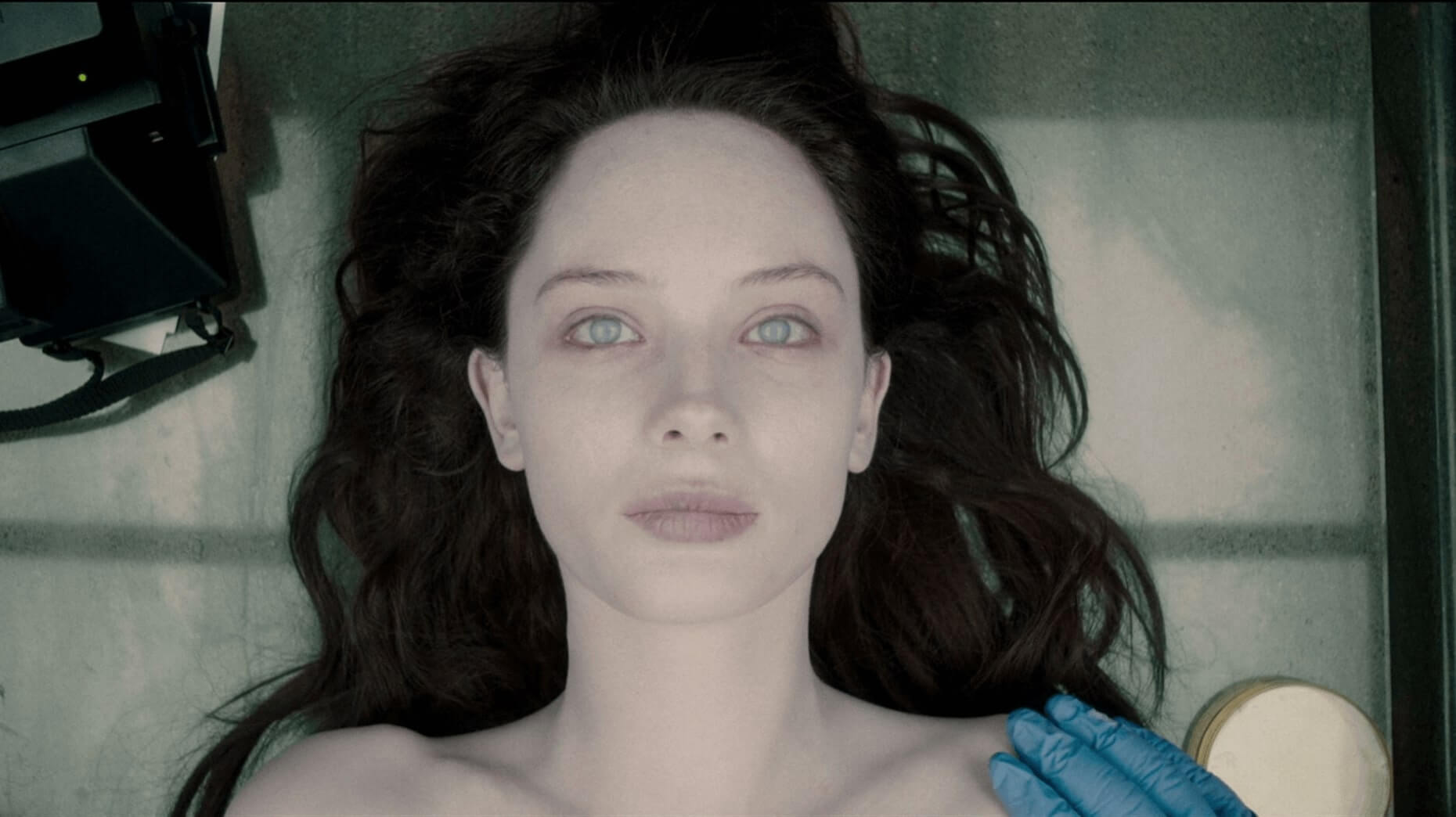
Unraveling the Supernatural Enigma
The autopsy process soon reveals more unsettling details about Jane Doe. Her wrists and ankles bear the marks of fractures, her tongue has been surgically removed, and a single tooth is missing from her jaw. Adding another layer of intrigue, the coroners discover jimsonweed, a plant known for its paralytic properties and often associated with ancient rituals, within her stomach. This discovery elevates the case from a peculiar medical puzzle to a potential descent into something far more sinister.
The strength of the film’s early stages lies in the compelling character work of Brian Cox and Emile Hirsch. Their performances anchor the narrative, allowing the audience to become invested in their familial dynamic before the supernatural elements fully take hold. Hirsch, who previously delved into the darker aspects of human nature in the southern gothic thriller Killer Joe (2011), brings a nuanced performance to Austin, portraying his growing unease and fear with palpable authenticity. Brian Cox, a veteran actor with a prolific career spanning film, television, and theatre, including his iconic portrayal of Hannibal Lecter in Michael Mann’s Manhunter (1986), lends his gravitas to the role of Tommy, showcasing a character who is initially resistant to the unfolding horrors.
The Escalation of Terror
Øvredal’s directorial prowess shines in his ability to build tension incrementally. The autopsy of Jane Doe becomes an unavoidable task for Austin, even as it jeopardizes his planned evening with his girlfriend. The subtle hints of Austin’s apprehension towards his father, coupled with the deteriorating weather conditions outside, create an atmosphere of claustrophobic dread. The film masterfully uses these environmental and relational stressors to amplify the audience’s sense of unease.
As the autopsy progresses, the scientific impossibilities begin to manifest as overt supernatural phenomena. The radio stations inexplicably change channels, spectral figures flicker in the morgue’s periphery, and Austin’s cat, Stanley, is found in a precarious state, adding to the mounting sense of danger. The discovery of Jane Doe’s missing tooth, found wrapped in rustic cloth bearing occult symbols, further deepens the mystery. These symbols are later found etched into Jane Doe’s skin, suggesting a ritualistic aspect to her death and subsequent reanimation. The situation escalates dramatically as lights explode, the power fails, and reanimated corpses begin to terrorize Austin and Tommy. At this juncture, Øvredal abandons subtlety and unleashes the full force of the film’s horror.
The morgue transforms into a nightmarish escape room, where the occult clues coalesce into a shocking revelation. In a significant plot development, it is revealed that Jane Doe was a victim of the Salem Witch Trials in 1692. The implication is that her spirit, or some malevolent force tied to her suffering, has endured through centuries and is now enacting vengeance. This revelation not only provides a cathartic payoff for the intricate puzzle the film has presented but also facilitates a subtle softening of Tommy’s hardened exterior. The imminent threat of supernatural demise appears to serve as a catalyst for introspection, allowing him to comprehend the horrifying circumstances and the motivations behind Jane Doe’s spectral rampage.

A Cinematic Lineage and Future Echoes
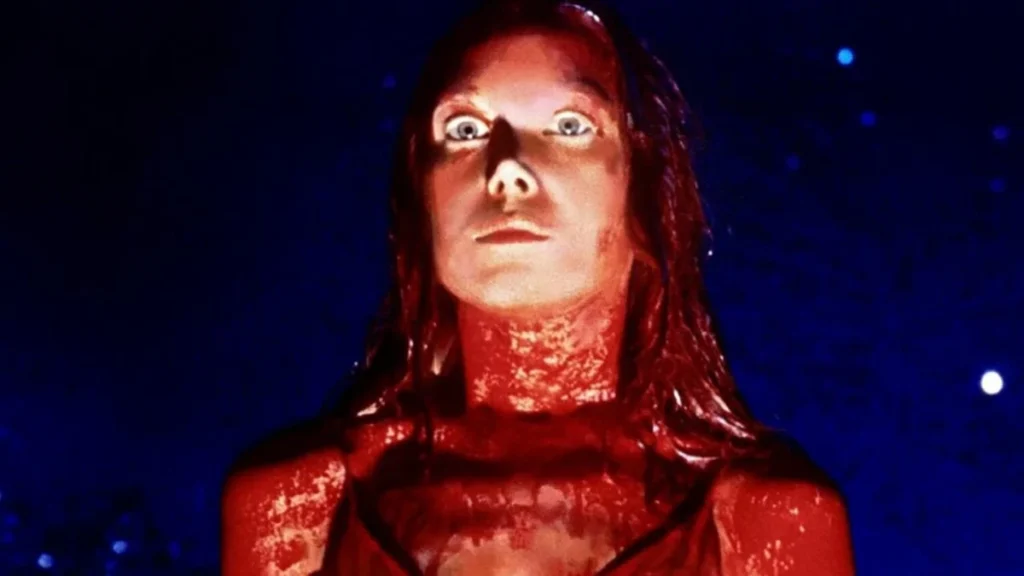
The Autopsy of Jane Doe‘s visual language and thematic elements resonate with several established horror tropes, making it a compelling watch for fans of the genre. The sterile, labyrinthine setting of the morgue evokes the enclosed terror found in films like Scream 4 (2011) and Scream 5 (2022), while the supernatural occurrences and the morgue setting naturally draw parallels to the Final Destination franchise. The film effectively synthesizes these elements, establishing a tone that has influenced subsequent horror projects.
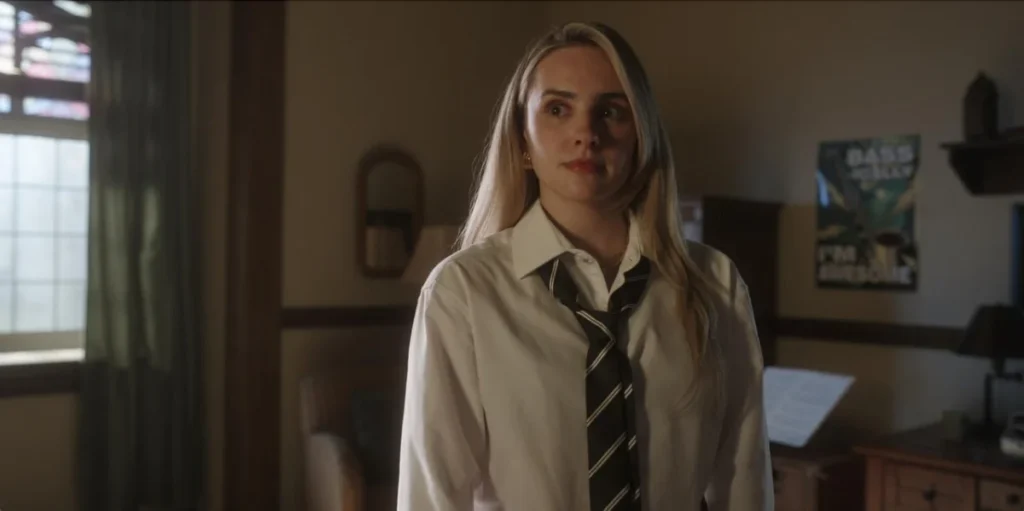
For viewers who enjoyed the dark, occult undertones of The Chilling Adventures of Sabrina, particularly its exploration of Satanic panic, The Autopsy of Jane Doe offers a similarly captivating dive into witchcraft and supernatural retribution. Furthermore, fans of the Salem Witch Trials narrative explored in Fear Street Part Three: 1666 (2021) will find a compelling continuation of these themes within Øvredal’s film, further expanding upon the lore of witch trials and their enduring impact.
A Stepping Stone in a Flourishing Career
The success of The Autopsy of Jane Doe marked a significant point in the careers of its key players and its director. Following the film’s release, Emile Hirsch lent his voice to the animated fantasy series Trollhunters: Tales of Arcadia (2016-2018), stepping in for the late Anton Yelchin. He also took on the role of Jay Sebring in Quentin Tarantino’s acclaimed film Once Upon a Time in Hollywood (2019). Brian Cox, meanwhile, leveraged his experience portraying a domineering father figure in The Autopsy of Jane Doe to further develop his critically acclaimed performance as Logan Roy in the HBO series Succession (2018-2023).
André Øvredal has continued to solidify his position as a formidable talent in the horror genre. He served as an executive producer on the trauma-driven horror film Umma (2022), starring Sandra Oh, and is set to direct an adaptation of the popular survival horror game Bendy and the Ink Machine. His upcoming film, Passenger, promises another terrifying cinematic journey for horror aficionados. As Passenger approaches its release, The Autopsy of Jane Doe stands as a potent reminder of Øvredal’s mastery in crafting unsettling, atmospheric, and intellectually stimulating horror narratives. For those seeking a chilling pre-game to his latest offering, The Autopsy of Jane Doe is readily available for streaming on Tubi, providing an enduring testament to the power of a well-told supernatural mystery.