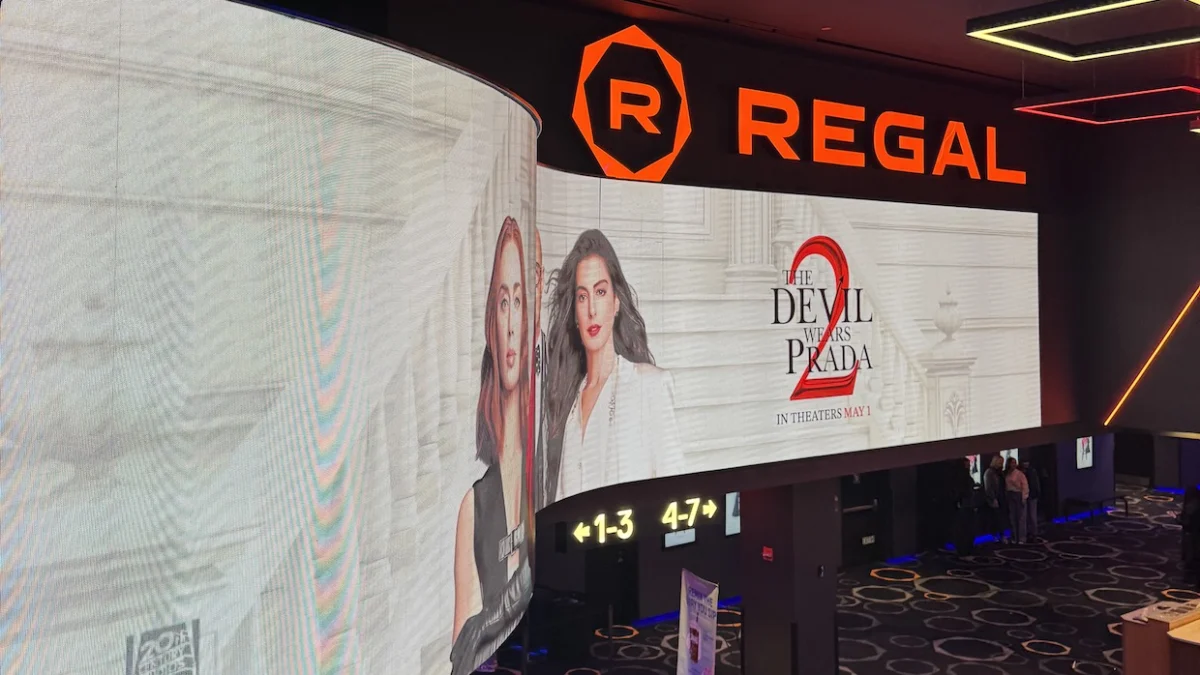
The highly anticipated sequel, The Devil Wears Prada 2, has officially arrived, marking a significant cultural moment two decades after its predecessor captivated audiences worldwide. With an impressive global box office opening weekend of $234 million, the film immediately asserted its commercial prowess, reigniting conversations around ambition, the fashion industry, and the ever-shifting landscape of modern media. This follow-up endeavors to explore the evolution of its beloved characters within a contemporary setting, addressing themes of professional integrity, technological disruption, and the enduring allure of New York City.
The Enduring Legacy of The Devil Wears Prada (2006)
To fully appreciate the context of The Devil Wears Prada 2, it is essential to revisit the groundbreaking impact of the original film. Released in 2006, The Devil Wears Prada quickly became a cultural touchstone, grossing over $326.7 million worldwide against a production budget of $41 million. Directed by David Frankel and based on Lauren Weisberger’s 2003 novel, the film offered a stylized, yet often bitingly accurate, glimpse into the cutthroat world of high fashion journalism.
The narrative centered on Andrea "Andy" Sachs (Anne Hathaway), a bright-eyed aspiring journalist who inadvertently lands a job as the junior assistant to Miranda Priestly (Meryl Streep), the notoriously demanding editor-in-chief of Runway magazine. Streep’s portrayal of Priestly earned her an Academy Award nomination and solidified the character as one of cinema’s most iconic antagonists, a figure both comically cruel and brilliantly discerning. The film deftly explored themes of ambition, the moral compromises inherent in career advancement, and the intoxicating power of glamour, resonating deeply with a generation grappling with their own professional aspirations. Emily Blunt’s performance as the acerbic first assistant Emily Charlton and Stanley Tucci’s turn as the supportive art director Nigel also contributed significantly to the film’s critical and commercial success, establishing a beloved ensemble that audiences eagerly anticipated seeing return.
Two Decades Later: A New Chapter and Commercial Triumph
The Devil Wears Prada 2 picks up twenty years after Andy Sachs famously walked away from Miranda Priestly’s demanding empire. The sequel finds Andy, now an accomplished investigative reporter, returning to Runway to lead its features department. This narrative choice immediately positions the film to tackle the dramatic shifts within the media industry over the past two decades.
The film’s opening weekend box office figure of $234 million globally is a testament to the franchise’s enduring appeal and strong brand recognition. In an era where cinema attendance faces challenges from streaming services and diverse entertainment options, such a performance underscores the power of nostalgia and established intellectual property. The film’s PG-13 rating ensures broad accessibility, appealing to both original fans who have matured with the characters and a new generation drawn to its fashion-forward aesthetics and compelling narrative. Industry analysts attribute this success not only to the returning cast but also to a sophisticated marketing campaign that leveraged the original film’s legacy while promising a relevant contemporary storyline.
Character Returns and the Passage of Time
The return of core cast members is a significant draw for The Devil Wears Prada 2. Anne Hathaway reprises her role as Andy Sachs, a character now navigating the upper echelons of editorial leadership. However, a notable aesthetic choice in the film has drawn commentary: Hathaway’s character appears to have aged minimally, if at all, over the fictional two-decade span. While this often serves as a cinematic trope to maintain star appeal, it has also sparked discussions among viewers and critics regarding realistic representation and the portrayal of aging in Hollywood, particularly for women. In contrast to the natural progression of life and career, the character’s seemingly ageless appearance offers a heightened fantasy, aligning with the aspirational nature of the franchise.
Emily Blunt’s return as Emily Charlton, now in a senior role at Dior, was met with enthusiastic applause from preview audiences, indicating the enduring affection for her sharp-witted character. Stanley Tucci’s Nigel also reappears, though the film subtly reconfigures his dynamic with Andy, reflecting the growth and changing power structures among the characters. The absence of Adrian Grenier’s character, Andy’s former boyfriend Nate, is acknowledged, allowing for new romantic interests to emerge, notably Patrick Brammall as a charmless real-estate contractor. The introduction of new characters, including a tech billionaire played by B.J. Novak and a patron figure embodied by Lucy Liu, signals the sequel’s commitment to expanding the narrative universe and introducing contemporary archetypes relevant to its themes.
The Media Industry at a Crossroads: A Central Theme
Central to The Devil Wears Prada 2‘s narrative is its engagement with the profound crisis facing the media industry. Andy Sachs’ return to Runway is quickly overshadowed by the looming threat of its parent company, Elias-Clarke (a thinly veiled stand-in for Condé Nast), under the new leadership of the deceased CEO’s tech billionaire son, B.J. Novak’s character. His vision involves systematically phasing out "substantive" content—i.e., traditional journalism and long-form writing—in favor of more commercially driven, digitally optimized material.
This plot point directly mirrors real-world challenges that have plagued journalism and publishing over the last twenty years. The period since the original film’s release has seen a dramatic decline in print circulation, dwindling advertising revenues, widespread layoffs across newsrooms, and the rise of digital-first strategies, often prioritizing clickbait and virality over in-depth reporting. Traditional media organizations have grappled with consolidation, the dominance of social media platforms, and the pressure to adapt to new consumption habits while maintaining editorial integrity.

Andy’s lament in the film—"We can’t just keep sucking the soul out of everything, gutting it and then repackaging it. For what end?"—articulates a sentiment widely shared within the journalism community. The sequel positions Andy as a defender of authentic storytelling against the tide of corporate simplification and profit-driven content farms. While the original film explored the personal cost of ambition, the sequel broadens this to the systemic cost of an industry losing its soul. However, some critics suggest that the film’s portrayal, while resonant, offers a somewhat simplified "simplified Succession subplot," perhaps underestimating the complexity of these industry-wide transformations.
Aesthetic and Commercial Strategy: Beyond the Narrative
Beyond its narrative engagement with media trends, The Devil Wears Prada 2 is a masterclass in modern cinematic spectacle and commercial integration. The film embraces a "sleek 4K aesthetic," showcasing high production values that elevate its visual appeal. Dizzying aerial shots of Manhattan serve as frequent scene transitions, reinforcing New York City’s iconic status as a backdrop for ambition and glamour. These visual flourishes extend to international locales, with drones capturing breathtaking scenes in Milan and Lake Como, underscoring the global reach of the fashion world.
The film’s deliberate incorporation of fashion shows, such as Milan Fashion Week footage, and a "Lady Gaga music video between acts two and three," further accentuates its ties to popular culture and high fashion. Additionally, the sequel features a series of high-profile cameos from figures across various industries, including fashion luminaries like Donatella Versace and Law Roach, political figures like Jenna Bush, and media personalities such as Tina Brown and Kara Swisher, alongside unexpected appearances like NBA star Karl-Anthony Towns. These cameos serve multiple purposes: they add an element of real-world authenticity to the fictional Runway universe, provide moments of fan recognition, and strategically align the film with contemporary tastemakers.
The article also notes the presence of discreet product placements—ranging from Simple Mills Almond Flour Sea Salt Crackers and Diet Coke to Mrs. Meyer’s Clean Day Hand Soap and United Airlines—which contribute to the film’s commercial viability and realistic depiction of aspirational lifestyles. This extensive integration of brands and celebrity appearances has led some to characterize The Devil Wears Prada 2 as a "one-hour-and-59-minute-long commercial," a common observation in modern blockbusters where brand synergy and intellectual property (IP) leverage play increasingly significant roles. The narrative itself, with Andy’s $350K book deal and the emphasis on "rights where the money’s at," subtly acknowledges the financial realities of creative industries and the importance of IP in the current entertainment landscape.
The Allure of New York City and Fashion in the Modern Era
New York City remains a pivotal character in The Devil Wears Prada 2, just as it was in the original. For a generation that grew up with The Devil Wears Prada, New York represented a "magical and faraway place," symbolizing a life of ambition, creativity, and self-reinvention. Films like 13 Going on 30 and a slew of Y2K-era fashion and career-focused media cultivated a "New York or nowhere" ethos, positioning the city as the essential crucible for a "fabulous life."
The sequel continues to exploit this dream, employing frequent, aspirational shots of Manhattan that reinforce its image as the epicenter of cultural and professional success. However, the film’s portrayal exists against a backdrop of increasing urban realities, particularly the affordability crisis that has made the dream of living and thriving in New York City significantly harder for many. The disconnect between the film’s aspirational depiction and the socioeconomic challenges of the modern metropolis highlights the role of such narratives in maintaining a powerful, idealized vision of the city, especially within the confines of "aspirational women’s media." This tension between fantasy and reality underscores how cultural narratives can both reflect and shape societal desires, even as conditions on the ground evolve.
The film’s continued focus on high fashion also resonates with its foundational appeal. For many, The Devil Wears Prada ignited an obsession with fashion, inspiring engagement with magazines like W and television shows such as America’s Next Top Model, Ugly Betty, and Project Runway. The sequel taps into this deep-seated cultural fascination, presenting fashion not just as clothing but as a powerful industry and a canvas for self-expression and professional identity. The transition from arranging Calico Critters to becoming "puppet masters of real people on a real stage" encapsulates the trajectory of ambition that the franchise so effectively captures.
Nostalgia, Evolution, and Future Implications
The Devil Wears Prada 2 arrives at a unique juncture, catering to an audience that has grown up alongside its characters. For many, the original film was "core to what I thought it meant to be an adult woman," defining aspirations related to career, independence, and style. The sequel finds this audience, and its characters, in a different phase of life—"adult women getting married, getting promotions"—which introduces a new layer of emotional complexity.
The film’s ability to evoke tears, as noted by some viewers, speaks to its powerful connection with personal histories and unrequited professional loves. The allure of glamour and "beautiful things" remains potent, even as the characters and the industry confront profound challenges. Andy’s struggle to "hold onto that" glamour while simultaneously advocating for the "future of journalism" encapsulates the often-conflicting desires for professional success and moral integrity in a commercialized world.
Ultimately, The Devil Wears Prada 2 functions as both a commercial triumph built on nostalgia and a commentary on the evolving media landscape. While some critiques suggest a simplified approach to complex industry issues and a continued emphasis on a somewhat unrealistic fantasy, the film undeniably taps into a collective cultural memory and current anxieties. It reflects the ongoing struggle between artistic integrity and commercial pressures, between the pursuit of personal ambition and the desire for meaningful work. As the entertainment industry increasingly relies on established IP, the success and thematic choices of sequels like The Devil Wears Prada 2 offer valuable insights into how beloved stories are reinterpreted for new generations and evolving times. The film underscores that even as industries transform and dreams adapt, the emotional resonance of ambition, style, and the pursuit of a meaningful life remains a powerful draw.