The Devil Wears Prada 2, the highly anticipated sequel from 20th Century and Disney, has made a resounding splash at the North American box office, opening to an impressive $32.5 million on Friday. This formidable start positions the film for an estimated $75 million to $80 million debut weekend across North America, nearly two decades after its predecessor, The Devil Wears Prada, captivated audiences and solidified its status as a cultural phenomenon. The original 2006 film, initially a sleeper hit, went on to gross $326.5 million globally, becoming synonymous with fashion, ambition, and the intricate dynamics of the professional world. The sequel’s explosive performance not only reasserts the enduring appeal of the Miranda Priestly universe but also serves as a powerful testament to the significant buying power of women and teenage girls in the contemporary cinematic landscape.
The Resurgence of Miranda Priestly’s World: A Box Office Phenomenon
The initial box office figures for The Devil Wears Prada 2 are nothing short of remarkable. The $32.5 million Friday haul includes a robust $10 million from Thursday previews, an extraordinary achievement that places it among the best showings ever for a female-fueled picture. This preview performance notably stands in close contention with, and in some metrics surpasses, early numbers for recent box office heavyweights such as the Michael Jackson biopic Michael and the science fiction epic Project Hail Mary, signaling a clear and fervent audience demand. The film’s early success is further bolstered by strong critical reviews and overwhelmingly positive audience exit polls, reflected in an admirable A- CinemaScore. This combination of critical acclaim and audience satisfaction suggests strong word-of-mouth potential, a crucial factor for sustained box office success, especially for a character-driven drama-comedy. The film’s ability to attract moviegoers across all age groups, from original fans who have grown with the franchise to new generations discovering its charm, underscores its broad appeal and cultural longevity.
A Legacy Reimagined: The Original Film’s Enduring Impact
The journey to The Devil Wears Prada 2 has been a long one, spanning almost two decades, a testament to the original film’s lasting imprint on popular culture. Released in 2006, the first The Devil Wears Prada defied initial expectations to become a sleeper hit. Based on Lauren Weisberger’s best-selling novel, it provided a satirical yet often poignant glimpse into the cutthroat world of high fashion, anchored by Meryl Streep’s iconic portrayal of the formidable Miranda Priestly and Anne Hathaway’s relatable turn as her ambitious but overwhelmed assistant, Andrea Sachs. The film’s sharp dialogue, memorable characters, and aspirational fashion moments quickly permeated the zeitgeist, generating countless memes, quotable lines, and influencing fashion discourse for years to come. Its exploration of themes like ambition, mentorship, workplace power dynamics, and the sacrifices made for professional success resonated deeply with a diverse audience. The film’s global gross of $326.5 million on a relatively modest budget solidified its commercial viability and established it as a foundational text in the "chick flick" genre, albeit one with significant dramatic depth.
The protracted wait for a sequel often raises questions about whether the magic can be recaptured. However, the consistent public clamor for a continuation, fueled by nostalgia and the desire to revisit beloved characters, created an environment of heightened anticipation for Prada 2. For years, speculation about a sequel simmered, with cast members often queried about its possibility. The eventual greenlighting by 20th Century and Disney, nearly 18 years after the original, was met with widespread excitement, signaling a strategic move to capitalize on an established and deeply cherished intellectual property that boasts significant cultural capital.
The Power of Proven Talent: Cast and Creative Team Return
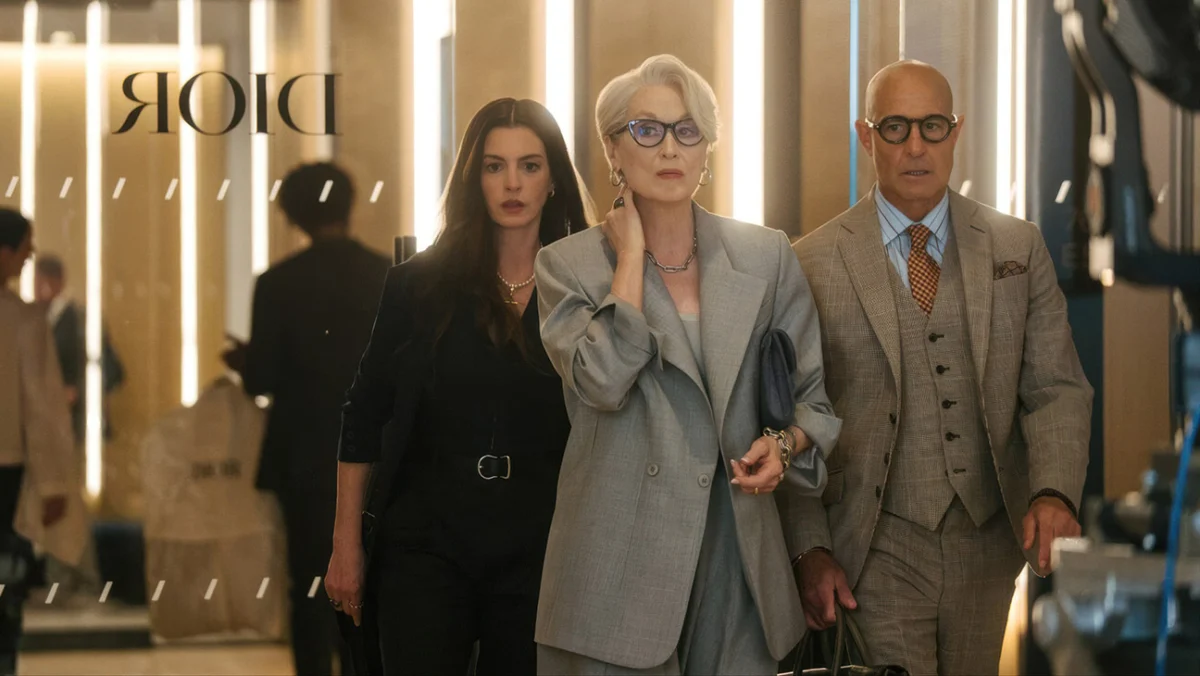
A pivotal factor in the sequel’s overwhelming success is the triumphant return of its original, beloved ensemble cast. Meryl Streep reprises her role as Miranda Priestly, the legendary, searing fashion magazine editor whose performance in the first film earned her an Academy Award nomination and cemented her character as one of cinema’s most iconic villains – or perhaps, misunderstood leaders. Anne Hathaway returns as Andrea Sachs, the once-naïve assistant who found her footing in a challenging world. Stanley Tucci is back as Nigel, Miranda’s witty and loyal art director, and Emily Blunt reprises her role as Emily Charlton, Andy’s sharp-tongued senior assistant. The collective talent and undeniable chemistry of these actors were central to the original film’s charm, and their reunion was undoubtedly a primary draw for audiences. Their individual careers have flourished in the intervening years, with each actor becoming a respected and bankable star in their own right. The decision to bring back director David Frankel and writer Aline Brosh McKenna also provided a crucial element of creative continuity, ensuring that the sequel would maintain the tone, wit, and emotional depth that audiences cherished from the first installment. This creative consistency reassured fans that Prada 2 would be a faithful and worthy continuation, rather than a mere cash-grab.
Decoding the Demographic: Women and Teen Girls Lead the Charge
The extraordinary opening of The Devil Wears Prada 2 powerfully underscores the often-underestimated buying power of women and teenage girls at the box office. For too long, Hollywood has predominantly tailored its summer blockbuster schedule to male-centric action franchises or superhero epics, overlooking the significant and consistent demand for films that resonate with female audiences. Prada 2‘s impressive $10 million in Thursday previews, a figure competitive with genre tentpoles, clearly illustrates that when a film targets this demographic with quality storytelling and beloved characters, they will show up in force. This audience segment is not only eager for diverse narratives but also demonstrates strong communal viewing habits, often turning theatrical releases into social events. The themes embedded within The Devil Wears Prada—ambition, professional challenges, female friendships and rivalries, and the complexities of career versus personal life—continue to resonate deeply across generations of women. From older fans who first saw the original in their twenties to younger viewers discovering the franchise through streaming and social media, the film’s universal appeal transcends age, creating a powerful intergenerational viewing experience. This success provides compelling data for studios to reconsider their investment strategies and programming choices, recognizing the immense commercial potential of stories centered on female experiences.
Shifting Paradigms: Summer Box Office Redefined
Perhaps one of the most significant implications of The Devil Wears Prada 2‘s opening is its role in redefining the traditional summer box office landscape. Historically, the summer movie season has been inaugurated by high-octane action films, often from the Marvel Cinematic Universe or the Fast & Furious franchise, designed to attract massive opening weekend crowds with spectacle and explosions. The Devil Wears Prada 2, a character-driven comedy-drama, marks a notable departure as the first female-driven movie in modern history to kick off the summer box office. This strategic placement by 20th Century and Disney represents a bold and ultimately successful move to diversify the summer slate. It suggests a growing confidence in non-traditional blockbusters to draw significant numbers and signals a potential shift in how studios approach their tentpole releases. This move could pave the way for a more varied and inclusive summer programming schedule in the future, offering audiences a broader array of choices beyond the typical superhero fare and potentially attracting demographics that might otherwise delay their return to cinemas until later in the year. The success of Prada 2 demonstrates that a strong story with beloved characters and universal themes can be just as potent a summer draw as any CGI-laden spectacle.
Global Glamour: International Performance Highlights
The success of The Devil Wears Prada 2 is not confined to North American shores; its international performance has been equally impressive, if not more so. Through Friday, the film had already amassed an astonishing $82.1 million from overseas markets, contributing to an early global cume of over $114 million. This robust international showing highlights the universal appeal of the franchise and its themes. Notably, the film scored the top opening day of any film this year in key markets such as Brazil and Italy. Italy, with its deep-rooted connection to high fashion, was particularly receptive, indicating the cultural relevance of the film’s subject matter in fashion-forward regions. The global recognition of the star power of Meryl Streep, Anne Hathaway, Emily Blunt, and Stanley Tucci, combined with the enduring fascination with the fashion industry and aspirational narratives, has clearly translated into widespread international appeal. These early international figures suggest that The Devil Wears Prada 2 is poised for a substantial global box office run, potentially surpassing the original film’s worldwide gross, especially when adjusted for inflation and the increased market size. The strong international performance further solidifies the film’s status as a bona fide global phenomenon.
A Tale of Two Eras: Comparing Box Office Trajectories
To truly appreciate the sequel’s performance, a comparison with the original film is essential. The original The Devil Wears Prada opened to $27.5 million for its entire opening weekend in 2006. The sequel’s opening day alone, at $32.5 million, has already surpassed that figure, not adjusted for inflation. When considering inflation, the 2006 opening weekend figure would be approximately $40 million in today’s dollars. Even with this adjustment, the sequel’s projected opening weekend of $75 million to $80 million represents an astounding increase of nearly 90-100% in real terms. This dramatic escalation in opening numbers underscores several key shifts in the cinematic landscape over the past two decades. Firstly, the power of nostalgia and brand recognition for a beloved cultural touchstone is immense, driving significant upfront demand that wasn’t present for the original "sleeper hit." Secondly, changes in marketing strategies, particularly the leveraging of social media and digital platforms, have allowed studios to generate unprecedented buzz. Lastly, the pent-up demand for a sequel to a film that has only grown in stature over time demonstrates a powerful consumer appetite that can translate directly into opening weekend success, especially when combined with a well-executed release strategy and a strong critical reception.
Broader Industry Implications and Future Outlook
The monumental success of The Devil Wears Prada 2 carries significant implications for the broader film industry. For sequels, it reaffirms that long gaps between installments can be overcome if the original property holds enduring cultural relevance, and if the creative team and core cast return to deliver a quality product. It challenges the notion that only action-heavy, CGI-laden franchises can command such a powerful opening. For female-led films, this debut is a powerful economic argument for increased investment in diverse storytelling. It demonstrates unequivocally that audiences are eager for narratives that reflect a broader spectrum of experiences and that these films can be incredibly profitable. For 20th Century and Disney, Prada 2 represents a significant win, showcasing the strength of their diverse portfolio beyond traditional Marvel or Star Wars tentpoles. It highlights the value of reviving beloved, character-driven properties and positions the studios as innovators in their summer release strategies.
Box office analysts are already weighing in on the potential long-term impact. "This isn’t just a win for Prada 2, it’s a win for Hollywood diversification," noted veteran film analyst Sarah Jenkins. "The industry has been grappling with how to attract broader audiences, and this film provides a clear roadmap: listen to your audience, deliver quality, and don’t underestimate the power of female-driven narratives." The film’s success could encourage more studios to take similar calculated risks, leading to a richer and more varied cinematic output, particularly during peak seasons like summer. The initial forecast suggests Prada 2 could easily surpass the original’s global gross and potentially set new benchmarks for comedy-drama sequels.
Beyond Miranda’s Reign: Other Box Office Triumphs
While The Devil Wears Prada 2 dominated headlines, other films continue to perform strongly at the box office. Lionsgate’s Michael Jackson biopic, Michael, has also been making history, crossing the $300 million mark globally. This impressive milestone solidifies its position as the top-grossing music biopic of all time, surpassing previous record holders such as Walk the Line (2005) and Elvis (2022). The enduring appeal of the King of Pop, combined with a compelling cinematic portrayal, has resonated with audiences worldwide, demonstrating the continued viability of musical biopics as a powerful draw. Meanwhile, Project Hail Mary continues its steady run, contributing to a diverse marketplace that caters to various tastes, even as Prada 2 claims the spotlight.
In conclusion, The Devil Wears Prada 2‘s spectacular debut is more than just a box office success; it’s a cultural statement. It underscores the enduring power of compelling storytelling, the magnetic draw of beloved characters, and the undeniable commercial might of female audiences. As it continues its run, the film is poised not only to become a major financial success for Disney and 20th Century but also to leave a lasting impact on how Hollywood perceives and programs its future blockbusters, ushering in a potentially more diverse and inclusive era for the summer movie season and beyond.