The American progressive rock band Kansas, an ensemble that originated in the unlikely musical hub of Topeka, Kansas, is currently celebrating a milestone that few contemporary musical acts achieve: over 50 years of continuous operation, creative output, and international touring. While the band is frequently categorized alongside the titans of 1970s classic rock radio, their trajectory is marked by a complex history of stylistic evolution, internal personnel shifts, and a resilient commitment to a genre—progressive rock—that often faced commercial headwinds in the United States. As of 2024, Kansas remains a vibrant entity, having released their sixteenth studio album, The Absence of Presence, in 2020, and currently navigating an extensive North American tour titled "Another Fork in the Road," which commemorates their half-century of musical contributions.
The Genesis of an American Progressive Sound
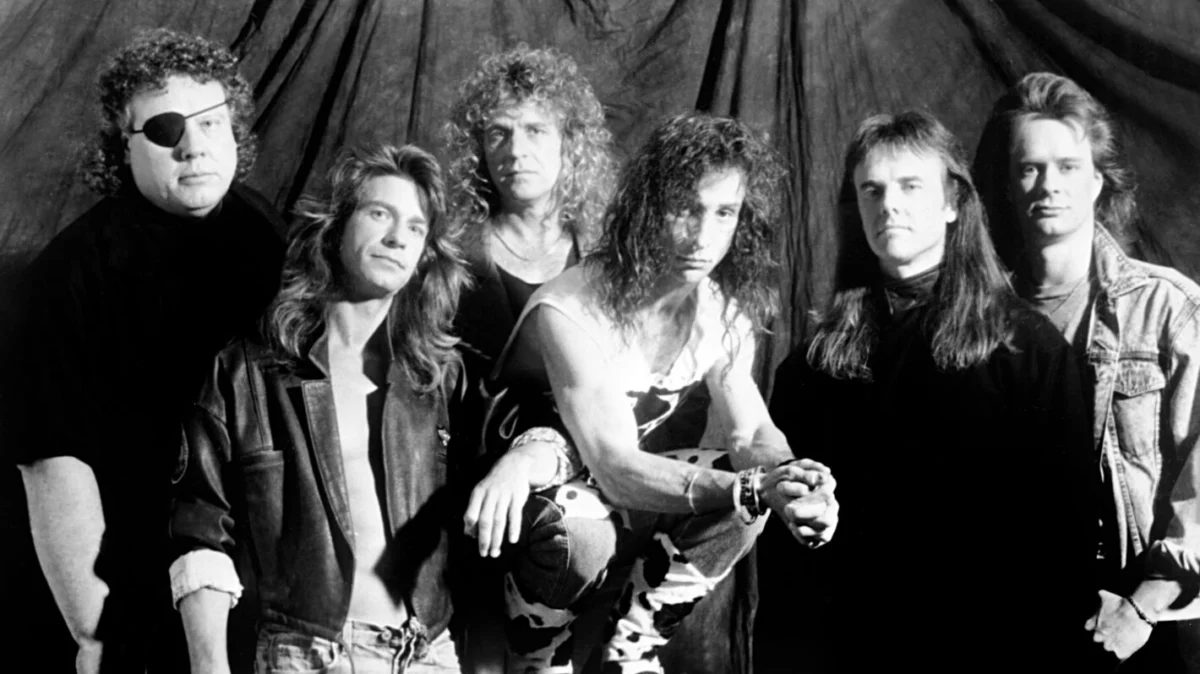
The formation of Kansas in the early 1970s represented a unique intersection of Middle American sensibilities and the sophisticated, often avant-garde influences of British progressive rock. The band’s origins can be traced back to 1970, with the merging of members from two Topeka-based groups, Reasons Why and White Clover. By 1973, the "classic" lineup had solidified, featuring Phil Ehart on drums, Rich Williams on guitar, Kerry Livgren on guitar and keyboards, Dave Hope on bass, Steve Walsh on vocals and keyboards, and Robby Steinhardt on vocals and violin.
This specific configuration allowed the band to develop a signature sound that was largely unprecedented among American arena rock bands. While peers like Boston or Foreigner focused on streamlined, melodic hard rock, Kansas integrated the violin as a lead instrument, utilized complex time signatures, and composed multi-movement epics. Their 1974 self-titled debut album set the stage, but it was their third and fourth releases that would secure their place in the rock pantheon.
The Golden Era: Leftoverture and Point of Know Return
The commercial breakthrough for Kansas occurred in 1976 with the release of Leftoverture. The album was born out of a period of intense pressure; the band’s label, Kirshner Records, had demanded a hit single to sustain their contract. At the final hour of the writing process, Kerry Livgren presented "Carry on Wayward Son." The track, characterized by its a cappella opening, driving guitar riffs, and intricate vocal harmonies, became a definitive anthem of the era. Leftoverture eventually reached number five on the Billboard 200 and has since been certified five-times platinum by the Recording Industry Association of America (RIAA).
The band followed this success in 1977 with Point of Know Return. This album featured "Dust in the Wind," a somber, acoustic-driven track that showcased the band’s versatility. Unlike their more bombastic progressive tracks, "Dust in the Wind" relied on finger-picked guitar and Steinhardt’s haunting violin work. It remains the band’s highest-charting single, reaching number six on the Billboard Hot 100. During this period, Kansas was selling out stadiums and was widely considered one of the premier live acts in the world, blending high-fidelity sound with a disciplined, orchestral approach to rock music.
Internal Transitions and Stylistic Shifts
The 1980s brought significant challenges to the band’s internal cohesion. The creative direction of the group became a point of contention as Kerry Livgren and Dave Hope underwent a religious conversion, which began to influence the lyrical content of the music. This shift contributed to the departure of Steve Walsh in 1981, who sought a more traditional rock direction. Walsh was replaced by John Elefante, who fronted the band for the albums Vinyl Confessions (1982) and Drastic Measures (1983). While these albums produced hits like "Play the Game Tonight," the band’s sound shifted toward a more polished, contemporary pop-rock style, alienating some of their progressive rock fanbase.
By 1984, the band entered a period of hiatus. Livgren and Hope departed to form the Christian rock band AD, while Phil Ehart and Rich Williams sought to rebuild the Kansas brand. In 1986, the band reformed with Steve Walsh returning on vocals, alongside new members including legendary guitarist Steve Morse. This era saw the release of Power and In the Spirit of Things, albums that attempted to balance the band’s progressive roots with the production standards of the late 1980s.
The Modern Era and Creative Resurgence
The 21st century has seen Kansas undergo a creative renaissance. After years of touring primarily as a legacy act, the band experienced a significant lineup change in 2014 when Steve Walsh announced his retirement from music. Many industry analysts questioned whether the band could continue without its iconic frontman. However, the addition of lead vocalist and keyboardist Ronnie Platt, along with keyboardist David Manion (later replaced by Tom Brislin) and guitarist Zak Rizvi, breathed new life into the ensemble.
In 2016, Kansas released The Prelude Implicit, their first studio album in 16 years. The record was a return to form, embracing the long-form compositions and intricate arrangements of their 1970s heyday. It debuted at number 14 on the Billboard 200, proving that there remained a significant market for progressive rock. This success was followed by The Absence of Presence in 2020, which received critical acclaim for its technical proficiency and modern production. The current lineup, which still includes original members Phil Ehart and Rich Williams, is praised for maintaining the high musical standards established decades ago.
Data and Commercial Impact
The enduring popularity of Kansas is supported by substantial commercial data. To date, the band has earned eight gold albums, six platinum albums, and two multi-platinum albums. Their digital footprint remains robust; "Carry on Wayward Son" and "Dust in the Wind" consistently garner millions of streams monthly on platforms like Spotify and YouTube.
"Carry on Wayward Son" has experienced several cultural resurgences, most notably through its inclusion in the "Guitar Hero" video game franchise and its use as the unofficial theme song for the long-running television series Supernatural. This cross-generational exposure has allowed Kansas to maintain a fan base that includes both original listeners from the 1970s and younger audiences discovered through digital media.
The "Another Fork in the Road" Tour and Recent Developments
The current "Another Fork in the Road – 50th Anniversary Tour" is a comprehensive celebration of the band’s history. The setlist is designed to be a chronological journey, featuring deep cuts that have not been performed live in decades alongside the mandatory hits. The tour is a testament to the band’s stamina, covering dozens of cities across North America.
However, the tour has not been without its setbacks. In early 2024, the band announced that founding drummer Phil Ehart would be stepping away from the drum kit temporarily following a major heart attack. While Ehart remains the band’s manager and an integral part of the organization, his longtime drum technician, Eric Holmquist, has stepped in to handle percussion duties on the road. This transition underscores the band’s "show must go on" mentality, a philosophy they have maintained through numerous health crises and personnel changes over the decades.
The band also faced the loss of original violinist and vocalist Robby Steinhardt, who passed away in 2021 due to complications from pancreatitis. Steinhardt’s contribution to the band’s visual and sonic identity was immense, and the current tour includes tributes to his legacy, acknowledging his role in defining the "Kansas sound."
Analysis of Implications and Legacy
The longevity of Kansas offers a compelling case study in the sustainability of the progressive rock genre. Unlike many of their contemporaries who disbanded or significantly altered their sound to fit modern trends, Kansas has largely remained true to the complex, multi-layered musicality that first brought them fame. Their ability to integrate new members—such as Ronnie Platt and Tom Brislin—who possess both the technical skill and the reverence for the original material, has been crucial to their survival.
Furthermore, the band’s success highlights the enduring appeal of "Heartland Prog." By combining the intellectual rigor of progressive rock with the accessible melodies of American folk and hard rock, Kansas created a niche that remains uniquely theirs. Their influence can be heard in modern progressive metal and rock bands that prioritize both technical mastery and melodic songwriting.
As Kansas continues its 50th-anniversary celebrations, the band stands as a bridge between the experimental fervor of the 1970s and the modern era of independent, high-quality rock production. With a discography that spans over half a century and a touring schedule that remains rigorous, Kansas has transitioned from a regional Topeka band to an institutional pillar of American music history. Their journey, much like the lyrics of their most famous song, suggests a restless spirit that continues to "carry on," regardless of the changing tides of the music industry.