During the annual Brandcast upfront event held on Wednesday, YouTube officially signaled its transition from a secondary video-sharing platform to the primary destination for modern television consumption. The Google-owned video giant utilized its high-profile presentation to announce a significant shift in its business model, moving beyond its traditional role as a hosting service to become a centralized hub for premium, episodic content that rivals legacy broadcast networks. Under the banner of "The YouTube Era," the company unveiled a series of exclusive creator-led shows and high-profile celebrity partnerships, challenging the traditional media hierarchy that has long dominated the advertising landscape.
YouTube CEO Neal Mohan took the stage following an opening musical performance by Swedish pop star Zara Larsson, articulating a vision where the platform is no longer just an alternative to TV, but is TV itself. Mohan emphasized that the entertainment industry’s historic reliance on focus groups and rigid programming formulas has been superseded by a decentralized model of creator empowerment. He noted that YouTube did not wait for industry permission to build its audience; instead, it provided the infrastructure for storytellers to find their communities directly. This sentiment set the tone for a presentation focused on the "YouTube Era," a period defined by the platform’s consistent dominance in Nielsen’s streaming ratings and its growing influence over household living rooms.
The Chronology of Brandcast 2024: From Performance to Programming
The Brandcast event followed a structured narrative designed to demonstrate YouTube’s cultural and commercial reach. After the initial address by Mohan, the evening was hosted by Trevor Noah, the former host of The Daily Show. Noah’s presence served as a personification of the platform’s current trajectory—a transition from traditional late-night television to a diversified digital presence encompassing podcasts, stand-up specials, and short-form content. Noah highlighted that YouTube is now the singular location where sports, entertainment, and deep-dive interviews coexist, making it the default choice for a global audience.
The presentation then transitioned into a strategic unveiling of new content. Unlike previous years, where YouTube focused heavily on technological infrastructure and general reach, the 2024 event adopted a "legacy" upfront strategy. The company announced a formal slate of original shows from some of its most influential creators. This move was a direct appeal to media buyers and advertisers, offering them the opportunity to buy into specific "shows" rather than just broad categories of content.
The event concluded with a performance by rising superstar Chappell Roan. Her inclusion was a calculated move to demonstrate the platform’s role in talent development. Roan, who spent years building a following on YouTube before achieving mainstream chart success, served as a living testament to the platform’s ability to incubate and eventually launch global icons without the traditional gatekeeping of major record labels or television networks.
A New Model for Media: The Exclusive Creator Slate
The most significant business development announced during Brandcast was the introduction of a new "creator slate." Mary Ellen Coe, YouTube’s Chief Business Officer, described this as an exclusive opportunity for advertisers to partner with a select group of top-tier creators on specific, high-production-value projects. This represents a "first" for the Brandcast stage, moving YouTube closer to the traditional television pilot and season model while maintaining the authenticity of the creator-led format.
The slate includes a diverse range of genres and creators who have successfully transitioned from solo vloggers to media moguls:
- Jesser: The sports and gaming creator announced Pros vs. YouTubers, a high-stakes competition series that bridges the gap between professional athletes and digital personalities.
- Quen Blackwell: Building on her viral success, Blackwell unveiled Feeding Starving Celebrities 2.0, a format that blends culinary entertainment with celebrity interviews.
- Dude Perfect: The sports-entertainment collective announced Squad Games, a large-scale competition series designed to leverage their massive family-friendly audience.
- Alex Cooper: The founder of the Unwell Network and host of Call Her Daddy unveiled a comprehensive slate of shows exclusive to YouTube. This includes Before the Steps, a Met Gala docuseries; Pot Stirrer, a competition series; and Holiday Hard Launch, a microdrama.
Cooper’s address to the crowd was particularly poignant, noting that legacy media spent decades deciding what audiences should watch. She argued that her generation has stopped asking for permission and that her audience’s loyalty is earned through direct interaction rather than algorithmic chance. Her decision to host the Unwell Network’s content exclusively on YouTube underscores the platform’s status as the "home base" for the next generation of media brands.
Traditional Celebrity Integration and Global Sports Partnerships
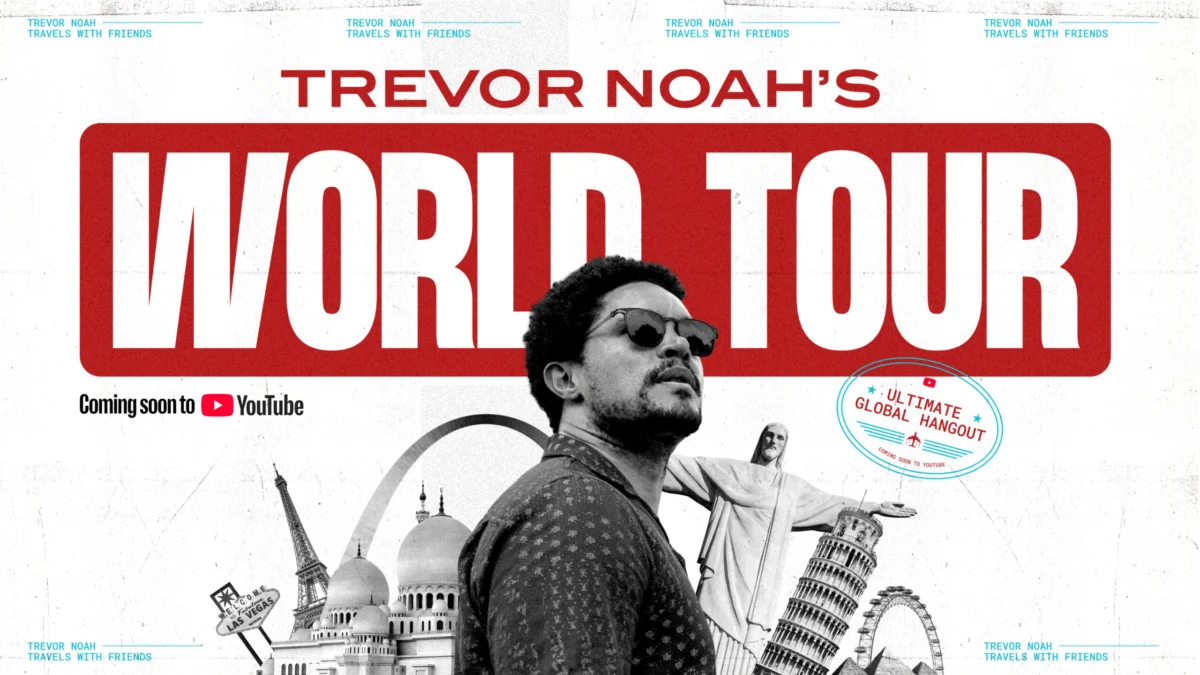
The event also highlighted a growing trend of "already-famous" individuals migrating to YouTube to maintain relevance and control their narratives. Trevor Noah announced Trevor Noah’s World Tour, a digital-first project that will allow him to engage with his global fanbase outside the constraints of a nightly broadcast schedule.
In the realm of sports, former NBA champion Dwyane Wade announced a new season of his show, Fly on the Wall, which provides an intimate look at the lives of high achievers. Perhaps most notably, Manchester City soccer star Erling Haaland revealed plans for a World Cup docuseries and a competition series titled Erling’s Gauntlet, scheduled for a fall release. These announcements illustrate that YouTube is no longer just for "YouTubers"; it is a vital tool for traditional athletes and entertainers who wish to build long-term brand equity and direct-to-consumer relationships.
Supporting Data: YouTube’s Dominance in the Living Room
The shift in YouTube’s strategy is backed by compelling market data. According to Nielsen’s "The Gauge" report, YouTube has consistently ranked as the top streaming service on TV screens in the United States, often surpassing Netflix in total share of viewing time. In early 2024, YouTube accounted for nearly 10% of all television usage, a figure that rivals entire broadcast groups.
Furthermore, Alphabet’s financial reports indicate that YouTube’s advertising revenue continues to grow at a robust pace, reaching $8.09 billion in the first quarter of 2024 alone—a 21% increase year-over-year. This growth is largely driven by "Connected TV" (CTV) viewing. YouTube reports that viewers globally now watch more than 1 billion hours of YouTube content on their TV screens every day. This shift in viewing habits is what allowed Neal Mohan to confidently declare the "YouTube Era," as the platform has successfully conquered the most valuable screen in the household.
Technical Innovations and the Future of Shoppable TV
To capitalize on its dominance of the TV screen, YouTube announced several technological upgrades aimed at making the platform more "shoppable." A primary feature is the integration of "Buy with Google Pay." This tool allows viewers watching on a television to purchase products featured in a video with just two clicks on their remote or mobile device. This reduces the friction between content consumption and e-commerce, a "holy grail" for advertisers who have long struggled to track the direct impact of television commercials.
Additionally, YouTube introduced multimodal video creation tools powered by artificial intelligence. these tools are designed to help creators and brands generate content across various formats—Shorts, long-form, and live streams—more efficiently. An "affiliate boost" program was also announced, aimed at incentivizing creators to drive direct sales through their videos, further cementing YouTube’s role as a full-funnel marketing platform.
Broader Impact and Implications for the Media Industry
The 2024 Brandcast event serves as a stark contrast to the presentations of legacy media companies. While traditional networks like NBCUniversal and Warner Bros. Discovery focused on their respective streaming services (Peacock and Max) and traditional linear lineups, YouTube positioned itself as the inevitable future. The platform’s message was one of confidence and optimism, suggesting that while legacy media is playing "catch-up" with ad tech and digital distribution, YouTube has already secured the loyalty of the next generation of consumers.
The implications for the advertising industry are profound. Media buyers are increasingly shifting budgets away from linear television and toward digital platforms that offer better targeting, measurement, and engagement. YouTube’s move to offer "slates" of content allows advertisers to enjoy the prestige of "TV-like" programming with the precision of digital data.
Moreover, the event highlighted the eroding barrier between "creator" and "celebrity." When creators like Alex Cooper can command the same advertising premiums as network sitcoms, the traditional definitions of "premium content" are permanently altered. The success of Brandcast 2024 suggests that the "YouTube Era" is not a fleeting trend, but a fundamental restructuring of how entertainment is produced, distributed, and monetized.
As the evening concluded with Chappell Roan’s performance, the overarching message was clear: the next generation of consumers has already made their choice. They are not waiting for a scheduled broadcast; they are tuning in to their favorite creators on the world’s largest screen. For advertisers and creators alike, the message from YouTube was simple: the stage is built, the audience is present, and the "YouTube Era" has officially arrived.