The third annual Los Angeles Festival of Movies (LAFM) recently concluded, solidifying its position as a vital cultural institution amidst a dynamic period for the city’s film landscape. Held each spring across diverse venues in the Eastside, LAFM continues to champion independent filmmaking, particularly showcasing works by local talents and those shot within Los Angeles, even as the city grapples with a significant exodus of film production. This year’s iteration underscored a growing trend: while production may be shifting, Los Angeles’s identity as a vibrant hub for film exhibition and cinephile culture is undeniably strengthening.
Los Angeles’s Evolving Film Identity: From Production Hub to Exhibition Epicenter
For over a century, Los Angeles has been synonymous with moviemaking, the undisputed capital where dreams were crafted into cinematic realities. However, recent years have seen a noticeable decline in on-location production within the city, driven by rising costs, competition from states offering more aggressive tax incentives, and the globalized nature of modern filmmaking. Industry reports indicate a consistent downward trend in domestic production days in Los Angeles County over the past decade, prompting concerns about the city’s economic future in the sector.
Paradoxically, this period has coincided with an unprecedented resurgence in moviegoing experiences across the city. The past year alone has witnessed significant developments, signaling a robust and expanding theatrical landscape. The American Cinematheque, a cornerstone of repertory cinema in Los Angeles, announced the acquisition of the historic Village Theater in Westwood, with plans for its grand reopening next year. This expansion adds another prestigious venue to their already impressive portfolio, which includes the Aero Theatre in Santa Monica and the Egyptian Theatre in Hollywood. Further testament to this revitalization came with acclaimed actress Kristen Stewart’s recent purchase of the Highland Theatre, an exciting development for local film enthusiasts and a clear indication of high-profile investment in communal film exhibition. These acquisitions and revitalizations point to a potent counter-narrative: Los Angeles may be transitioning, not away from film entirely, but towards becoming a preeminent "movie-watching capital," fostering a rich ecosystem for film appreciation and critical engagement.
The Genesis and Mission of the Los Angeles Festival of Movies
Against this backdrop, the Los Angeles Festival of Movies has emerged as a crucial platform. Co-founded by Micah Gottlieb and Sarah Winshall, LAFM was conceived to cultivate and celebrate independent cinema, with a particular emphasis on fostering a strong local community. Gottlieb’s year-round Mezzanine film series, which precedes and often feeds into the festival, has already established a dedicated audience of adventurous cinephiles. Winshall, an experienced producer with credits such as By Design and Strawberry Mansion, brings invaluable operational expertise, ensuring a level of smooth execution often elusive for newer festivals.
Their initial vision targeted a core demographic of passionate filmgoers, but the co-founders have expressed surprise at the significant overlap between these cinephiles and the city’s burgeoning independent filmmaking scene. This discovery has profoundly shaped LAFM’s programming, reinforcing its commitment to showcasing films that resonate with, and are often created by, the very community it serves. The festival’s strategic placement across various Eastside venues underscores its grassroots approach, aiming to be accessible and integrated within the diverse cultural fabric of Los Angeles.
Enhancing Accessibility and Fostering Community Engagement
A distinguishing feature of this year’s LAFM was its concerted effort to enhance accessibility and deepen community engagement. Recognizing the challenges faced by many film enthusiasts, particularly parents, the festival forged a partnership with Cinecamp, providing free childcare services during screenings. This initiative allowed a broader demographic of attendees to participate fully in the festival’s offerings, breaking down a common barrier to cultural events.
Beyond the screenings, LAFM introduced a new vendor market, carefully curated to spotlight local partners whose ethos aligns with the festival’s independent spirit. This included Vidéothèque, a beloved Eastside video rental store preserving physical media; Stories, a popular bookstore and café that serves as a literary and community hub; and The Big One, a Los Angeles-based literary magazine. This market not only supported local businesses but also created a vibrant social space, fostering connections among attendees and reinforcing the festival’s commitment to a holistic cultural experience rooted in the local community.
A Curated Slate: Highlighting Innovation and Local Voices
LAFM’s curatorial philosophy prioritizes quality and impact over sheer volume, presenting a manageable yet impactful slate of 11 features, two artist talks, and three shorts blocks. This focused approach allows for deeper engagement with each selected work. The "Animation Today" shorts block, curated by Sean Buckelew, has quickly become a festival highlight. This year’s selections garnered significant attention, notably featuring Don Hertzfeldt’s Paper Trail, a critically acclaimed animated short that arrived at LAFM with awards from both Sundance and SXSW, making its Los Angeles premiere a highly anticipated event.
The festival’s programming strategy is deeply intertwined with its mission to celebrate Los Angeles’s independent film community. Many featured films were either shot in the city or crafted by filmmakers who call LA home, illustrating the continued vitality of local artistic production despite broader industry shifts.

Spotlight on Collaborative Filmmaking: In the Glow of Darkness
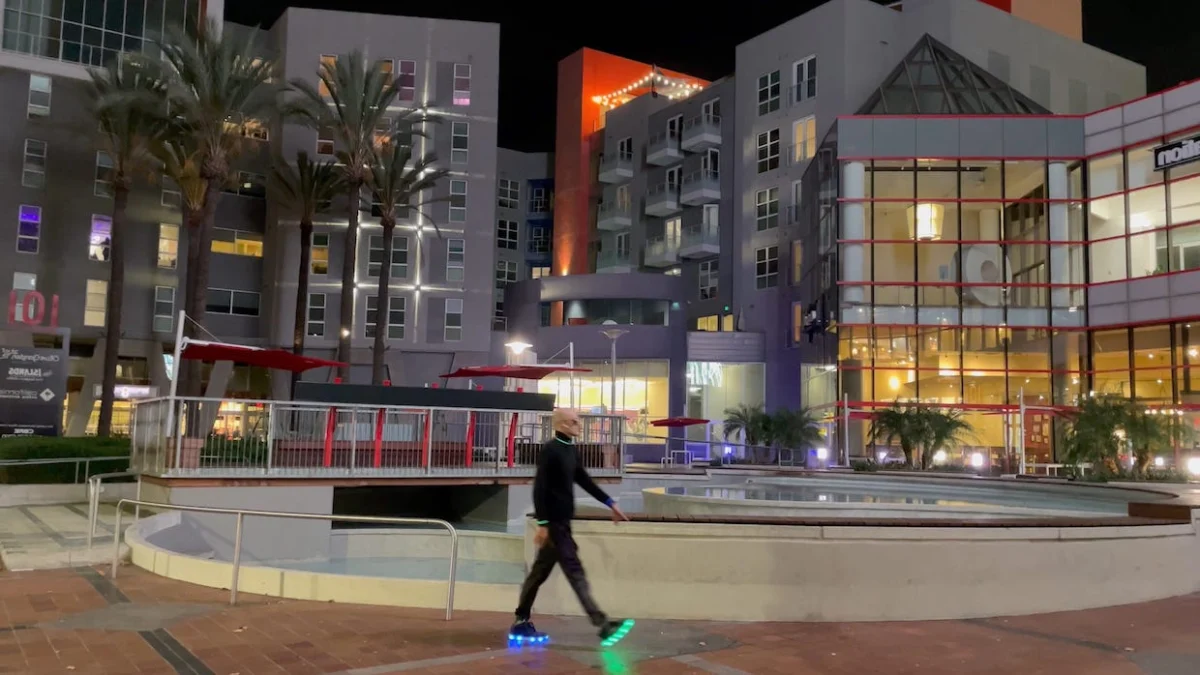
A prime example of LAFM’s dedication to local talent and collaborative spirit was the sold-out screening of In the Glow of Darkness. The film, an ambitious dystopic cyberpunk narrative set in the Los Angeles stand-in "San Zokyo," captivated audiences. Following the screening, writer-director-star Tucker Bennett invited all collaborators who worked on the film to join him onstage for the Q&A, resulting in a long line of individuals stretching across the stage. This powerful visual underscored the deeply interconnected and collaborative nature of LA’s independent film scene.
Many of these collaborators are themselves active filmmakers within the city, frequently working on each other’s projects. Bennett, for instance, co-edited Eugene Kotlyarenko’s The Code and is currently collaborating with Sabrina Greco on Kotlyarenko’s next feature, which filmed in Japan last year. Neal Wynne, In the Glow of Darkness‘s cinematographer, recently completed his sophomore directorial effort, shot entirely within and around Los Angeles. Devon Daniel Green, known for his lo-fi Mid/Evil Times, which has been touring North America, made an appearance in ITGOD as a bartender. The film’s unique setting and collaborative ethos were directly influenced by Bennett and co-writer/composer/producer Chris Corrente’s studies under the legendary George Kuchar at the San Francisco Art Institute, embodying a spirit of collective artistic endeavor.
Exploring Diverse Narratives: From Cults to Coming-of-Age
The festival’s programming showcased a rich tapestry of narratives and artistic styles. Creston Brown, who also appeared in In the Glow of Darkness as an "Apple Store-esque salesman," curated a shorts block dedicated exclusively to films by LA filmmakers. Within this selection, Joey Izzo’s Sundance-premiering documentary Going Sane stood out. The film delves into the fascinating and often unsettling world of a Los Angeles therapy collective whose leadership grew increasingly cult-like, eventually triggering an internal coup. Izzo’s unique approach involves local actors and directors, including Lindsey Normington (Anora), Clay Tatum (The Civil Dead), and Kate Adams (Former Cult Member Hears Music for the First Time), lip-syncing dialogue from archival audio recordings of unseen individuals discussing their experiences. This innovative technique, alongside his previous documentary short You’ve Never Been Completely Honest, has established Izzo as a compelling chronicler of the peculiar cult phenomena that have punctuated 20th-century America.
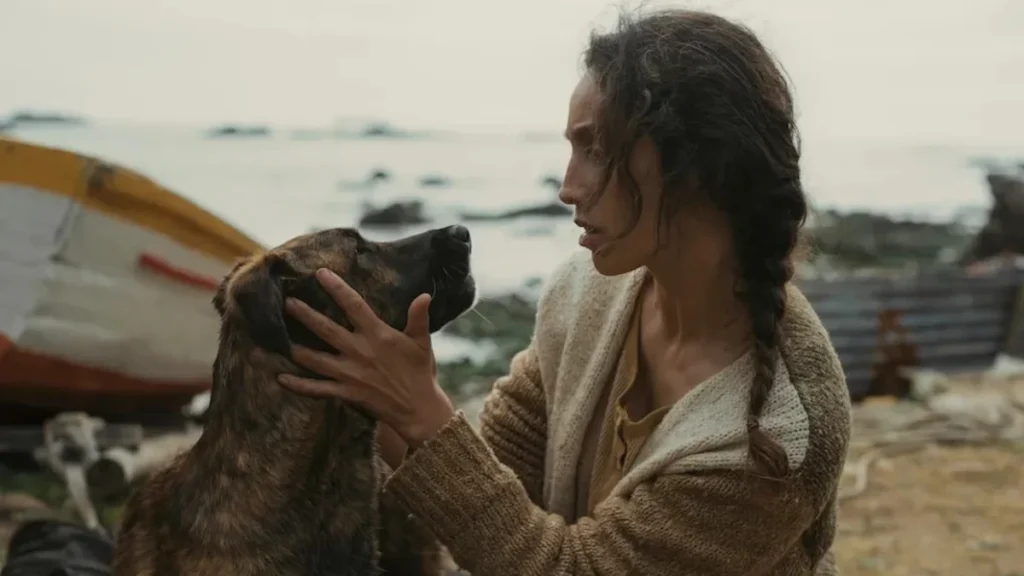
Christine Haroutounian’s feature debut, After Dreaming, offered a deeply poetic and visually stunning experience. The film follows a girl’s journey across rural Armenia, transported by a soldier, a narrative inspired by Haroutounian’s personal discovery of a familial death being hidden from her grandmother. During the Q&A, moderated by filmmaker Courtney Stephens (Invention), Haroutounian discussed the delicate balance of her deliberate pacing, which drew comparisons to the work of Carlos Reygadas (an executive producer on the project), and her evocative staging of bodies, reminiscent of Claire Denis. The haunting rural architecture further evoked a sense of menacing beauty, drawing parallels to Philippe Grandrieux’s Sombre. After Dreaming was lauded by critics and fellow filmmakers alike, with Josephine Decker, who presented a new short in Brown’s block and participated in an artist talk, effusively praising its self-assured artistry throughout the festival.
Frédéric Da’s Isaiah’s Phone continued his innovative exploration of iPhone filmmaking. Da, who previously taught film to high schoolers and made his first feature, Teenage Emotions, with them, deployed a unique diegetic framing device wherein the audience watches the camera roll of a lonely student, Isaiah Brody, recording his daily life. In post-screening Q&As, Da revealed his remote directing process, reviewing clips Brody shot via Dropbox and providing feedback via FaceTime on performance and cinematography. This method highlights a new frontier in collaborative and technologically integrated filmmaking.
The festival also hosted the lone world premiere in the feature category, Avalon Fast and Jillian Frank’s Drinking and Driving. This lo-fi feature, co-directed by the pair who grew up together outside Vancouver, presented a raw and honest depiction of partying in the no-man’s-land of western Canada, soundtracked by SoundCloud rap. Critics drew comparisons to the early works of Larry Clark and Harmony Korine, as well as documentaries like Cusp and Seventeen for its authentic portrayal of self-destructive behavior driven by boredom and limited economic opportunities. Its fictionalized narrative offered a particularly impressive depth in exploring these challenging themes.
A Critical Closing and the Pursuit of Vitality
The festival concluded with Sophy Romvari’s feature debut, Blue Heron, screened at Vidiots in Eagle Rock. The film delves into complicated childhood memories surrounding her troubled teenage brother, a theme Romvari has explored in a series of accomplished short films. While the feature demonstrated an undeniable clarity of vision in rendering this deeply personal period, some critical discussions emerged regarding its aesthetic approach. Romvari’s insistence on a supreme level of control over every element, from camera movement to color grade, while yielding an undeniably precise film, led some observers to suggest it occasionally sacrificed spontaneity for meticulous calculation. This observation resonated with historical perspectives on filmmaking, where pre-digital color-timing, for instance, produced an inherent "vitality" within the frame due to its imperfect, scene-by-scene process, contrasting with the shot-by-shot exactitude enabled by modern digital post-production. The discussion highlighted a broader dialogue within independent cinema about the balance between authorial control and the embrace of contingency that can imbue a film with a unique "spark of life." This sentiment was further underscored by a subsequent screening of Pete Ohs’s Erupcja, a film lauded for its collaborative process of finding character and narrative with actors on location, embracing the kind of spontaneity that some felt was less present in Blue Heron.
LAFM’s Ascending Influence and Future Outlook
For co-founders Gottlieb and Winshall, a key metric of a festival’s success, distinguishing it from a mere screening series, is its ability to attract patrons from outside the immediate city. In this regard, LAFM has demonstrated consistent growth, drawing an increasing number of filmmakers, programmers, and distributors who now make it a point to travel to Los Angeles each spring. Notable attendees this year included New/Next founder Eric Allen Hatch and Factory 25 head Matt Grady, among others. This expanding external interest elevates LAFM beyond a local gathering, transforming it into a significant event on the national independent film circuit.
While this year’s programming might have featured fewer high-profile titles compared to previous selections like I Saw the TV Glow or Friendship, this shift appears to be a deliberate evolution in LAFM’s identity. The increased focus on local filmmakers, coupled with a curated balance of traditional arthouse fare and experimental works that actively challenge and reframe cinematic forms, suggests a festival that is confidently pinpointing its unique niche. The Los Angeles Festival of Movies is not merely showcasing films; it is actively nurturing a vibrant independent film community, fostering critical dialogue, and playing an increasingly pivotal role in shaping Los Angeles’s identity as a dynamic and indispensable center for film appreciation and independent artistic innovation.