Narrative Premise and Character Dynamics
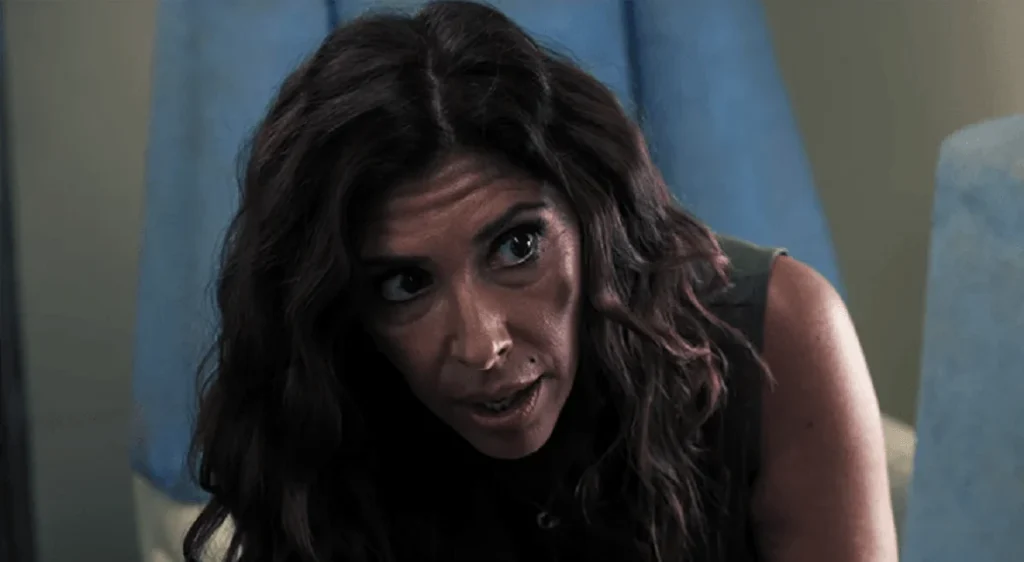
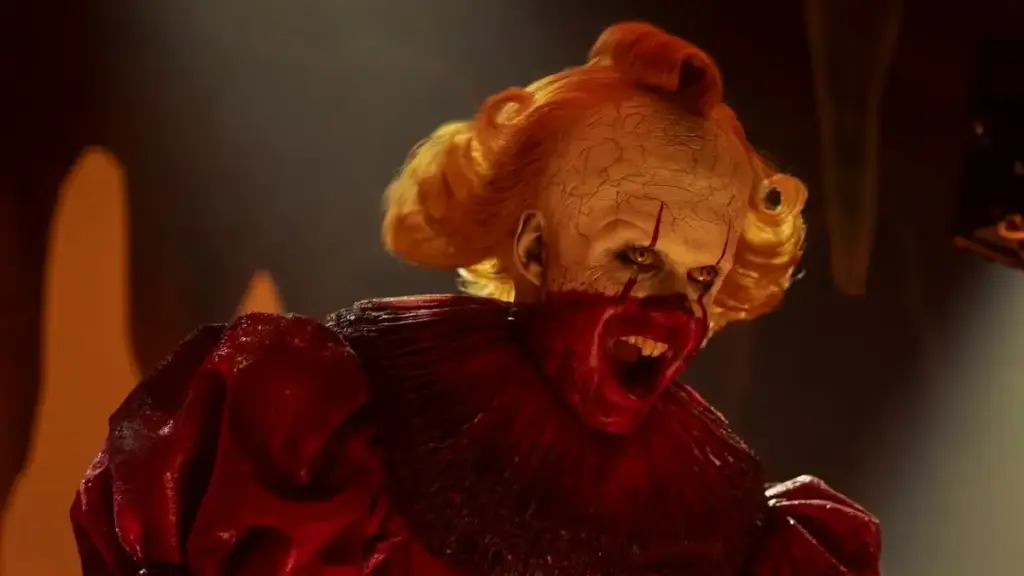
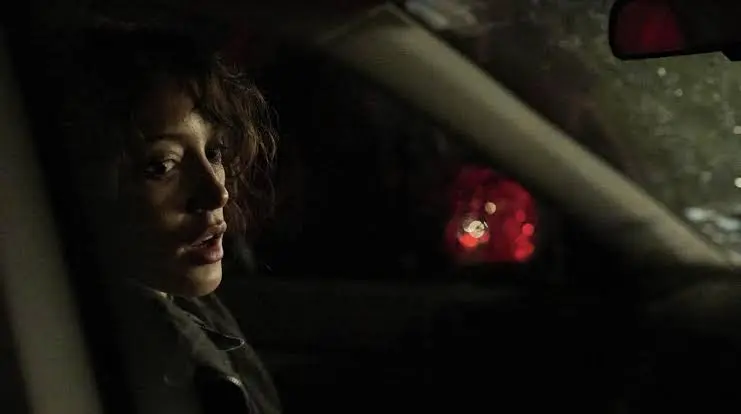
The story follows Zoe, an aspiring actress based in Los Angeles, whose return to her small hometown in Australia initiates a series of violent events. The film utilizes a "slasher-mystery" framework, centering on a masked antagonist—referred to in the narrative as the "Prince Charming Killer"—who systematically targets individuals from Zoe’s romantic past. The moniker is derived from the killer’s resemblance to a local car dealership’s mascot, serving as a chilling juxtaposition to the brutal nature of the crimes.
Central to the film’s development is the subversion of the "final girl" trope. While surrounding characters, including her best friend portrayed by Saphira Moran, attempt to stigmatize Zoe for her extensive dating history, the screenplay explicitly frames the killer’s pathology—rather than the protagonist’s choices—as the primary conflict. This narrative choice shifts the tension away from traditional moral judgment and toward an exploration of the destructive nature of possessive fixation.
Production Context and Genre Analysis
In the broader context of the 2026 film industry, the slasher subgenre has faced a period of stagnation, characterized by a reliance on established formulas. The Only One is positioned as a corrective to this trend, prioritizing narrative structure and thematic depth over the high-gore aesthetics that dominated the mid-2010s.
Industry analysts have noted that the film bears thematic similarities to recent genre contributions such as Curry Barker’s Obsession. However, The Only One distinguishes itself through a more conventional narrative arc and a deliberate attempt to analyze the roots of obsession. By focusing on a "revolving door" of former partners, the film creates an episodic structure that maintains momentum. The performance of Ben O’Toole, who plays a local police officer entangled in the narrative, is cited by critics as a focal point for the film’s critique of toxic male archetypes, as his character frequently shifts from professional inquiry to personal resentment.
Technical Execution and Stylistic Choices
The cinematography and directorial approach by Michael Schwarz favor a restrained visual language. Unlike contemporary horror films that lean heavily into graphic dismemberment, The Only One emphasizes suspense, character interaction, and environmental storytelling. This approach aligns the film with the 2009 stylistic sensibilities of Sorority Row, where attitude and interpersonal tension take precedence over excessive bloodshed.
The soundtrack, which incorporates tracks such as REO Speedwagon’s classic rock staples, serves to ground the film in a nostalgic aesthetic, providing a tonal contrast to the darker elements of the story. While the film features a notable sequence of practical effects during its climax, the overall level of on-screen violence is kept within a moderate, "made-for-TV" range. This restraint is a deliberate creative decision intended to favor the psychological mystery over shock value.
Chronology of the Slasher Revival
The evolution of the slasher film in the 2020s has been marked by several distinct phases:

- 2020–2022: A period defined by "legacy sequels" and high-budget studio reboots.
- 2023–2024: An influx of independent, experimental slashers that sought to deconstruct the genre’s relationship with technology and social media.
- 2025–2026: A transition toward character-driven narratives that utilize the slasher template to explore trauma, obsession, and social stigma.
The Only One occupies the latter category, suggesting a market shift where audiences are increasingly responsive to films that utilize established genre mechanics to comment on contemporary social issues.
Broader Industry Implications
The success of The Only One is not merely measured by its box office performance but by its impact on the critical discourse surrounding horror cinema. By proving that a slasher can be effective without relying on extreme gore, the film provides a blueprint for independent filmmakers seeking to produce high-quality genre content on moderate budgets.
However, the film’s reception also highlights a lingering tension within the horror community. While some viewers appreciate the departure from gratuitous violence, others argue that the "slasher" label necessitates a certain level of visceral spectacle. The film’s inability to fully ignite a "slasher renaissance" suggests that the genre may be caught between two audiences: those who want a return to the roots of the 1980s, and those who demand a complete departure from the genre’s origins.
Official Reception and Critical Consensus
Critically, The Only One has been recognized for its technical prowess and the strength of its lead performance by Mel Jarnson. The writing team of Pedler and Polgar has been credited with crafting a mystery that remains compelling even when the pacing fluctuates. The film’s ability to turn a "dated formula" into a modern exploration of agency is its most significant achievement.
While the film does not necessarily replace the classics of the genre, it serves as a functional and stylish reminder that the slasher format remains a versatile vessel for storytelling. The integration of thematic elements—such as the critique of victim-blaming and the study of obsessive possessiveness—elevates the work beyond a simple series of homicides.
Conclusion: The Future of the Formula
As the film industry moves forward, The Only One stands as a case study in how to respect the lineage of a genre while simultaneously evolving it. The filmmakers’ decision to avoid overt cynicism and instead lean into the tension of the "whodunnit" structure allows the film to resonate with both horror purists and those who prefer a more narrative-heavy experience.
Ultimately, The Only One suggests that the vitality of the slasher genre does not lie in its capacity for reinvention through excessive violence, but through the ability to adapt its core tropes to the anxieties of the present day. Whether this leads to a broader trend of "restrained" slashers remains to be seen, but the film provides a compelling argument that with a clear vision and a strong lead, the tropes of the past can indeed find a meaningful place in the modern cinematic landscape. The project serves as a testament to the fact that, regardless of the era, the fundamental ingredients of a compelling thriller—mystery, suspense, and well-developed characters—remain the most potent tools for any director.