Toshiaki Toyoda has been a singular and provocative voice in Japanese cinema since his 1999 debut, Pornostar. Acknowledged internationally for films like Blue Spring, Hanging Garden, and 9 Souls, his work consistently screens at festivals worldwide, captivating audiences with its raw energy and uncompromising vision. Yet, despite his critical acclaim and devoted following, a surprising lack of extensive academic or critical literature surrounds Toyoda, a puzzling omission given his profound impact on contemporary Japanese filmmaking.
Toyoda stands as one of Japan’s most vital active directors, whose expansive filmography delves into the socio-economic anxieties of a nation in flux. His early works dissect the fallout from Japan’s bursting bubble economy and the ensuing disillusionment of its youth, exploring themes of social exclusion and its violent consequences. More recently, his films have tackled pressing contemporary issues, including the political handling of the COVID-19 pandemic, the insidious nature of capitalism, and the pervasive spiritual vacuum defining modern existence. His cinema defies easy categorization; it is a potent blend of anger and compassion, punk rock rebellion and profound spirituality, musicality and confrontational honesty.
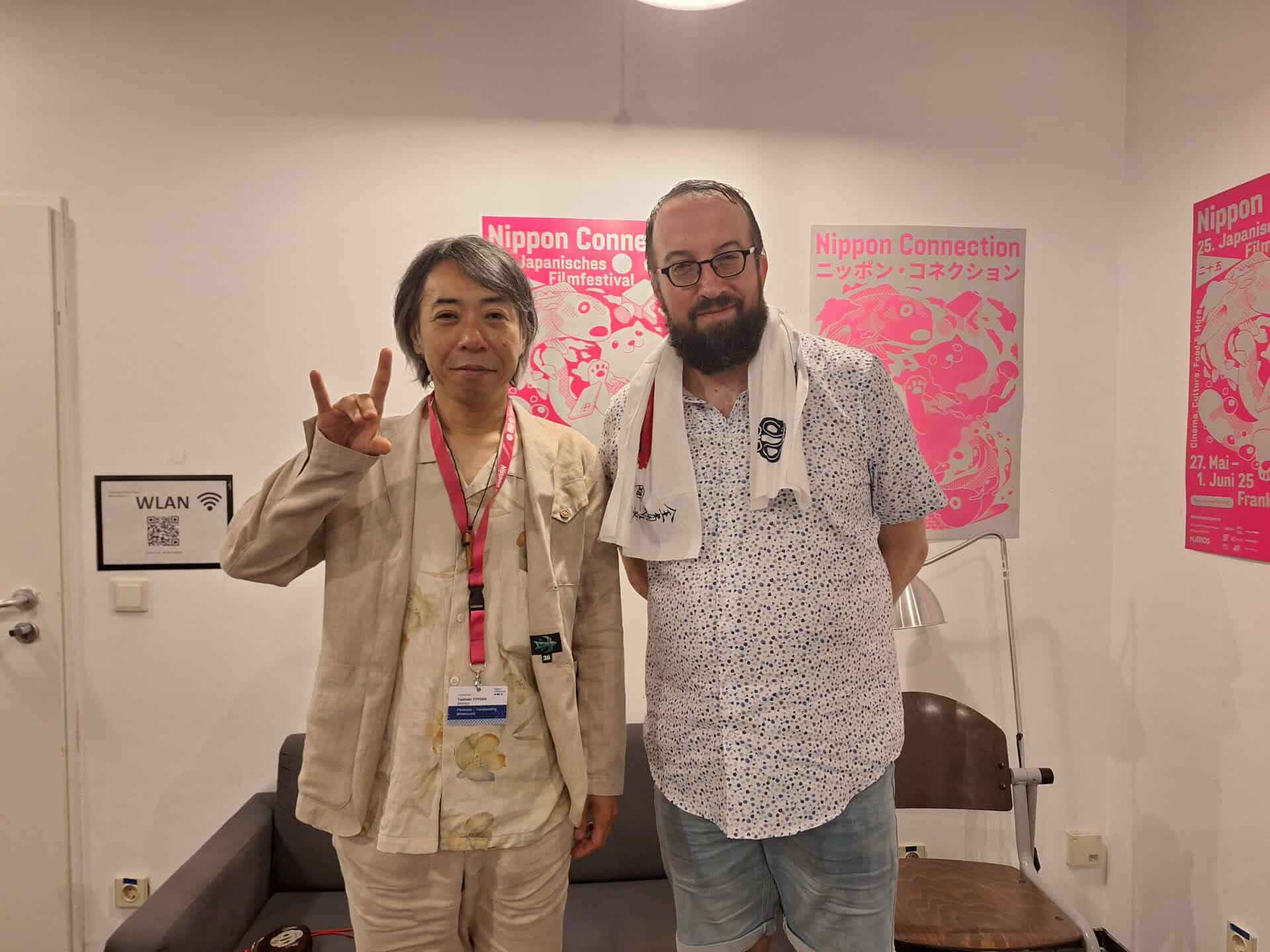
The Genesis of a Guerilla Voice: Early Works and the Punk Ethos
Toyoda’s early filmography, particularly his initial features, is deeply rooted in the punk movement’s ethos. This influence transcends mere soundtrack choices, permeating the very content and style of his narratives. He masterfully deconstructs established genres—the yakuza film, the prison-break drama, the family drama, the biopic, the documentary, the spiritual allegory—infusing them with disparate ideas and striking imagery to articulate how societal constructs erode human relationships. While a cynical undercurrent often runs through his work, it is invariably tempered by a profound compassion for his characters. Whether depicting a boxer striving for a new life or a lost generation devoid of purpose, Toyoda consistently champions the underdogs, the outsiders, and those marginalized by society. Reflecting on this empathetic stance, the director once stated, "Because I cannot fit into societal norms and am a misfit myself. People who can fit into this society seem strange to me."
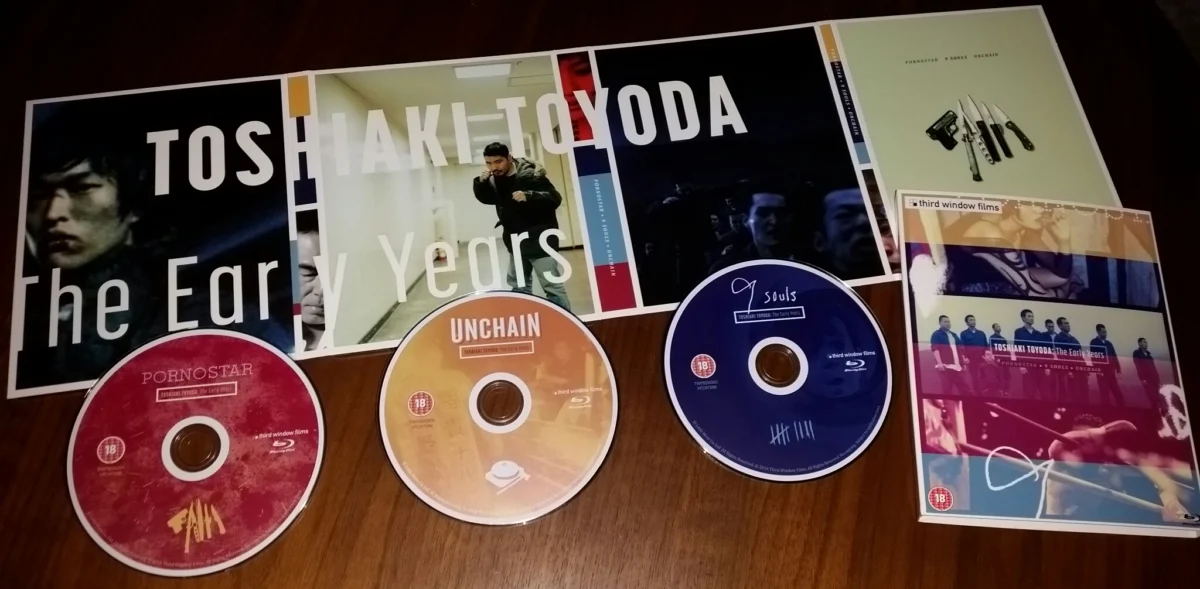
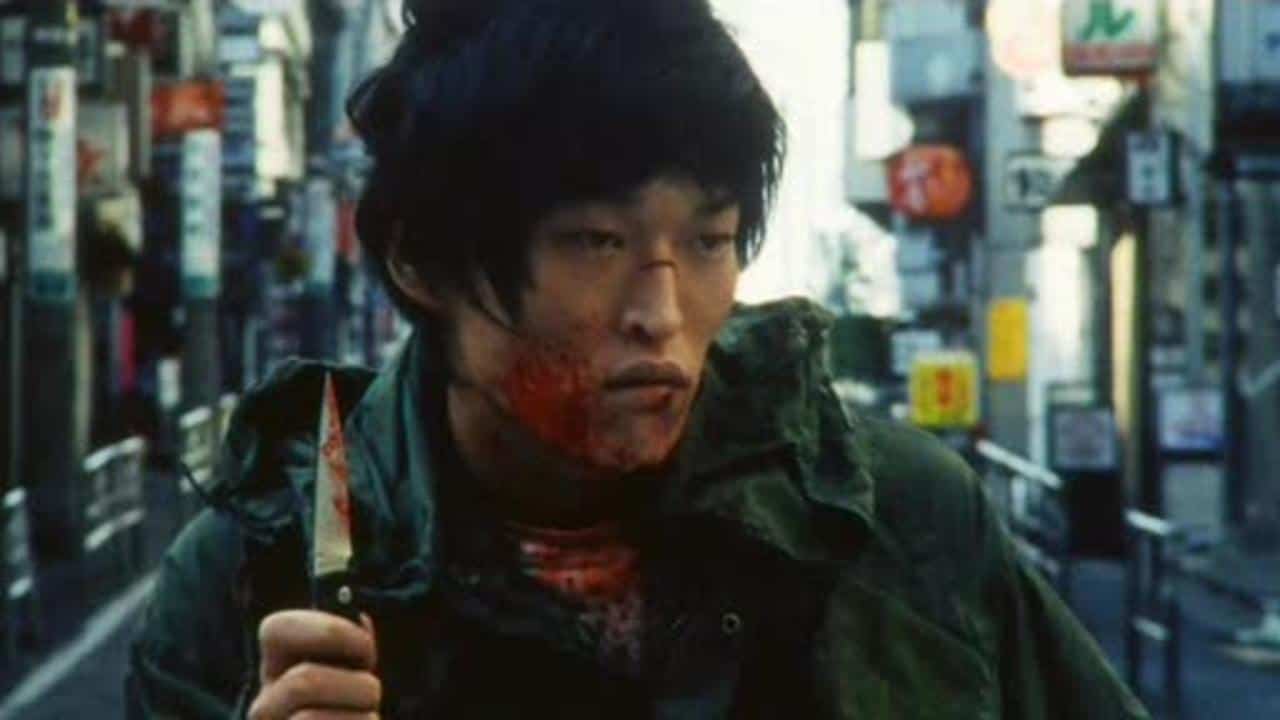
Pornostar (1999) introduced Toyoda as a true guerilla filmmaker, capturing the crime-ridden Shibuya of the 1990s with visceral immediacy. The film opens with Arano, a mysterious, almost catatonic young man, navigating the bustling streets, bumping into passersby in a scene reminiscent of The Verve’s "Bittersweet Symphony" music video, but imbued with a more aggressive edge. He encounters Kamijo, a club-owner entangled with the yakuza. Arano’s innate ferocity and unexplained penchant for violence against the yakuza quickly integrate him into Kamijo’s crew, though their relationship remains fraught. Toyoda plunges viewers into a world where violence is endemic, a seemingly perfect fit for Arano’s primal rage, yet the character appears to derive no joy from his circumstances, driven solely by an inscrutable purpose. The film’s low budget is belied by Norimichi Kasamatsu’s evocative cinematography, capturing Shibuya’s decaying, moody atmosphere and the motley interiors of its clubs and bars. Toshihide Hukano’s dynamic editing, rapidly shifting perspectives, amplifies the brutality of the action sequences, making Pornostar an electrifying, albeit imperfect, debut. Toyoda himself recalls the contentious production, where crew members questioned his unconventional decisions. His resolve to shoot a crane scene in Shibuya, despite crew resistance, marked a pivotal moment, affirming his artistic autonomy.
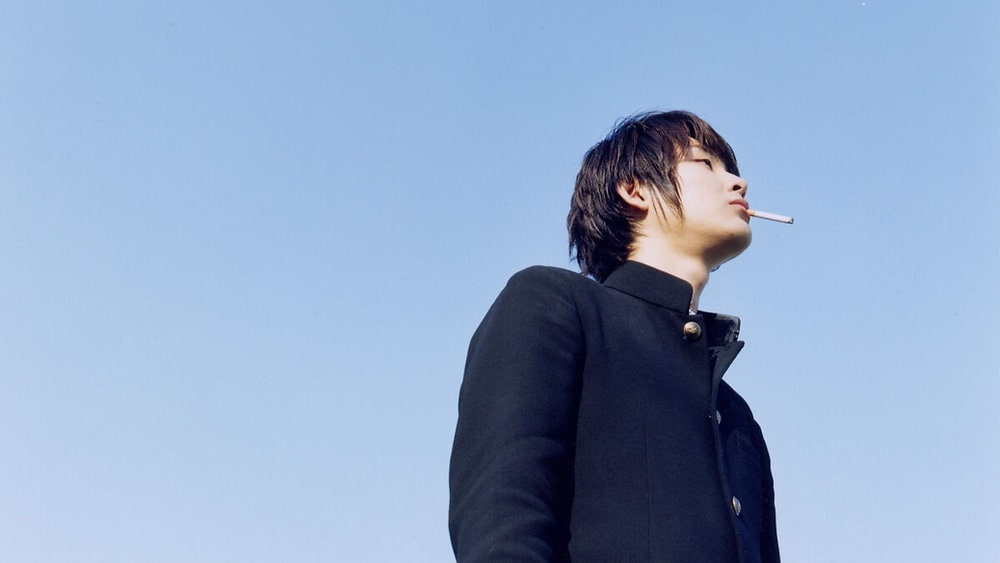
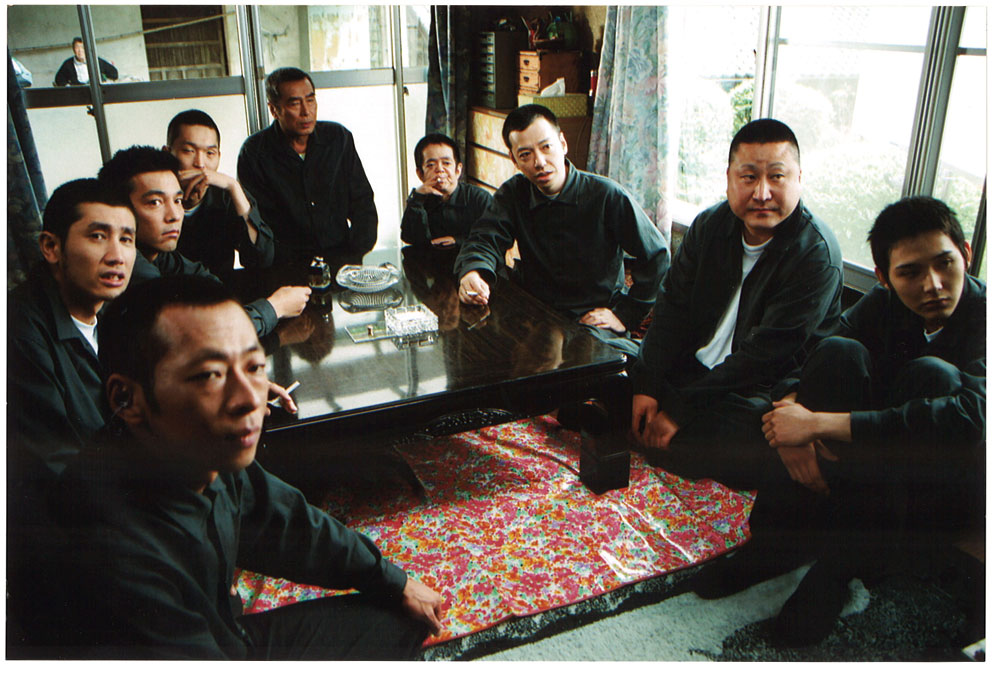
This punk spirit reached its zenith with Blue Spring (2001), widely regarded as one of Toyoda’s finest works. Adapted from Matsumoto Taiyo’s autobiographical manga, the film is set in a dilapidated boys’ high school populated by delinquents and lost causes. Kujo, the protagonist, assumes leadership of a seven-member senior gang through a perilous clapping game, initially embracing his role with violent authority before succumbing to a profound boredom that infects all aspects of his life. Toyoda’s portrayal of adolescent life is extreme, depicting characters who are not merely "losers" but profoundly hopeless, their futures bleak and acknowledged by everyone around them, including absent parents and indifferent teachers. The clapping game, where victory signifies the least regard for one’s own life, serves as a stark symbol of their desperate search for meaning. The film acts as a sociopolitical commentary, its primitive school hierarchy mirroring totalitarian regimes. Norimichi Kasamatsu’s bleak cinematography, Mototaka Kusakabe’s dynamic editing, and Thee Michelle Gun Elephant’s exceptional rock/punk soundtrack coalesce to create a visceral, guerilla aesthetic. Ryuhei Matsuda delivers an exceptional performance as the indifferent Kujo, contrasted by Hirofumi Arai’s eager Aoki, setting the stage for their inevitable conflict.
Beyond the Streets: Social Critique, Compassion, and Expanding Narratives
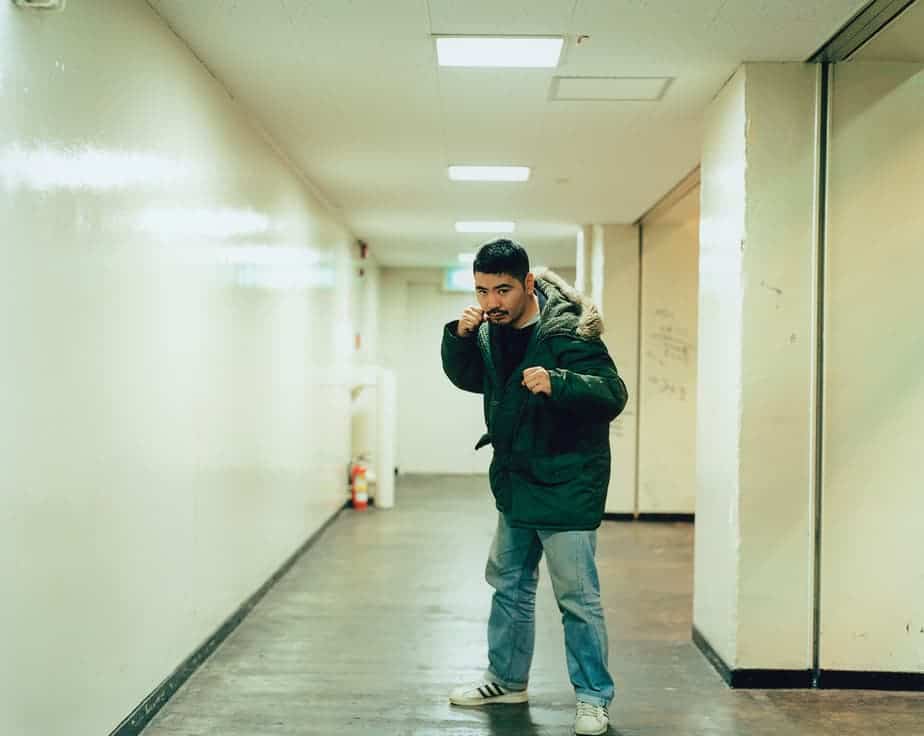
Toyoda broadened his thematic scope with Unchain (2001), a documentary that subverts conventional underdog narratives. Instead of chronicling triumph, Toyoda focuses on "Unchain" Kaji, a boxer whose life is a relentless downward spiral. Abandoned as an infant, raised by an uncle he later learned was not his father, Kaji pursues boxing, retiring with a record of eight losses and one draw due to severe eye damage. Toyoda follows Kaji and his friends for four years, documenting their unceasing struggles. Kaji’s life embodies the director’s assertion that "failure is not merely a dramatic device, but a condition of existence, a way through which characters reveal their dignity, anger, stubbornness, and humanity." The recurring theme of a Japanese remix of Ray Charles’ "Unchain My Heart" underscores the film’s melancholic yet resilient spirit.
9 Souls (2003) further exemplifies Toyoda’s narrative maturation. Departing from the two-protagonist focus of Pornostar, this film features an ensemble cast of nine escaped convicts, each with distinct personalities and backstories, united in their search for a hidden money stash. Beginning as a surreal, absurd comedy (highlighted by scenes with sheep and a remote strip club), the film gradually transitions into a darker drama. The camaraderie formed in prison is tested by societal prejudices, which deny the escapees any chance of rehabilitation. Toyoda paints a bleak portrait of a Japan where dreams are extinguished, its anonymous cities and grey countryside serving as an inescapable extension of their prison. DP Junichi Fujisawa skillfully brings Toyoda’s surreal visions to life, while Mototaka Kusakabe’s editing maintains a brisk pace, ensuring clarity amidst multiple narratives. The ensemble cast’s chemistry is remarkable, contributing to what many consider a masterpiece—a human drama offering themes of forgiveness and redemption within a dark, disillusioned worldview, perhaps influenced by Toyoda’s own experiences with the justice system.
In Hanging Garden (2005), Toyoda tackles the family drama with an extreme approach, adapting Mitsuyo Kakuta’s novel. The Kyobashi family ostensibly practices radical honesty, committing to no secrets. However, this facade crumbles as the script delves deeper, revealing a web of infidelity, sexual confusion, truancy, and suppressed depression beneath their forced smiles. Toyoda uses this narrative to explore the extremes of sincerity and hypocrisy, critiquing the inherent dysfunction of contemporary Japanese metropolitan families. Junichi Fujisawa’s cinematography and Mitsuo Harada’s production design create a visually striking film, punctuated by Toyoda’s signature odd camera angles and surreal moments, such as a rain of blood. This film, while not light, offers a meaningful and entertaining commentary on societal facades.
A Spiritual Awakening and Confrontation with Systemic Flaws
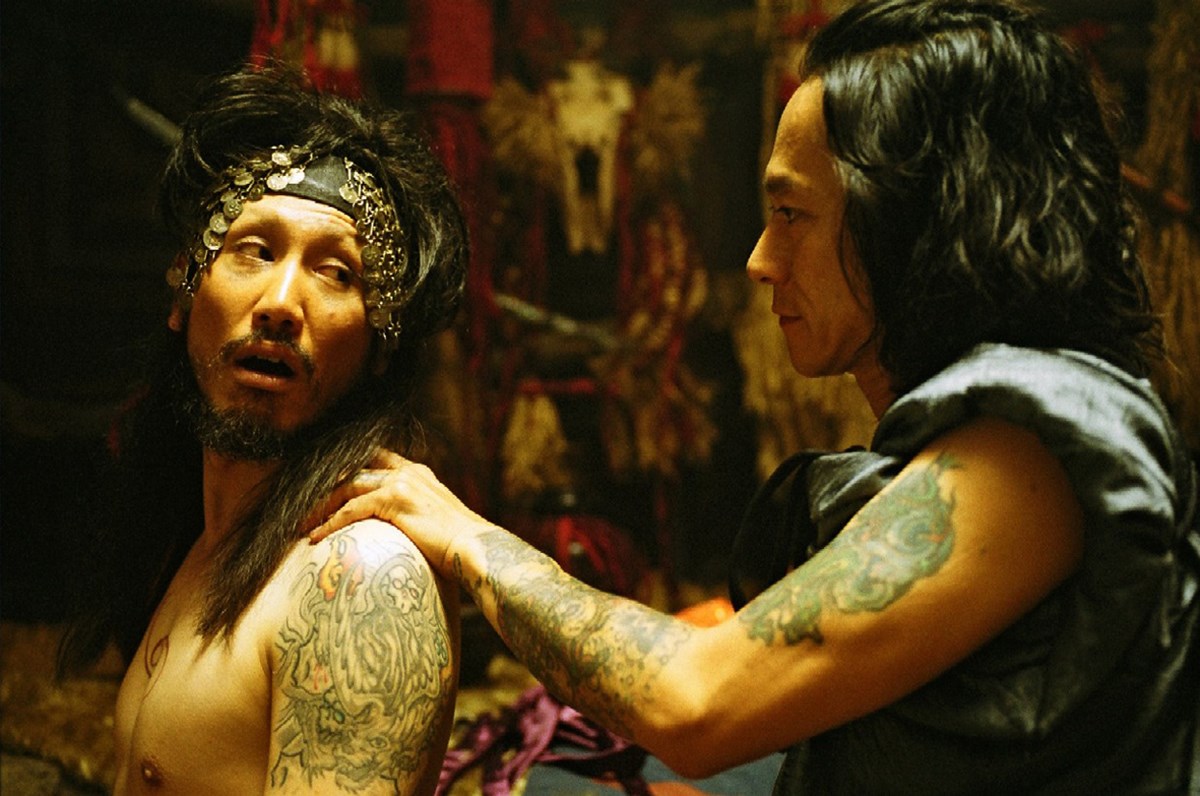
Following a four-year hiatus triggered by a 2005 arrest, Toyoda returned in 2009 with Blood of Rebirth, a deeply personal and artistic statement. Shot under low-budget conditions in just ten days, this punk-infused spiritual allegory adapts the classic joruri tale of Oguri Hangan. Starring BLANKEY JET CITY drummer Tatsuya Nakamura, the film marks a distinct shift towards the spiritual themes that would define his later works. Set in a mythic pre-human world, it follows Oguri, a blind masseur who incurs a tyrannical king’s wrath and is executed. His journey through the underworld and impaired return to the mortal realm is less a conventional narrative and more a sensory, ritualistic experience, merging historical fantasy with avant-garde aesthetics. The intense use of music and minimal dialogue reinforce its music video-like quality. Blood of Rebirth, with its fragmented narrative and emphasis on mood over plot, challenges viewers but rewards them with undeniable beauty, ritualistic violence, and a unique blend of tragedy and Toyoda’s distinctive humor. It served as a powerful comeback and a declaration of a new cinematic style, foreshadowing films like The Day of Destruction and Transcending Dimensions.
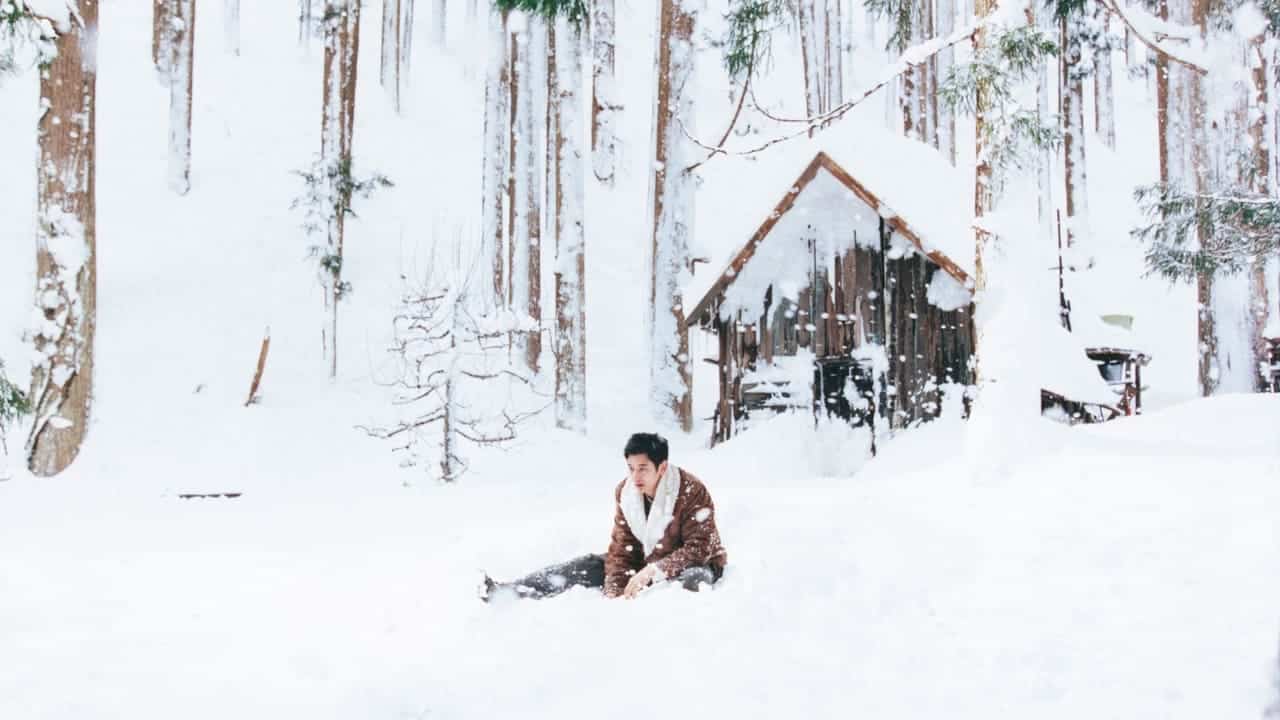
Monsters Club (2012) draws inspiration from the Unabomber’s story, exploring the troubled mind of Ryoichi, an isolated individual living in snow-covered mountains, sending mail bombs to corporate CEOs. While not romanticizing his actions, Toyoda seeks to understand the profound loss of humanity that can lead to such nihilism. The film is a testament to his ability to humanize difficult characters, making an otherwise irredeemable figure sympathetic. Eita Nagayama delivers a powerful performance as Ryoichi, embodying a whirlwind of complex emotions. Japanese visual artist Pyupiru’s portrayal of the older brother’s ghost adds an ominous, unique dimension, reflecting Ryoichi’s struggle with identity. The slow pace, expansive snowy landscapes, and desolate sound design emphasize Ryoichi’s profound solitude. Though often considered one of Toyoda’s less celebrated works due to its meditative rhythm, its nuanced portrayal of all-encompassing depression makes it an accomplished and essential viewing experience.
In I’m Flash! (2012), Toyoda examines the intersection of cults and capitalism, questioning the nature of belief in the face of catastrophe. The film follows three bodyguards hired to protect Rui, a capricious cult leader. After a fatal accident, Rui’s charismatic facade crumbles, revealing the spiritual emptiness beneath his luxurious, gold-caged existence. Through Tatsuya Fujiwara’s performance and Shigemori Toyotaro’s cinematography, Toyoda captures Rui’s profound disillusionment. This feature continues Toyoda’s critique of authority, shifting focus to how capitalism operates under the guise of religion. The film is a compelling blend of drama and satire, its acidic portrayal of belief in a superficial, capitalist system leaving a lasting impression.
Challenging the System: Blockbusters, Biopics, and the "Resurrection Trilogy"
Even when stepping into commercial territory, Toyoda’s thematic preoccupations remain consistent. Crows Explode (2014), taking over from Takashi Miike’s popular Crows series, presented a significant challenge within a massive marketing system. Despite the new cast and difficult production, Toyoda found common ground with the young actors. The film, while perhaps less personal, aligns with his broader universe, exploring hierarchy, youth violence, loyalty, boredom, charisma, and the systems that shape young men—themes evident from Blue Spring to Pornostar and 9 Souls. Even within a commercial framework, Toyoda’s interest gravitates towards outsiders, violent codes, and the rituals of male self-definition.
The Miracle of Crybaby Shottan (2018) offers a heartwarming counterpoint, a biopic about Shoji Segawa, a professional shogi player who defied the game’s traditional rules. As a former shogi player himself, Toyoda found Segawa’s story deeply resonant, particularly the theme of failure. The film, structured in four parts, explores the impact of failure—leading to despair or renewed effort and hope. Ryuhei Matsuda delivers a strong performance as Segawa, anchoring the dramatic aspects. Norimichi Kasamatsu’s cinematography and Toyoda’s direction make the game of shogi captivating even for novices, highlighting the mechanics and intense psychological battles. This film brings viewers back to the roots of mainstream cinema, offering a captivating story told with simple yet effective artistry.
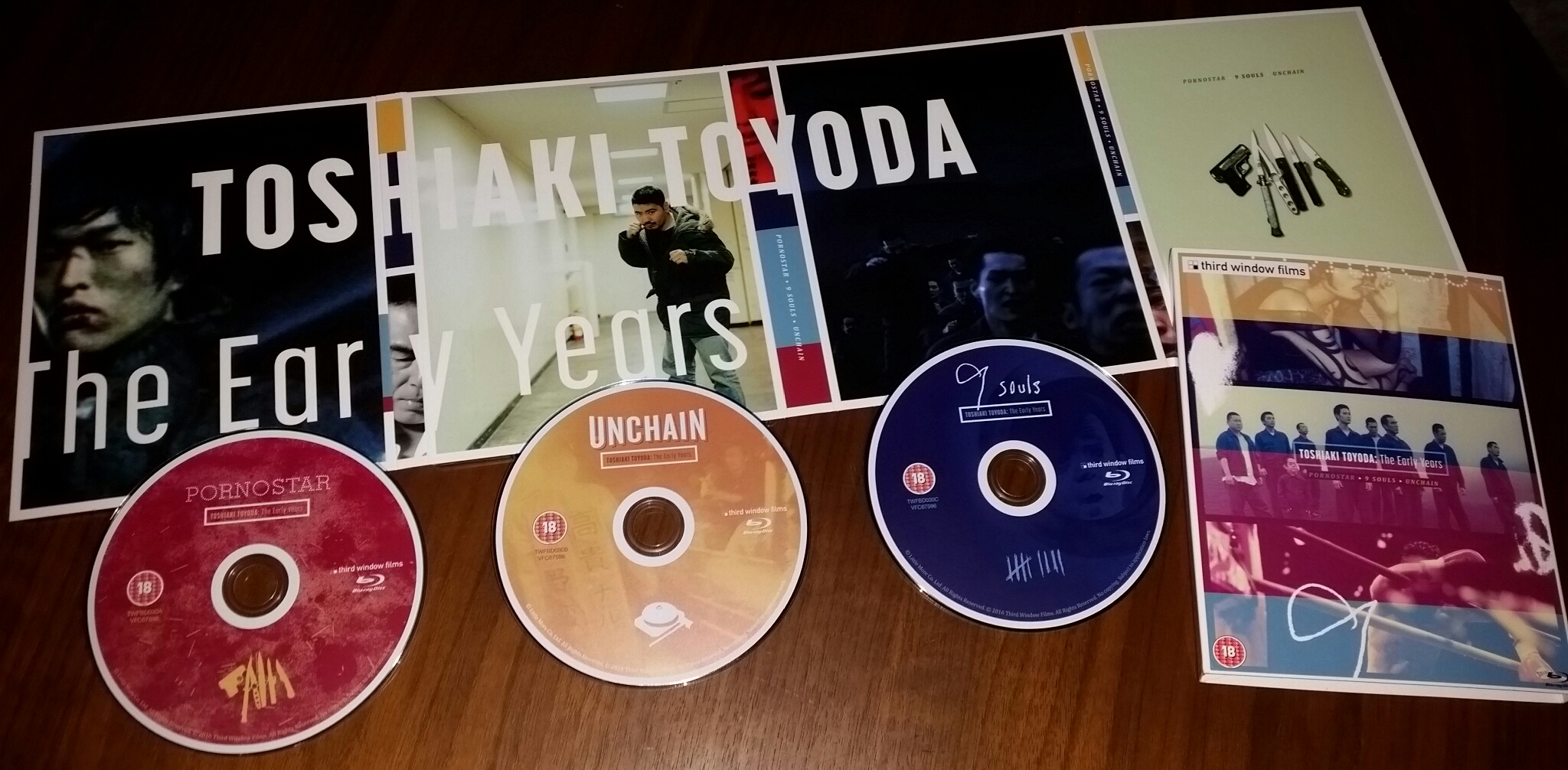
In 2019, another arrest—this time for unlawful possession of a familial keepsake handgun—catalyzed a new artistic phase for Toyoda. This experience inspired Wolf’s Calling (2019), a 17-minute period drama that marked the beginning of his "Resurrection Trilogy." The film, produced independently, features a familiar Toyoda cast (Kiyohiko Shibukawa, Ryuhei Matsuda, Tadanobu Asano) and is a pure concept of sound and sight, with minimal dialogue and a condensed soundtrack driving its narrative of tension and anticipation. The iconic post-credits scene of a samurai on a modern Tokyo skyscraper perfectly blends tradition and modernity.
This trilogy continued with The Day of Destruction (2020), an audiovisual explosion born from Toyoda’s raw anger—at his treatment by police, the greed surrounding the Tokyo Olympic Games, capitalism, and the government’s pandemic response. The narrative is a delirious mix of timelines, events, and protagonists, opening in black and white around an abandoned mine. Toyoda’s criticism of capitalism and the Olympics is blatant, as is his skepticism towards religion’s ability to offer solace. His anger is transformed into image, rhythm, ritual, music, and blood, propelled by Kenji Maki’s exceptional cinematography and a masterclass soundtrack featuring Gezan, Mars89, Seppuku Pistols, and Toshiyuki Terui.
The trilogy culminated with Go Seppuku Yourselves (2021), a satirical audiovisual extravaganza targeting the samurai system, Bushido, and politicians. The film serves as a palpable metaphor for the contemporary Japanese government’s pandemic handling, depicted with intense irony. Yosuke Kubozuka delivers an impressive performance as Raikan, whose final speech derides Bushido as boring and mocks corrupt magistrates. Kiyohiko Shibukawa, as Danbe, commands the screen with his silent, powerful presence. Kenji Maki’s cinematography and the film’s ritualistic aesthetics make it an ideal, potent conclusion to the "Resurrection Trilogy."
Experimental Visions and the Human Soul
Concurrent with his politically charged works, Toyoda also explored experimental cinema focused on the connection between image and music. The Planetist (2019) documents his four years spent on the Ogasawara Islands, a UNESCO World Heritage Site, with "Tarzan of the Sea" Noritsugu Miyagawa. This naturalistic documentary highlights the islands’ beauty and the healing power of nature, particularly through the segment featuring Goma, an artist recovering from head trauma, who creates music to communicate with the environment and find solace. The film’s aesthetics lean heavily into music video territory, an approach reinforced by performances from Tatsuya Nakamura and Kazuhide Yamaji. Toyoda’s camera captures breathtaking natural imagery, offering a meditative audiovisual experience.
Shiver (2022) continues this experimental path, presenting a series of vignettes that impressively combine image and sound, focusing on tradition, nature (especially water), and the human body’s connection to percussion instruments. Toyoda meticulously explores the formation of music from vibration to rhythm, utilizing Koshiro Hino’s music and the Taiko sounds of Kodo. Kenji Maki’s cinematography brilliantly captures this intricate interplay, creating a unique and imposing experience that transcends a mere music documentary.
Toyoda’s latest film, Transcending Dimensions (2023), merges science fiction and crime, breathing new life into his "Mt. Resurrection Wolf" series. Inspired by his personal practices of Tai Chi, Shugendo, and discussions with a physicist, the film follows a hitman chasing a mysterious ascetic, encountering mystical power and spacetime. Kenji Maki’s cinematography and Masaki Murakami’s editing create a psychedelic journey through Toyoda’s typical tools, supported by a powerful soundtrack. While the cryptic narration can be challenging, the film’s appeal lies in its fusion of its predecessors’ formulas into a full-length transdimensional encounter. As Toyoda himself states, Transcending Dimensions is fundamentally "a movie about the human soul," a statement that, in context, could encapsulate his entire career.
The Enduring Cinema of Misfits, Anger, Music, and Faith
Several consistent patterns define Toyoda’s compelling cinema. Foremost is his enduring attraction to society’s outcasts: the losing boxer, the violent drifter, the hopeless student, the escaped convict, the dysfunctional family member, the cult leader, the terrorist, the monk, the samurai, the musician, the ascetic. These protagonists rarely conform, a deliberate choice mirroring the director’s self-identification as a misfit.
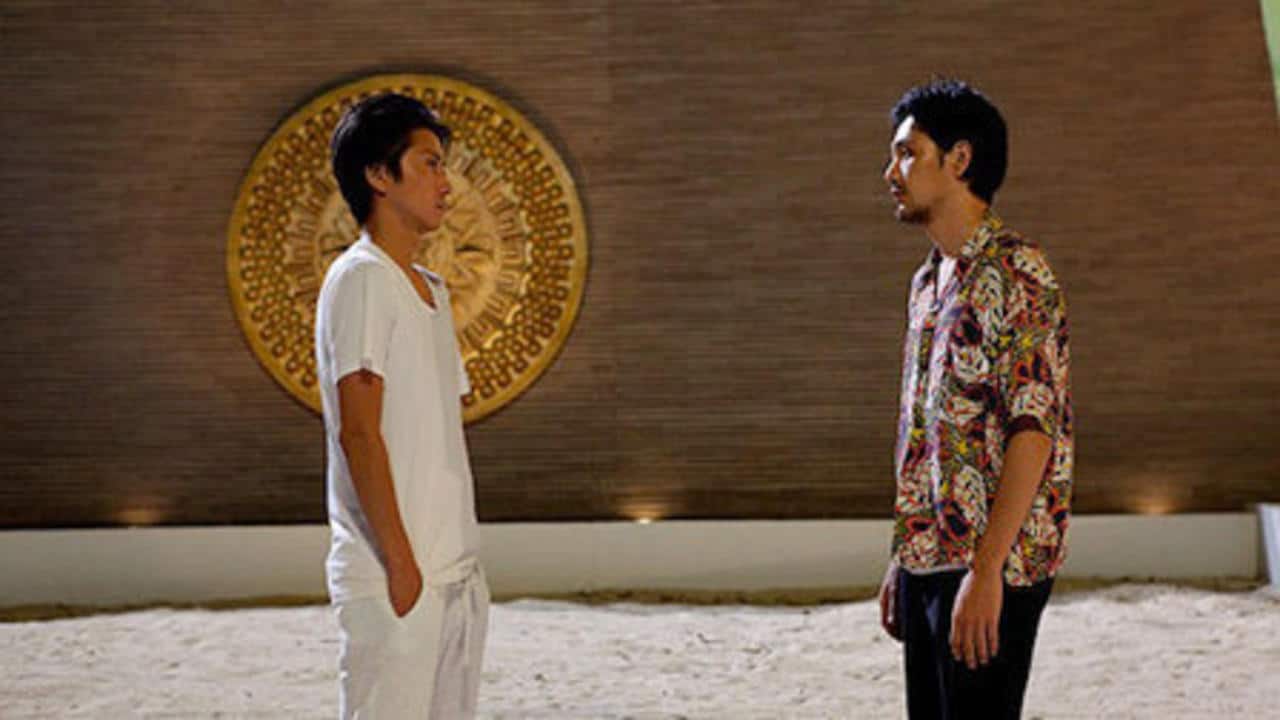
Music is another cornerstone, an intrinsic element that Toyoda explains simply: "I just hear the music as I watch the images. It just comes to me." This intuitive connection has yielded some of modern Japanese cinema’s most memorable audiovisual experiences, from the punk explosion of Blue Spring and the alternative rock of Pornostar to the ritualistic force of The Day of Destruction and the spiritual soundscapes of his recent works.
Anger, often fueled by his contentious encounters with Japanese authorities, has become increasingly prominent in his filmography. While earlier films like 9 Souls offered glimpses of utopian camaraderie, later works such as The Day of Destruction and Go Seppuku Yourselves present a raw, unvarnished rage directed at political systems, capitalism, and societal hypocrisy. Toyoda’s films consistently scrutinize the motivations behind hierarchies and modes of exploitation, questioning whether they genuinely serve the greater good.
Yet, this anger is always balanced by a profound compassion. Toyoda’s desire for his characters to succeed, his empathy for their motivations and feelings, transforms his portraits of rage into profound explorations of human wounds. We understand their fury and support their drive, even when it leads to criminal paths.

Finally, spirituality has evolved into a central theme. The collision of reality and the supernatural, as Toyoda perceives it, is fundamental. From Blood of Rebirth to I’m Flash!, and from The Day of Destruction to Transcending Dimensions, faith, death, ritual, and transcendence have become increasingly vital elements. While not adhering to a specific religion, Toyoda often contemplates death, infusing his narratives with a deep metaphysical inquiry.
This unique combination of elements ensures Toyoda’s cinema remains exceptionally vital. It is not rebellion for rebellion’s sake, nor obscurity for obscurity’s. Instead, it is the work of a filmmaker tirelessly striving to understand human origins, destinations, and what endures when society, family, religion, authority, capitalism, and even the physical body fail.
Toshiaki Toyoda’s cinema is challenging—rough, uneven, excessive, angry, cryptic, and confrontational. Yet, it pulses with a unique aliveness, driven by music, bleeding with rage, drifting into ritual, and perpetually returning to the lonely figures that society has cast aside. His films demand deeper exploration, not only because he stands as one of Japan’s most important contemporary directors, but because his uncompromising, intensely personal work offers one of the most fascinating and essential cinematic maps of contemporary Japanese alienation.