
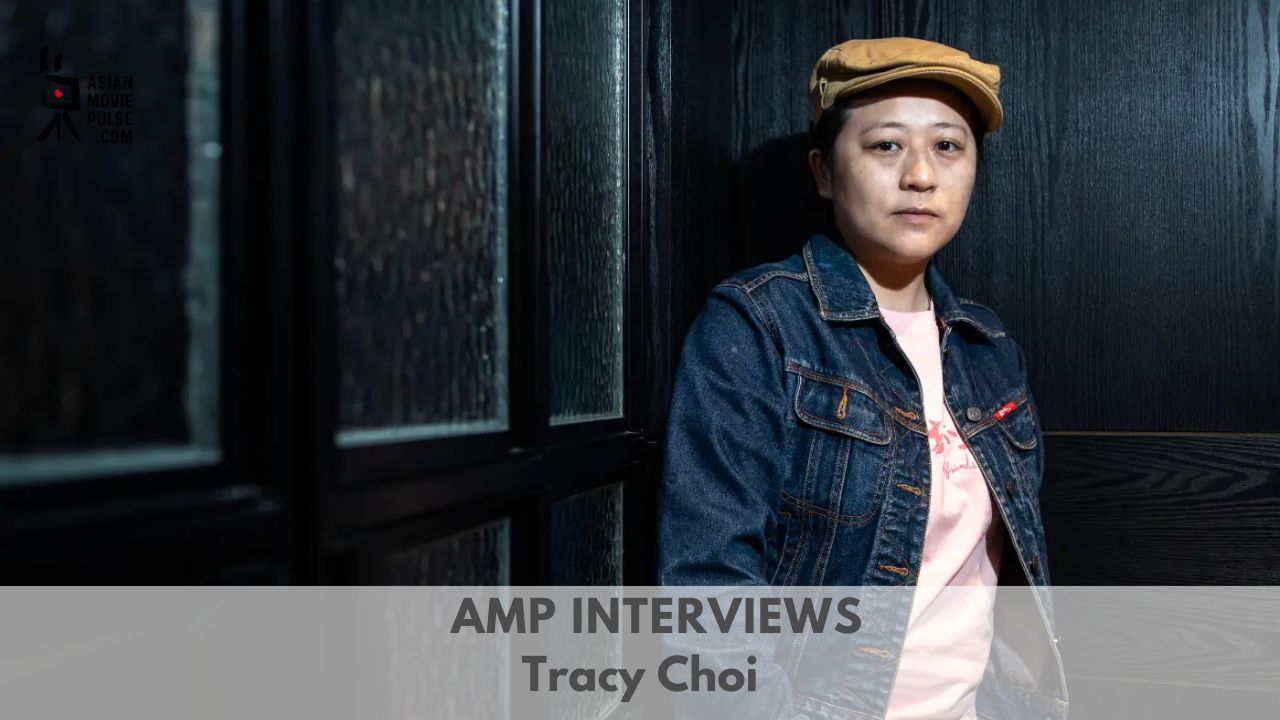
Tracy Choi’s latest cinematic endeavor, "Girlfriends," offers a compelling and intricately structured exploration of a queer woman’s life, tracing her emotional, personal, and professional evolution against the vibrant backdrops of Macau, Taiwan, and Hong Kong. The Macau-born director has provided extensive insights into the deliberate decisions behind the film’s unique narrative construction, including its reverse chronological storytelling, the innovative casting of three distinct actresses to embody the single protagonist, the pivotal role of the three distinct urban settings, and the persistent challenges inherent in nurturing a nascent film industry in Macau. The film is currently drawing significant attention as it screens at the Queer East Film Festival, marking its presence in a crucial platform for LGBTQ+ cinema.
A Deconstructed Narrative: Reverse Chronology and Evolving Identity
"Girlfriends" distinguishes itself immediately through its unconventional narrative architecture. Director Tracy Choi revealed that the film was not initially conceived with its final reverse chronological structure. The original screenplay employed a more traditional crosscutting approach, weaving between different time periods. However, during the post-production phase, as the editing process commenced, Choi and her creative team arrived at a pivotal realization: presenting the story by moving backward from the present into the past offered a profoundly clearer and more resonant understanding of the protagonist’s journey. This deliberate structural choice allows the audience to first witness the character grappling with her contemporary challenges, subsequently revealing the formative experiences and relationships that sculpted her into the individual she has become. This narrative strategy, a powerful cinematic tool often employed to unravel psychological depths and reveal hidden motivations, serves to imbue the protagonist’s present-day struggles with a profound sense of historical weight and emotional resonance.
The genesis of "Girlfriends" dates back to the challenging period of the global pandemic, a time when Choi began to develop a story centered on a young woman navigating her formative years in Macau. The project gained further momentum with the inclusion of a Hong Kong screenwriter, whose collaboration proved instrumental in refining the narrative, enhancing its accessibility, and broadening its appeal to a wider audience. The production phase was remarkably efficient, commencing in September 2024 after approximately one month of intensive preparation. The principal photography itself was condensed into an impressive 19 shooting days, completed within a single month, underscoring the team’s dedication and streamlined execution.
The Protagonist’s Kaleidoscope: Three Actresses, One Soul
One of the most artistically audacious and captivating elements of "Girlfriends" lies in its casting decision: the central character is brought to life by three different actresses, each portraying the protagonist at distinct stages of her life. Choi explicitly stated that she deliberately sought actresses who did not bear a strong physical resemblance to one another. This choice, she explained, is a profound reflection of the human experience of change and transformation. Individuals evolve dramatically as they mature, particularly during pivotal transitions from high school to college, and then into the complexities of adult life. These shifts can be so profound that even those closest to them might struggle to recognize the person they once knew. Beyond this reflection of personal evolution, Choi also intended for this casting approach to represent a spectrum of female identities, showcasing different appearances, energies, and unique ways of existing in the world, thereby enriching the film’s portrayal of womanhood.
Despite the intentional physical dissimilarity, Choi meticulously crafted subtle yet powerful links between the three performances to ensure a cohesive portrayal of the evolving character. The youngest iteration of the story was filmed first, establishing the foundational experiences of the protagonist. To facilitate continuity and a shared understanding of the character’s emotional lineage, the actress cast for the middle period visited the set during the initial shoot. This on-set observation allowed her to immerse herself in the character’s nascent experiences, developing a vital "sense of memory" that would inform her own performance. Similarly, the actress embodying the oldest version of the protagonist was provided with footage of her youngest incarnation. This visual reference enabled her to carry subtle traces of that earlier self, weaving a thread of continuity and psychological depth into her portrayal of the mature woman.
The casting process for "Girlfriends" also contained a deeply personal dimension for the director. Choi revealed that the actresses portraying the oldest couple in the film were, in fact, close personal friends of hers, having shared a friendship spanning nearly a decade. Given that their on-screen characters were meant to have been in a committed relationship for eight to ten years, this pre-existing, authentic familiarity proved invaluable. Their real-life bond effortlessly translated into a natural and believable on-screen chemistry, lending an organic quality to their interactions. Choi noted that some of their exchanges were not even part of the scripted dialogue but emerged spontaneously from their genuine friendship, adding an undeniable layer of authenticity and emotional depth to the scenes.
Urban Landscapes as Emotional Cartography: Macau, Taiwan, Hong Kong
The geographical settings of "Girlfriends" are far more than mere backdrops; they are integral to the narrative, functioning almost as additional characters that profoundly shape the protagonist’s journey. Tracy Choi meticulously crafted each city to embody distinct emotional and societal qualities that resonate with the character’s development.
Macau, the protagonist’s birthplace and childhood home, is depicted as a place of inherent restriction. Choi describes it as a society heavily preoccupied with external perceptions, where individuals often feel constrained by communal expectations and traditional norms. This environment fosters a sense of being "enclosed," as visually suggested by the film’s framing in the youngest section, which frequently places the protagonist within confined spaces or subtly obscures her presence. This visual metaphor underscores her uncertain and often stifled emotional state during her formative years.
Taiwan, by contrast, emerges as a beacon of freedom for the protagonist. It is here that she experiences a profound sense of liberation, a space where she can begin to explore her identity and sexuality with fewer societal pressures. However, this newfound freedom is not without its complexities; it also ushers in a period of confusion and uncertainty, as she navigates self-discovery and grapples with the myriad possibilities that open up before her. This depiction aligns with Taiwan’s broader reputation as a more progressive society in East Asia, particularly concerning LGBTQ+ rights and discourse.
Hong Kong is presented as a city defined by practicality and realism. It is a bustling metropolis where the imperative to "work hard to survive" dominates daily life. This ethos directly connects to the protagonist’s adult existence, as she endeavors to balance her creative ambitions with the pragmatic demands of sustaining a relationship and establishing a stable life. The intense competition and high cost of living in Hong Kong, particularly concerning housing, serve as a stark contrast to the earlier, more idyllic or constrained environments.
The pervasive issue of housing affordability is a critical undercurrent throughout the narrative, particularly highlighted by the character Bei Bei’s decision to purchase a house in Macau. Choi pointed out that while housing prices in Macau might be marginally lower than in Hong Kong, they remain largely unattainable for a significant portion of the young population, including those in professions such as office workers, artists, or teachers. Consequently, the pursuit of home ownership transcends a mere practical concern, evolving into a potent symbol of societal pressure, the quest for stability, and the often-unrealistic expectations placed upon individuals in these highly urbanized and expensive regions. This theme resonates deeply with the anxieties of contemporary youth across East Asia, where property ownership often signifies success and security.
Navigating Queer Identity: Silence, Visibility, and Intimacy
Choi’s "Girlfriends" delves into the nuances of queer identity and representation within East Asian contexts, drawing a significant contrast not primarily between Hong Kong and Macau, but emphatically between Taiwan and the other two cities. Even though the segment of the story set in Taiwan predates the historic legalization of same-sex marriage in the country in 2019, Choi emphasized Taiwan’s comparatively robust and open public discourse surrounding queer and gender issues. This progressive environment, even before legislative changes, offered a distinct haven for self-exploration.
In stark contrast, Choi perceives a pronounced silence in Hong Kong and Macau regarding these subjects, suggesting that discussions around LGBTQ+ identities are not engaged with sufficient seriousness or openness. This societal reticence manifests in subtle yet revealing everyday moments captured in the film. A poignant example cited by Choi is a scene where a character inadvertently refers to a lesbian partner as a "boyfriend." For Choi, such details are not merely innocent slips but powerful illustrations of how queer relationships are often unconsciously or deliberately forced into heterosexual frameworks, simply because society has not yet developed the vocabulary or understanding to acknowledge and articulate them properly. This highlights the ongoing struggle for visibility and authentic representation in regions where traditional norms still hold considerable sway.
This sensitive approach to queer identity extends to the film’s more intimate moments, particularly within the Taiwan section, where the protagonist embarks on a journey of self-discovery regarding her sexuality and overall identity. For the first time in her career, Choi collaborated with an intimacy coordinator during the shoot, an experience she described as overwhelmingly positive. Given the tight schedule that necessitated shooting the Taiwan scenes in a mere six days, the meticulous preparation facilitated by the intimacy coach proved invaluable. The choreography for intimate scenes was discussed, planned, and rehearsed in advance, allowing Choi to shift her focus during filming from technical logistics to the profound emotional nuances and facial expressions of the actresses, thereby ensuring that these sensitive moments were handled with respect, authenticity, and artistic integrity.
Visual Language and the State of Macau Cinema
Visually, "Girlfriends" aims to immerse the audience deeply into the characters’ emotional landscapes. Tracy Choi once again collaborated with Simmy Cheong, the talented director of photography who also shot Choi’s critically acclaimed first feature, "Sisterhood." Their partnership, spanning over a decade, allowed for a seamless execution of Choi’s visual vision. They employed handheld camerawork to create a sense of immediacy and intimacy, while also utilizing distinct color tones to differentiate the three chronological periods of the protagonist’s life. As previously noted, the visual framing in the youngest section often places the protagonist within enclosed spaces or partially obscures her, metaphorically representing her uncertain and emotionally constrained state. This deliberate visual storytelling enhances the audience’s connection to the character’s internal world as it evolves.
Beyond the artistic merits of "Girlfriends," Choi also provided a candid assessment of the current state of cinema in Macau. She acknowledged that Macau does not yet possess a fully formed, self-sustaining film industry, particularly when compared to regional powerhouses like Hong Kong or mainland China. However, she views the significant development of government funding initiatives over the past decade as a highly positive and encouraging sign. This crucial financial support has been instrumental in enabling a new generation of young directors, including herself, to produce their first or second feature films, thereby slowly cultivating a local cinematic voice.
Despite these positive developments, Macau presents inherent challenges for filmmakers. Its extremely small market size and consequently limited audience base make domestic distribution a significant hurdle. As a practical necessity, Macau filmmakers frequently need to engage in collaborations with production entities in Hong Kong, Taiwan, or mainland China. Such regional partnerships are often essential to secure the broader circulation, wider theatrical releases, and increased visibility that are critical for a film’s commercial viability and cultural impact. This reality underscores the interconnectedness of East Asian film industries and the strategic importance of cross-border cooperation for emerging cinematic talents in smaller markets.
Looking to the future, Tracy Choi revealed that she is already deeply immersed in another project, which is currently in post-production. This upcoming work continues her thematic focus on women-centric narratives, exploring the intricate relationship between a college professor and a college student. The story centers on how these two women help each other navigate and escape complicated circumstances, embark on new beginnings together, and ultimately experience profound personal growth through their shared journey. This consistent commitment to telling diverse and empowering stories about women further solidifies Tracy Choi’s position as a significant and thoughtful voice in contemporary East Asian cinema. Her films not only entertain but also provoke thought and contribute to important cultural dialogues, particularly concerning identity, sexuality, and societal pressures in a rapidly evolving region.