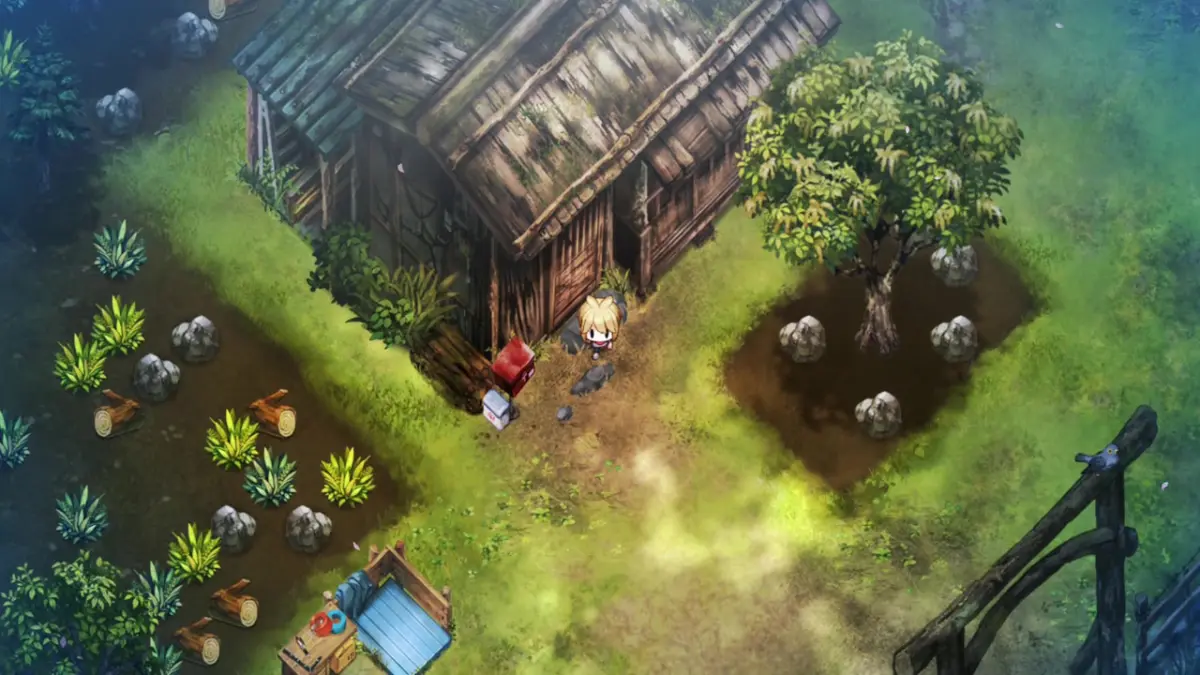
Nippon Ichi Software (NIS), the Japanese developer renowned for the Disgaea series and various niche narrative titles, has officially launched its latest project, Village in the Shade, across Nintendo Switch, PlayStation 5, and Windows platforms. The title represents a significant departure from standard industry tropes by blending the mechanical satisfaction of agricultural management simulations with the atmospheric tension of Japanese folk horror. By juxtaposing the repetitive, comforting rhythms of rural labor with the existential dread of supernatural folklore, the game seeks to establish a new sub-genre that challenges player expectations regarding game pacing and thematic consistency.
The Evolution of the Farming Simulation Genre
The farming simulation genre has seen a massive resurgence over the past decade, driven largely by titles such as Stardew Valley and the Story of Seasons franchise. These games typically emphasize escapism, low-stakes progression, and community building. According to industry market research, the "cozy game" sector has grown by approximately 15% annually since 2020, appealing to a demographic that prioritizes relaxation and long-term goal management.
Village in the Shade, however, introduces a structural dichotomy that disrupts this equilibrium. Players assume the role of an amnesiac protagonist who arrives in the isolated Kagatsu Village to begin a new life. While the core gameplay loop remains tethered to traditional tasks—such as cultivating crops, managing livestock, and developing social rapport with NPCs—these activities are governed by a strict, lore-heavy set of eight village rules. The existence of these rules, combined with an aggressive day/night cycle, serves as the primary driver for the game’s horror elements.
Narrative Context and Atmospheric Influences
The narrative framework of Village in the Shade draws heavy thematic inspiration from rural Japanese horror, most notably the visual novel and anime series Higurashi: When They Cry. Much like the source material, the game leverages the contrast between a picturesque, idyllic setting and the hidden, violent history of a community.
Chronologically, the game initiates the player into the village through a standard onboarding process, mirroring the familiar "new beginning" trope found in genre predecessors. However, as the initial week of in-game time passes, the transition from day to night becomes increasingly ominous. During daylight hours, the game functions as a conventional management title. Once the sun sets, the environment shifts to mirror the aesthetics of yōkai-inspired terror. These entities, drawn from traditional Japanese mythology, introduce a layer of mechanical difficulty that forces players to balance their economic productivity with survival strategies.
Mechanical Implementation and Difficulty Scaling
For players who prefer a strictly traditional farming experience, NIS has included a modular difficulty system. This allows users to disable the supernatural incursions, effectively stripping away the horror elements to reveal a standard, high-fidelity farming sim. However, the design intent—as evidenced by the developer’s marketing materials—suggests that the intended experience requires the integration of both systems.
The mechanical complexity arises from the "Village Rules," a set of constraints that the player must navigate. Failure to adhere to these ordinances during the night cycle leads to severe consequences, ranging from the loss of progress to potential character termination. This creates a high-stakes environment where the player must optimize their daylight hours to ensure they have the resources or defensive positioning required to survive the nocturnal sequences. This dual-layer approach provides a rare example of "mechanical friction" in a genre that usually prioritizes friction-less gameplay.
Market Positioning and Industry Implications
The release of Village in the Shade comes at a time when major publishers are experimenting with hybrid genres to maintain engagement in a saturated market. By merging the addictive feedback loops of farming sims—which rely on dopamine-heavy progression—with the adrenaline-spiking mechanics of horror games, NIS is positioning the title as a "crossover" product.

Industry analysts note that this strategy is increasingly common among Japanese mid-tier developers who rely on unique "hooks" to differentiate their products from the massive output of independent developers. The integration of high-quality narrative design into a management framework allows NIS to leverage its existing reputation for storytelling while capturing a broader audience interested in the survival-horror aesthetic.
Official Developer Stance and Technical Specifications
While official statements from NIS leadership regarding the long-term roadmap for Village in the Shade remain limited, the launch is being treated as a flagship release for the company’s current fiscal quarter. The game utilizes a proprietary engine optimized for the Nintendo Switch, ensuring that the transition between the idyllic day cycle and the distorted night cycle remains seamless, without loading screens that might break player immersion.
The title supports a wide range of display settings, catering to both the portable nature of the Switch and the high-resolution capabilities of the PlayStation 5 and PC. Furthermore, the audio design has been noted for its role in maintaining the game’s tone; the soundtrack shifts from folk-inspired acoustic arrangements during the day to dissonant, ambient soundscapes at night, serving as an auditory cue for the shift in gameplay difficulty.
Broader Impact on the Cozy Horror Sub-Genre
The success or failure of Village in the Shade could have broader implications for the development of the "cozy horror" sub-genre. If the title achieves high user retention, it may encourage other developers to incorporate more intense narrative themes into traditionally relaxing game types.
Historically, horror and farming games have occupied opposite ends of the emotional spectrum. Horror seeks to induce vulnerability and tension, whereas farming games seek to induce competence and control. By forcing the player to reconcile these two states, Village in the Shade effectively tests the limits of player patience and adaptability.
Conclusion and Future Outlook
As of its current release, Village in the Shade stands as a bold experiment in genre-blending. For the casual player, it offers a deep, satisfying management experience with the option to opt-out of its more challenging aspects. For the horror enthusiast, it provides a unique context in which to engage with familiar tropes, placing the player in a position of responsibility—not just for their farm, but for their own survival within a hostile, supernatural landscape.
Whether the game can sustain its momentum will depend on the depth of its late-game content and the balance of its difficulty curves. Nevertheless, the release marks a significant milestone in the diversification of the farming simulation genre. It challenges the notion that these games must be exclusively relaxing, suggesting instead that the most compelling experiences often emerge from the tension between comfort and chaos.
The community response, as monitored on social media platforms, indicates a high degree of interest from fans of the "cozy" gaming sphere who have expressed a desire for more challenging, narrative-driven experiences. As players continue to delve into the mysteries of Kagatsu Village, the data gathered from user interactions and completion rates will likely inform the trajectory of future titles in this burgeoning, experimental category. For now, Village in the Shade remains a notable entry in the 2026 gaming calendar, offering a distinctive, albeit unsettling, addition to the modern library of cross-genre simulations.