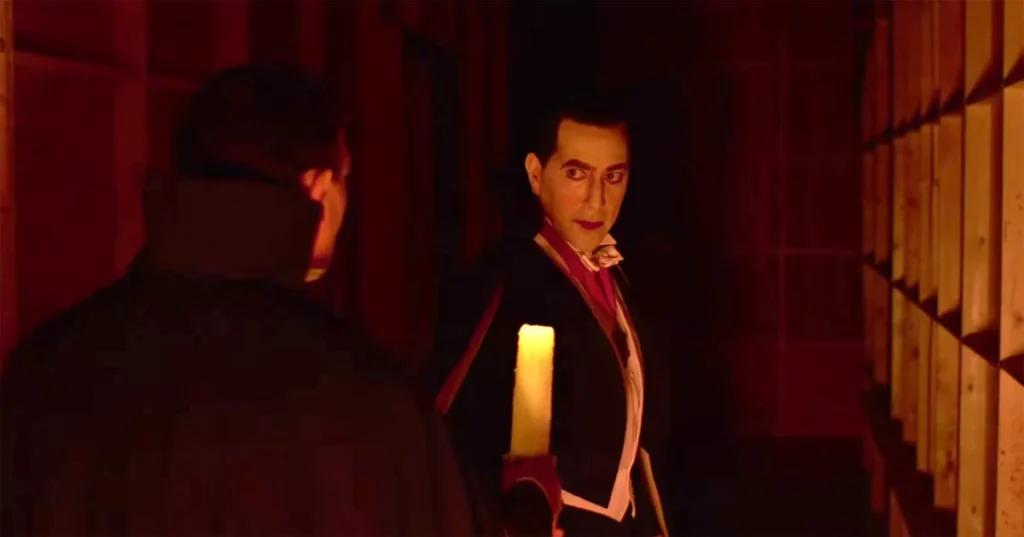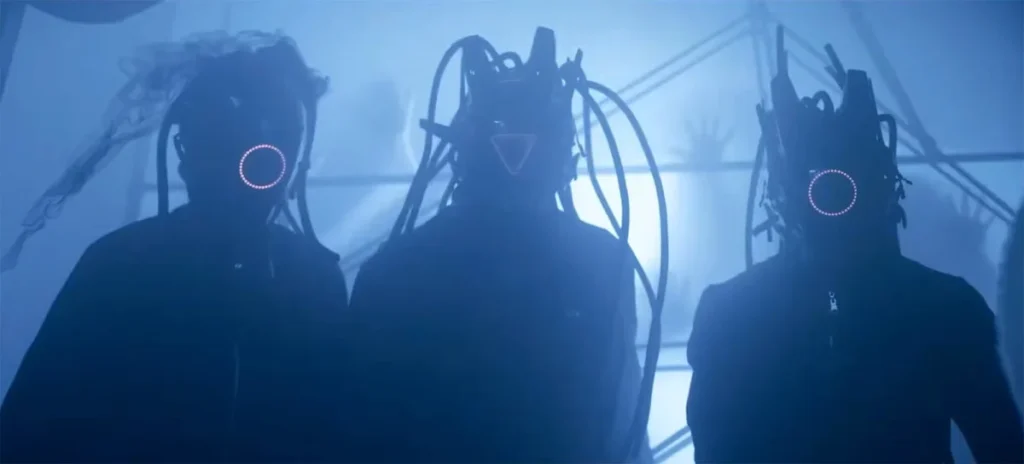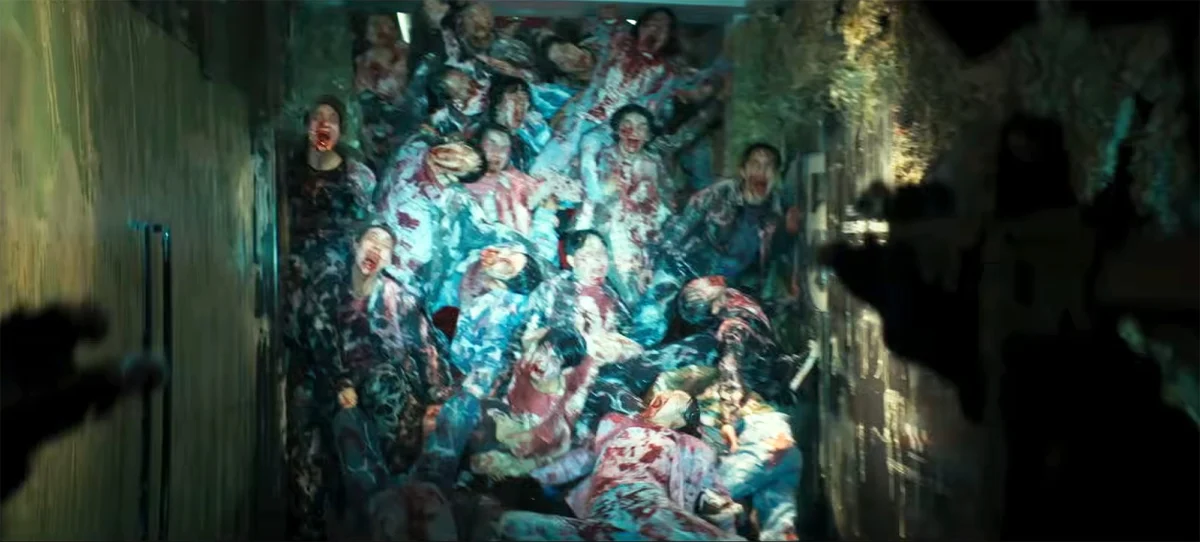
The 79th Cannes Film Festival has officially unveiled its 2026 lineup, confirming that South Korean auteur Yeon Sang-ho will return to the Croisette with his latest genre-bending project, Colony. Selected for the prestigious Midnight Screening section, the film marks a significant homecoming for the director who is widely credited with revitalizing the global zombie subgenre. Produced by Yoomin Hailey Yang and written by Yeon in collaboration with his frequent creative partner Choi Gyu-seok, Colony—known in South Korea as Gunche—is poised to be one of the most anticipated horror releases of the year. The film is scheduled for a broad theatrical release in June 2026 following its international premiere in May.
Colony represents a thematic return to form for Yeon Sang-ho, who achieved international stardom with the 2016 blockbuster Train to Busan. While his recent works have explored supernatural cults in Hellbound and dystopian artificial intelligence in JUNG_E, Colony pivots back to the visceral, high-stakes biological horror that defined his early live-action career. The narrative follows a group of survivors trapped within a state-of-the-art Korean high-rise facility during a sudden and catastrophic viral outbreak. Unlike traditional zombie narratives that focus on societal collapse across vast landscapes, Colony utilizes a claustrophobic, "bottle film" structure, intensifying the psychological and physical pressure on its characters.
Narrative Architecture and Evolutionary Horror
The plot of Colony centers on Professor Se-jeong, portrayed by Hallyu icon Gianna Jun (also known as Jun Ji-hyun). Se-jeong is a distinguished biotechnology expert attending a high-profile industry conference held within a massive corporate complex. The event, intended to showcase the future of human longevity and medical advancement, descends into carnage when a rapidly mutating virus is accidentally unleashed. The teaser trailer released alongside the Cannes announcement hints at a darker philosophical undercurrent, featuring the provocative line, "I’m taking humanity to the next level."
As the infection spreads, the authorities make the executive decision to quarantine the entire facility, effectively turning the building into a self-contained "colony" of survivors and monsters. The film reportedly distinguishes itself through the depiction of the infected. Rather than remaining static, mindless shells, the creatures in Colony are described as "evolving." This suggests a departure from the "running zombie" tropes established in Train to Busan, moving toward a more grotesque, body-horror aesthetic where the virus continuously alters the physiology of its hosts to adapt to their environment.

A High-Profile Ensemble Cast
The film features an ensemble of South Korea’s most prominent actors, blending veteran stars with rising international talents. Gianna Jun’s involvement marks a significant return to the thriller genre. Jun, known for her roles in My Sassy Girl and the Netflix hit Kingdom: Ashin of the North, brings a level of gravitas to the role of Professor Se-jeong. Industry analysts suggest her casting is a strategic move to ensure the film’s appeal across both domestic and international markets, given her massive following in Asia and her growing recognition in the West.
Joining Jun is Koo Kyo-hwan, who previously worked with Yeon Sang-ho on Peninsula and the series Parasyte: The Grey. Koo has gained a reputation for his idiosyncratic acting style and high-intensity performances. The cast also includes Ji Chang-wook, a mainstay of Korean action dramas who is increasingly diversifying into gritty genre roles. Rounding out the primary cast are Shin Hyun-been, Kim Shin-rock—who delivered a breakout performance in Yeon’s Hellbound—and Go Soo. The chemistry of this ensemble is expected to drive the emotional stakes of the film, focusing on the human cost of the quarantine as much as the external threat of the infected.
The Legacy of Yeon Sang-ho and the K-Zombie Phenomenon
Yeon Sang-ho’s filmography is inextricably linked with the global rise of South Korean "K-Content." Before his live-action debut, Yeon was an acclaimed director of gritty, social-realist animation, including The King of Pigs and The Fake. His transition to live-action with Train to Busan in 2016 was a watershed moment for Korean cinema. The film earned over $92 million worldwide and holds a 95% rating on Rotten Tomatoes, proving that the zombie genre could be infused with poignant social commentary and high-octane action.
Following the success of Train to Busan, Yeon expanded his "zombie-verse" with the animated prequel Seoul Station and the 2020 sequel Peninsula. While Peninsula took a more action-oriented, "Mad Max" style approach, Colony appears to return to the tension-filled, character-driven horror of the original film. In the years between these projects, Yeon has become a prolific creator for Netflix, helming Hellbound, The Bequeathed, and Parasyte: The Grey. His ability to maintain a consistent output of high-concept genre material has made him one of the most influential directors in contemporary East Asian cinema.
The Significance of the Cannes Midnight Screening
The selection of Colony for the Cannes Midnight Screening is a testament to the film’s anticipated quality and commercial potential. The Midnight section is traditionally reserved for genre films—horror, action, and thrillers—that possess both artistic merit and "cult" appeal. For South Korean filmmakers, this section has historically served as a launchpad for global success. Train to Busan famously premiered in this same slot in 2016, leading to a standing ovation and immediate international distribution deals.

The Cannes Film Festival remains the most prestigious platform for cinema, and its 2026 lineup reflects a continued interest in South Korean genre storytelling. By placing Colony in the Midnight section, the festival organizers are signaling that the film offers the kind of visceral, high-energy experience that appeals to late-night audiences while maintaining the technical standards expected at Cannes. This premiere is expected to spark a bidding war for North American and European streaming and theatrical rights.
Chronology of Production and Release
The development of Colony has been closely guarded by its production team. Initial rumors of a new "Yeon-verse" zombie project began circulating in late 2024, following the completion of Yeon’s work on Revelations and The Ugly. Principal photography for Colony reportedly took place throughout 2025, utilizing massive soundstages in Gyeonggi Province to recreate the complex interiors of the high-rise facility.
The timeline for the film’s rollout is as follows:
- April 2026: Official announcement of selection for the 79th Cannes Film Festival. Release of the first teaser trailer and promotional stills.
- May 2026: World Premiere at the Cannes Film Festival in the Midnight Screening section. This will include red carpet appearances by Yeon Sang-ho, Gianna Jun, and the lead cast.
- June 2026: Domestic theatrical release in South Korea, followed by a phased international rollout in major markets including Japan, Southeast Asia, and select European territories.
- Late 2026: Anticipated release on global streaming platforms, though a specific partner has not yet been confirmed.
Broader Implications for the Genre
Colony arrives at a time when the "zombie fatigue" often cited by critics is being countered by innovative, region-specific storytelling. South Korea has remained at the forefront of this innovation, with series like All of Us Are Dead and Kingdom proving that the genre still has significant legs. Colony’s focus on "evolving" creatures suggests a shift toward sci-fi horror, potentially incorporating elements of genetic engineering and bioethics.
The "Resident Evil" comparisons noted by early observers highlight a trend toward more structured, "level-based" survival horror in cinema. By trapping the characters in a high-rise, Yeon is able to explore the breakdown of social hierarchies within a confined space—a theme he previously touched upon in the train cars of his 2016 hit. The "Colony" of the title likely refers not just to the quarantined building, but to the new, hive-like society formed by both the survivors and the mutating infected.

Market Impact and Industry Expectations
The South Korean film industry has faced a complex recovery period following the global pandemic, with a notable shift in audience preference toward high-concept, "theatrical event" movies. Colony is positioned as exactly this type of event. With a high production budget and a star-studded cast, the film is expected to be a major box-office driver for the summer 2026 season.
Furthermore, the collaboration between Yeon Sang-ho and writer Choi Gyu-seok continues a partnership that has proven highly successful in the past. Choi, a renowned webtoon artist and writer, co-created the original Hellbound webtoon with Yeon. Their partnership is known for blending dark, cynical views of humanity with spectacular genre elements. In Colony, this partnership is expected to manifest in a screenplay that questions the morality of "advancing" the human race through artificial or viral means.
As the film prepares for its Cannes debut, the global film community is watching closely. Colony is not just a test of whether Yeon Sang-ho can recapture the lightning-in-a-bottle success of Train to Busan, but also a barometer for the continued dominance of South Korean genre cinema on the world stage. With its blend of high-concept biological horror, social commentary, and A-list talent, Colony is set to be a defining cinematic event of 2026.