The Atlanta Film Festival, a celebrated annual event showcasing a diverse array of cinematic talent, recently concluded its latest iteration, highlighting both established and emerging filmmakers. Amidst a slate of engaging horror features, from the lighthearted creature-feature "Fishy" to the star-studded "Weapons" which featured a Q&A with Josh Brolin, a particular short film generated significant buzz and unease. Ella Price’s "False Start" emerged as a standout, captivating audiences with its raw portrayal of a young woman on the verge of her first act of violence, blurring the lines between fascination and intent.
The Premise and Initial Reception
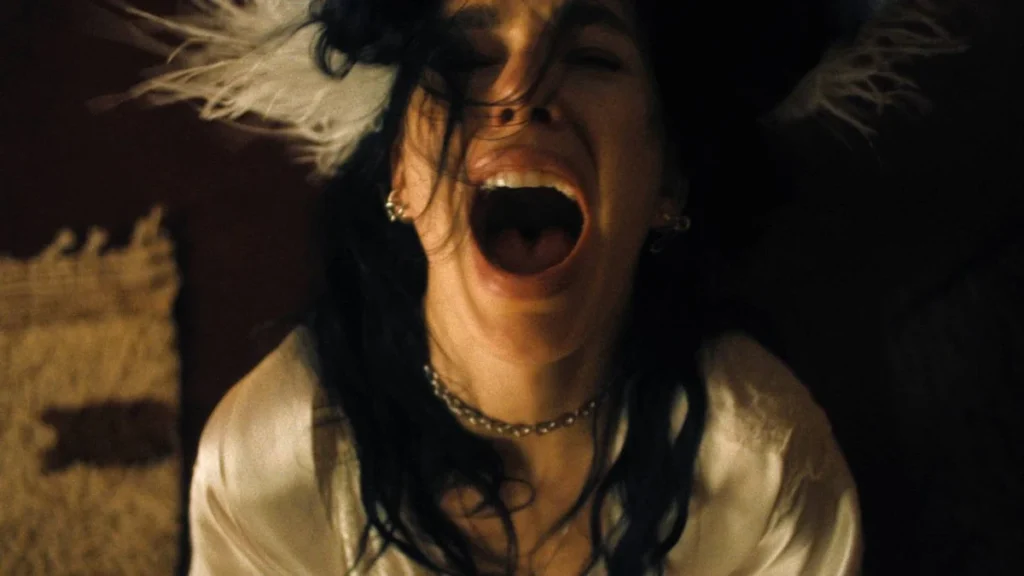
"False Start" centers on Shelley, portrayed by Julia Daigh, a pizzeria worker whose life appears consumed by a morbid obsession with true crime documentaries. The narrative follows her as she encounters Betty, played by Magdalen Silver, a seemingly amiable traveler. Shelley offers Betty a ride, initiating a journey down a secluded rural road that leads to Shelley’s residence. The film’s core tension lies in the audience’s dawning realization that this might not be a spontaneous act, but rather the calculated prelude to Shelley’s first homicide.
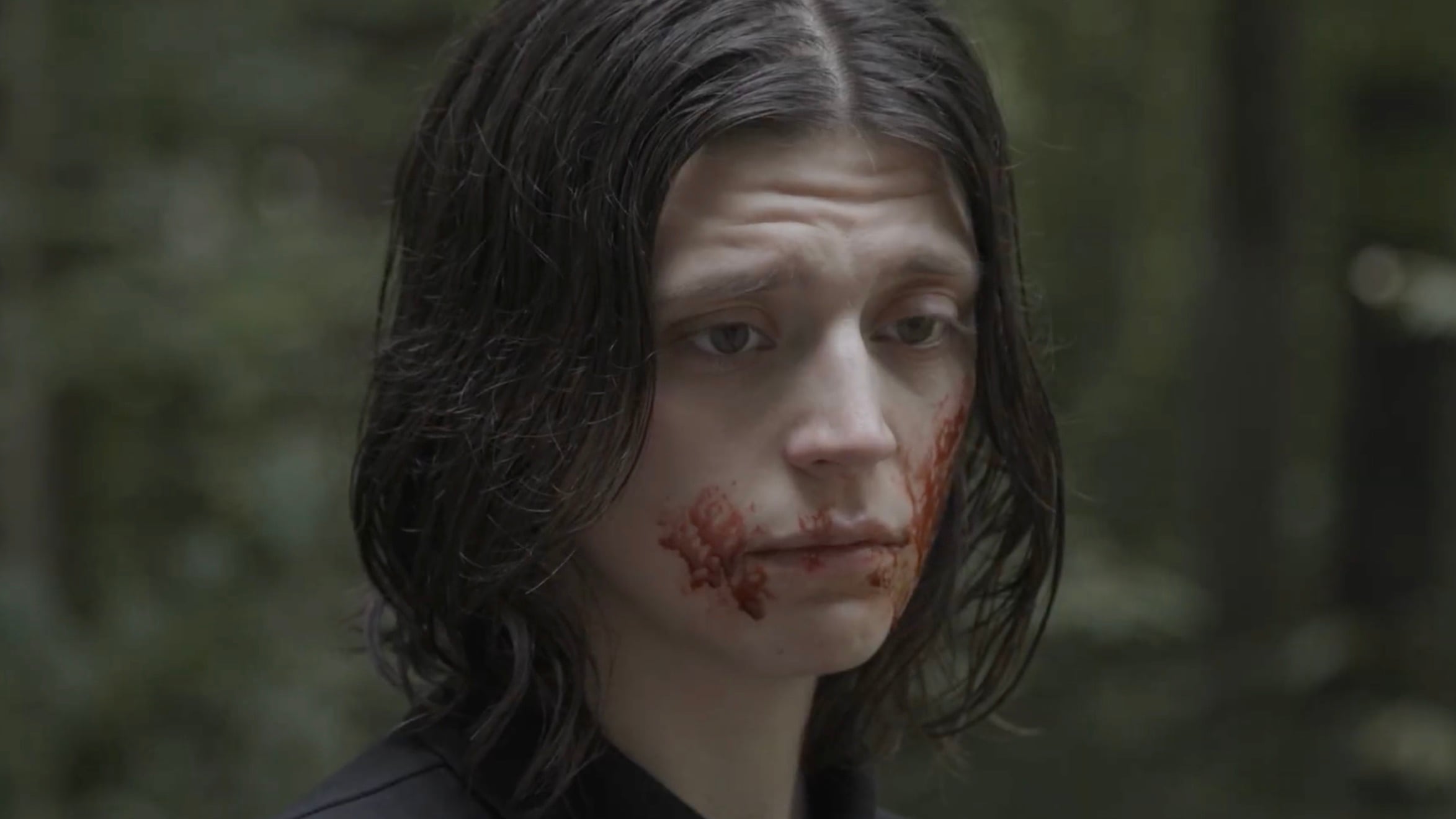
The film’s placement within the Atlanta Film Festival’s "Dark Fantasies" midnight movie block underscores its thematic intensity. Festival descriptions readily identified Shelley as an "aspiring serial killer," a label that, while explicit, belies the film’s nuanced exploration of psychological triggers. The visual of Shelley engrossed in a true crime documentary, seemingly deriving pleasure from depictions of gruesome murders, prompts viewers to question the precipice between passive consumption of violent narratives and the active embodiment of them.
The Psychological Undercurrents of "False Start"
The film’s impact on the audience was palpable. Many attendees, much like the reviewer, admitted to finding solace or a form of vicarious thrill in true crime media, citing figures like Keith Morrison from "Dateline" as calming presences. However, "False Start" expertly probes the unsettling question of what distinguishes a casual consumer of macabre stories from an individual harboring genuine homicidal impulses.
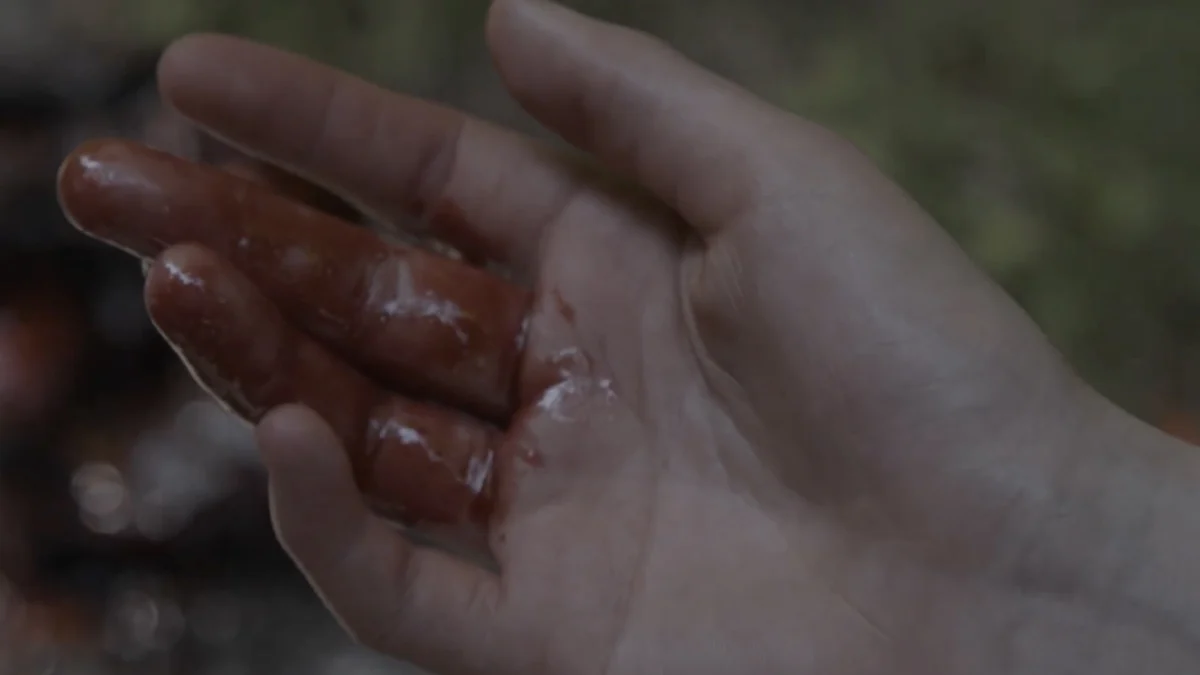
Beyond the opening sequence, which depicts Shelley engaging in a sexually charged act while reading a book about death, the film weaves a potent psychosexual thread. This thread explores the inherent sensuality in violence, the visceral nature of bodily fluids—whether pizza sauce or blood—and the dark potential lurking beneath what might initially appear as an innocent encounter, akin to the anticipation of a first kiss morphing into something far more sinister. Julia Daigh’s performance as Shelley is crucial in this regard, adeptly balancing the perceived awkwardness of a solitary individual engrossed in true crime with an underlying, almost shameless, passion. The film’s deliberate embrace of the bizarre and the grotesque resonated deeply with some, while simultaneously eliciting strong reactions of discomfort and even disgust from others.

Audience Reactions and Director’s Vision
The screening of "False Start" reportedly generated a strong, visceral response from the audience. Situated at the end of a shorts block that had already tackled difficult themes such as child exploitation, homophobia, and sexual assault, Price’s film managed to provoke a distinct level of unease. Whispers of shock, such as "What the fuck?!", were overheard, and director Ella Price herself confirmed that some audience members exhibited overt signs of distress, including moans of disgust and even exiting the theater during the initial Atlanta Film Festival showing.
This potent reaction underscores the film’s success in confronting audiences with uncomfortable truths about the human psyche and the allure of the forbidden. When questioned about the genesis of such a provocative work, Price revealed that the film’s foundation originated from a script exploring religion and sexual repression. This initial concept was then reshaped to focus on a female protagonist harboring a sexual fascination with violence, a narrative that became "False Start."
Price strategically set the film in 2001, a period she noted as a significant cultural juncture where the "24-hour news cycle shifts its focus from fear mongering about crime to fear mongering about terrorism." This contextual backdrop adds a layer of socio-political commentary to the intimate psychological horror unfolding on screen.

The conceptualization of "False Start" was also influenced by a collaborative effort among Price and her filmmaker peers. They were exploring the idea of a horror short film anthology that felt akin to a curated music playlist. The Rolling Stones’ iconic song "(I Can’t Get No) Satisfaction" served as a touchstone, particularly inspiring the moments where Shelley’s masturbatory actions are depicted. The serial killer element was developed through a meta-cinematic process, drawing inspiration from notorious real-life figures such as Ted Bundy, Jeffrey Dahmer, and Edmund Kemper.
Archetypes and Cultural Influence
Price elaborated on the intentional use of these figures as influences. "We talked about Bundy as an aspirational figure for Shelley, and we also talked about Betty having sort of a Bundy energy," she explained. "Betty doesn’t have the goal Shelley does, but she’s this hard-to-read charming drifter who sort of wills a stranger into her car. There’s a competition going on subtextually." The character of Ed Gein also played a role in the development process, with Price noting, "The more I work on the feature, the more of that archetype I see."
The enduring fascination with serial killers in popular culture is undeniable. The years leading up to the film’s screening saw a surge in media portrayals of these figures. In the preceding year alone, Charlie Hunnam starred in "Monster: The Ed Gein Story," a project developed by Ian Brennan, known for his work on "Scream Queens." Evan Peters garnered critical acclaim for his portrayal of Jeffrey Dahmer in the series "DAHMER," co-created by Brennan and Ryan Murphy. Prior to that, Ross Lynch had taken on the role of Dahmer in "My Friend Dahmer." Furthermore, Zac Efron captivated audiences as Ted Bundy in 2019’s "Extremely Wicked, Shockingly Evil and Vile," which was released in the same year as Netflix’s documentary series "Conversations with a Killer: The Ted Bundy Tapes."

In discussing the ongoing development of "False Start" into a feature-length project, Price acknowledged the formative influence of these fictional and fictionalized killers. She emphasized that her character is engaged in a dialogue with cultural representations rather than solely with the historical reality of these individuals, a process that allows for a more complex and psychologically layered exploration.
The Future of "False Start" and Ella Price’s Career Trajectory
For those intrigued by the dark undercurrents of "False Start" and the thematic territory it explores, the film is currently being submitted to additional film festivals by Price and co-producer Cait Rowe. While audiences may need to exercise patience for its broader release, the film’s impactful premiere suggests it is a significant work poised for wider recognition.
The trajectory of short films launching successful feature careers is a well-established phenomenon in the horror genre. Directors like Chloe Okuno, whose short "Watcher" preceded her feature directorial debut, Johannes Roberts, director of the acclaimed short "Primate" before helming features, and Ti West, who honed his craft through contributions to the "V/H/S" anthologies before releasing his iconic trilogy, serve as compelling precedents. Given the powerful and unsettling nature of "False Start," it is highly probable that Ella Price’s work will continue to be a significant voice within the horror landscape for years to come. The film’s ability to simultaneously disturb and captivate, pushing the boundaries of audience comfort, marks it as a notable achievement in contemporary independent cinema.

The film’s success at the Atlanta Film Festival, particularly its ability to provoke such a strong audience reaction, speaks volumes about its effectiveness in tapping into primal fears and societal anxieties surrounding violence and desire. As "False Start" continues its festival run, it is expected to generate further discussion and solidify Ella Price’s position as a director with a unique and potent vision in the horror genre. The film’s exploration of the dark corners of the human psyche, intertwined with cultural narratives of true crime, promises a lasting impact on those who experience it.