The 79th edition of the Cannes Film Festival reached a pivotal milestone this evening with the announcement of the Un Certain Regard awards, a selection dedicated to showcasing cinematically daring and aesthetically innovative works from around the globe. Presided over by acclaimed French actress Leïla Bekhti, the 2026 jury delivered a slate of winners that emphasizes the festival’s ongoing commitment to international diversity and formal experimentation. The top honor, the Un Certain Regard Prize, was awarded to Austrian filmmaker Sandra Wollner for her latest feature, Everytime, marking a significant victory for a director known for her uncompromising and often provocative approach to the medium.
The ceremony, held at the Debussy Theatre, served as the penultimate highlight of the festival’s official selection, preceding the main competition awards scheduled for tomorrow evening. This year’s Un Certain Regard program featured a curated selection of 20 films, many of which represented the first or second features of emerging directors. The jury, which in addition to Bekhti included French director Thomas Cailley, Senegalese producer Angèle Diabang, Italian director Laura Samani, and Lebanese composer Khaled Mouzanar, deliberated over a week of screenings that critics have described as one of the strongest sidebars in recent festival history.
The 2026 Un Certain Regard Prize: Everytime
The victory for Sandra Wollner’s Everytime cements her status as one of the most formidable voices in contemporary European cinema. Wollner, who previously gained international notoriety with her 2020 film The Trouble with Being Born, continues to explore the boundaries of identity, memory, and the human condition. Everytime was praised by the jury for its rigorous visual language and its ability to challenge the audience’s perception of narrative structure.
The Un Certain Regard Prize is traditionally accompanied by a distribution grant for France, ensuring that the winning film reaches a wider domestic audience. For Wollner, this win provides a major platform for her specific brand of cerebral, atmospheric filmmaking. In her acceptance remarks, Wollner expressed gratitude to the festival for providing a space where "uncomfortable questions can be asked through the lens of a camera," echoing the original mandate of the Un Certain Regard section established by Gilles Jacob in 1978.
Breakthrough Success: Elephants in the Fog and Iron Boy
The Jury Prize was awarded to Abinash Bikram Shah for his debut feature, Elephants in the Fog. This selection is particularly noteworthy as it highlights the burgeoning cinematic landscape of Nepal. Shah, who has previously found success in the short film circuits, transitioned to the feature format with a narrative that blends social realism with a haunting, ethereal atmosphere. The jury noted the film’s "sensitivity toward its subjects and its masterful command of tone," signaling Shah as a director to watch in the coming years.
Simultaneously, the Special Jury Prize was bestowed upon Louis Clichy for Iron Boy. Clichy, who has a background in high-level animation and storytelling, delivered a work that the jury found particularly inventive in its execution. The recognition of Iron Boy underscores the festival’s willingness to reward films that defy easy categorization, blending genres to create a unique cinematic experience.
Celebrating Performance: Best Actor and Best Actresses
The 2026 awards also placed a heavy emphasis on the transformative power of acting within the Un Certain Regard selection. The Best Actor award was presented to Bradley Fiomona Dembeasset for his lead role in Congo Boy, directed by Rafiki Fariala. Dembeasset’s performance was lauded for its visceral intensity and emotional depth, anchoring a film that explores themes of youth and survival in the Democratic Republic of the Congo. Fariala, a rising star in African cinema, has been praised for his ability to elicit raw, authentic performances from his cast, and Dembeasset’s win is seen as a validation of this collaborative process.
In a rare move, the Best Actresses award was shared by an ensemble of three performers: Marina de Tavira, Daniela Marín Navarro, and Mariangel Villegas for their roles in Siempre Soy Tu Animal Materno (I Am Always Your Maternal Animal). Directed by Valentina Maurel, the film is a co-production involving Costa Rica and Belgium. The shared prize acknowledges the interconnectedness of the three performances, which collectively drive the film’s exploration of family dynamics and generational trauma. Marina de Tavira, an Academy Award nominee for Roma, brings a seasoned gravitas to the project, while Navarro and Villegas represent the vibrant future of Latin American acting.

Context and History of Un Certain Regard
Since its inception in 1978, the Un Certain Regard section has served as a vital counterpoint to the main Competition at Cannes. While the Palme d’Or often goes to established masters of the craft, Un Certain Regard is designed to honor "original and different" works that seek international recognition. Over the decades, it has served as a launchpad for directors who would eventually become mainstays of the festival, including the likes of Yorgos Lanthimos, Xavier Dolan, and Bong Joon-ho.
The 2026 selection continued this tradition by focusing on "the periphery of cinema," both geographically and stylistically. By awarding films from Austria, Nepal, France, the Democratic Republic of the Congo, and Costa Rica, the jury reflected the globalized nature of modern film production. This year’s jury president, Leïla Bekhti, emphasized during the opening of the ceremony that the selection was characterized by "a profound sense of urgency and a desire to see the world through new eyes."
Parallel Honors: The Queer Palm and Palm Dog
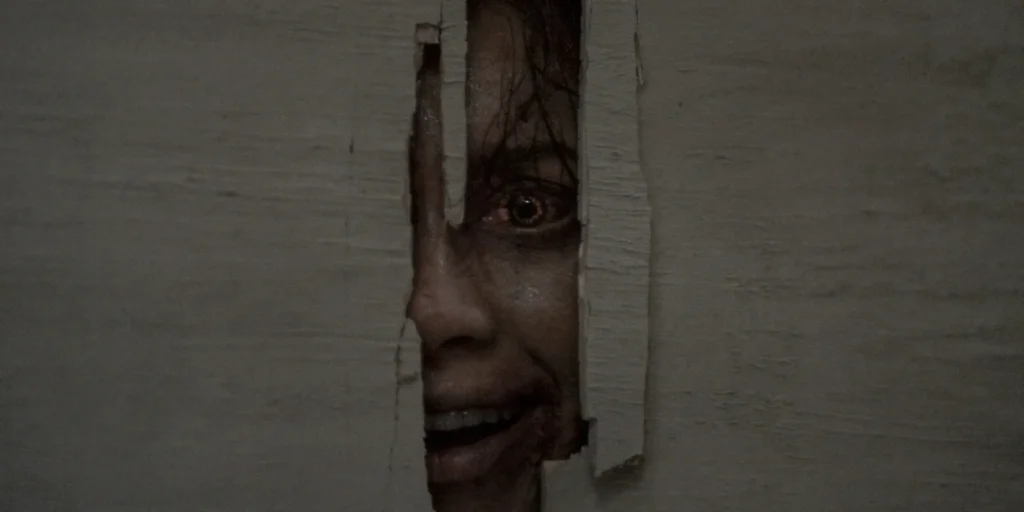
Beyond the official Un Certain Regard prizes, several independent awards were announced earlier in the day, highlighting the diverse interests of the festival’s satellite organizations. The Queer Palm, an independently sponsored prize for films with LGBT+ themes across all festival sections, was awarded to Teenage Death And Sex At Camp Miasma. The film, which played to polarized but enthusiastic reviews, was cited for its "bold subversion of slasher tropes and its unapologetic exploration of queer identity."
In a lighter but no less competitive category, the Palm Dog—the unofficial award for the best performance by a canine—was awarded to the dog featured in La Perra. The Palm Dog has become a fan-favorite tradition at Cannes, often drawing significant media attention and highlighting the role of animal performers in narrative storytelling.
Analysis of Implications for the Film Industry
The results of the Un Certain Regard awards often serve as a bellwether for the international film market. For films like Everytime and Elephants in the Fog, the recognition at Cannes is instrumental in securing distribution deals in key territories such as North America, the United Kingdom, and East Asia. In an era where independent cinema faces increasing competition from streaming platforms and blockbuster franchises, the "Cannes Stamp of Approval" remains a critical asset for theatrical viability.
Furthermore, the win for Abinash Bikram Shah is expected to provide a significant boost to the Nepalese film industry. Similar to how the success of Parasite elevated South Korean cinema or how the "New Romanian Wave" was sparked by festival wins in the early 2000s, Shah’s recognition could lead to increased investment and interest in Himalayan storytelling. Industry analysts suggest that the 2026 awards reflect a shift toward "hyper-local" stories that possess universal emotional resonance.
The Road to the Palme d’Or
As the Un Certain Regard winners celebrate their achievements, the focus of the international press and the film industry now shifts toward the Grand Théâtre Lumière for the announcement of the Competition awards. The jury for the main competition, led this year by a yet-to-be-disclosed panel of luminaries, faces the task of selecting the successor to the previous year’s Palme d’Or winner.
The Un Certain Regard awards have set a high bar for the closing ceremonies. Historically, there is often a stylistic dialogue between the two sections; while Un Certain Regard favors the experimental, the main Competition seeks a balance between artistic excellence and cultural impact. The success of films like Siempre Soy Tu Animal Materno suggests that the 2026 festival has been a particularly strong year for Latin American and female-driven narratives, a trend that many expect to see reflected in the final prize list tomorrow.
The 2026 Cannes Film Festival has, through its Un Certain Regard selection, reaffirmed its role as the premier arbiter of global cinematic trends. By elevating Sandra Wollner’s challenging vision and Abinash Bikram Shah’s cultural storytelling, the festival continues to define what it means to be "original and different" in the 21st century. As the curtains close on this section, the winners leave the Croisette with not only trophies but the momentum required to shape the cinematic landscape for years to come.