Robert Diggs, universally known as RZA, the mastermind and leader of the legendary Wu-Tang Clan, continues to forge an expansive and increasingly eclectic cinematic legacy spanning nearly three decades. His latest directorial endeavor, One Spoon of Chocolate, now making its theatrical debut, marks a significant return to his roots as a writer-director, offering an "offbeat exploitation homage" that further cements his status as a multifaceted artist. This film, which RZA also penned, is his first written feature since his directorial debut, The Man with the Iron Fists, underscoring a period of heightened creative autonomy and personal vision.
The journey from hip-hop icon to respected filmmaker has been a deliberate and evolving process for RZA. His initial foray into cinema began not behind the camera, but within the sonic landscape, composing the critically acclaimed score for Jim Jarmusch’s 1999 urban samurai masterpiece, Ghost Dog: The Way of the Samurai. This collaboration also saw him take on a minor role, setting the stage for a cinematic exploration that would deepen over the ensuing years. Following Ghost Dog, RZA appeared as himself in a trio of early 2000s comedies: Coffee and Cigarettes (2003), reuniting him with Jarmusch; Scary Movie 3 (2003), where he shared the screen with fellow Wu-Tang members Method Man, U-God, and Raekwon; and Be Cool (2005). These early appearances, while varied in tone and scope, allowed RZA to acclimate to the film set environment and understand the rhythm of production.
RZA’s acting portfolio matured with more substantial and dramatic supporting roles, demonstrating a commitment to honing his craft. Notable performances included turns in the thriller Derailed (2005), Ridley Scott’s critically acclaimed crime epic American Gangster (2007), and Judd Apatow’s dramedy Funny People (2009). Each role provided him with deeper insight into narrative structure, character development, and the collaborative nature of filmmaking. This steady progression culminated in 2012 with his highly anticipated directorial debut, The Man with the Iron Fists. For this martial arts action film, RZA not only directed but also starred, co-wrote the screenplay (with Eli Roth), and composed the score, a truly multi-hyphenate effort that showcased his holistic artistic vision.
A Director’s Diverse Filmography
Since his debut, RZA has helmed three additional feature films, each exploring distinct genres and narrative styles. In 2017, he directed Love Beats Rhymes, a hip-hop drama that featured a female protagonist, reflecting his desire to tell diverse stories and explore different facets of human experience. This was followed by the 2020 New Orleans-set crime drama Cut Throat City, a film that delves into the aftermath of Hurricane Katrina and its impact on a group of young men. These projects, while directed by RZA, were not written by him, a distinction he highlights when discussing his creative process.
The release of One Spoon of Chocolate this year marks a significant inflection point, as it represents RZA’s complete authorial control, having written and directed the feature independently. This return to a singular creative vision, unburdened by external screenwriting influences, has allowed for what RZA describes as an "unfiltering" of his artistic expression, leading to a raw and authentic cinematic product.
The Genesis of a Filmmaker: From Audio Movies to Mentorship
RZA’s musical oeuvre, particularly with the Wu-Tang Clan, has long been praised for its cinematic qualities. His albums were often conceived as "audio movies," designed to transport listeners into vivid narrative worlds through intricate soundscapes and lyrical storytelling. However, the ambition to direct a visual film came later. While initially, it seemed his Wu-Tang colleague GZA might pursue directing, RZA’s path was shaped by serendipitous encounters and a deep intellectual curiosity.
Key figures in his cinematic education include acclaimed directors John Woo, Jim Jarmusch, and Quentin Tarantino. His collaboration with Jarmusch on Ghost Dog, particularly his work on the film’s haunting and distinctive score, proved to be an invaluable immersion into the post-production process. RZA candidly admits his initial inexperience, recalling late-night work sessions that contrasted with standard union hours, but acknowledging the learning curve. "On Ghost Dog, I was a bad composer to hire. I showed up at one in the morning and shit," he reflects, highlighting the informal yet intense learning environment.
The pivotal turning point in RZA’s directorial aspirations, however, occurred after meeting Quentin Tarantino. "After meeting Quentin Tarantino, that is when the brain meld happened," RZA states, recognizing a kindred spirit and a shared artistic wavelength. This connection led RZA to boldly ask Tarantino if he could shadow him, an offer Tarantino graciously accepted, inviting him to the set of Kill Bill in Beijing. RZA seized the opportunity, spending three weeks immersed in the production, and later followed the crew to Mexico, gaining firsthand experience in the intricate workings of a major film set.
This experience proved to be an intensive, real-world "college" for RZA. During the extensive post-production phase of Kill Bill, which spanned potentially 20 to 30 weeks, RZA was a constant presence in the editing room. He learned from legendary editor Sally Menke, who edited all of Tarantino’s films up to her passing, and established a crucial connection with Joe D’Augustine, who was then an assistant editor. D’Augustine would go on to become RZA’s long-term collaborator, editing The Man with the Iron Fists, Cut Throat City, and now One Spoon of Chocolate. This mentorship and the cultivation of enduring professional relationships underscore RZA’s methodical approach to mastering the craft of filmmaking.
Genre Exploration and Creative Control
RZA’s filmography showcases a deliberate exploration of diverse genres, a creative philosophy he traces back to his musical career. He likens his varied film choices to the distinct sonic landscapes and narrative themes of individual Wu-Tang Clan albums and solo projects. "I think that when I did my albums, 36 Chambers, Tical, Only Built 4 Cuban Linx, Liquid Swords, Return to the 36 Chambers, Iron Man, up to Wu-Tang Forever, I think each one of them are different as well," he explains. He sees Only Built 4 Cuban Linx as his inspiration for a future mafia movie and the horror-infused Gravediggaz material as a precursor to a horror film. Love Beats Rhymes, with its female protagonist, fulfilled a similar desire to explore a specific narrative niche, much like Method Man’s "All I Need" track provided a different appeal.
This desire for genre diversification is coupled with a strong preference for creative autonomy. While he values directing projects written by others, RZA emphasizes the unique satisfaction and artistic integrity found in directing his own scripts. "The difference, though, I want to point out to you between my second and third film is that I didn’t write those," he notes. One Spoon of Chocolate, like The Man with the Iron Fists, represents a fully realized vision where his narrative and directorial intentions align seamlessly. This "unfiltering" of his creative process, RZA believes, is palpable in the final product, allowing the film to "breathe" with an authentic voice.

Not all of RZA’s cinematic ambitions have come to fruition. He recalls an unmade mafia film titled Blood Brothers, for which he was handsomely paid to write and intended to direct. Despite interest from actors like Michael B. Jordan and Shameik Moore, the project faced financing hurdles across different agencies. The film, a multi-generational mob saga involving an illegitimate child, remains a possibility, highlighting the often-challenging landscape of independent film development.
The Homegrown Production of One Spoon of Chocolate
The production of One Spoon of Chocolate exemplifies the independent spirit that often drives unique artistic endeavors. RZA openly discusses the film’s self-financed nature, a testament to his commitment and the unwavering support of his wife. "I talked to my wife. Straight up, bro. She was with it," he shares, detailing how she leveraged assets and worked closely with their long-standing team of advisors. His wife played a crucial role as a producer, managing financial logistics from an Atlanta office, underscoring the deeply personal investment in the project.
The film’s production timeline was lean but efficient. Shooting spanned 30 days, preceded by an eight-week preparation period. While RZA prefers a 12-week prep time for his projects, economic realities necessitated a more condensed schedule. He attributes the success of this accelerated timeline to lessons learned from directing his TV show, Wu-Tang: An American Saga. His experience on the series provided a practical understanding of the advantages of stage work versus on-location shooting, allowing for more efficient planning and resource allocation. "Every time I do something, I’m taking the best of that knowledge and moving it to the next piece," RZA states, emphasizing his continuous evolution as a filmmaker. Despite the tight schedule, he believes the film’s visual quality surpasses expectations, appearing to be the result of a more extended production.
Autobiographical Resonance and Intentional Violence
One Spoon of Chocolate is deeply infused with autobiographical elements and thematic inspirations drawn from RZA’s life experiences. The character names, Unique (a nod to Ol’ Dirty Bastard, born Russell Tyrone Jones, also known as Ason Unique) and Ramsey (his brother’s name), immediately signal a personal connection. The film explores themes of family and the "what if he was able to be a hero" narrative, echoing personal aspirations and reflections. RZA also incorporates harrowing real-life experiences, such as being chased by individuals with bats in Staten Island during the 1980s, a stark memory from the evolving social landscape of Bensonhurst and Bay Ridge. He notes the ironic transformation of these neighborhoods, where former adversaries now sometimes collaborate with his organization.
Beyond personal history, the film delves into darker societal critiques. RZA drew inspiration from articles detailing "insidious things that take place in the medical world," exaggerating these elements to create a more sinister backdrop for the film’s narrative, particularly regarding the medical industry in Ohio, where he once lived. The overarching message, encapsulated in the protagonist’s journey, is the paramount importance of preparation: "That was the difference between the hero and the villain: preparation."
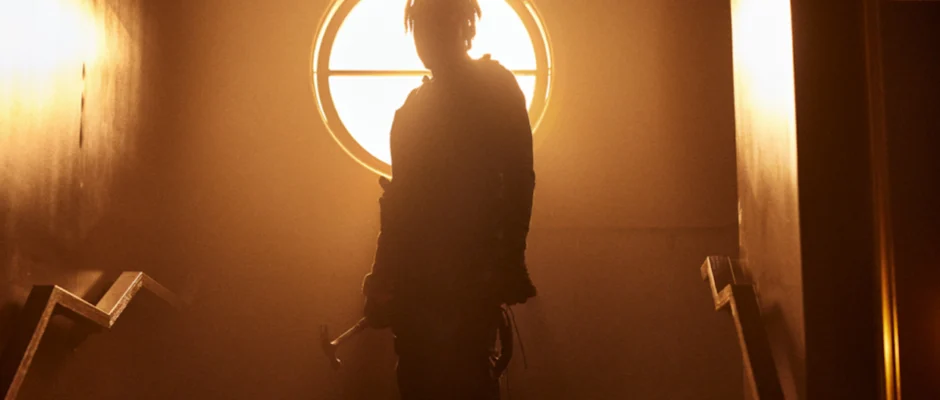
A defining artistic choice in One Spoon of Chocolate is its unique approach to violence. The film deliberately delays the introduction of firearms, instead relying on blunt, visceral physical contact. This decision serves multiple purposes. By removing guns and obscuring specific temporal markers, RZA aims to create a sense of timelessness, allowing the audience to infer the era—whether the 70s, 80s, or "yesterday." The absence of guns for the villains is also logically grounded in the plot, as they must protect a "product."
This stylistic choice is a direct homage to RZA’s deep affection for classic kung fu films. He recalls his disdain for martial arts movies that prematurely introduced guns, citing specific inspirations like the Shaw Brothers’ The Duel (also known as Duel of the Iron Fists), a 75-minute spectacle of knife fights culminating in a sudden police shootout. Similarly, Bruce Lee’s The Chinese Connection (aka Fists of Fury) withholds firearms until the climactic confrontation with the military. These cinephile influences are woven into the fabric of One Spoon of Chocolate, shaping its intense and unstylized portrayal of combat.
The Indispensable Theatrical Experience
RZA is an ardent advocate for the theatrical experience, a conviction that profoundly influences his filmmaking approach. Having premiered One Spoon of Chocolate to an appreciative audience at Tribeca, he expresses immense satisfaction in its theatrical release. "This film was made for theaters. Everything else is ancillary," he asserts, drawing a clear distinction between the intended primary viewing experience and subsequent distribution channels.
For RZA, the decision to make a movie versus a TV show dictates every technical and artistic choice. He details the use of specific anamorphic lenses from the 1950s, multi-camera setups, and expansive wide shots or drone footage capturing scenes like a chase through a junkyard filled with a thousand cars. These visual elements, he argues, demand the immersive scale of a big screen to be fully appreciated.
Equally crucial is the sound design, a discipline RZA understands intimately from his musical background and early composing work. He highlights the contributions of Greg Hedgepath and Bobbi Banks, renowned sound designers who worked on films like Straight Outta Compton and 2 Fast 2 Furious, and who previously collaborated with him on Love Beats Rhymes. Their meticulous work on One Spoon of Chocolate was specifically calibrated for cinematic sound systems, emphasizing the importance of a properly equipped theatrical environment.
RZA’s steadfast commitment to theatrical exhibition extends to his future endeavors. He expresses hope that he will always be "allowed to continue to do that," and even plans to include clauses in potential streaming platform contracts mandating a theatrical release for his films. "I’m a cinema director," he declares, articulating a principled stand in an evolving industry landscape increasingly dominated by streaming. This stance underscores a broader industry debate about the sanctity of the big screen experience and the artistic intent behind filmmaking choices.
In essence, One Spoon of Chocolate is more than just RZA’s latest film; it is a manifestation of his artistic journey, a culmination of decades of learning, collaborating, and honing his craft. It represents a bold statement of creative independence and a reaffirmation of his profound belief in the power and necessity of the communal, immersive experience of cinema. As RZA continues to evolve, his dedication to the art form, whether through his groundbreaking music or his increasingly diverse and personal cinematic visions, remains unwavering.