The third edition of the Los Angeles Festival of Movies (LAFM), held recently across various Eastside venues, underscored its distinct identity as a vital community hub and a platform for experimental cinema, even as it navigated significant shifts in its sponsorship landscape. Far from the perceived glitz and glamour often associated with Los Angeles, this year’s festival presented a more grounded and purposeful experience, emphasizing artistic integrity and community engagement over commercial spectacle.
The Evolving Landscape of Los Angeles Film Festivals
Los Angeles, a global epicenter for film production, has paradoxically witnessed a challenging environment for its film festivals in recent years. Several established festivals have either shuttered or faced severe financial strain, leaving a void in the city’s cultural calendar. This trend reflects broader industry challenges, including increased competition for sponsorship, the rise of streaming platforms, and shifting audience consumption habits. In this evolving ecosystem, LAFM has carved out a crucial niche, distinguishing itself from larger, more commercially driven counterparts. Its commitment to showcasing diverse, often experimental, and community-relevant cinema has positioned it as an indispensable institution, particularly for emerging filmmakers and local cinephiles. The festival’s deliberate choice of Eastside venues, while geographically dispersed, fosters a sense of discovery and encourages engagement with different facets of Los Angeles’s vibrant cultural neighborhoods. This approach contrasts sharply with the consolidated, often insular, environments of more traditional festivals, aiming instead to integrate cinema into the fabric of daily urban life.
LAFM’s Financial Reorientation and Mission Amidst Industry Scrutiny
A significant development preceding the 2026 festival was its parting of ways with major sponsor MUBI. This decision stemmed from MUBI’s receipt of a substantial $100 million investment from Sequoia Capital, a venture capital firm whose portfolio notably includes Kela, an Israeli defense tech company. This divestment highlights a growing ethical dilemma within the arts and culture sector: the increasing scrutiny of funding sources and their alignment with organizational values. For many independent cultural institutions, the provenance of financial support has become as critical as the support itself.
The LAFM organizers, now solely co-presented by Mezzanine and the Kino Film Collection (Kino Lorber’s streaming arm), publicly reaffirmed their commitment to maintaining artistic independence and ethical alignment. While industry murmurs suggested a more "scaled back" festival this year—evidenced by fewer overwhelmingly open-bar parties and a less "buzzy" programming slate compared to previous editions—this shift was framed by organizers as a deliberate return to core principles. A representative from Mezzanine, speaking on background, emphasized, "Our focus has always been on the art and the community it serves. While external partnerships are vital, they must never compromise our foundational values. This year allowed us to deepen our commitment to emerging voices and vital storytelling, free from the pressures of purely commercial metrics." This reorientation allowed LAFM to solidify its reputation as a festival prioritizing authentic cinematic experience and community dialogue over lavish displays or celebrity-driven programming. This stance resonates with a segment of the film community increasingly concerned about the commercialization of art and the ethical implications of corporate sponsorship.
Programming Highlights: A Deep Dive into Featured Films
The 2026 program, though perhaps less star-studded, delivered a compelling selection of films that resonated deeply with contemporary issues and reflected LAFM’s unique curatorial vision.
Maddie’s Secret: Deconstructing Influencer Culture and Eating Disorders
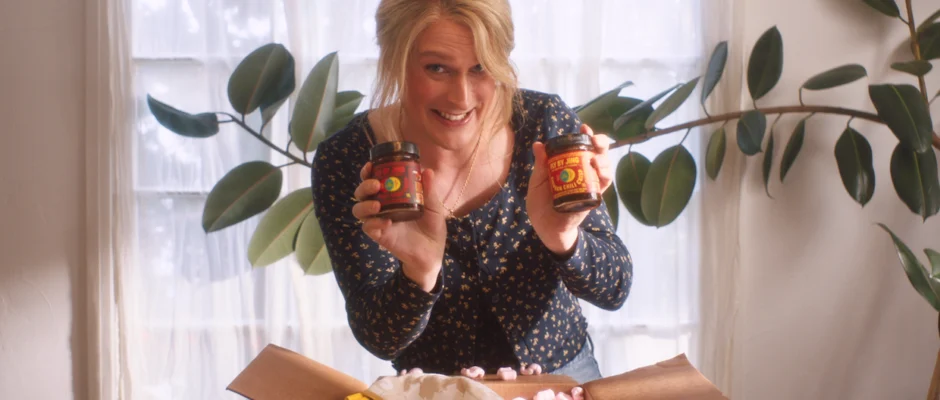
The opening night selection, Maddie’s Secret, marked the feature debut of writer, director, and star John Early. The film immediately immersed audiences in the complex realities of modern Los Angeles, particularly its influencer culture and the pervasive pressures surrounding image and perfection. Early’s portrayal of Maddie, a seemingly saccharine food influencer grappling with bulimia off-camera, offered a nuanced critique of the performative nature of online personas and the severe mental health struggles often concealed beneath a veneer of flawlessness.
Maddie’s Secret deftly navigated a challenging tonal landscape, blending melodramatic elements reminiscent of 1980s television specials with the sharp, often abrasive humor of alt-comedy. This stylistic juxtaposition proved remarkably effective, preventing emotional moments from veering into triteness and ensuring that comedic beats never undermined the profound humanity of the characters. Early’s script and direction avoided presenting characters as mere punchlines, extending empathy even to figures often caricatured, such as the patients encountered in a treatment facility, presented with a subtle nod to the aesthetics of Girl, Interrupted without resorting to simplistic tropes.
The film’s impeccable production design, attributed to Gordon Landenberger, was a standout feature, skillfully reinterpreting modern ephemera through an ’80s pastiche. This aesthetic choice not only provided a unique visual texture but also underscored the timeless nature of the pressures Maddie faces, linking contemporary anxieties about body image and social performance to historical patterns. The film’s unflinching depiction of bulimia, including delicately rendered scenes involving vomit-flecked toilet bowls, underscored the raw, often absurd reality of eating disorders. In a city where outward perfection and aspirational lifestyles are often glorified, Maddie’s Secret offered a potent, perhaps even confronting, reflection on the hidden struggles beneath the polished surface, providing a critical counter-narrative to the idealized Los Angeles narrative. The film’s absence of its multi-hyphenate creator, John Early, who was performing in Wallace Shawn’s What We Did Before Our Moth Days in New York, ironically highlighted the bicoastal nature of artistic endeavors, while the enthusiastic reaction from the largely LA-based cast present at the screening underscored the film’s local resonance.

Isaiah’s Phone: A Provocative Look at Adolescent Isolation and Violence
Undoubtedly the festival’s standout, Isaiah’s Phone by filmmaker Da, offered a raw and deeply unsettling exploration of adolescent angst, social isolation, and the roots of violence. The film’s unique methodology, entirely shot and partly conceived by its teen star, Isaiah Brody, lent it an unparalleled authenticity. This experimental approach blurred the lines between documentary and fiction, presenting a portrait of teen strife that felt both intensely personal and universally relatable.
The film delves into the familiar territory of adolescent struggles—romantic rejection, social stigma, and a profound lack of autonomy—but elevates these experiences beyond superficial portrayals. Its power lies not in a shocking moment of violence, but in its ability to evoke a deep sense of empathy for Isaiah’s predicament. Viewers, regardless of their own high school experiences or generational background, could connect with the universal feeling of alienation and misunderstanding that defines Isaiah’s world.
Isaiah’s Phone entered the discourse amidst ongoing debates about the social responsibility of cinema, particularly in relation to films like Kristoffer Borgli’s The Drama, which has sparked discussions on whether certain portrayals of violence are productive or merely sensationalistic. Isaiah’s Phone offered a compelling counterpoint, demonstrating how a film can tackle sensitive subjects with profound nuance, encouraging viewers to move beyond cursory arguments about representation to genuinely engage with the complex realities it depicts. The provocative ending of Isaiah’s Phone served not as a mere shock tactic but as an urgent invitation for deeper societal introspection into the distinctly American phenomenon of school violence and the often-overlooked emotional landscapes of young men. LAFM’s decision to program Da’s film, when many other festivals have shied away, underscored its commitment to confronting difficult realities and fostering crucial dialogues, prioritizing direct engagement with societal issues over cautious programming.
Macho Dancer Restoration: Queer Cinema and Socioeconomic Realities
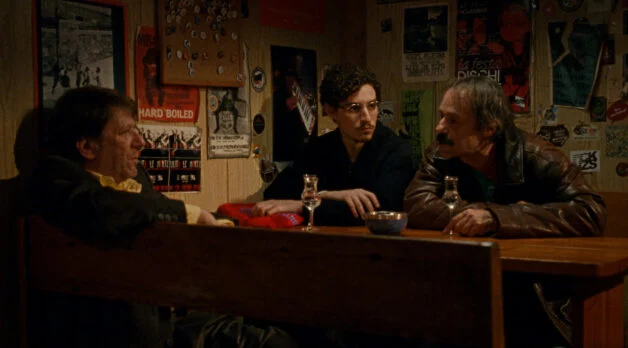
The festival concluded with a meticulously restored version of Lino Brocka’s 1988 Filipino classic, Macho Dancer. This programming choice resonated thematically with Early’s and Da’s films, despite their vastly different contexts. Set against the backdrop of Manila’s queer sex work scene, Brocka’s film unflinchingly explored occupational hazards including sexual assault, human trafficking, addiction, and employer exploitation. Yet, remarkably, it maintained an emphatically lighthearted tone, a stylistic choice characteristic of its era and culture.
The film also carefully highlighted the distinct pressures faced by the dancers, particularly the pervasive lack of genuine social and romantic intimacy amidst their transactional lives. Brocka’s melodramatic slant, while a product of its time, found an unexpected echo in Early’s fascination with 1980s aesthetics. More significantly, Macho Dancer‘s exploration of male-centric struggles, including a central queer thread, worked to challenge common cultural misconceptions, much like Isaiah’s Phone did for its contemporary subjects. While some critics noted a perceived lack of potent chemistry between lead actors Daniel Fernando and Allan Paule, the film’s enduring power lies in its candid portrayal of a marginalized community and its complex internal dynamics. Its restoration and screening at LAFM underscored the festival’s dedication to showcasing global cinematic heritage and its relevance to ongoing conversations about identity, exploitation, and resilience.
Community Engagement and Industry Impact: LAFM as an Oasis
LAFM’s distinct approach to programming and its emphasis on community engagement reinforce its role as a critical cultural institution in Los Angeles. In a city often criticized for its superficiality, the festival offers an authentic counter-narrative, fostering a space where experimentation is celebrated, and meaningful dialogue is prioritized. The co-presentation by Mezzanine and the Kino Film Collection signals a collaborative spirit that supports independent distribution and exhibition, crucial for the vitality of non-mainstream cinema.
The festival’s ethos stands in stark contrast to the commercial pressures often faced by larger, more financially endowed festivals. By embracing a "scaled back" model, LAFM demonstrates that artistic merit and community building do not require exorbitant budgets or celebrity endorsements. This model could serve as a blueprint for other independent festivals struggling to maintain their identity in an increasingly consolidated media landscape. Its commitment to showcasing films like Isaiah’s Phone, which tackle sensitive societal issues with innovative approaches, solidifies its reputation as a courageous and forward-thinking platform.
Challenges and the Path Forward
While LAFM has successfully cultivated a unique identity, challenges remain. Sustaining an independent festival without major corporate sponsors requires robust community support, innovative funding strategies, and continued dedication from its organizers and volunteers. The geographical spread of its Eastside venues, while intentional for community integration, can pose logistical challenges for attendees, potentially impacting overall viewership. However, this inconvenience is often outweighed by the opportunity to discover new cinematic voices and engage with films that might otherwise be overlooked by mainstream platforms.
LAFM’s continued existence and growth are vital for the independent film ecosystem, not just in Los Angeles but globally. It serves as a necessary antidote to the homogenization of content and the increasing dominance of large media conglomerates. By championing personal storytelling, formal experimentation, and a DIY spirit, LAFM ensures that cinema remains a vibrant, diverse, and ethically conscious art form. Its future success will depend on its ability to continue fostering strong community ties, securing sustainable funding aligned with its values, and consistently delivering a program that challenges, enlightens, and inspires. The festival’s 2026 edition proved that even in an era of industry flux and ethical scrutiny, a focused, community-driven approach can not only survive but thrive, continuing to offer an essential "oasis" in Los Angeles’s complex cultural landscape.