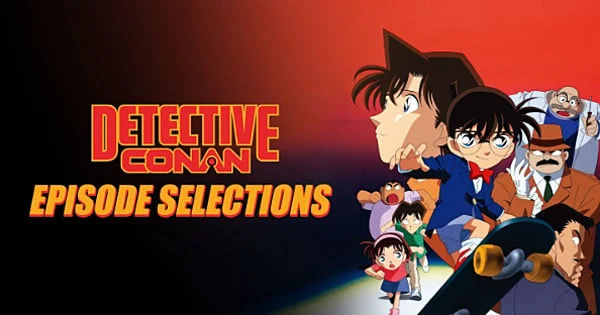
The recent release of The FBI Intervention episodic collection, part of an ongoing strategy by TMS Entertainment to highlight key plot points within the sprawling Detective Conan franchise, has brought to light significant challenges inherent in this distribution model. While intended to offer fans focused access to crucial narrative arcs, this particular batch of episodes, overseen by Studio Nano, has inadvertently exposed the pitfalls of releasing content out of its intended chronological sequence, particularly when dealing with established lore and character development. This analysis delves into the structural issues presented by The FBI Intervention, examining its impact on narrative tension, character immersion, and the overall viewing experience for both dedicated followers and newcomers to the long-running anime.
The Evolution of Detective Conan’s Narrative Releases
Detective Conan, a franchise celebrated for its intricate mysteries and overarching espionage plot, has historically presented its narrative in a primarily linear fashion. However, the sheer volume of episodes—currently exceeding 1,000—and the episodic nature of many standalone cases have created a demand for curated content. TMS Entertainment’s initiative, beginning with the Conan Vs. The Black Organization series, aimed to address this by compiling episodes central to the main storyline, focusing on the enigmatic Black Organization and their machinations.
The initial Conan Vs. The Black Organization releases, while commendable in their intent, encountered an early hurdle: the omission of crucial connective episodes. These missing segments often served as vital build-up to major plot revelations and character introductions. While the core climaxes remained impactful, the absence of preceding context meant that viewers were not experiencing the full narrative arc, particularly concerning the introduction and undercover activities of key FBI operatives. This led to a fragmented understanding of character motivations and plot progression for those who relied solely on these curated batches.
The Unintended Consequences of The FBI Intervention
The FBI Intervention collection specifically targets episodes where the protagonist, Conan Edogawa (a child persona of high school detective Shinichi Kudo), harbors suspicions about a group of individuals later revealed to be FBI agents. These episodes, originally interspersed within the broader series, were designed to foster suspense and intrigue. Conan, operating with limited information, meticulously observes and investigates these mysterious figures, creating a dramatic tension derived from the audience’s own uncertainty.
However, by releasing these "suspicion" episodes as a standalone collection, TMS Entertainment has, inadvertently or otherwise, stripped them of their narrative potency. When viewed in this sequential, isolated manner, the element of surprise and dramatic irony is lost. The audience is aware from the outset that these individuals are FBI agents, undermining the suspenseful back-and-forth that characterized their original placement within the series. What should have been scenes of Conan grappling with doubt and deduction now feel like narrative filler, as the audience already possesses the crucial information that Conan is actively seeking.
This de-escalation of tension has several implications:
- Erosion of Character Immersion: The core of these episodes lies in Conan’s perspective, his investigative process, and the audience’s shared journey of discovery. By pre-empting the revelation, viewers are distanced from Conan’s internal experience, diminishing their ability to empathize with his suspicions and strategic maneuvering.
- Dilution of Dramatic Impact: The dramatic reveals and confrontations that often punctuate the Black Organization saga lose their punch when the groundwork for them has been presented without the necessary buildup. The impact of characters being exposed or confirmed in their roles is significantly reduced.
- Pacing Issues: Episodes that were designed to be paced with a deliberate unveiling of information now feel protracted and drawn out. The focus shifts from the unfolding mystery to the characters’ actions, which, without the underlying suspense, can appear less compelling.
Examining the Content and its Context
The Detective Conan franchise has a well-established canon, with over 1,000 episodes and numerous films and manga volumes. The Black Organization storyline, a central pillar of the series, involves a clandestine criminal syndicate whose activities are investigated by various law enforcement agencies, including the FBI. The introduction of prominent FBI characters such as Jodie Starling, James Black, and Shuichi Akai marked a significant expansion of the series’ international scope and the complexity of its espionage narrative.
These FBI agents were initially depicted as operating independently, their true affiliation and objectives concealed from Conan and the wider cast for a considerable period. The episodes now collected under The FBI Intervention were crucial in establishing their presence, showcasing their surveillance of Conan, and hinting at their clandestine operations. They often involved subtle tests of Conan’s intellect, designed to gauge his capabilities and potential threat or ally status.
The decision to group these episodes, which logically precede or run concurrently with the full reveal of the FBI’s involvement in the Black Organization conflict, creates a chronological paradox for the viewer. For instance, the reveal of Akai’s true identity and his undercover role within the Black Organization is a pivotal moment. Episodes that feature him operating in a capacity where his true allegiance is unknown, and Conan is actively investigating him, lose their intended dramatic weight when presented as a pre-packaged unit labeled with the very organization they are ostensibly investigating.
The Case of the Omitted Context
The original Conan Vs. The Black Organization releases already faced criticism for omitting essential plot-advancing episodes. The FBI Intervention appears to be a collection of many of these previously sidelined segments. The problem is exacerbated by the titling and packaging of this new release. Naming a collection "The FBI Intervention" immediately signals the presence and role of the FBI, directly spoiling the intended mystery for viewers who might be encountering these episodes for the first time. This stands in stark contrast to the original narrative, where the gradual revelation of the FBI’s involvement was a key driver of suspense.
The implications of this release strategy are significant:
- New Viewer Confusion: For individuals new to Detective Conan or those who have not followed the series meticulously, this release could present a confusing entry point. Without a clear understanding of the chronological order, the narrative logic and character development can be severely compromised. The need for a supplementary guide to understand the correct viewing sequence for new fans highlights a fundamental flaw in the release strategy.
- Redundancy for Existing Fans: Dedicated fans who have followed the series in its original broadcast order will likely find these episodes redundant. They have already experienced the suspense and the revelations in their intended context. The re-release, stripped of its original narrative tension, offers little new insight or engagement.
- Impact on Case Quality: The article notes that the individual cases within The FBI Intervention are often overshadowed by the focus on Conan’s suspicion of the FBI. This suggests that the primary mysteries, which are a cornerstone of the Detective Conan appeal, are relegated to a secondary role, potentially diminishing their overall quality and impact. When the resolution of a criminal case becomes secondary to the unfolding espionage plot, the core appeal of a detective series can be diluted.
Potential Strengths and Adaptation Nuances
Despite the significant structural and narrative challenges, The FBI Intervention collection does offer a point of interest for a specific segment of the audience: those interested in the intricacies of anime localization and dubbing. The Detective Conan franchise, particularly with its international cast of characters, presents unique challenges for English dub production.
The original Japanese voice actors for characters like Jodie Starling and James Black often employ exaggerated accents and mannerisms to convey their American origin and undercover status. The English dub, handled by professionals such as Bryn Apprill (Jodie) and Philip Weber (James Black), requires a delicate balance to capture these nuances without resorting to caricature. The article highlights the attention to detail in their performances, noting how they convey a "ditsy American archetype" and incorporate specific linguistic quirks that reflect the characters’ backgrounds.
This aspect of the release, focusing on the adaptation workarounds and the vocal performances, can be seen as a selling point for those who appreciate the craft of dubbing and localization. The challenges of conveying cultural and linguistic differences across media are substantial, and the effort put into these adaptations, particularly in differentiating accents and speech patterns, is a testament to the dedication of the production teams. This serves as a valuable case study in how international anime is made accessible and engaging for Western audiences.
Future Implications and Recommendations
The current release strategy for Detective Conan‘s narrative arcs, while potentially driven by market demand and the desire to capitalize on popular storylines, carries significant risks. The fractured presentation of the narrative can alienate new viewers, frustrate long-time fans, and ultimately detract from the overall quality of the viewing experience.
A more effective approach would involve a commitment to chronological release order. While this may require a longer lead time to adapt sufficient episodes, it would ensure that the narrative is presented with its intended pacing, suspense, and character development intact. The success of previous curated releases suggests a strong audience appetite for these plot-heavy episodes. The logical next step would be to adapt them in a manner that preserves their narrative integrity.
It is hoped that TMS Entertainment will reassess its strategy to prioritize a cohesive viewing experience. The ideal scenario would involve adapting these crucial plot episodes linearly, allowing the audience to follow Conan’s journey and the unfolding Black Organization saga without chronological disruptions. This would not only enhance the viewer’s immersion but also safeguard the integrity of the beloved Detective Conan franchise. The continued success of such initiatives hinges on their ability to deliver a compelling narrative, not merely a collection of thematically linked episodes. The current iteration of The FBI Intervention serves as a cautionary tale, illustrating that even well-intentioned efforts to streamline content can inadvertently undermine the very narrative they seek to promote.