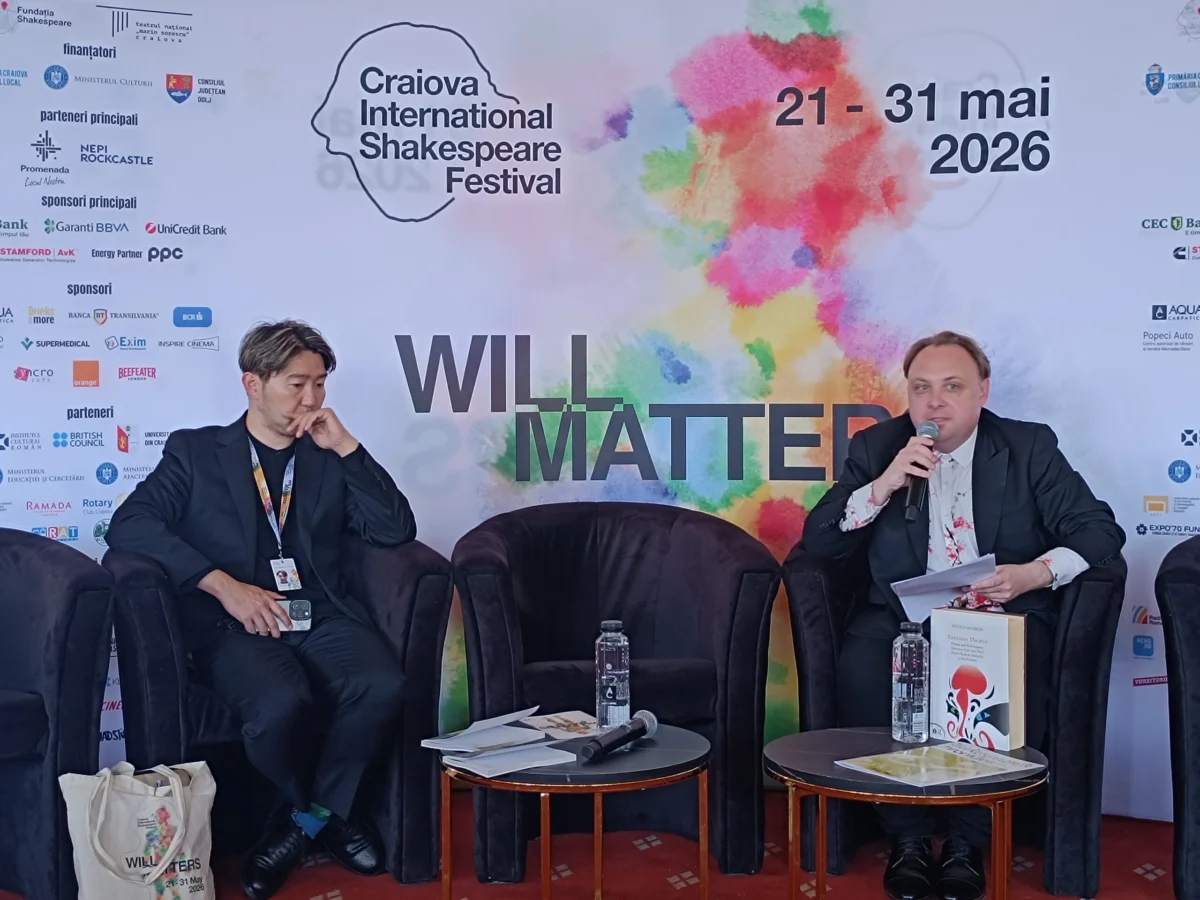
Craiova, Romania – The prestigious Craiova International Shakespeare Festival recently hosted a compelling address by Nikodem Karolak, founder of InlanDimensions International Arts Network, shedding light on the intricate process of cultural mediation between Japan and Europe. His talk, a central feature of this year’s groundbreaking Japanese contemporary focus, marked a significant departure for the festival, dedicating its opening days to the cultural landscape of a single nation for the first time in its history, a testament to the growing global interest in diverse theatrical traditions.
The Festival’s Groundbreaking Focus on Japan
The Craiova International Shakespeare Festival, renowned globally for its commitment to exploring the Bard’s enduring legacy through diverse international interpretations, has consistently served as a vital platform for cultural exchange. By dedicating its initial days to a comprehensive Japanese contemporary focus, the festival signaled a profound expansion of its mission, moving beyond purely Shakespearean adaptations to embrace a broader dialogue on global theatre. This strategic shift underscores a wider trend in the international arts community to de-center traditional Eurocentric narratives and foster deeper understanding of non-Western artistic expressions. According to festival organizers, the decision to spotlight Japan was driven by the country’s rich, multi-layered theatrical history, its vibrant contemporary scene, and the unique challenges and rewards associated with bringing its works to new audiences. It was an acknowledgment that theatre, in its most expansive form, transcends language and geographical boundaries, acting as a "living field of encounter" – a phrase Karolak himself would later echo – where artists, institutions, histories, and diverse systems of imagination converge.
InlanDimensions: A "Pontoon Bridge" for Eurasian Arts
Karolak’s presentation, titled "InlanDimensions International Arts Network: Arts Management in Japan from a European Perspective and Towards the Eurasian Theatre," meticulously traced the evolution of his organization. What began as a festival in Poland between 2019 and 2023 has since blossomed into a comprehensive international network. Karolak, who has been based in Tokyo for eight years and is fluent in Japanese, described InlanDimensions as a crucial "pontoon bridge" connecting Japan with other Eurasian cultures. Its expansive mandate covers not only theatre but also cinema, music, literature, dance, visual arts, conferences, and multifaceted international collaborations. Far more than a mere agency or production company, InlanDimensions functions as a curatorial and production platform, its deepest role lying in the art of mediation – a complex process that extends far beyond logistical coordination.
Navigating the Complexities of Cross-Cultural Production
A significant portion of Karolak’s address delved into the inherent complexities of collaborating with Japanese artists from a European viewpoint. He emphatically stated that the primary barrier is not linguistic, but rather the profound differences in thought processes, social conventions, institutional cultures, and fundamental expectations. Producing for a Japanese theatre group, musical ensemble, or filmmaker overseas, he explained, demands considerably more than the role of a conventional booker. It necessitates unwavering dedication, robust language support, extensive organizational assistance, significant emotional labor, and the painstaking cultivation of trust among individuals who may not share a common language or cultural framework. This often involves navigating subtle social cues, understanding indirect communication styles, and respecting hierarchical structures that differ markedly from Western norms. The implied investment of time and resources for such endeavors is substantial, reflecting the long-term commitment required for genuine cross-cultural collaboration.
A Personal Odyssey and the Roots of InlanDimensions
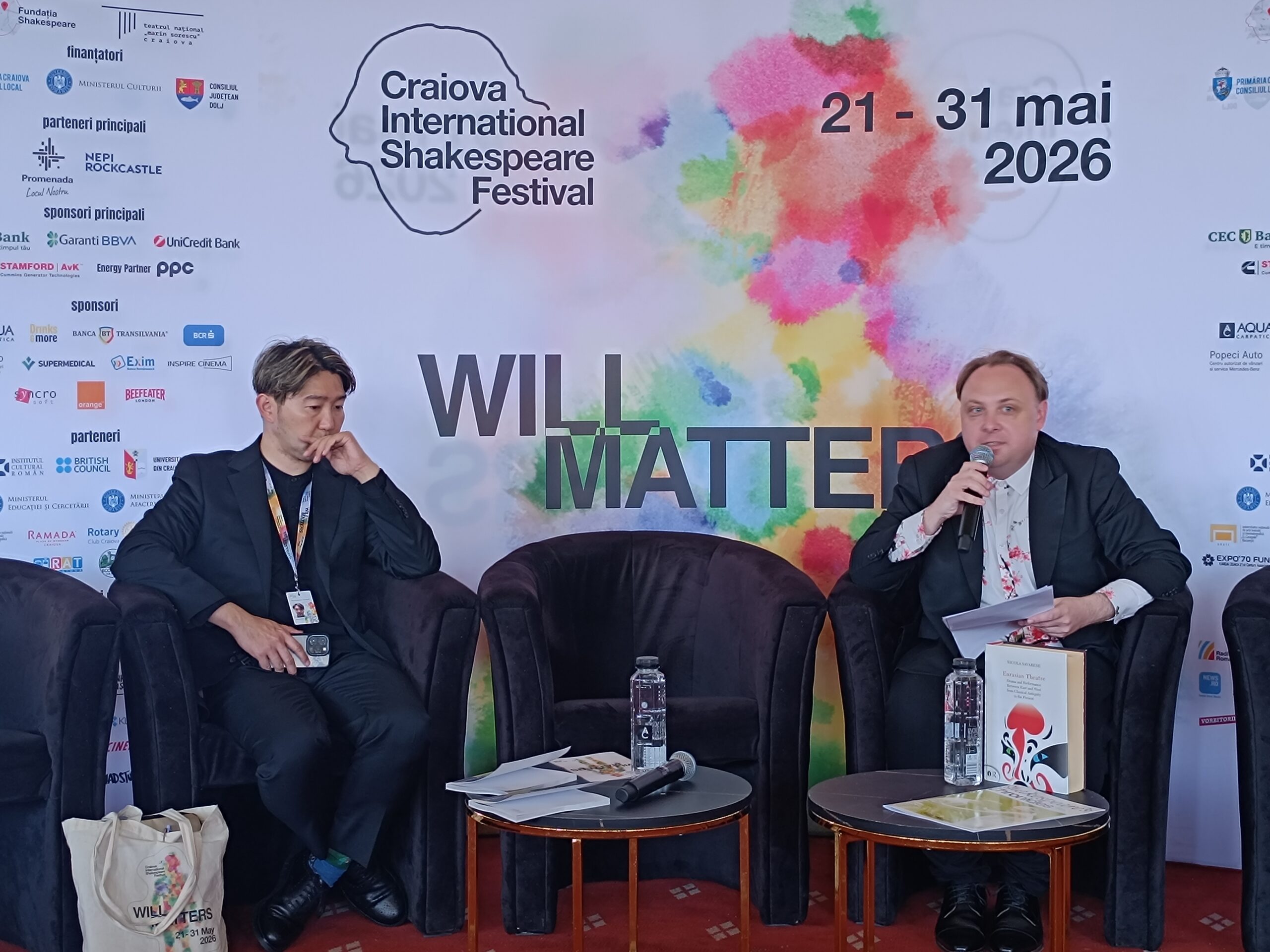
Karolak’s journey into this specialized field is deeply personal, with its origins tracing back to a pivotal moment in 2011. He recounted his first arrival in Japan on March 11, 2011, the very day the Great East Japan Earthquake struck. This profound experience of entering a Japanese family home just as the earthquake began indelibly shaped his initial relationship with the country. He later returned to Japan to pursue his studies, initially drawn by a fascination with Japanese cinema, before theatre emerged as the central focus of his professional life.
His path into Japanese underground theatre was strongly influenced by the legendary Shuji Terayama. As a student, Karolak visited Terayama’s grave on the anniversary of his death, an encounter that unexpectedly led him to meet members of the director’s family and surviving collaborators. After witnessing a performance by Ban’yū Inryoku Laboratory Theatre, he made a promise: if he ever became a curator or director, he would bring the company to Poland. This promise was fulfilled in 2019 when their work inaugurated the Inland Dimensions Festival, marking a significant milestone in his career and the network’s early development.
The historical relationship between Japanese and Polish avant-garde theatre also featured prominently in Karolak’s narrative. He highlighted the significant connection between Terayama and the iconic Polish director Tadeusz Kantor. Karolak underscored Kantor’s profound influence not only on Japanese theatre artists but also on dancers and creators such as Saburo Teshigawara. Similarly, Polish film director Andrzej Wajda holds an equally esteemed position in Japanese discussions surrounding cinema, illustrating a rich, reciprocal artistic dialogue that predates many contemporary exchange programs. These historical precedents provided a robust foundation for Karolak’s concept of "Eurasian theatre," demonstrating that cultural cross-pollination is not a new phenomenon but a continuous historical process.
Challenging the Homogenizing Label of "Asia"
One of the most provocative and illuminating ideas presented by Karolak was his assertion that "Asia does not exist." He clarified that this statement was not a denial of the reality of Asian cultures, but rather a forceful challenge to the vague, often reductionist, and frequently Orientalist manner in which the term is employed. He argued compellingly that when discussing "Asian theatre," specificity is paramount. One must distinguish between Japanese Noh, Korean theatre, the distinct styles of contemporary Japanese directors like Ryunosuke Kimura, the ethos of underground theatre, or specific regional traditions. Each operates according to unique histories, aesthetic principles, and institutional systems. Generalizing them under a single, amorphous label, Karolak contended, obfuscates more than it reveals, hindering genuine appreciation and understanding. This critical perspective encourages a more nuanced and respectful engagement with the diverse cultural landscapes of the continent.
The Ancient Principle of Artistic Migration in a Modern Context
Karolak drew compelling parallels between contemporary international theatre and much older movements of cultural exchange across the vast Eurasian continent. He referenced historical routes through which performance techniques, rituals, and artistic languages migrated, citing examples such as the movement of Greek theatrical elements eastward towards India. For Karolak, today’s vibrant ecosystem of international festivals, artist residencies, digital communication platforms, sophisticated funding systems, and intricate co-production agreements are not entirely novel phenomena but rather modern iterations of this ancient principle of artistic migration, albeit facilitated by vastly different means and technologies. This historical framing adds depth to the understanding of InlanDimensions’ mission, positioning it as a continuation of a timeless human endeavor to share and evolve artistic expression.
The Producer as an Architect of Artistic Conditions
Karolak’s discussion also profoundly redefined the role of the producer. He argued that a producer is far more than a mere handler of finances or logistics; they are, in essence, the architects who create the essential conditions in which art can not only survive but thrive. This multifaceted role encompasses developing the project concept, assembling the production team, meticulously securing funding, skillfully negotiating with venues and institutions, managing complex schedules, orchestrating publicity campaigns, supervising intricate technical processes, deftly handling unforeseen crises, and, critically, forging meaningful pathways between the artistic work and its intended audience.
The practical challenges involved are considerable, demanding an extensive repertoire of skills. Karolak highlighted the inherent difficulties in building mutual trust within Japan, a process that can often span years. He spoke of his enduring relationship with director Ryunosuke Kimura and the significant hurdles encountered in bringing a production like "Titus Andronicus" to Romania, particularly after previous versions were disrupted by the global pandemic. The freelance nature of many Japanese actors, rather than their being permanent members of established theatre institutions, introduces further fragility into scheduling, funding, and the entire international touring process, necessitating flexible and adaptive planning.
Adapting to a Post-Pandemic Landscape
The global pandemic, Karolak observed, has also significantly reshaped the mindset of many Japanese artists and producers regarding production. Previously, there was often a prevailing sense that a project had to adhere to a single, linear path. Now, he believes, there is a greater collective awareness that multiple pathways must remain open, and that adaptability to diverse technical, financial, and institutional realities is not merely advantageous but absolutely essential for a project’s viability and success. This newfound flexibility represents a crucial evolution in international arts management.
Philosophical Divergences in Theatrical Thinking
The discussion also delved into fundamental differences between Japanese and European theatrical philosophies. Drawing on examples from Noh, Kabuki, Tadashi Suzuki, and Jerzy Grotowski, Karolak posited that Japanese theatre frequently places profound emphasis not solely on spoken words but equally on signs, gestures, masks, physical presence, and what Grotowski termed "wokeness" rather than mere walking. This deeply physical and symbolic approach, he suggested, is central to unlocking a comprehensive understanding and appreciation of many Japanese stage works, demanding a different kind of engagement from the audience and a unique interpretive lens from producers and presenters.
Broader Implications and the Future of Global Theatre
Ultimately, Nikodem Karolak’s comprehensive talk framed InlanDimensions as a sustained and vital act of cultural mediation. Its presence and work at the Craiova International Shakespeare Festival transcended the simple presentation of Japanese productions. Instead, it focused on the much deeper mission of constructing robust bridges between artists, audiences, diverse traditions, and often disparate working systems that frequently struggle to understand one another. In this profound sense, the festival’s dedicated Japanese focus served as a tangible and compelling example of the very kind of cross-cultural encounter that InlanDimensions was meticulously created to facilitate.
The implications of such initiatives are far-reaching. They contribute to a more interconnected global arts community, fostering empathy and mutual respect through shared artistic experiences. By challenging monolithic cultural labels and highlighting the intricate nuances of national and regional artistic expressions, organizations like InlanDimensions play a crucial role in enriching the global cultural dialogue. As the world becomes increasingly interconnected, the role of cultural mediators who can navigate complex social, institutional, and aesthetic landscapes will only grow in importance, ensuring that diverse voices and artistic visions continue to reach and resonate with audiences worldwide. The Craiova International Shakespeare Festival, through its embrace of this Japanese focus and Karolak’s insightful contribution, has firmly positioned itself at the vanguard of this evolving global artistic landscape.