Magnolia Pictures has officially released the first trailer for Late Fame, a highly anticipated indie drama directed by Kent Jones and starring Academy Award nominee Willem Dafoe alongside Greta Lee. The film, which marks Jones’s return to narrative feature filmmaking following his critically acclaimed 2018 debut Diane, is scheduled to arrive in select U.S. theaters on August 7, 2026. Adapted from the novella by Arthur Schnitzler, the film offers a satirical yet poignant exploration of artistic legacy, the fickleness of fame, and the generational divide within the New York City creative scene.
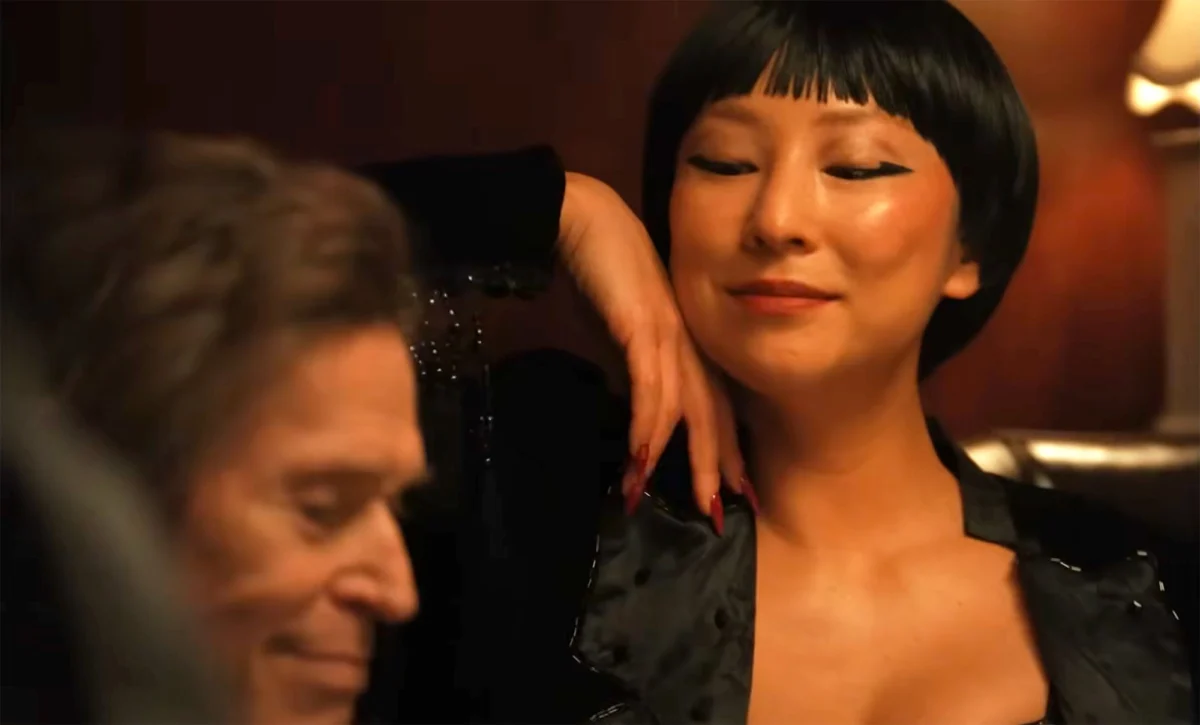
The narrative centers on Ed Saxberger (Dafoe), a forgotten poet who has spent decades living a quiet, unassuming life working at a New York City post office. His mundane routine is abruptly disrupted when he is discovered by a group of ambitious, twenty-something artists and intellectuals who hail him as a "rediscovered genius." Led by an ardent admirer played by Edmund Donovan, this group of young creatives draws Saxberger into their orbit, introducing him to a world of intellectual pretense and modern social dynamics. Central to this circle is Gloria (Lee), described as the group’s "tragic heroine," whose enigmatic presence and Kurt Weill-inflected performances further complicate Saxberger’s reentry into the limelight.
Narrative Themes and Cinematic Approach
Late Fame is being characterized as a wistful, unromanticized look at a "lost idea" of downtown New York. Unlike many films that glamorize the city’s artistic underbelly, Kent Jones and screenwriter Samy Burch—who received an Oscar nomination for her work on May December—opt for a more grounded and often witty observation of the industry. The script is noted for its sharp commentary on the pretensions of young, ambitious artists who are more enamored with the concept of a "forgotten master" than with the actual weight of the work itself.
The film explores the psychological toll of "late fame," as suggested by its title. For Saxberger, the sudden attention is both intoxicating and alienating. He is forced to reconcile his authentic past with the curated, idealized version of himself that the younger generation has constructed. This tension provides the backbone for the film’s drama, as Saxberger gradually begins to question the sincerity of his new followers and the value of his own poetic contributions in a modernized world.

The Creative Collaboration: Jones and Burch
The production of Late Fame brings together a formidable team of cinematic veterans. Kent Jones, who served for years as the Director of the New York Film Festival and is a renowned film critic, has built a second career as a filmmaker of deep sensitivity. His previous documentary work, such as Hitchcock/Truffaut and A Letter to Elia, showcased an encyclopedic knowledge of cinema history, which he translated into the narrative intimacy of Diane.
Working alongside Jones is Samy Burch, whose screenplay for Late Fame adapts Arthur Schnitzler’s 1913 novella of the same name. While the original source material was set in turn-of-the-century Vienna, Burch has transposed the story to contemporary New York, retaining the satirical bite while updating the cultural context. Burch’s involvement has been a point of significant interest for industry analysts, following her breakout success with May December, a film that similarly explored the complexities of public perception and personal truth.
The film is produced by a collective of seasoned indie veterans, including Pamela Koffler and Christine Vachon of Killer Films. Killer Films has long been a pillar of American independent cinema, responsible for titles such as Past Lives, Carol, and First Reformed. Their involvement, alongside producers Mason Plotts, Danny Roberts, H.S. Naji, Jackie Langelier, Taylor Shung, and Ethan Lazar, underscores the film’s pedigree within the independent circuit.
Cast and Performance Profiles
The casting of Willem Dafoe in the lead role has been cited as a primary draw for the production. Dafoe, known for his ability to balance high-budget spectacles with intimate character studies, brings what critics have called "delicate gravitas" to the role of Ed Saxberger. The role requires a performer who can convey both the weariness of a life lived in obscurity and the flickering vanity that comes with newfound recognition.
Greta Lee, whose career reached new heights following her lead performance in the Academy Award-nominated Past Lives, plays Gloria. Her character serves as a foil to Saxberger—a younger woman who embodies the performative tragedy often found in artistic circles. Lee’s performance reportedly includes musical elements, specifically crooning the works of Kurt Weill, which adds a layer of theatricality to the film’s downtown atmosphere.

Edmund Donovan rounds out the primary trio as the eager admirer who initiates Saxberger’s return to the public eye. Donovan’s character represents the bridge between the old guard of New York literature and the contemporary "influencer" era of the arts, where curation often precedes creation.
Festival Chronology and Critical Reception
The journey of Late Fame to its 2026 theatrical release began on the international festival circuit. The film held its world premiere at the 2025 Venice Film Festival, where it competed for top honors and received favorable early reviews. Critics at Venice praised the film for its "amusingly accurate observations" regarding the narcissism often found in creative communities.
Following its debut in Italy, the film traveled to several prestigious festivals, including:
- The New York Film Festival (NYFF): A "homecoming" premiere for Jones, where the film’s depiction of the city was met with local acclaim.
- The Vienna International Film Festival: A nod to the story’s original Austrian roots.
- The Stockholm International Film Festival: Where it continued to build momentum among European distributors.
Early critical consensus highlights the film’s "sly and hugely entertaining" script. Reviewers have noted that while the film is a drama, it possesses a dry, satirical wit that prevents it from becoming overly sentimental. The interplay between Dafoe’s grounded performance and the more eccentric performances of the supporting cast has been singled out as a highlight of the production.
Historical Context: The Schnitzler Influence
The decision to adapt Arthur Schnitzler is a notable choice for Jones and Burch. Schnitzler, a contemporary of Sigmund Freud, was a master of psychological depth and social satire in late-19th and early-20th-century Vienna. His works often dealt with the masks people wear in society and the underlying tensions of class and ego.

By moving the setting from Vienna to New York, the filmmakers suggest that the "pretensions of ambitious artists" are universal and timeless. The 1913 novella "Late Fame" (Später Ruhm) was itself a critique of the "Young Vienna" literary circle. Transposing this to the "New York Downtown" scene allows the film to comment on the cyclical nature of cultural trends and the way in which the youth culture often "reclaims" older artists to bolster their own social standing.
Industry Implications and Distribution
Magnolia Pictures’ decision to slate Late Fame for an August 7, 2026, release suggests a strategy aimed at capturing the late-summer "pre-awards season" window. August has increasingly become a favorable time for sophisticated indie dramas that serve as counter-programming to summer blockbusters.
The film enters a market where "adult dramas" and character-driven stories are finding renewed life through specialized theatrical releases followed by prestige streaming windows. For Magnolia Pictures, Late Fame represents a significant addition to their 2026 slate, aligning with their history of distributing high-quality, director-driven content.
Industry analysts suggest that Late Fame could be a contender in the upcoming awards cycle, particularly for Dafoe’s lead performance and Burch’s adapted screenplay. The film’s success will likely depend on its ability to resonate with both older audiences who identify with Saxberger’s "lost New York" and younger viewers who recognize the satirical portrayal of modern creative culture.
Summary of Release Information
As the release date approaches, Magnolia Pictures is expected to expand its promotional campaign, which currently includes the official trailer and a series of minimalist posters featuring Dafoe and Lee. The film’s official website has been launched to provide screening schedules and additional production insights.

- Film Late Fame
- Director: Kent Jones
- Screenwriter: Samy Burch (Based on the book by Arthur Schnitzler)
- Principal Cast: Willem Dafoe, Greta Lee, Edmund Donovan
- Distributor: Magnolia Pictures
- Theatrical Release Date: August 7, 2026
- Primary Festivals: Venice (2025), NYFF, Vienna, Stockholm
Late Fame stands as a testament to the enduring power of the New York indie film tradition. By blending a classic literary foundation with a contemporary satirical lens, Kent Jones and his team have crafted a narrative that is both a tribute to and a critique of the artistic spirit. As Saxberger reckons with his newfound poetic circle, audiences are invited to reflect on the authenticity of fame and the true value of a creative life lived away from the cameras.