The cinematic landscape is abuzz with the continued box office dominance of Curry Barker’s latest directorial effort, "Obsession." As the film solidifies its status as a summer blockbuster, attention is increasingly turning towards the creative decisions behind its most visceral and talked-about scenes. Specifically, the now-infamous "head smash" sequence, which reportedly pushed the boundaries of acceptable on-screen violence, has become a focal point for both audience fascination and industry discussion. Reports indicate that Barker intentionally edited down the graphic nature of this scene to avoid an NC-17 rating for the theatrical release, a move that has inadvertently fueled demand for an unrated or director’s cut that would showcase the full extent of the violence.
The Shocking Genesis of an NC-17 Contender
"Obsession," a film that defied initial expectations by transcending its perceived genre trappings, has been lauded for its willingness to embrace full-throttle horror. While trailers might have hinted at a more conventional thriller with psychological undertones, akin to "The Twilight Zone," the final product delivered a brutal and terrifying experience that has resonated with audiences. The film’s success, now surpassing $50 million domestically, is a testament to its ability to shock and engage viewers.
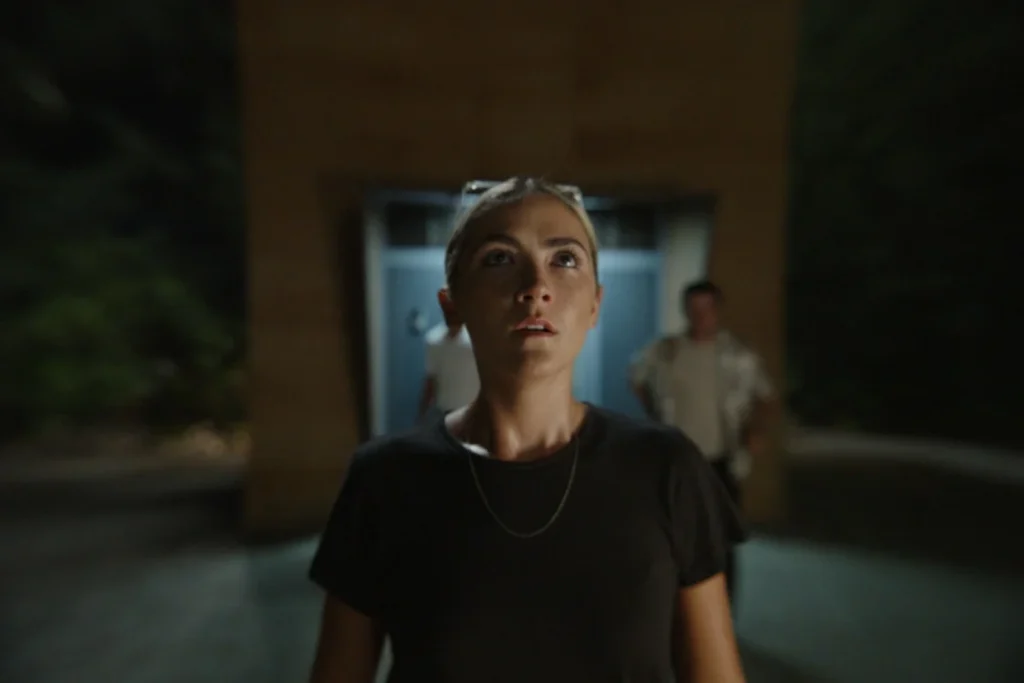
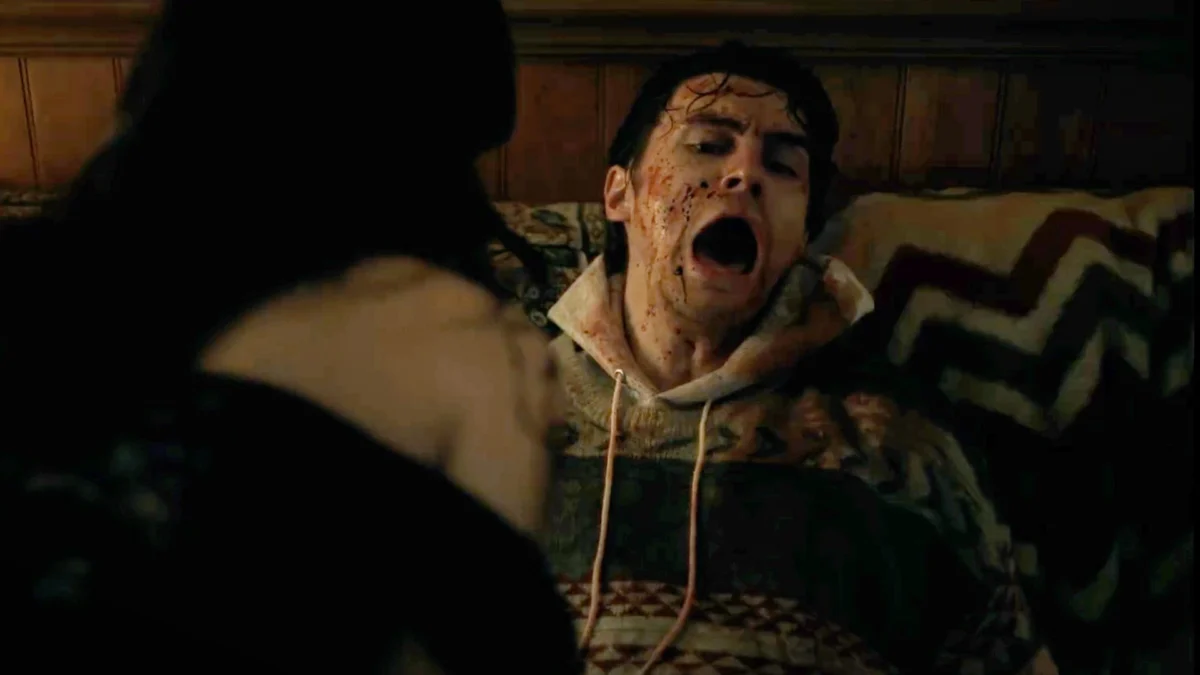
At the heart of this controversy is a scene involving the character Nikki, portrayed by Inde Navarrette. In a moment of extreme violence, Nikki reportedly emerges from outside a car, smashes through the window, seizes another character’s head, and repeatedly slams it against the steering wheel. The original depiction, as described, was so graphic that it necessitated significant trimming to secure an R rating for its wide release. This edited version, while still intensely disturbing and bordering on the extreme, has left a significant segment of the horror fan base clamoring for the original, unadulterated footage. This desire for the complete, uncompromised vision of such a scene is not uncommon within the horror community, where a deeper dive into the extreme is often a desired element.
Director’s Cut: A Promise or a Possibility?
In the wake of "Obsession’s" remarkable commercial performance, director Curry Barker has openly discussed the potential for a director’s cut. This version, he suggests, would allow for the inclusion of a wealth of footage that did not make it into the final theatrical release. Barker has indicated that assembling such a cut would be a considerable undertaking, requiring him to meticulously revisit and sift through extensive raw material. However, he has also expressed a willingness to embark on this project, contingent on the interest and support of the film’s distributor, Focus Features.
"I would love to do a director’s cut of this just because there’s so many things that are not in the movie," Barker stated in a pre-release interview with Popternative. "That would be really fun. But it would literally be a project for me. I would have to set aside some time to really dive into the footage again. It would have to be something that Focus [Features] really wants and I would be like, ‘Yes, let’s do it.’"
The remarkable box office figures achieved by "Obsession" in the weeks following its release have significantly bolstered the likelihood of this director’s cut coming to fruition. The film’s unexpected surge in popularity and profitability provides a strong economic incentive for the studio to explore additional revenue streams, such as a premium home video release featuring extended or alternative cuts.
The NC-17 Threshold and its Implications
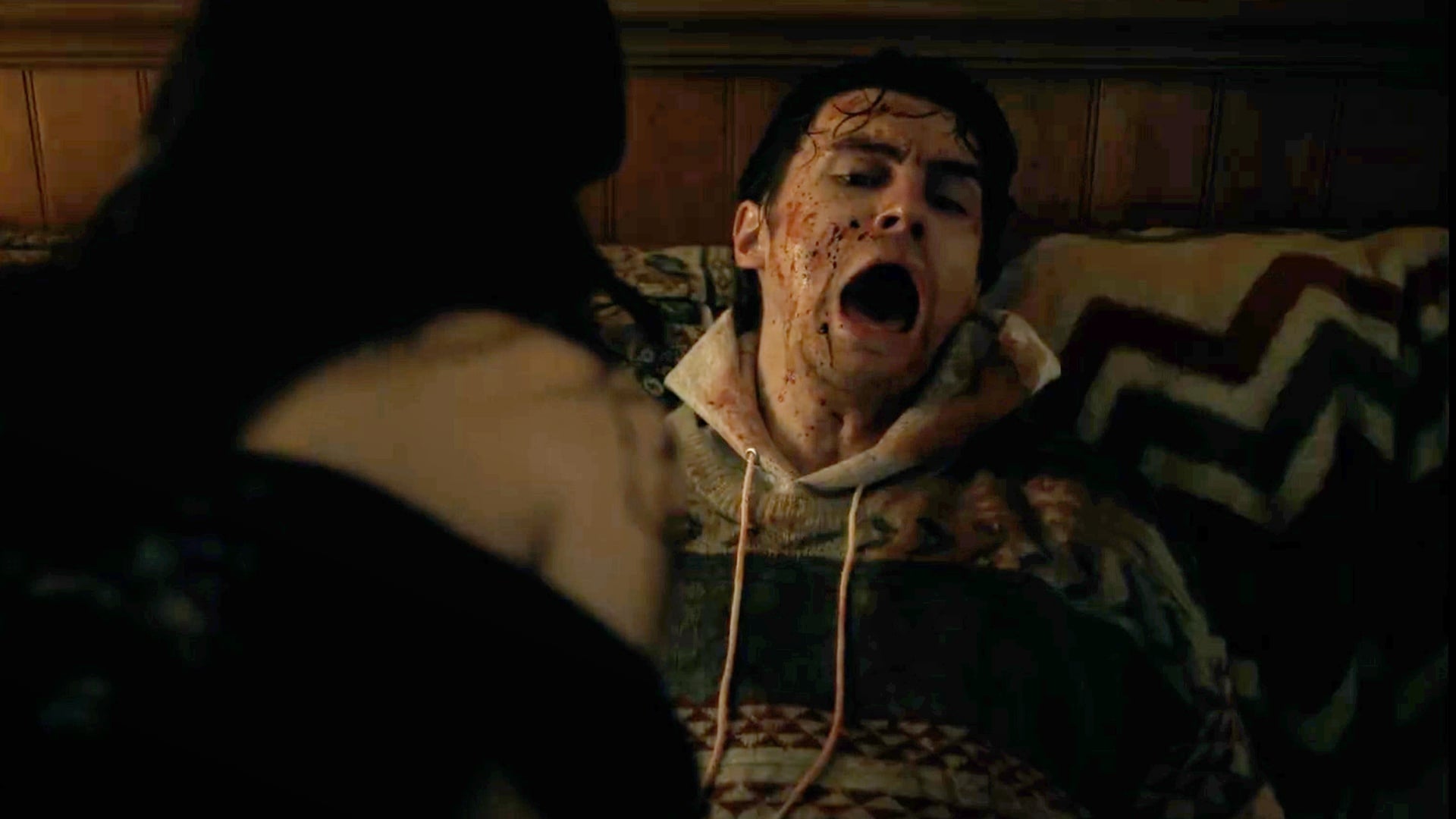
The decision to moderate the violence in the head smash scene to avoid an NC-17 rating is a common strategic move within the film industry. An NC-17 rating can severely limit a film’s commercial potential, as many mainstream theaters refuse to screen such content, and advertising restrictions are often more stringent. This rating typically signifies content that is considered unsuitable for audiences under 17 without parental guidance, often due to explicit sexual content, excessive violence, or strong language.
In the case of "Obsession," the film’s classification as a horror movie inherently implies a certain level of visceral content. However, the specific nature of the head smash scene appears to have presented a unique challenge, pushing the boundaries of what is permissible within an R-rated framework. The fact that the trimmed version remains "borderline NC-17" speaks volumes about the intensity of the original footage and the film’s commitment to a raw, unflinching portrayal of horror.
The anticipation for an unrated cut is a testament to the audience’s desire for authentic artistic expression, even when that expression delves into extreme territory. For horror aficionados, the unedited sequences often represent the director’s purest vision and can be crucial to fully appreciating the film’s thematic and emotional impact. The "unicorn" status of the full head smash sequence within "Obsession" highlights this fan sentiment.
Broader Context: The Evolving Landscape of Horror Cinema
"Obsession’s" success and the ensuing discussion about its violent content occur within a broader context of evolving trends in horror cinema. In recent years, there has been a resurgence of interest in more extreme and boundary-pushing horror films, often referred to as "elevated horror" or "New French Extremity" inspired cinema. Films that tackle dark themes with graphic realism have found significant audiences, demonstrating a growing appetite for challenging and unsettling cinematic experiences.
The commercial viability of "Obsession" suggests that audiences are not shying away from intense horror. Instead, they are actively seeking out films that deliver potent scares and explore the darker aspects of the human psyche. Barker’s approach in "Obsession," which balances a compelling narrative with visceral horror, appears to have struck a chord, proving that R-rated films can achieve significant box office success without compromising on their intended impact.
The potential for a director’s cut also reflects a growing trend in the film industry towards catering to dedicated fan bases. With the rise of streaming services and the ease of digital distribution, studios are increasingly exploring ways to offer extended versions of films, providing additional content and alternative perspectives. For a film like "Obsession," a director’s cut could serve not only as a draw for existing fans but also as a way to further analyze and appreciate the technical and artistic choices made by Barker and his team.
Future Prospects and Fan Engagement
The confirmation of "Obsession’s" impressive box office performance, exceeding $50 million domestically, solidifies the economic rationale for a director’s cut. This financial success, coupled with the director’s explicit desire to revisit the footage and the vocal demand from fans, creates a compelling case for Focus Features to greenlight the project. The timeline for such a release remains speculative, but the momentum generated by the film’s theatrical run suggests it could be a priority for home entertainment platforms in the coming months.
The inclusion of the full, unedited head smash scene in a director’s cut would undoubtedly be a significant talking point and a major draw for the film’s dedicated audience. It would offer a deeper insight into Barker’s original intentions and the uncompromised vision for the horror elements of "Obsession." The ongoing dialogue surrounding this particular scene underscores the power of visceral filmmaking and the enduring appeal of cinematic experiences that dare to push the boundaries. As "Obsession" continues its reign at the box office, the prospect of experiencing its most notorious scene in its entirety moves from a distant possibility to a highly anticipated reality for horror enthusiasts worldwide. The film’s journey from a festival screening to a box office phenomenon, with the potential for an even more extreme director’s cut, serves as a compelling narrative in itself, highlighting the unpredictable and often exhilarating nature of the modern film industry.