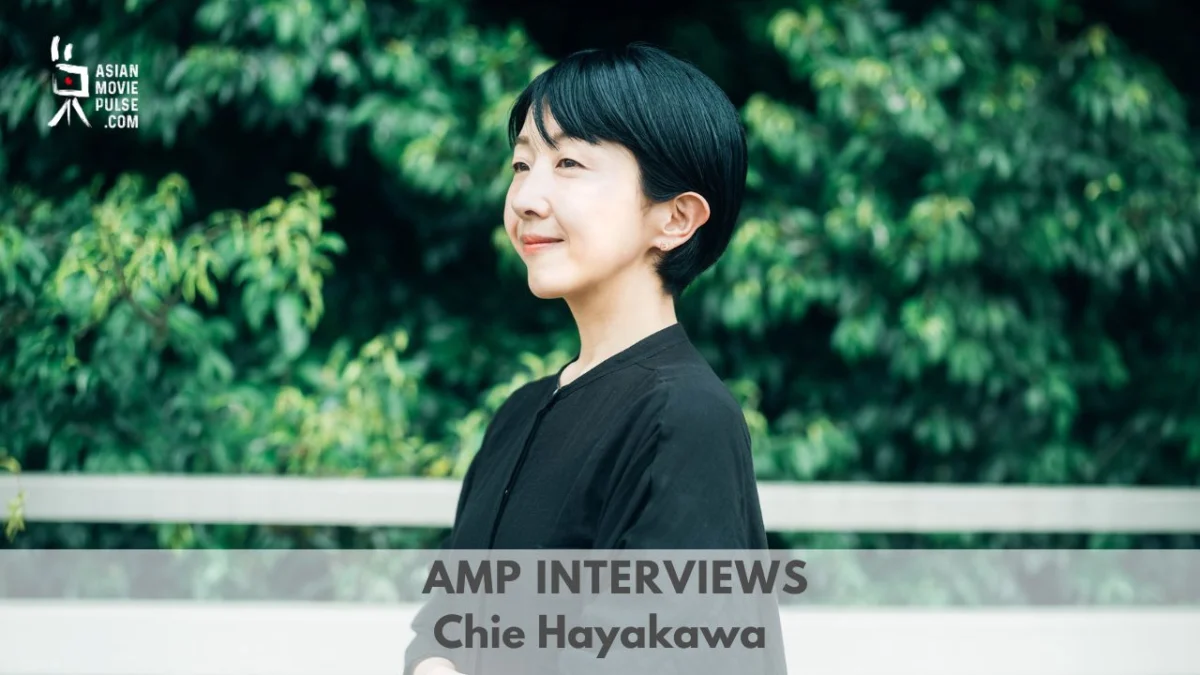
Following the significant international acclaim garnered by her debut feature, Plan 75, Japanese director Chie Hayakawa returns with her sophomore film, Renoir, a profoundly personal work that had its world premiere in the prestigious Official Selection of the Cannes Film Festival. The film, which stars an impressive ensemble including Yui Suzuki, Lily Franky, Hikari Ishida, Yuumi Kawai, Ayumu Nakajima, Ryota Bando, and Hana Hope, delves into the tender and complex landscape of childhood memory, drawing direct inspiration from Hayakawa’s own upbringing and her experience of growing up with a sick father. Set to open at the IFC Center on May 29, courtesy of Film Movement, Renoir marks a distinct thematic pivot from the dystopian social commentary of Plan 75, offering an intimate narrative rooted in late 1980s Japan.
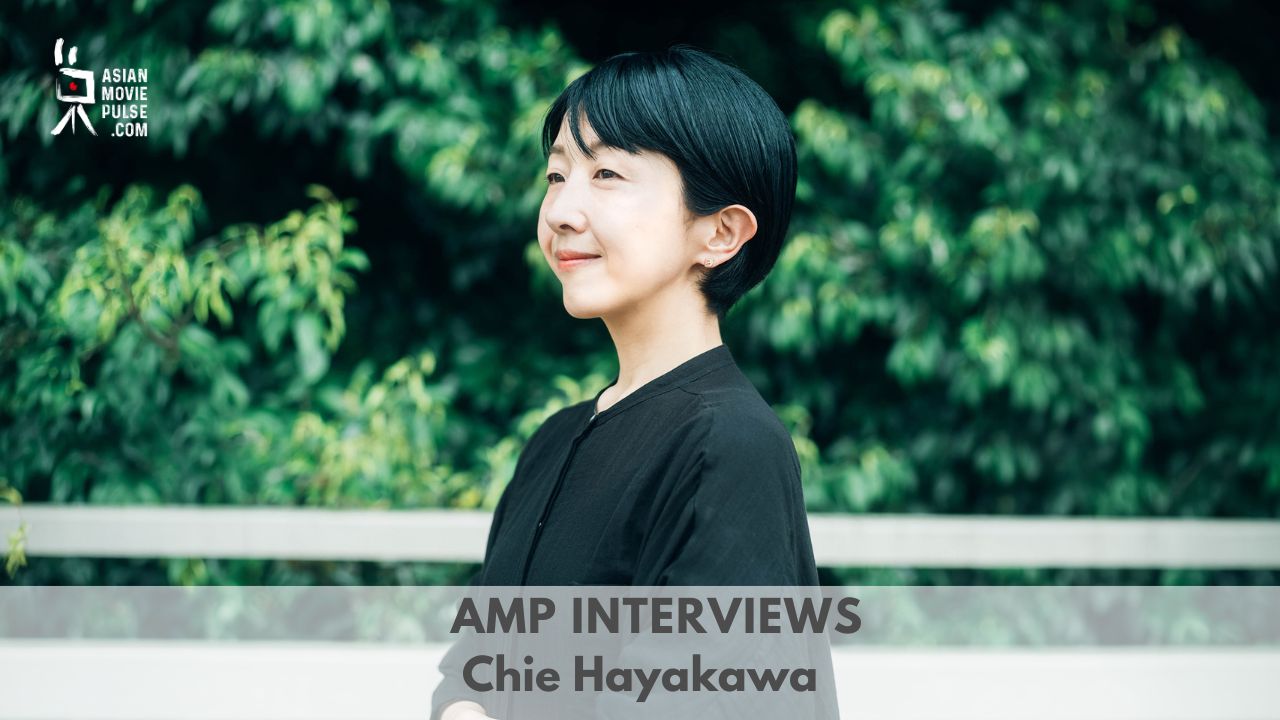
In a recent interview with Asian Movie Pulse, Hayakawa provided extensive insights into the intricate international framework that facilitated the film’s production, the deeply autobiographical wellspring of its story, her collaborative process with lead actors Yui Suzuki and Lily Franky, the formidable challenges encountered during the editing phase, and her nuanced perspective on the contemporary Japanese cinema landscape. Her discussions illuminated not only the artistic vision behind Renoir but also the pragmatic strategies required to bring such a unique project to fruition on the global stage.
The Strategic Imperative of International Coproduction
One of the foundational topics Hayakawa addressed was the sophisticated international coproduction model underpinning Renoir. This ambitious project brought together a diverse consortium of partners from several countries, including France, Singapore, the Philippines, Indonesia, and Qatar. For Hayakawa, this collaborative approach was not merely an option but a strategic necessity, a pathway she had successfully navigated with her debut. Plan 75, a poignant exploration of an euthanasia program for the elderly, was itself a coproduction involving France and the Philippines, and that experience profoundly influenced her approach to her second feature.
Hayakawa elaborated on the persistent challenges faced by aspiring and even established filmmakers within Japan. She explained that securing adequate financing for original scripts, particularly for debut directors, remains a significant hurdle in the domestic industry. This often pushes creative talent towards adaptations of existing works or projects with established commercial appeal, potentially stifling truly original voices. In stark contrast, European film markets, notably France, tend to offer more robust opportunities and funding mechanisms for new voices and first-time directors exploring artistic and independent narratives. This disparity led Hayakawa and her producer to actively seek out an international framework that could not only augment the film’s budget but also ensure a higher quality production outcome, free from the commercial pressures that might compromise artistic integrity. Given the efficacy of this strategy for Plan 75, she was resolute in pursuing a similar path for Renoir. The expanded budget allowed for meticulous period recreation, a more extensive shooting schedule, and access to a broader pool of talent and post-production resources, ultimately enriching the film’s visual and narrative tapestry.
From Social Dystopia to Personal Memory: The Genesis of ‘Renoir’
While Plan 75 plunged viewers into a chilling near-future dystopia, Renoir charts an entirely different course, deeply rooted in Hayakawa’s personal memory and emotional landscape. The film centers on Fuki, an 11-year-old girl navigating the complexities of life in late 1980s Japan as she grapples with her father’s debilitating illness and her mother’s palpable emotional distance. Hayakawa revealed a profound connection to the protagonist’s age, stating that her own desire to become a filmmaker first ignited when she was 11 years old. Over the ensuing years, she meticulously accumulated a repository of scenes and vignettes drawn directly from her own experiences and observations. The central artistic challenge, she confessed, lay not in recalling these past moments – a process she found natural and even cathartic – but in the arduous task of transforming these scattered, fragmented memories into a cohesive, compelling work of cinematic fiction. This process of shaping raw personal experience into universal narrative is a hallmark of many acclaimed filmmakers, and Hayakawa’s candid reflection offers a glimpse into the delicate balance between authenticity and artistic construction.
The Late 1980s: A Setting of Contradictions
The decision to set Renoir specifically in 1987 was intrinsically linked to Hayakawa’s personal history, as she was 11 during that pivotal decade. This era, therefore, naturally became the atmospheric backdrop for the film. Initially, the director considered a contemporary setting, partly to mitigate the higher costs associated with meticulously recreating the 1980s. However, certain specific details and narrative elements, particularly scenes involving landline telephones, proved indispensable to evoking the unique atmosphere of the pre-internet era, becoming integral to the world she envisioned for Fuki.
Hayakawa was particularly attuned to the profound contradictions inherent in Japan’s "bubble economy" of the 1980s. On the surface, this period was characterized by an exuberant optimism, rampant consumerism, and an unshakeable belief in a prosperous future, driven by unprecedented economic growth and asset price inflation. The Nikkei 225 index reached dizzying heights, and luxury goods and lavish lifestyles became symbols of the era. Yet, beneath this veneer of material abundance, Hayakawa perceived a subtle but significant weakening of human relationships and an unsettling emotional emptiness. She aimed to depict this stark contrast, highlighting the chasm between societal prosperity and individual emotional isolation. The absence of the internet, a ubiquitous presence in modern life, also played a crucial role. Hayakawa noted that without instant global connectivity, people’s access to the wider world was fundamentally different, and the world itself felt far more distant and perhaps less overwhelming. This perceived distance, paradoxically, contributed to a sense of carefree playfulness in daily life, an element that deeply fascinated her and that she sought to capture in Renoir. This era, often romanticized for its economic boom, here receives a nuanced, introspective examination through the lens of personal experience.
Collaborative Craft: Casting and Visual Storytelling
A substantial portion of Renoir‘s emotional resonance stems from the compelling performance of Yui Suzuki, who embodies the character of Fuki. Hayakawa candidly admitted that this was her inaugural experience working with a child actor and that she had anticipated a challenging process. To her pleasant surprise, Suzuki required remarkably little guidance. The director lauded the young actress’s innate talent, remarking that she scarcely needed to direct her, as Suzuki simply appeared in front of the camera with an authentic and compelling presence. This natural aptitude in a young performer is often cited by directors as a rare and invaluable asset.
The assembly of the wider cast also proceeded with remarkable fluidity. Hayakawa possessed clear and defined ideas regarding the principal actors she envisioned for the roles, and gratifyingly, all her initial choices accepted the offers. Lily Franky, in particular, was central to her initial conceptualization of the story. Hayakawa revealed that Franky exuded a similar "vibe" to her own father, and she had consciously kept him in mind while crafting the script. His eventual acceptance of the role brought her particular joy and a sense of validation for her creative choices.
In discussing her collaboration with Lily Franky, Hayakawa emphasized his profound ability to inhabit a character with minimal external direction. She recounted providing him with only two or three pages of background information on the father character, which, she observed, was entirely sufficient for him to construct a nuanced and believable portrayal. What most impressed her was his remarkable capacity to imbue even the most mundane actions, such as standing or sitting, with a distinct cinematic quality. In her estimation, the very frame seemed to transform and gain depth simply by virtue of his presence, a testament to his seasoned artistry and profound understanding of screen performance. Franky, known for his versatile roles in acclaimed films like Hirokazu Kore-eda’s Shoplifters, brings a gravitas and understated emotional depth that perfectly complements Hayakawa’s introspective narrative.
The visual aesthetic of Renoir was meticulously developed in close collaboration with cinematographer Hideho Urata, a trusted artistic partner who also lensed Plan 75. Hayakawa articulated that she and Urata share deeply similar tastes and sensibilities, both in terms of the cinematic works they admire and the evocative images they aspire to create. Given her academic background in photography, Hayakawa confessed to being particularly exacting when it comes to framing and the precise construction of visual compositions. However, with Urata, she found that extensive explanations were largely unnecessary, a clear indication of their strong creative synergy.
The film’s shooting locations in Gifu Prefecture proved to be a significant advantage, as Urata had grown up in the area. His intimate knowledge of the local topography, the quality of natural light, and the sun’s movement throughout the day provided an invaluable resource. Hayakawa expressed immense trust in Urata’s judgment regarding both location scouting and the masterful utilization of natural light to shape the film’s visual mood. More broadly, she characterized her filmmaking methodology as one that is profoundly reliant on the expertise and dedication of her collaborators. For her, Renoir was unequivocally a collective endeavor, meticulously built by a team of exceptionally talented individuals, leading her to describe the actual shooting phase as paradoxically the "easiest part" of the entire production process.
The Rigors of the Editing Room and Industry Reflections
While the shooting process was described as smooth, the greatest difficulty for Hayakawa emerged later, during the arduous phase in the editing room. Given that Renoir is structured as a mosaic of numerous small scenes and episodic moments, there existed a multitude of potential ways to arrange and sequence the material. Hayakawa admitted that this inherent flexibility made the editing process particularly stressful, especially during the intensive four months she dedicated to meticulously searching for the optimal narrative order. She once again collaborated with French editor Anne Klotz, who had also expertly edited Plan 75, and credited Klotz’s discerning efforts and technical prowess with ultimately helping to shape the film into its polished final form. This collaborative endurance in post-production underscores the intricate and often unseen labor involved in crafting a cinematic narrative.
Hayakawa also offered a thoughtful reflection on the current state of the Japanese film industry. She articulated a sense of optimism, feeling that Japanese cinema is progressively moving in a positive direction, evidenced by the emergence of a new wave of talented younger directors. She also highlighted long-standing labor issues as one of the major systemic problems the industry has confronted, expressing hope that these concerns are finally beginning to receive the serious attention and redress they require. The increasing visibility and number of women directors within the industry was another significant reason she cited for her positive outlook, signaling a diversification of voices and perspectives.
Simultaneously, Hayakawa was unequivocal in stating that Renoir would have been exceedingly difficult to realize solely with Japanese funding. One primary reason for this, she explained, is the film’s child protagonist, as stories centered on children are often perceived as commercially risky by domestic financiers, who prioritize immediate box office returns. She also suggested that a purely domestic financing structure might have imposed limitations on her creative freedom, particularly in casting choices and the nuanced construction of the narrative. She envisioned facing considerable pressure to simplify the story or make it more immediately "understandable" for a broader local audience, potentially compromising her artistic vision. This highlights a persistent tension between commercial viability and artistic integrity in film production.
The reception of Renoir in Japan has also diverged notably from that of Plan 75. Hayakawa observed that Plan 75, with its clear conceptual premise and potent social themes, offered a more direct and accessible entry point for a broad audience, making it easier for viewers to connect with its message. Renoir, conversely, is a more personal, intimate, and introspective work, which has rendered it less immediately accessible to some segments of the audience. She noted that some viewers, perhaps anticipating a thematic continuation of Plan 75, struggled to fully grasp her artistic intentions with Renoir. However, she also gratefully acknowledged that others were profoundly moved by its intimate narrative and emotional depth, finding resonance in its nuanced portrayal of family dynamics and memory. This varied reception underscores the inherent challenges and rewards of creating deeply personal cinema.
Looking Ahead: A Glimpse into the Future
As she looks towards future endeavors, Hayakawa revealed that her next cinematic project will incorporate a "slightly science fiction" element. The narrative will delve into a profound philosophical question: whether human beings are truly capable of understanding the pain and suffering of others. While she has not yet confirmed whether all her current collaborators will return for this new venture, she affirmed that the project will once again be structured as an international coproduction. This commitment to cross-border collaboration signifies not just a practical approach to financing but also a broader artistic vision, seeking diverse perspectives and resources to tackle complex human themes on a global scale. Hayakawa’s continued exploration of both societal issues and intimate human experiences, coupled with her strategic embrace of international partnerships, solidifies her position as a compelling and innovative voice in contemporary cinema.