The Karampour Family Narrative and the Iranian Underground
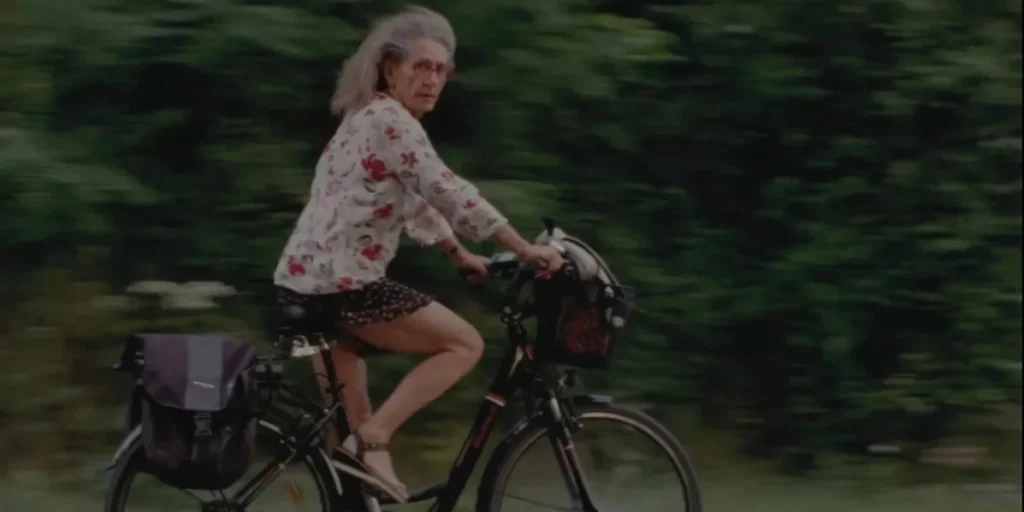
The foundation of the documentary lies in the contrasting trajectories of the Karampour siblings. Mahsa Karampour, the elder sibling and director, departed Iran in 2003, moving to France to pursue studies in sociology and film. Her departure was motivated by a desire to escape the restrictive social and political environment of the post-revolutionary regime, which has historically placed significant constraints on academic and artistic expression. While Mahsa established a life in Europe, her younger brother Siavash remained in Tehran for a time, becoming a central figure in the city’s burgeoning underground music scene.
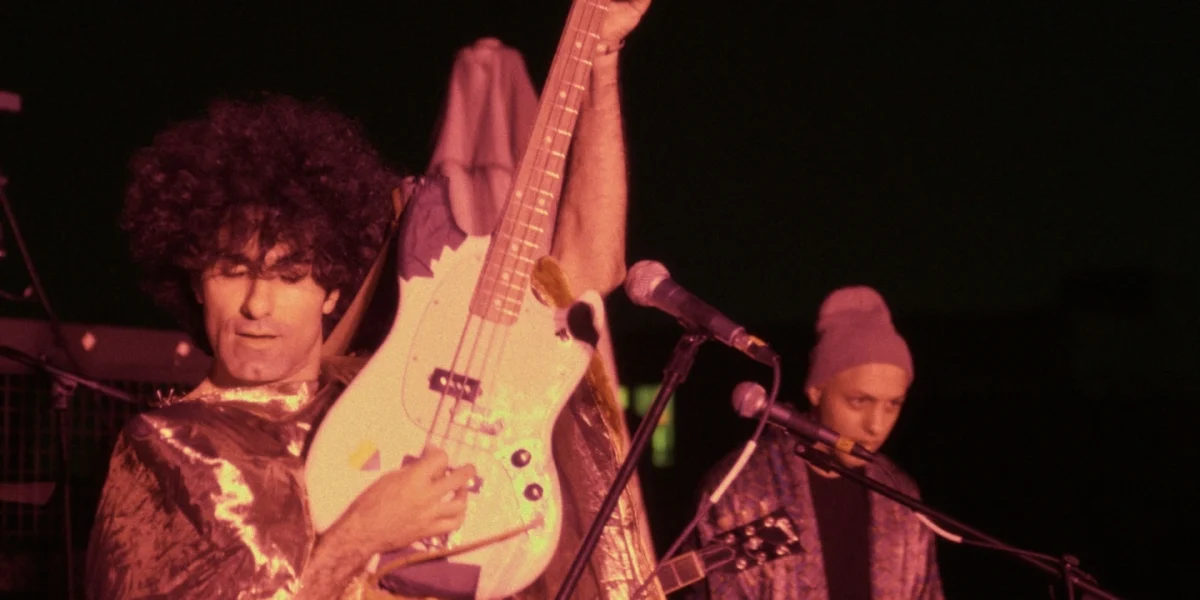
Siavash was a member of The Yellow Dogs, an indie rock band that operated in the shadows of the Iranian capital. In Iran, Western-style music—particularly rock and electronic genres—is often subject to strict censorship by the Ministry of Culture and Islamic Guidance. Performers frequently risk arrest or harassment by the morality police (Gasht-e Ershad) for holding "unauthorized" concerts. Mahsa’s early footage captures these clandestine performances in basements and secluded venues, providing a rare glimpse into the resilience of Iranian youth culture during the mid-to-late 2000s.
The Intersection of Cinema and Reality: 2010 and Beyond
A pivotal moment in the chronology of the Karampour family, and the film itself, occurred in 2010. The Yellow Dogs were featured in Bahman Ghobadi’s acclaimed docufiction film, No One Knows About Persian Cats. The film, which won the Un Certain Regard Special Jury Prize at the Cannes Film Festival that year, brought international attention to the underground music scene in Tehran. For the members of The Yellow Dogs, this exposure was a double-edged sword; while it provided a platform for their art, it also made their continued presence in Iran increasingly untenable due to heightened scrutiny from authorities.
Following the success of Ghobadi’s film, the band made the decision to relocate to the United States, eventually settling in Brooklyn, New York. This move marked a significant shift in the family dynamic. With Mahsa in France and Siavash in the U.S., the siblings were not only separated from their parents in Tehran but also from each other by the vast expanse of the Atlantic Ocean. The documentary meticulously tracks this period of transition, utilizing Mahsa’s personal camera work to bridge the geographical and emotional gap between the siblings.
The 2013 Tragedy and its Impact on the Narrative
The narrative of Into the Jaws of the Ogre takes a somber turn as it addresses the events of November 2013. In a tragedy that shocked the international independent music community, two members of The Yellow Dogs—Soroush Farazmand and Arash Farazmand—along with musician Ali Eskandarian, were shot and killed in their East Williamsburg home by a disgruntled former associate. Siavash survived the incident, but the trauma of the event fundamentally altered the course of his life and the band’s trajectory.
Mahsa Karampour handles this period with a delicate balance of journalistic objectivity and sisterly empathy. Rather than focusing on the sensationalist aspects of the crime, the film examines the psychological aftermath and the process of grieving in a foreign land. The tragedy serves as a stark reminder of the "peril" alluded to in the film’s opening metaphor. It highlights the vulnerability of immigrants who, having fled one set of dangers in their homeland, find themselves confronted by new, unforeseen forms of violence and instability in their adopted countries.
Sociological Context: The Iranian Diaspora in France and the United States
To fully understand the weight of the Karampours’ journey, one must consider the broader context of Iranian migration. Since the 1979 Revolution, millions of Iranians have settled abroad, creating significant communities in North America and Western Europe. According to data from the Migration Policy Institute, the United States is home to the largest Iranian diaspora, with significant concentrations in Southern California and the New York metropolitan area. France also hosts a substantial Iranian population, particularly in Paris, where many intellectuals and artists sought refuge throughout the 20th and 21st centuries.
The film explores the nuances of assimilation in these two different Western contexts. Mahsa’s experience in France is characterized by a deep engagement with European academic and cinematic traditions, while Siavash’s life in New York is defined by the grit and hustle of the American indie music scene. The documentary poses a poignant question: when siblings are uprooted and planted in different soils, what remains of their shared identity? Mahsa’s narration, delivered in Persian, muses on this loss of common ground, noting that their shared experiences of Iran are increasingly becoming distant memories.
Artistic Analysis and Filmmaking Style
Director Mahsa Karampour employs a subjective, "lived-in" filmmaking style that prioritizes intimacy over polished production values. The vast majority of the 86-minute runtime consists of footage she captured herself over nearly two decades. This approach eliminates the "believability gap" often found in rise-to-fame documentaries; because the camera is held by a family member, the subjects are uninhibited, allowing for authentic interactions that a traditional documentary crew might not have been able to capture.
The film’s title and its thematic underpinnings are enriched by references to Persian mythology. Mahsa compares her brother to the mythical prince Siyavash, a figure in the Shahnameh (The Book of Kings) who represents integrity and purity but is ultimately betrayed and killed. This cultural touchstone adds a layer of fatalism to the film, as Mahsa grapples with the fear that her brother’s honor and uncompromising nature might lead him to a tragic end, much like his mythical namesake or his fallen bandmates.
Official Responses and Cultural Significance
The selection of Into the Jaws of the Ogre for the ACID strand at Cannes is a testament to its artistic merit and its relevance to contemporary global discourse. ACID, an association of filmmakers founded in 1992, specifically seeks to promote independent cinema that explores new narrative forms and gives voice to underrepresented perspectives. In the context of the recent social unrest in Iran—most notably the "Woman, Life, Freedom" movement sparked in late 2022—the film takes on added significance. While it does not explicitly focus on recent political uprisings, its exploration of the desire for self-determination and the cost of state-mandated conformity resonates deeply with current events.
Critics have noted that the film avoids the pitfalls of political polemic, choosing instead to focus on the human element of the immigrant experience. By centering the story on the relationship between a brother and sister, Karampour makes the abstract concepts of "exile" and "asylum" tangible and relatable. The film’s inclusion of simple pleasures, such as the siblings playing backgammon—a traditional Persian pastime—serves as a powerful counterpoint to the hardships they have endured.
Broader Implications and Final Analysis
Into the Jaws of the Ogre is a significant contribution to the canon of Iranian diasporic cinema. It moves beyond the tropes of the "struggling immigrant" to present a complex portrait of individuals who are actively shaping their own destinies, even as they remain haunted by the past. The film suggests that the "Ogre" is not just the oppressive regime they left behind, but also the challenges of maintaining one’s identity and relationships in a globalized, often indifferent world.
As a piece of investigative and personal storytelling, the documentary underscores the importance of the independent filmmaker as a chronicler of history. Through Mahsa Karampour’s lens, the story of The Yellow Dogs and the Karampour family is preserved not just as a series of news headlines or tragedy reports, but as a living testament to the resilience of the human spirit. The film concludes by emphasizing that while the siblings’ paths have diverged, their shared history and mutual support remain their most vital assets. In an era of increasing global displacement, Into the Jaws of the Ogre offers a timely reflection on what it means to find a home, and the high price of the journey required to get there.