The third edition of the Los Angeles Festival of Movies (LAFM) recently concluded, reaffirming its distinctive position within the vibrant yet often commercially driven landscape of Southern California’s film industry. Hosted at Vidiots in Eagle Rock, the festival distinguished itself not through lavish parties or celebrity-driven premieres, but through a curated selection of films that prioritize bold storytelling, artistic experimentation, and community engagement. This approach stands in stark contrast to the more mainstream, industry-focused festivals that typically define Los Angeles’s cinematic calendar, carving out a crucial space for independent voices and challenging narratives.
Los Angeles, with its iconic palm-lined boulevards, perpetual sunshine, and temperate climate, often evokes an idealized vision of "the good life," a sentiment frequently echoed by its residents. While the city’s allure is undeniable, particularly for those accustomed to the harsher realities of urban life elsewhere, LAFM’s focus transcended mere geographical romanticism. The festival tapped into a deeper purpose, providing a vital cultural platform in a city where several other film festivals have ceased operations in recent years. This edition underscored a conscious effort to remain grounded in artistic merit and community service, even as it navigated significant shifts in its operational and financial framework.
Navigating Sponsorship Shifts and Financial Realities
A notable development preceding this year’s LAFM was its parting of ways with major sponsor MUBI, a prominent distributor and streaming service. This decision stemmed from MUBI’s receipt of a substantial $100 million investment from Sequoia Capital, a venture capital firm whose diverse portfolio includes Israeli defense technology firm Kela. For LAFM, a festival committed to ethical partnerships and community values, the association with a firm indirectly involved in defense technology posed a significant ethical dilemma. Festival organizers, prioritizing their principles, chose to sever ties, a move that resonated within the independent film community.
This separation led to a restructuring of the festival’s support system, with Mezzanine and the Kino Film Collection, Kino Lorber’s streaming arm, stepping in as sole co-presenters. The shift inevitably sparked murmurs among attendees and industry insiders about a potentially more "scaled back" festival. Indeed, some observed fewer extravagant open-bar parties and a wider geographical spread of Eastside venues, which required more logistical planning for marathon viewers. The film selection, while critically acclaimed, might also have been perceived as less "buzzy" compared to previous years, eschewing mainstream appeal for profound artistic depth.
However, for LAFM, these changes were not setbacks but rather a reaffirmation of its core mission. As festival co-presenters articulated in subsequent communications, "Our commitment remains steadfast: to serve our communities and the filmmakers creating work within them. While external support is valuable, our programming decisions and operational ethos must always align with our foundational principles of independent artistry and social consciousness." This stance has positioned LAFM as a resilient advocate for authentic cinematic expression, prioritizing substance over superficial grandeur. In an era where independent film festivals increasingly grapple with ethical funding sources and the pressures of commercialization, LAFM’s decision highlights a growing trend among smaller, mission-driven organizations to safeguard their integrity, even if it entails financial challenges. The festival’s ability to adapt and thrive post-MUBI exemplifies a dedication to artistic freedom that resonates deeply with filmmakers and audiences alike.
Spotlight on Opening Night: Maddie’s Secret
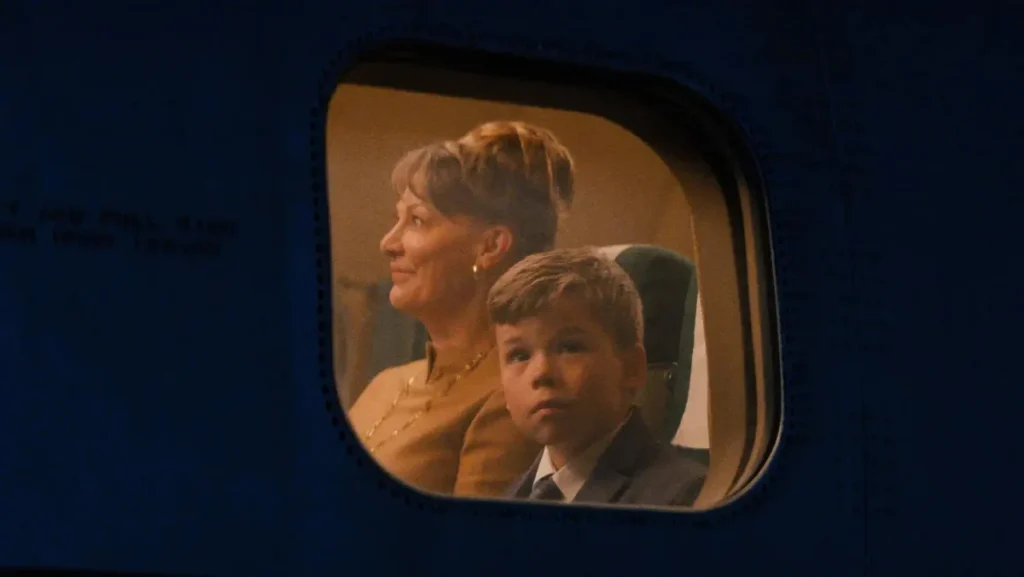
The festival’s opening night selection, Maddie’s Secret, the feature debut from writer, director, and star John Early, immediately set a distinctive tone. Despite Early’s ironic absence due to his theatrical commitments in New York City, the film’s largely Los Angeles-based cast filled the screening room, their enthusiastic reactions underscoring the film’s resonance. Maddie’s Secret introduces Maddie, a seemingly saccharine food influencer whose curated online persona masks a severe struggle with bulimia. Her relentless pursuit of perfection, both professionally and personally, drives the narrative, revealing the often-toxic undercurrents of an image-obsessed culture.
Early’s portrayal of Maddie delves into the psychological complexities of eating disorders, a public health issue affecting millions globally, with an estimated 9% of the U.S. population experiencing an eating disorder in their lifetime. The film deftly explores how societal pressures, particularly in environments like Los Angeles where aesthetic ideals are heavily emphasized, can exacerbate such conditions. Maddie’s interactions with her colorful cast of acquaintances—her sardonic friend Deena (Kate Berlant), a crass boss (Conner O’Malley), a naive fiancé (Eric Rahill), a cutthroat rival (Claudia O’Doherty), and a narcissistic mother (Kristen Johnston)—each reveal facets of her meticulously constructed facade.
What distinguishes Maddie’s Secret is its skillful navigation of tonal shifts, blending the heightened drama of a melodramatic TV special with the biting wit of alt-comedy. This juxtaposition, surprisingly effective, tempers the potential for triteness in emotional scenes with well-timed humor, while moments of levity never diminish the raw humanity of the characters. Each individual, including the patients Maddie encounters at a treatment facility (portrayed with a nuanced empathy that avoids cheap caricature), is rendered with depth. The film’s impeccable production design, attributed to Gordon Landenberger, masterfully repackages contemporary ephemera into an ’80s pastiche, adding a layer of stylistic commentary. Through delicately rendered details, Early succeeds in illuminating the inherent absurdity and tragic reality of eating disorders, challenging viewers to confront uncomfortable truths, particularly within a cultural context that often glorifies unattainable beauty standards.
A Provocative Masterpiece: Isaiah’s Phone

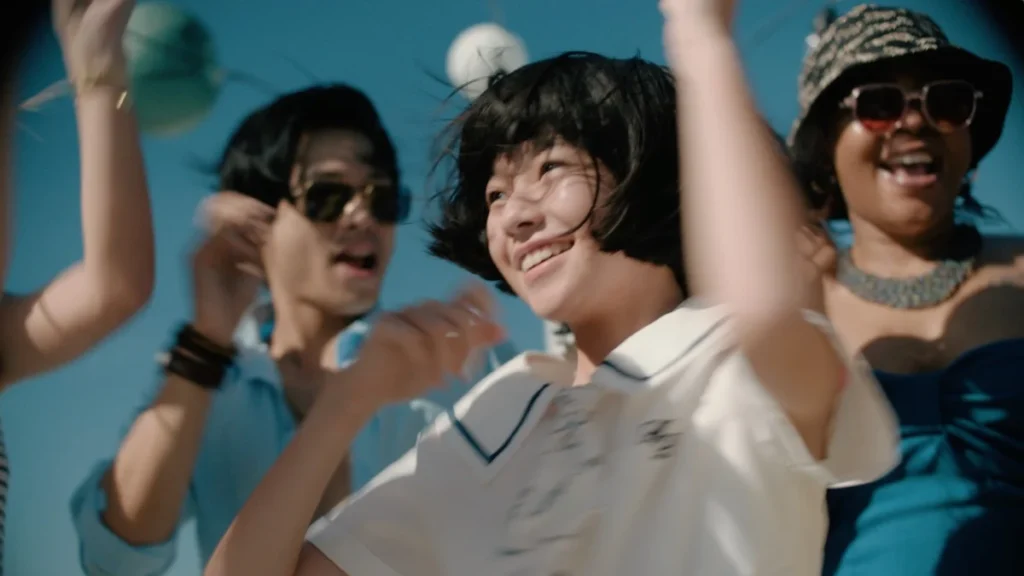
Among the festival’s offerings, Isaiah’s Phone emerged as a compelling standout, positioning Los Angeles at the epicenter of broader American anxieties. The film, partially conceived and entirely shot by its teen star, Isaiah Brody, chronicles the harrowing experiences of adolescence—romantic rejection, social stigma, and a profound lack of autonomy. This raw, authentic portrait of teen strife sparked conversations among attendees, particularly regarding its challenging thematic content and its unique production methodology, previously detailed by critic Caleb Da.
The power of Isaiah’s Phone lies not solely in its shocking climax, nor in its innovative, youth-driven creation, but in its profound relatability. It taps into universal feelings of alienation and vulnerability that transcend demographics, inviting viewers, regardless of their high school popularity or generation, to empathize with Isaiah’s struggles. The film’s provocative conclusion serves as a catalyst, compelling audiences to move beyond superficial discussions surrounding the distinctly American phenomenon of school violence and delve into its complex psychosocial roots.
In a cinematic landscape where debates surrounding representation often overshadow the actual depiction of reality, LAFM’s decision to program Isaiah’s Phone is particularly noteworthy. Many festivals, wary of controversy or perceived social irresponsibility, might shy away from such a raw and unflinching portrayal of adolescent despair and its potential consequences. However, LAFM embraced the film’s challenging nature, aligning with its mission to present narratives that provoke thought and foster dialogue. As one festival programmer commented, "It is crucial for film festivals to not just ‘talk about’ representation, but to actively ‘represent reality,’ however difficult or uncomfortable that reality may be. Isaiah’s Phone exemplifies this commitment, offering an authentic lens into a critical societal issue." The film stands as a testament to the festival’s dedication to showcasing works that are not merely "productive" in discourse but are profoundly real and impactful.
Cinematic Heritage and Queer Narratives: Macho Dancer Restoration
Concluding the festival on a note of historical resonance and cultural diversity, LAFM presented a restoration of Lino Brocka’s 1988 Filipino classic, Macho Dancer. This selection resonated thematically with Early’s and Da’s films, offering a multifaceted exploration of societal pressures, hidden struggles, and the quest for authenticity. Set against the backdrop of Manila’s queer sex work scene in the late 1980s, Brocka’s film unflinchingly confronts occupational hazards that include sexual assault, human trafficking, addiction, and employer exploitation.
Despite its grim subject matter, Macho Dancer maintains an emphatically lighthearted tone, a stylistic choice characteristic of its era and culture. This melodramatic slant, while distinct, finds a curious parallel in Early’s fascination with ’80s aesthetics. The film meticulously highlights the distinct pressures faced by its titular dancers, particularly the profound lack of genuine social and romantic intimacy amidst transactional relationships. It delves into male-centric struggles, challenging common cultural misconceptions and offering a nuanced portrayal of a marginalized community. The film’s central queer thread further connects it to contemporary discussions around identity and societal acceptance, echoing the subtle queer undertones present in Isaiah’s Phone.
Lino Brocka, a celebrated figure in Philippine cinema, was renowned for his socially conscious films that often critiqued political and social injustices. Macho Dancer is a prime example of his dedication to giving voice to the voiceless, depicting the struggles of individuals on the fringes of society with both grit and compassion. The film’s restoration for LAFM underscores the critical importance of preserving cinematic heritage, particularly works that explore complex social themes and represent diverse cultural perspectives. While acknowledging minor criticisms, such as a perceived lack of potent chemistry between lead actors Daniel Fernando and Allan Paule, the film’s overall impact and its enduring relevance are undeniable. Its inclusion in the festival program served as a powerful reminder that truly interesting cinema often lies beyond the realm of technical perfection, residing instead in its capacity to provoke thought, challenge norms, and illuminate the human condition in all its messy complexity. The presentation of Macho Dancer underscored LAFM’s commitment to a global perspective on independent cinema, enriching its program with historical context and diverse voices.
LAFM’s Enduring Impact and Future Outlook
The third edition of the Los Angeles Festival of Movies has cemented its reputation as more than just an annual event; it functions as a vital community hub, a dynamic platform for experimentation, and a much-needed oasis within the broader Los Angeles film festival ecosystem. In a city where the industry often prioritizes commercial viability and spectacle, LAFM deliberately chooses a different path, focusing on artistic integrity, ethical engagement, and authentic storytelling.
The festival’s programming decisions, from the emotionally raw Maddie’s Secret to the socially incisive Isaiah’s Phone and the historically significant Macho Dancer restoration, reflect a conscious effort to challenge audiences, provoke dialogue, and foster a deeper appreciation for diverse cinematic forms. By showcasing films that delve into sensitive topics such as eating disorders, youth mental health, and the complexities of queer life and sex work, LAFM actively participates in broader cultural conversations, using cinema as a powerful tool for empathy and understanding.
Despite the financial adjustments necessitated by its ethical stance on sponsorships, LAFM’s resilience and unwavering commitment to its mission have resonated strongly with both filmmakers and the local community. It stands as a beacon for independent cinema, demonstrating that a festival can thrive by prioritizing artistic merit and social consciousness over commercial "buzz" or lavish expenditures. The festival’s success in cultivating a dedicated audience and providing a platform for challenging narratives underscores the enduring need for such independent voices in the vast and varied landscape of the film industry. As the festival looks to its future, its model offers a compelling blueprint for how cultural events can remain relevant and impactful by staying true to their core values, fostering discovery, and genuinely serving the communities they represent.