Akira Suei, a figure whose life and career have been inextricably linked with both literal and metaphorical explosions, has left an indelible mark on Japanese publishing and counterculture. Born in Okayama Prefecture in 1948, Suei’s journey from a factory worker and sign painter to a celebrated essayist, musician, and the pioneering chief editor of influential erotic magazines reflects a life lived on the fringes, continually pushing boundaries and redefining artistic expression. His story is not merely one of professional achievement but a profound exploration of personal trauma, cultural censorship, and the elusive nature of artistic motivation, all intertwined with the rise of Byakuya Shobo, a publishing house that mirrored his own audacious spirit.
Early Life and the Shadow of Dynamite
Suei’s early life was marked by an event of shocking intensity, an incident that would later lend its name to his famous autobiographical essay, A Wonderful Dynamite Scandal, adapted into the 2018 film Dynamite Graffiti. This seminal event occurred in his childhood in Oaza Tsurugi, a remote mining town in Yoshinaga, Okayama Prefecture, so isolated that even public transportation was scarce. In a tragic act, Suei’s mother and a male neighbor committed suicide by placing dynamite between them and detonating it. This profoundly traumatic experience, which he recounts with a stark, almost dispassionate clarity, highlights the unique circumstances of his upbringing. The availability of dynamite in the area stemmed from the numerous mines extracting minerals for clay and firebricks, where his father also worked. The lax security around these explosives—storage sheds in the mountains often left unlocked—made such a desperate act tragically feasible.
Despite this harrowing beginning, Suei famously rejects the narrative of "overcoming hardship" as a springboard for success. Instead, he describes his life as "flowing in the clouds," a passive journey shaped by chance encounters and subtle influences rather than deliberate, forceful action. This philosophy, which he terms a "feminine way of being," underscores his responsive, rather than proactive, approach to life and art. His path, he suggests, is one of gradual transformation through interaction, exemplified by his pivotal relationship with renowned photographer Nobuyoshi Araki, an encounter that would significantly shape his publishing career.
The Shinjuku Oiwake Incident: A Second Explosive Scandal
Decades later, another explosive incident profoundly impacted Suei’s life, this time tinged with political radicalism. While working as a sign painter for a Shinjuku cabaret called Pink, an establishment known for its festive, albeit exploitative, holiday pricing, Suei found himself immersed in the anti-establishment sentiment prevalent in 1970s Japan. On a bitterly cold Christmas Eve, December 24th, around 7:10 p.m. in Shinjuku, a Christmas tree exploded next to the Shinjuku Oiwake Police Box. The bombing, which injured several pedestrians and cost a police sergeant his leg, became known as the Shinjuku Oiwake Police Box Bombing Incident.
The shock of the event deepened for Suei months later when he discovered the perpetrator was his wife’s younger brother. This relative was involved with the Black Helmet faction, a radical leftist group led by a man named Kamata, which operated with its own internal tribunal system, bearing an unsettling resemblance to yakuza organizations. Charged with theft of explosives and attempted murder, his brother-in-law endured seven years in pre-trial detention before receiving a sentence that ultimately led to over 20 years in prison. Suei actively participated in his defense committee, even legally adopting him to gain visitation rights, a testament to his complex personal loyalties and his engagement with the era’s turbulent political landscape. This second "dynamite scandal" further solidified the volatile, unpredictable currents that ran through Suei’s personal history and the broader Japanese counterculture he would soon help define.
Founding Byakuya Shobo and the Birth of a Publishing Empire
Suei’s transition into publishing began in 1975 when he co-founded Self Publishing, a venture that would later transform into Byakuya Shobo. Originally established on December 4, 1975, by Shintaro Morishita, the company initially carved out a niche in adult literature and subcultural publications. Byakuya Shobo was officially incorporated in 1977, marking its ambition to evolve into a general publisher from its headquarters in Takada, Toshima-ku, Tokyo.
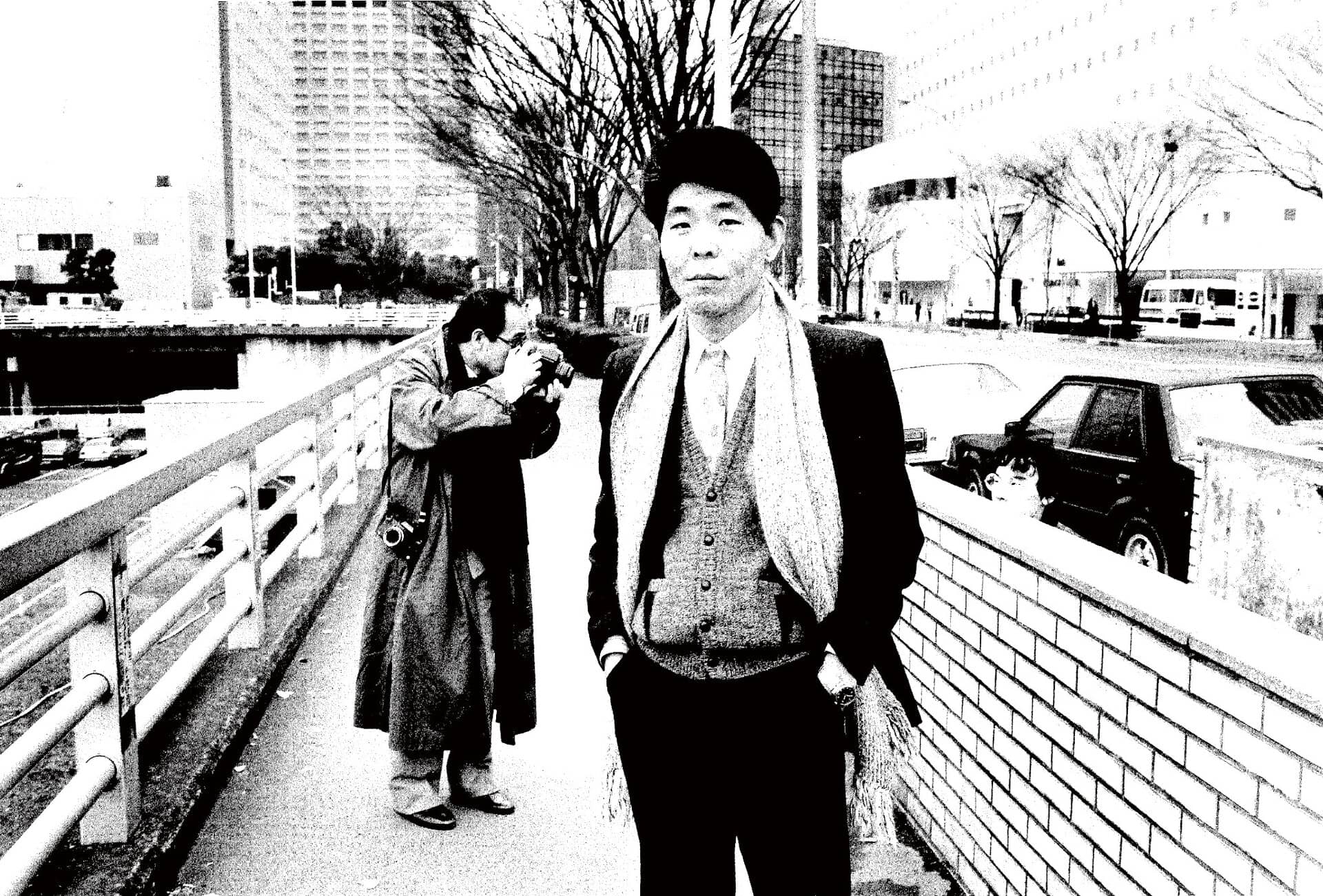
The 1980s proved to be a pivotal decade for Byakuya Shobo, as it gained significant prominence through its adult-oriented magazines. Among these, Shashin Jidai ("Photo Age") stood out, becoming a cultural touchstone that featured the works of leading photographers like Nobuyoshi Araki. The company also delved into more extreme territories with Manga Burikko, a lolicon hentai manga magazine, and Billy, which focused on extreme fetishes, demonstrating a willingness to explore the furthest reaches of niche interests. This period established Byakuya Shobo not just as a publisher but as a daring tastemaker, unafraid to challenge conventional norms.
The Golden Age of Erotic Magazines: Innovation and Confrontation
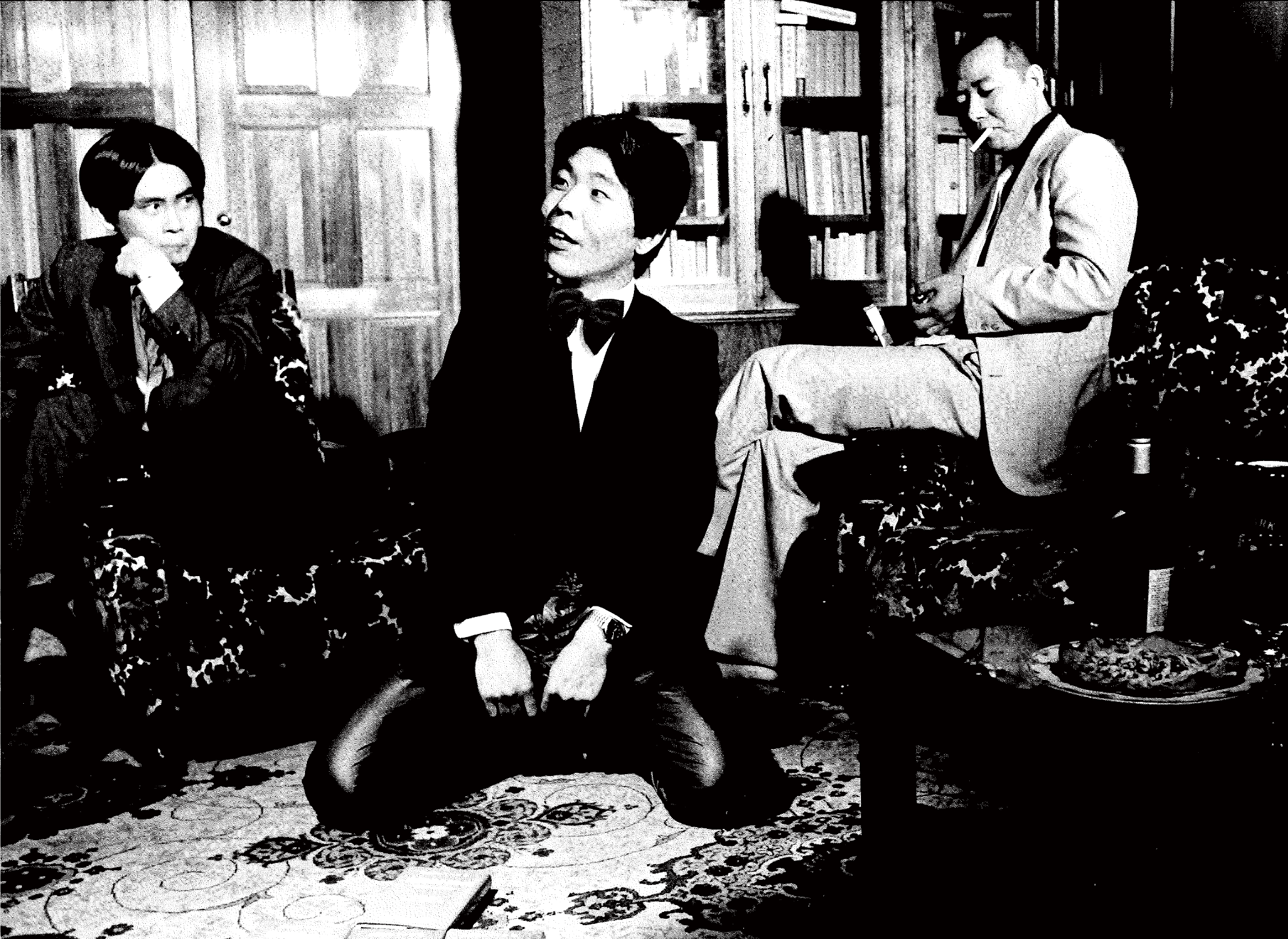
As chief editor, Akira Suei was at the helm of this publishing revolution. His leadership marked a departure from the conventional approach to adult magazines, which he observed were largely categorized into six types – from text-based "true stories" to gravure nude photo magazines and SM specialty publications – all seemingly tailored for a singular, undifferentiated "construction worker" demographic. Suei, realizing the untapped potential beyond this narrow readership, sought to innovate.
His first major editorial undertaking was New Self, a magazine that aimed to transcend the existing paradigms. Initially, it combined popular idols with elements from Nikkatsu action films, featuring actors like Isogai and prominent actresses such as Kahori Takeda. The magazine deliberately included a mix of entertainers and cultural personalities, attempting to broaden its appeal. A significant feature, "Araki’s Actresses," a series inherited from Ryo Rusei, quickly became immensely popular for its provocative and raw visuals. New Self even stirred controversy with an audacious attempt to photograph the Emperor, later repurposed into a cabaret-style shoot that featured the Japanese flag on its cover, signaling a bold editorial voice unafraid of provocation. This period saw a gradual shift from a focus on cinema, particularly pink films, towards deeper explorations of subculture. However, this transition initially impacted sales, indicating the challenges of pioneering new editorial directions. The final issue of New Self was published in June 1981.
Undeterred, and with the company teetering on the brink of financial collapse, burdened by 100 million yen in debt, Suei launched Shashin Jidai in July 1981, a mere two months after New Self ceased publication. This audacious move, driven by desperation and Suei’s unwavering vision, proved to be a phenomenal success. Without a detailed proposal, Suei pitched the concept of a new photography magazine featuring an array of leading photographers like Nobuyoshi Araki and Daido Moriyama. The sheer ambition of a 140,000-copy print run captured the attention of distributors, and against all odds, nearly the entire run sold out. Shashin Jidai was an instant cultural phenomenon, its success surprising even its creators. Its impact was so profound that its cover model later became a member of parliament, a testament to its unexpected reach and influence.
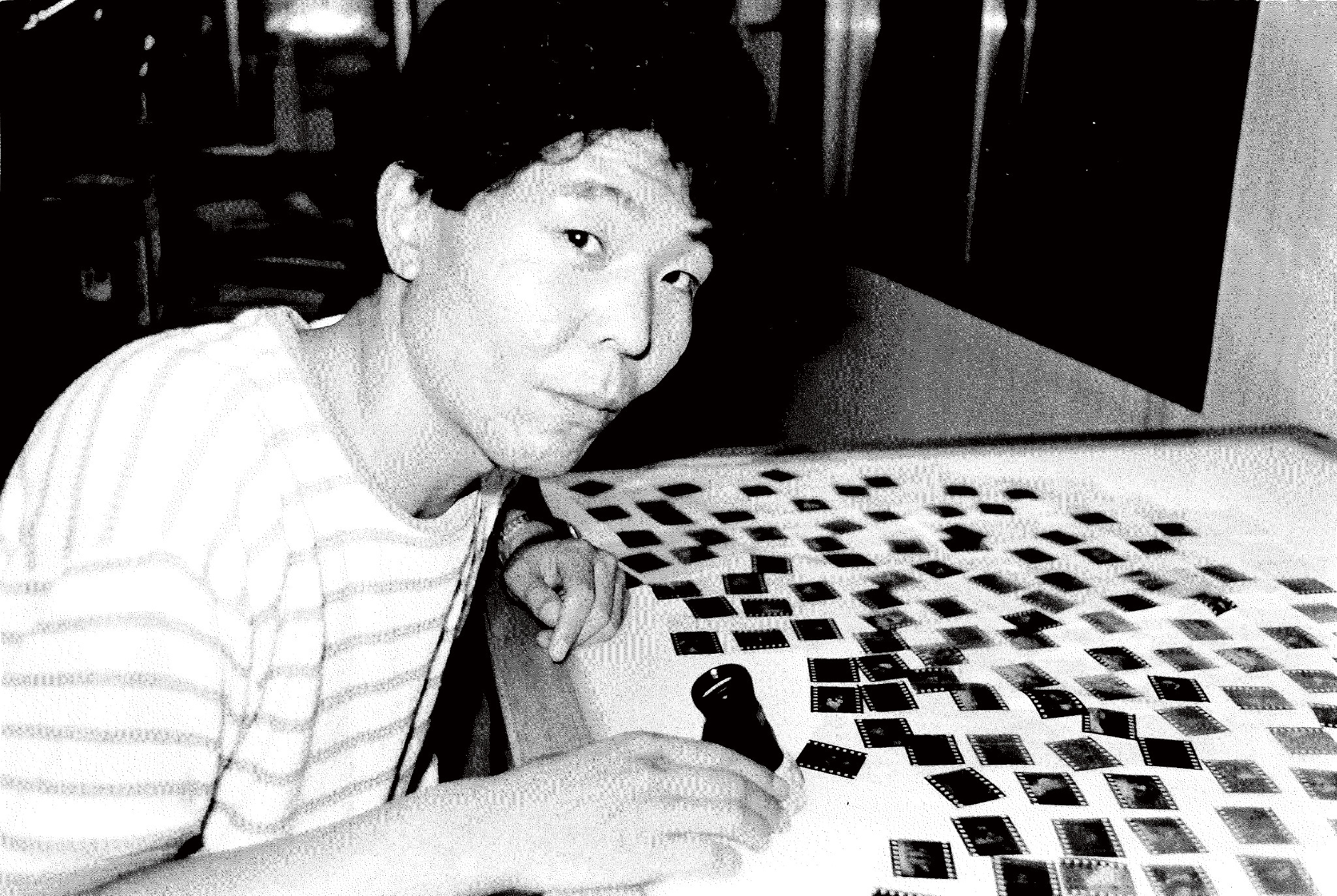
The involvement of Daido Moriyama, a titan of Japanese photography, was particularly significant. Moriyama, who had been relatively inactive and working on his book Bye Bye Photography, found a new creative outlet with Shashin Jidai. He transitioned from his signature black-and-white work to experimental color photography using an instant camera, producing blurry, small prints that developed their own unique charm. Moriyama’s hands-on approach to darkroom development, where he manipulated negatives with burning tools and circular cutouts to sculpt light and shadow, instilled in Suei a fundamental understanding of photography as a process of judgment and decision-making, rather than mere button-pressing. This collaboration was a "flower bloomed" moment for Moriyama, and for Shashin Jidai, it ensured a distinct visual identity that resonated deeply with its audience.
Navigating Censorship and Defining Japanese Eroticism
Akira Suei’s career was a continuous dance with the strict, yet often ambiguous, censorship laws in Japan, particularly concerning obscenity (often referenced under Article 175 of the Penal Code). He observed a fundamental difference in the portrayal and experience of eroticism between Japanese and Western cultures. While American explicit photography, as seen in magazines like Penthouse and Playboy, often presented a direct, physical "sport-like" encounter, Japanese eroticism was characterized by jōcho (sentiment). This encompassed layers of shyness, hesitation, embarrassment, and an emotional complexity rooted in love and uncertainty, transcending mere physical acts. Suei maintained that Japanese artists were not deeply influenced by Western explicit media, viewing them more out of curiosity than erotic connection.
The landscape of censorship for minors was particularly peculiar in that era. Full frontal nudity was generally prohibited, yet minors were featured as long as no sexual acts were depicted and genitalia remained concealed. The recruitment of child models was informal, often relying on word-of-mouth requests to families. Crucially, the presence of parents or guardians was non-negotiable during shoots, serving as both consent and legal protection. This parental oversight, Suei explains, was understood as tacit permission, and its absence would halt any photographic session.
Suei’s navigation of censorship was a constant, creative challenge. When police objected to visible pubic hair, he experimented with models shaving, only to be informed that any area "where hair is supposed to grow" still needed to be fully concealed. However, a significant turning point came with the unofficial coordination surrounding a photo book featuring full pubic hair exposure. Despite the initial shock and controversy, authorities tacitly approved its release, fearing a ban would generate greater backlash. This created a "gray area" where laws remained unchanged, but interpretations evolved. High-profile controversies, such as those involving photographer Kishin Shinoyama’s photobooks for Kanako Higuchi and Rie Miyazawa (Santa Fe) in the late 1980s, further highlighted the shifting boundaries of what was permissible.
Suei’s approach to the authorities was one of "teasing" or "playing with" power rather than direct opposition. He famously received monthly summons from the Metropolitan Police Department’s Morals Unit, which meticulously reviewed adult magazines. He would prioritize these meetings, seeing them as an inevitable part of his work. While never facing severe legal issues, he learned to navigate the system, often by subtly resisting and finding creative loopholes. When material was ordered to be recalled—a de facto ban in Japan’s distribution system—he would simply move the content to another magazine, treating the bans as a "joke" and ensuring continued publication. This strategy, he believed, allowed him to continue his work while acknowledging, yet subverting, the existing power structures.
Shinjuku: A Crucible of Creativity and Counterculture
Shinjuku, particularly in the 1970s and 80s, served as the vibrant epicenter for Japan’s erotic magazine industry and broader counterculture, a dynamic hub that Akira Suei vividly describes in his essays. This was an era of spontaneous creativity, where photographic shoots were often driven by instinct rather than meticulous planning. Crews would gather at local spots like Coffee Road Shimizu, pick up clothing and props – often bags of underwear and tights chosen for texture and sheen – and then scout models and locations on the fly.
The informal network of contacts—hotel managers, drivers, lighting technicians—ensured that shoots, whether in established venues like the Keio Plaza or Sagamiko, or in "guerrilla" style in parking lots, rooftops, or empty trains, could materialize with remarkable speed. Permits were often bypassed; a simple explanation of "shooting for a magazine" was usually sufficient to satisfy curious onlookers. Suei even recounts a discreet ten-minute shoot in a department store women’s restroom, an act that would be unthinkable today. This atmosphere of flexibility and unspoken understanding fostered a unique creative freedom.
Models, often part-timers or referred through friends, embraced this casual approach, changing behind curtains or in vans, embodying the raw, unpolished aesthetic that Suei sought to capture. Post-shoot gatherings in Shinjuku’s coffee shops or bars often fueled drunken conversations that sparked ideas for future projects, scribbled on napkins and later brought to life. The symbiotic relationship with local labs, where technicians intuitively understood the desired "gritty" aesthetic and would adjust development processes without explicit instructions, further underscored the collaborative and organic nature of this creative ecosystem.
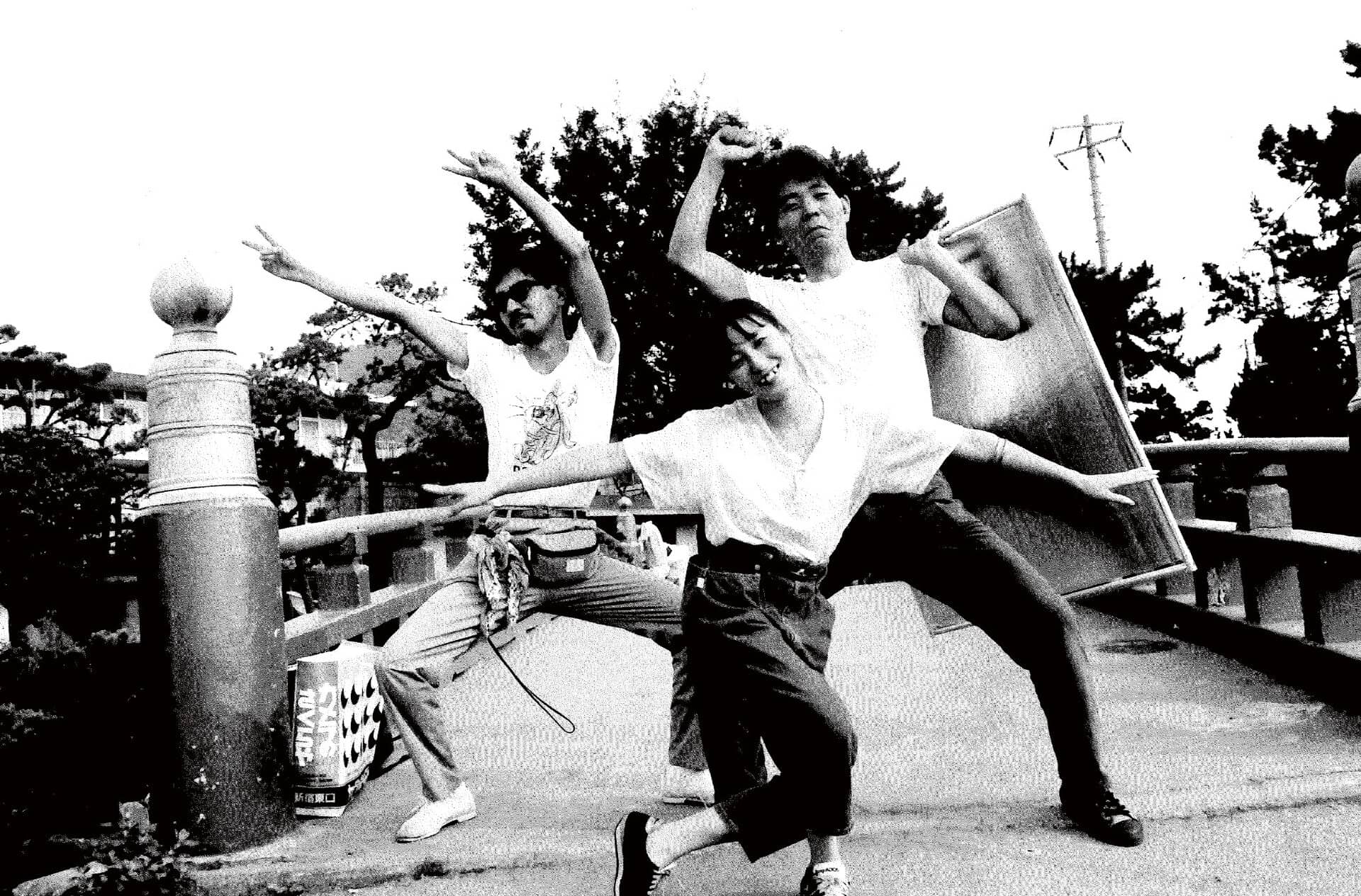
Suei reflects on this period with a complex mix of nostalgia and pragmatism. While acknowledging the inevitable changes over time, he misses the "laid-back" and "kinder, more forgiving attitude" of that era. He contrasts the "effort" and "meaningful" experience of acquiring adult magazines discreetly in the past with the instant, casual, and ultimately "dull" accessibility of explicit content on modern social media. For Suei, something fundamental has been lost in this transition: the creative friction, the sense of adventure, and the depth of engagement that defined his golden age of publishing.
Legacy and Enduring Influence
Today, Byakuya Shobo continues to operate, having shifted its focus in the 1990s to general hobby and entertainment magazines and books, including popular titles like BUBKA and BRODY. Its subsidiary, Core Magazine, established in 1985, maintains its specialization in adult material, including magazines and hentai manga. This evolution demonstrates the company’s adaptability while retaining a connection to its audacious roots.
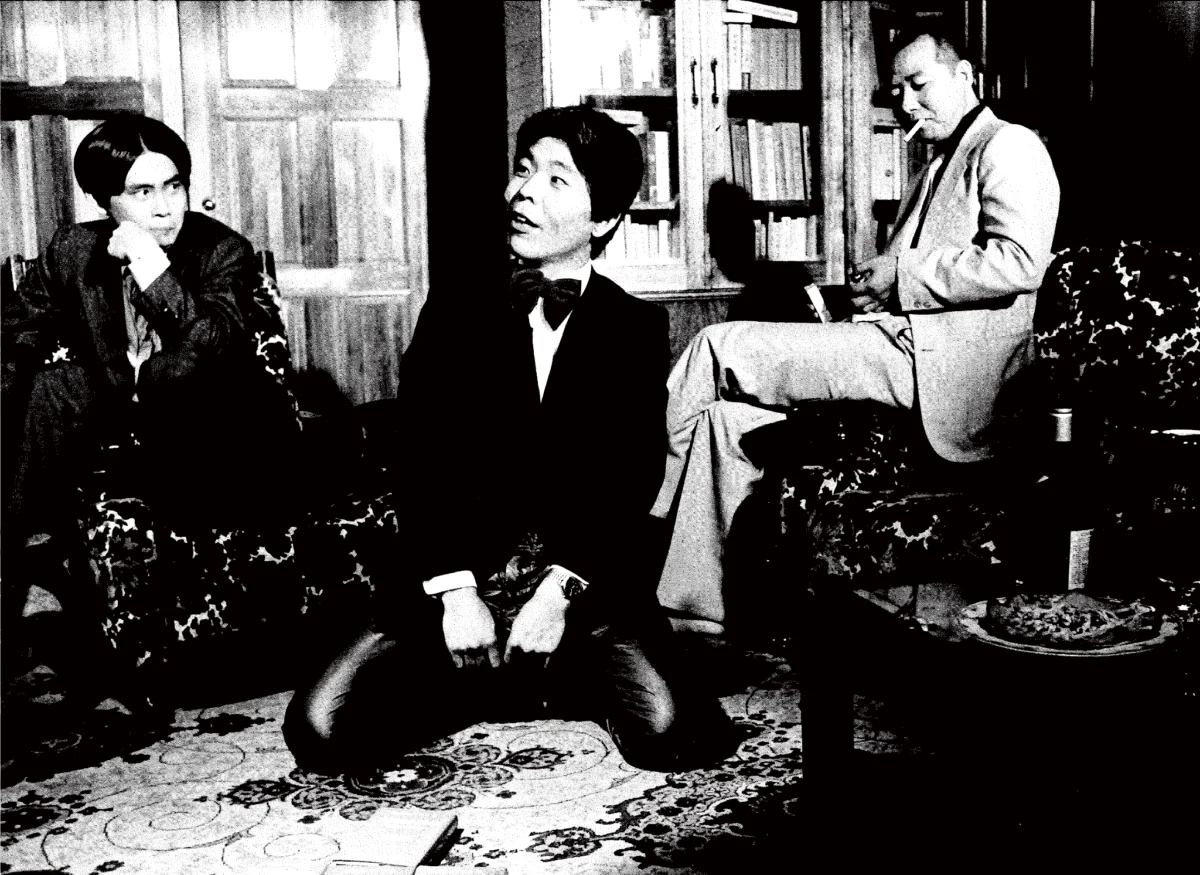
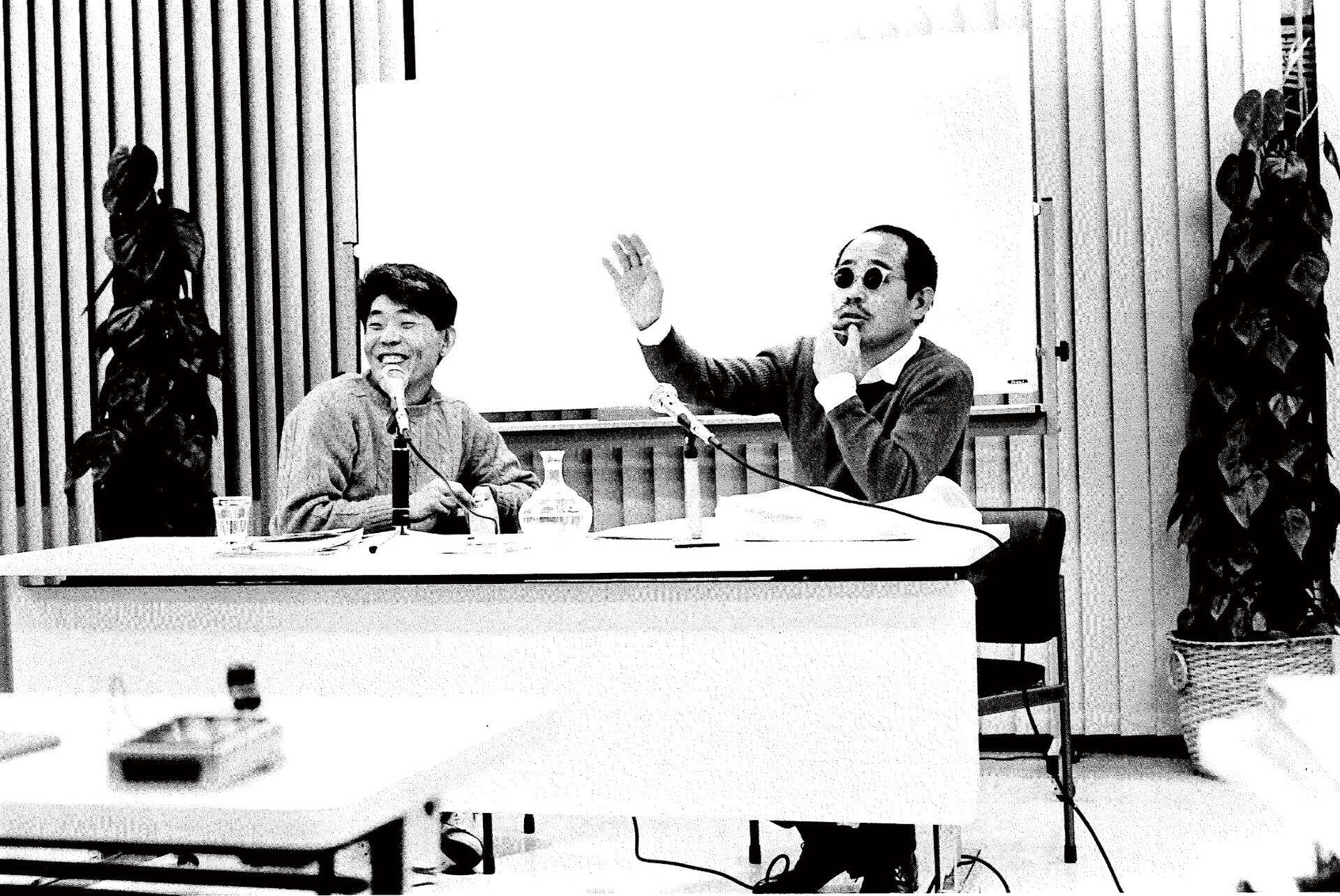
Akira Suei, meanwhile, remains a vibrant force in Japanese culture. Beyond his publishing legacy, he is currently active as an essayist, winning the 30th Kodansha Essay Award in 2014 for his work Suicide. He also performs as the tenor saxophonist for the band Pathos, alongside Kei Shimamoto, with whom he shared early creative ventures in the punk scene. His life, marked by personal tragedy, political upheaval, and a relentless pursuit of artistic and editorial freedom, serves as a testament to the power of a singular vision to challenge, provoke, and ultimately enrich the cultural landscape. Suei’s journey from a remote Okayama town to the bustling heart of Shinjuku, from the shadow of dynamite to the forefront of countercultural publishing, is a compelling narrative of resilience, innovation, and an enduring, subtly rebellious spirit that continues to resonate.