As the highly anticipated "Scary Movie 6" prepares to debut in theaters, a critical question looms over its impending release: can this latest installment recapture the genre-defining magic of its 2000 predecessor and, more importantly, deliver genuine scares alongside its comedic jabs? Directed by Keenen Ivory Wayans, the original "Scary Movie" didn’t just poke fun at horror films; it redefined the modern spoof genre with its audacious irreverence, boundary-pushing gross-out humor, and a relentless barrage of pop culture parodies. While other comedies had dabbled in spoofing, the Wayans brothers’ creation stood out by being genuinely funny, a testament to its clever writing and comedic timing, which translated into a phenomenal box office success, grossing $278 million against a modest $19 million budget.
However, beyond its comedic prowess and financial triumph, there’s a crucial element of the original "Scary Movie" that often gets overlooked, yet is vital for the success of any film bearing its its ability to be, quite literally, scary. The impending arrival of "Scary Movie 6," helmed by director Michael Tiddes, faces the significant challenge of living up to this dual expectation – delivering laughs while also evoking palpable fear.
The Foundation of Fear and Laughter
The original "Scary Movie" masterfully balanced its "throw-everything-at-the-wall" approach to parody with a focused emulation of the plots of two late-90s horror behemoths: "Scream" (1996) and "I Know What You Did Last Summer" (1997). These films, characterized by their slasher tropes, relied heavily on the suspense of a masked killer’s identity and the dread of impending death. "Scary Movie" cannily incorporated these elements, creating a narrative that, despite its raunchy humor, managed to tap into the very essence of what made its inspirations frightening.
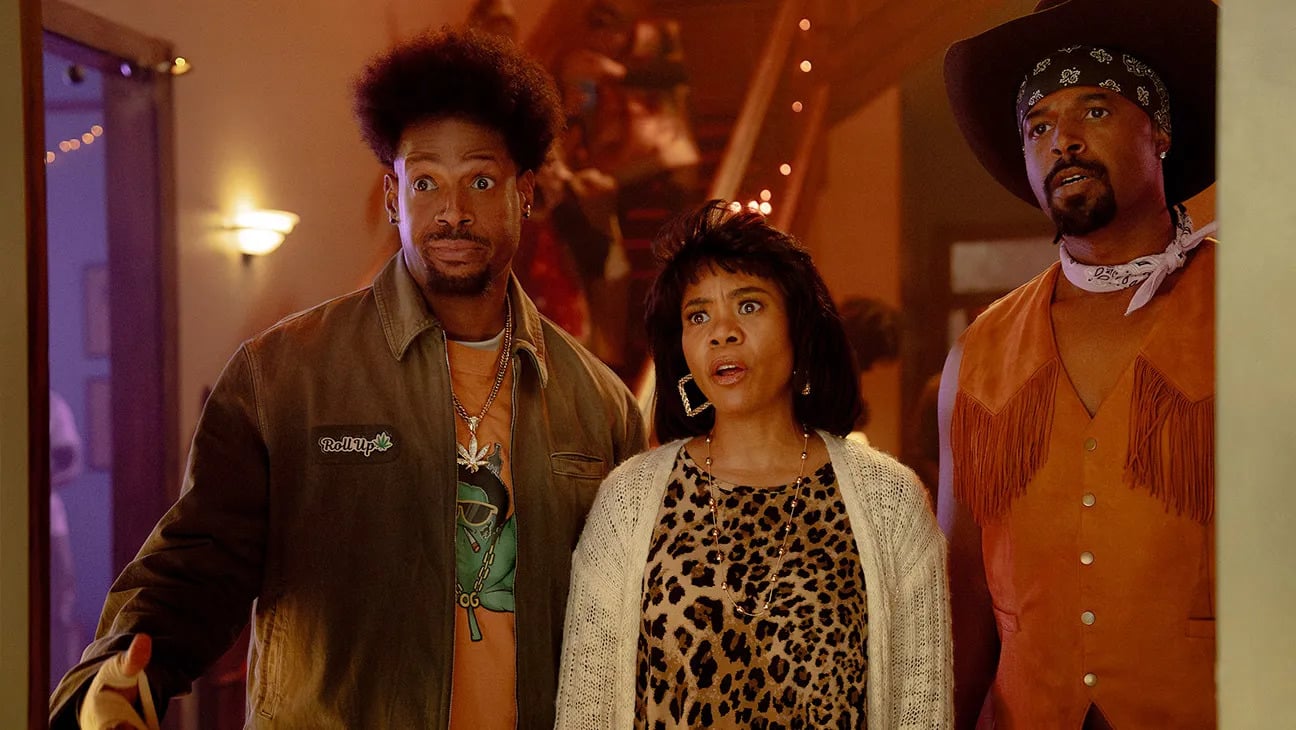
The film’s success in weaving fear into its comedic tapestry can also be attributed to its development of memorable characters. Despite their often vulgar personas, figures like Cindy Campbell (Anna Faris), Brenda Meeks (Regina Hall), Shorty Meeks (Marlon Wayans), Doofy Gilmore (Dave Sheridan), Greg Phillippe (Lochlyn Munro), and Gail Hailstorm (Cheri Oteri) evoked a surprising amount of audience sympathy. Their perceived peril and the unfolding mysteries of their pasts generated genuine investment, a crucial component that elevated the film beyond a simple collection of jokes. The fact that many of these characters reappear in "Scary Movie 6," which is positioned as a direct continuation of the original and its sequel, "Scary Movie 2" (2001), bypassing most of the intervening installments, suggests a deliberate effort to return to the franchise’s roots.
While some of these characters met their demise in the first film, the nature of spoof allows for narrative liberties. The original "Scary Movie" and its subsequent sequels demonstrated a willingness to sidestep strict continuity when it served the comedic purpose. The enduring appeal of the first film, however, lies in its visceral impact, a potent blend of groundbreaking, taboo-defying comedy and genuinely unsettling moments that hold up remarkably well to this day.
Genre Evolution and the Legacy of Spoof
The "Scary Movie" franchise emerged at a time when the horror genre was experiencing a resurgence, with films like "Scream" and "The Blair Witch Project" (1999) captivating audiences and redefining the boundaries of terror. The original "Scary Movie" capitalized on this cultural moment, offering a cathartic release of laughter in response to the escalating tension of contemporary horror. Its success demonstrated a significant market for sophisticated, self-aware parody that could both celebrate and deconstruct genre conventions.
The film’s impact on the spoof genre cannot be overstated. Prior to "Scary Movie," spoofs often relied on broader, more slapstick humor. The Wayans brothers, however, infused their film with a sharper, more incisive wit, targeting specific horror film tropes, character archetypes, and iconic scenes with a level of detail that resonated with seasoned horror fans. This approach allowed the film to be appreciated on multiple levels: as a laugh-out-loud comedy for a general audience and as a clever inside joke for horror aficionados.

Parallels in Horror Comedy
"Scary Movie" is not an isolated case in its ability to blend fear and humor effectively. Edgar Wright’s "Shaun of the Dead" (2004), while a direct parody of zombie films like George A. Romero’s "Dawn of the Dead" (1978), stands as a bona fide zombie classic in its own right. It masterfully combines witty dialogue, poignant character development, and genuinely terrifying action sequences, proving that a spoof can also be a formidable genre film. Similarly, "Gremlins 2: The New Batch" (1990), while veering away from the tonal seriousness of its predecessor to satirize sequels and corporate culture, still managed to incorporate memorable and frightening sequences.
A Look Back at the Franchise’s Trajectory
To gauge the potential of "Scary Movie 6," it is instructive to examine the franchise’s past. Keenen Ivory Wayans also directed "Scary Movie 2," a film that, while still funny and featuring some effective jump scares, failed to reach the heights of its predecessor. The subsequent installments, particularly the "A Haunted House" series (2013-2014), directed by Michael Tiddes, have been widely criticized for their predictable humor and lack of genuine scares. Reviewers have noted a decline in the franchise’s ability to deliver both effective comedy and palpable dread, with some characterizing the "A Haunted House" films as "dull and predictable."
This trajectory raises concerns for "Scary Movie 6." The potential for the new film to feel like a continuation of the less successful "A Haunted House" entries is a significant red flag, not in terms of comedic intent, but in the absence of genuine horror elements. The success of the original "Scary Movie" was predicated on its ability to tap into the audience’s fear, creating a heightened sense of anticipation and vulnerability that made the comedic payoffs even more effective.
Hopes for a Return to Form
Despite these concerns, there remains optimism for "Scary Movie 6." The approach taken by the 2018 "Halloween" sequel, which famously disregarded all previous installments except the 1978 original, offers a potential blueprint. That film’s success in serving as a compelling companion to its predecessor suggests that a focused return to the core elements that made the original "Scary Movie" a success could yield similar results.
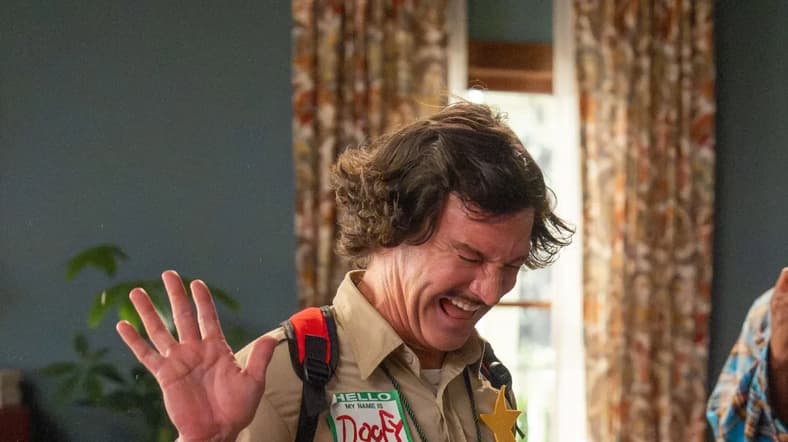
For "Scary Movie 6" to achieve this, it must prioritize the reintroduction of genuine horror elements. This means not only lampooning horror tropes but also actively employing them to create suspense, dread, and surprise. The film needs to remind audiences why it was originally titled "Scary Movie" by ensuring that the "scary" aspect is as integral to the experience as the "movie" it is spoofing. The expectation is that the new film will aim to be a direct, high-quality successor to the 2000 original and its 2001 sequel, allowing for a double-feature experience that honors the franchise’s foundational success. The critical reception and box office performance of "Scary Movie 6" will ultimately determine whether it can successfully reignite the fear and laughter that defined the franchise’s golden era.