The Japanese justice system, frequently criticized for its exceptionally high conviction rates and a legal culture often perceived as prioritizing certainty over due process, comes under an incisive lens in Reika Kamata’s documentary, "The Limit" (Japanese "Imouto no Jikan" – "A younger sister’s time"). The film meticulously examines the profound, enduring impact of a murder conviction, particularly when secured amidst a palpable absence of concrete evidence, on the accused and their immediate family. This exploration is anchored in the harrowing saga of Masaru Okunishi and the infamous Nabari Poisoned Wine Case of 1961, a legal battle that has spanned over six decades and continues to challenge the foundational principles of Japanese jurisprudence.
The Shadow of Doubt: The Nabari Poisoned Wine Case Unveiled
The year was 1961 when the quiet farming community of Nabari, Mie Prefecture, was plunged into a national tragedy. During a local gathering at a community hall, five women, including Masaru Okunishi’s wife and lover, tragically died after consuming poisoned wine. The crime, swiftly labeled the Nabari Poisoned Wine Case, sent shockwaves across Japan, prompting an urgent and intense police investigation.
Masaru Okunishi, then a 35-year-old farmer, quickly became the primary suspect. His arrest followed a swift and relentless interrogation process, a characteristic feature of Japanese criminal investigations often referred to as "hostage justice," where suspects can be detained for extended periods without charge and subjected to prolonged questioning designed to elicit confessions. Under such immense pressure, Okunishi eventually confessed to the murders. However, this confession was later retracted, with Okunishi claiming it was coerced.
Despite the retraction, and with the forced confession standing as the only substantial piece of evidence, Okunishi was initially acquitted by the Tsu District Court in 1964. The court recognized the severe doubts surrounding the confession’s voluntariness and credibility, acknowledging the lack of corroborating physical evidence linking him directly to the poisoning. This initial verdict offered a glimmer of hope, allowing Okunishi to briefly reclaim a semblance of normalcy and begin rebuilding his life away from the shadow of the death penalty.
However, the prosecution, undeterred, appealed the decision. A decade after the initial acquittal, in 1972, the Nagoya High Court overturned the lower court’s judgment. Citing "new evidence"—which critics argue was circumstantial and failed to definitively prove Okunishi’s guilt—the High Court sentenced him to death. This reversal marked a devastating turning point, condemning Okunishi to Japan’s death row, where he would remain for the rest of his life, a prisoner of a justice system increasingly seen as fallible.
A Sister’s Unwavering Fight: Miyoko Oka’s Decades-Long Crusade
The legal battle for Masaru Okunishi’s exoneration did not end with his death sentence. It merely shifted its battleground, transforming into an epic, multi-generational struggle spearheaded by his younger sister, Miyoko Oka. Recognizing the profound injustices inherent in her brother’s conviction, particularly the questionable "new evidence" that appeared to contradict the established facts of the crime, Miyoko Oka dedicated her life to securing a retrial.
Over the next five decades, Miyoko, with the steadfast support of her husband and daughters, initiated and tirelessly pursued no fewer than ten appeals for a retrial. Each attempt was meticulously prepared by a dedicated defense team, presenting new arguments, re-examining evidence, and consistently highlighting the glaring inconsistencies and the absence of definitive proof of guilt. Yet, each appeal was met with rejection. The courts, time and again, dismissed their pleas, often acknowledging the complexities of the case but ultimately upholding the previous conviction.
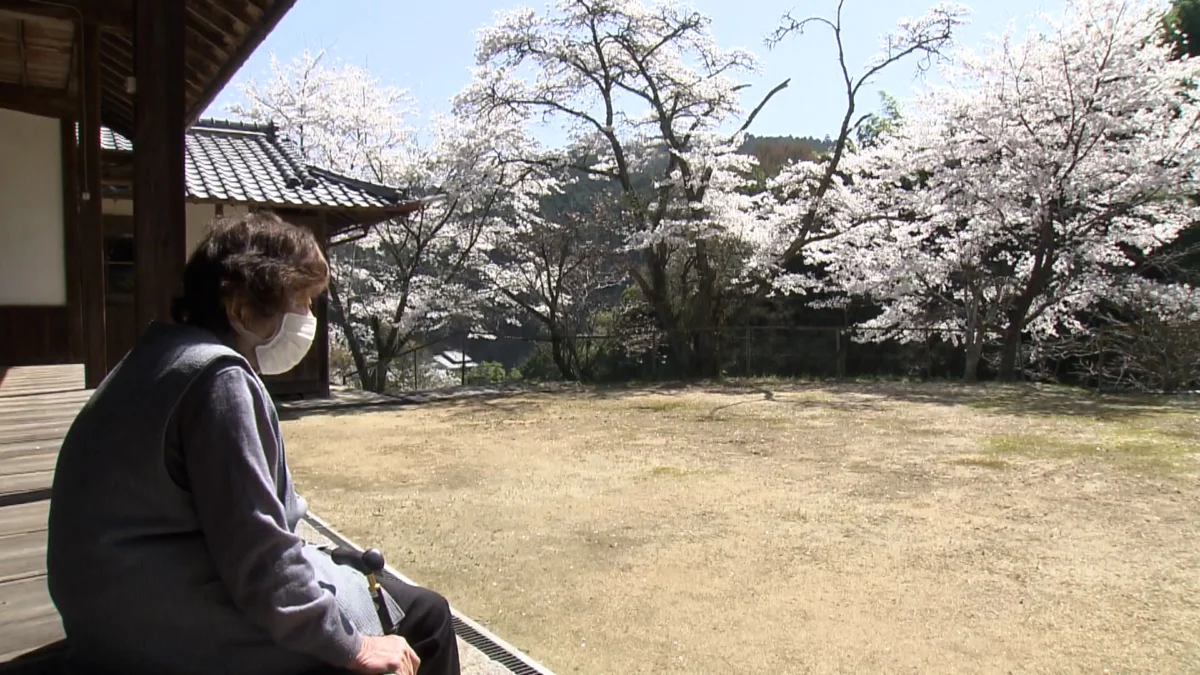
"Imouto no Jikan" powerfully encapsulates this Sisyphean struggle. The documentary combines invaluable archival footage from Okunishi’s initial arrest and trials with material from some of the critical appeal hearings that unfolded over the ensuing decades. These historical documents are interwoven with new, intimate interviews with Miyoko Oka herself and members of the evolving defense team. As the years turned into decades, faces changed, family members passed away, yet Miyoko’s resolve remained unbroken, a testament to familial love and an unyielding quest for justice. The film illustrates the immense personal sacrifices involved, including the forced relocation of their family grave due to the societal stigma associated with a convicted murderer, underscoring the profound and far-reaching societal condemnation that often precedes definitive legal judgment in Japan.
The Japanese Justice System Under Scrutiny
The Okunishi case, as highlighted by Kamata’s documentary, serves as a stark illustration of long-standing criticisms leveled against the Japanese justice system. The cornerstone of these criticisms includes:
- Exceptionally High Conviction Rates: Japan boasts a conviction rate exceeding 99%, a statistic that, while seemingly indicative of judicial efficiency, often raises concerns among human rights advocates. Critics argue this high rate suggests a system where prosecutors pursue only cases they deem "virtually certain to win," potentially overlooking exculpatory evidence or pressuring suspects into confessions. This environment can foster a culture where suspects are treated as guilty long before any final judgment.
- Reliance on Confessions: Despite legal safeguards, confessions, even if coerced or later retracted, often carry disproportionate weight in Japanese courts. The "hostage justice" system, where suspects can be detained for weeks or months without access to legal counsel during interrogations, is frequently cited as a mechanism that facilitates forced confessions.
- Lack of Presumption of Innocence: While legally enshrined, the practical application of the presumption of innocence is often questioned. Once arrested, individuals can quickly become social pariahs, their reputations irrevocably damaged, regardless of the trial’s outcome.
- Judicial Conservatism: The judiciary is often perceived as conservative, hesitant to challenge prosecutorial narratives or overturn previous rulings, particularly in capital cases. This contributes to the difficulty in securing retrials, even when significant doubts emerge.
These systemic issues create a formidable barrier for those seeking to overturn wrongful convictions, transforming the appeals process into an arduous, often futile, marathon.
Reika Kamata’s "The Limit": A Documentary’s Lens
Kamata’s directorial approach in "The Limit" is both compelling and educative. She masterfully weaves together disparate elements to construct a powerful narrative. The blend of archival footage—showing the raw intensity of the original investigations and trials—with contemporary interviews provides a visceral sense of the passage of time and the unyielding nature of the struggle. The inclusion of brief reconstructions and visual timelines, while giving the film a structure akin to a television documentary or even an educational program, serves to clarify complex legal procedures and the chronology of events without detracting from the human drama at its core.
The Japanese title, "Imouto no Jikan" ("A younger sister’s time"), perfectly encapsulates the documentary’s narrative focus on Miyoko Oka. It underscores the immense personal cost and the sheer dedication of a family member who dedicates her entire adult life to fighting an entrenched system. The film poignantly illustrates the emotional and physical toll of this decades-long struggle, highlighting how the burden of injustice extends far beyond the convicted individual.
Echoes of Injustice: Parallels with Other Cases
Kamata’s documentary draws a crucial parallel between Okunishi’s case and that of another notorious death row inmate, Iwao Hakamada. Hakamada, a former professional boxer, was convicted of a quadruple murder in 1966 and spent nearly 48 years on death row, making him the world’s longest-serving death row inmate. His case, like Okunishi’s, was marred by a coerced confession and questionable evidence. Crucially, in Hakamada’s case, it later emerged that key evidence had been fabricated by investigators. In 2014, a district court ordered a retrial, and Hakamada was released from prison, albeit as an elderly man suffering from dementia due to his prolonged incarceration.
This comparison in "The Limit" is not merely illustrative; it is damning. It raises the critical question of why, if fabricated evidence could lead to a retrial and release in one case, the persistent and equally compelling doubts surrounding the Okunishi case were repeatedly ignored. The documentary subtly yet powerfully suggests a systemic reluctance to admit judicial error, a deeply ingrained institutional inertia that prolongs suffering and denies justice.
Judicial Resistance and Lingering Questions
One of the most profound and disturbing aspects explored in "The Limit" is the judiciary’s repeated dismissal of appeals despite the clear presence of reasonable doubt. The film includes an interview with the widow of one of the judges who originally presided over Okunishi’s initial acquittal. This interview indirectly raises the perplexing question of why the case was resurrected and re-prosecuted after the initial not-guilty verdict, and why subsequent appeals, even when acknowledging the lack of definitive evidence, were consistently rejected by new judges.
Kamata does not shy away from confronting this judicial resistance directly. Her documentary takes the bold step of "naming and shaming" the numerous judges who presided over and rejected Okunishi’s appeals over the decades. This deliberate act is a powerful statement, intended to highlight not just the institutional failings but also the individual accountability within the judicial system. By doing so, Kamata forces viewers to confront the uncomfortable truth: that the guilt for Okunishi’s prolonged incarceration, despite the clear and consistent lack of evidence, lies not just with a flawed system, but also with the individuals tasked with upholding justice.
The central question that hangs over the entire documentary, and indeed over the Okunishi case itself, remains unanswered: Why were the appeals repeatedly rejected, despite the clear presence of reasonable doubt? Kamata consciously allows this question to linger, forcing the audience to grapple with the implications of a justice system that, in this instance, appeared more committed to upholding a conviction than to pursuing truth and justice. While some might argue for more direct investigative probing within the documentary, Kamata’s approach of presenting the facts and allowing the judicial actions to speak for themselves is arguably more impactful, letting the sheer weight of the evidence (or lack thereof) condemn the system.
Broader Implications and the Call for Reform
Masaru Okunishi passed away in 2013 at the age of 87, still on death row, his appeals for retrial ultimately unsuccessful. His death marked the tragic end of a personal fight, but not the end of the broader struggle for justice and judicial reform in Japan. "The Limit" serves as a powerful testament to the enduring human cost of a justice system perceived as flawed.
The documentary’s release and critical reception contribute to an ongoing national and international dialogue about the need for reform within the Japanese legal system. Human rights organizations, both domestic and international, have long called for changes, including a reduction in reliance on confessions, stronger protections for suspects during interrogation, and greater judicial independence and willingness to review past convictions critically.
The Okunishi case, as illuminated by Kamata’s poignant film, underscores the critical importance of robust legal safeguards, the presumption of innocence, and a judiciary willing to admit and rectify errors. It stands as a stark reminder that true justice is not merely about securing convictions, but about ensuring that every individual, regardless of accusation, receives a fair hearing based on incontrovertible evidence, and that the scales of justice are balanced not by societal pressure or institutional inertia, but by truth and unwavering principle. "The Limit" is more than a documentary about one man’s struggle; it is a profound critique of a system, a call for introspection, and a powerful echo of a sister’s lifelong plea for justice.