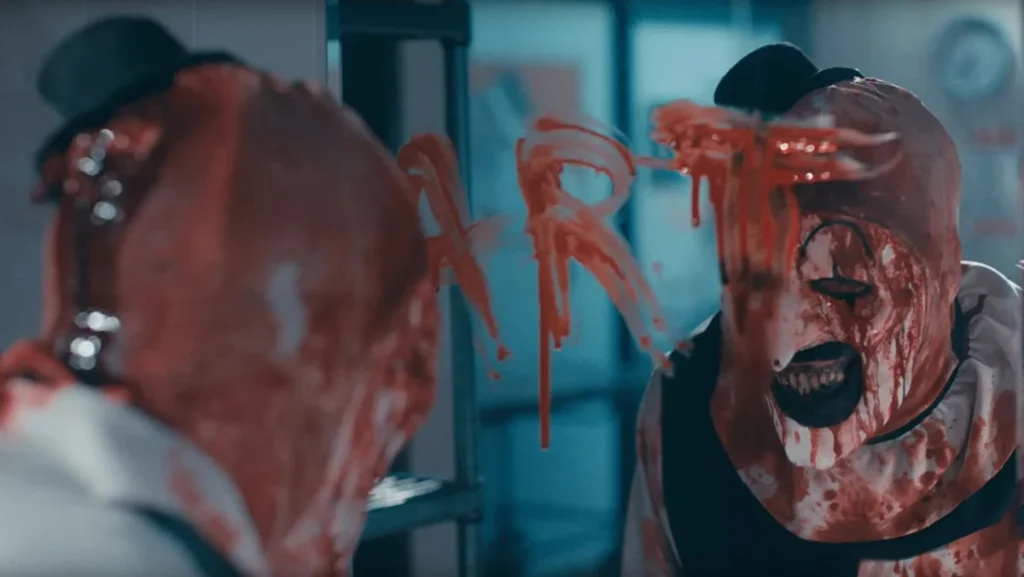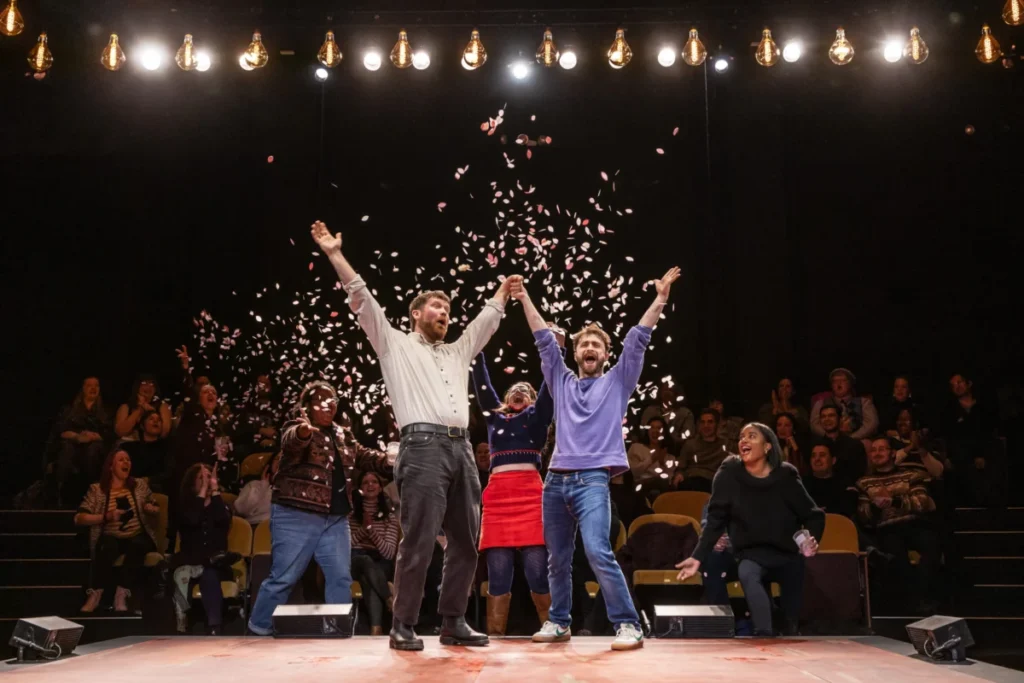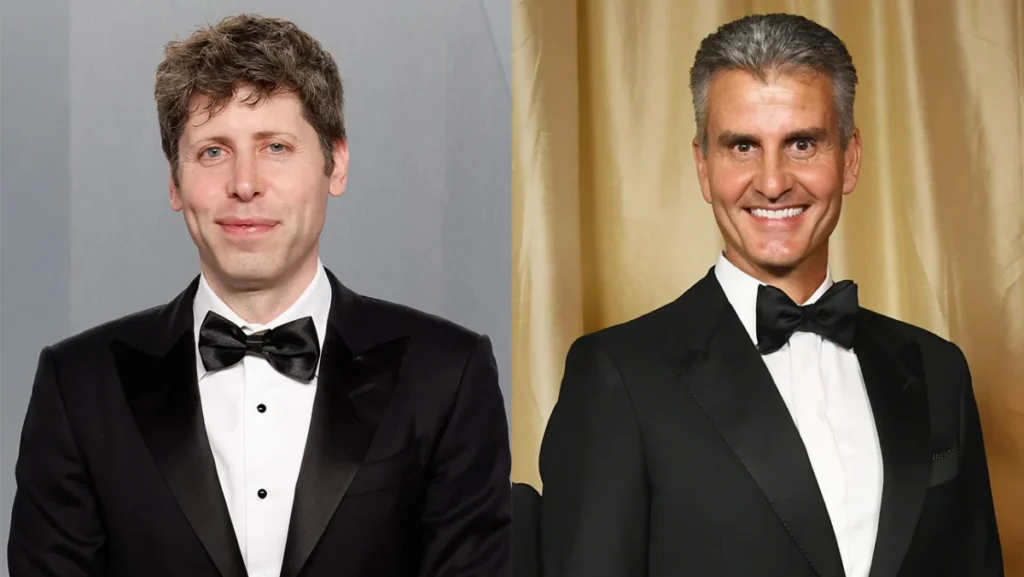
Nike has officially launched its most ambitious marketing initiative to date, a cinematic "blockbuster" titled "Rip The Script," signaling the beginning of its multi-year strategy leading into the 2026 FIFA World Cup. Directed by Dan Streit and produced in collaboration with long-time creative partner Wieden+Kennedy, the campaign represents a significant departure from traditional sports advertising. By converging the worlds of elite athletics, Hollywood entertainment, and digital-first storytelling, the Beaverton-based sportswear giant aims to capture a global audience while anchoring its presence in the North American market, where the tournament will be hosted. The centerpiece of the campaign is a high-octane short film set on a Hollywood studio backlot, featuring an unprecedented roster of global icons ranging from soccer legends to pop culture moguls.
The Cinematic Scale of Rip The Script
The "Rip The Script" film is framed as a meta-commentary on the nature of sports stardom and the entertainment industry. It features a chaotic, high-energy sequence where athletes and entertainers disrupt a traditional film set, effectively "ripping the script" of how sports stories are typically told. Helena Thornton, Nike’s Vice President of Brand Management, characterized the project as a "blockbuster" not merely due to its production value, but because of the cultural weight of the participants involved.
The film serves as the anchor for a much larger ecosystem of content. Rather than relying on a single 30-second or 60-second television spot, Nike is deploying a fragmented storytelling model designed for the modern media landscape. This includes approximately 185 additional short-form videos that will be distributed across platforms such as TikTok, Instagram, X (formerly Twitter), and Reddit. This strategy acknowledges the shifting consumption habits of younger demographics who prioritize "raw" and "authentic" interactions over polished, traditional advertisements.
A Cross-Cultural Convergence of Talent
The roster of talent assembled for the campaign is perhaps the most diverse in the company’s history, bridging the gap between various entertainment sectors. The film includes basketball icon LeBron James, musicians Travis Scott and LISA, and media personality Kim Kardashian. Representing the intersection of fiction and reality, Jason Sudeikis appears as his celebrated character Ted Lasso, a move that highlights the growing cultural footprint of soccer in the United States.
On the pitch, the campaign features the current vanguard of global soccer, including Cristiano Ronaldo, Kylian Mbappé, Erling Haaland, and Vini Jr. To appeal to long-time fans and emphasize the sport’s heritage, Nike also integrated "legends" of the game, such as Eric Cantona, Ronaldinho, Zlatan Ibrahimović, Didier Drogba, and the iconic Mexican goalkeeper Jorge Campos.
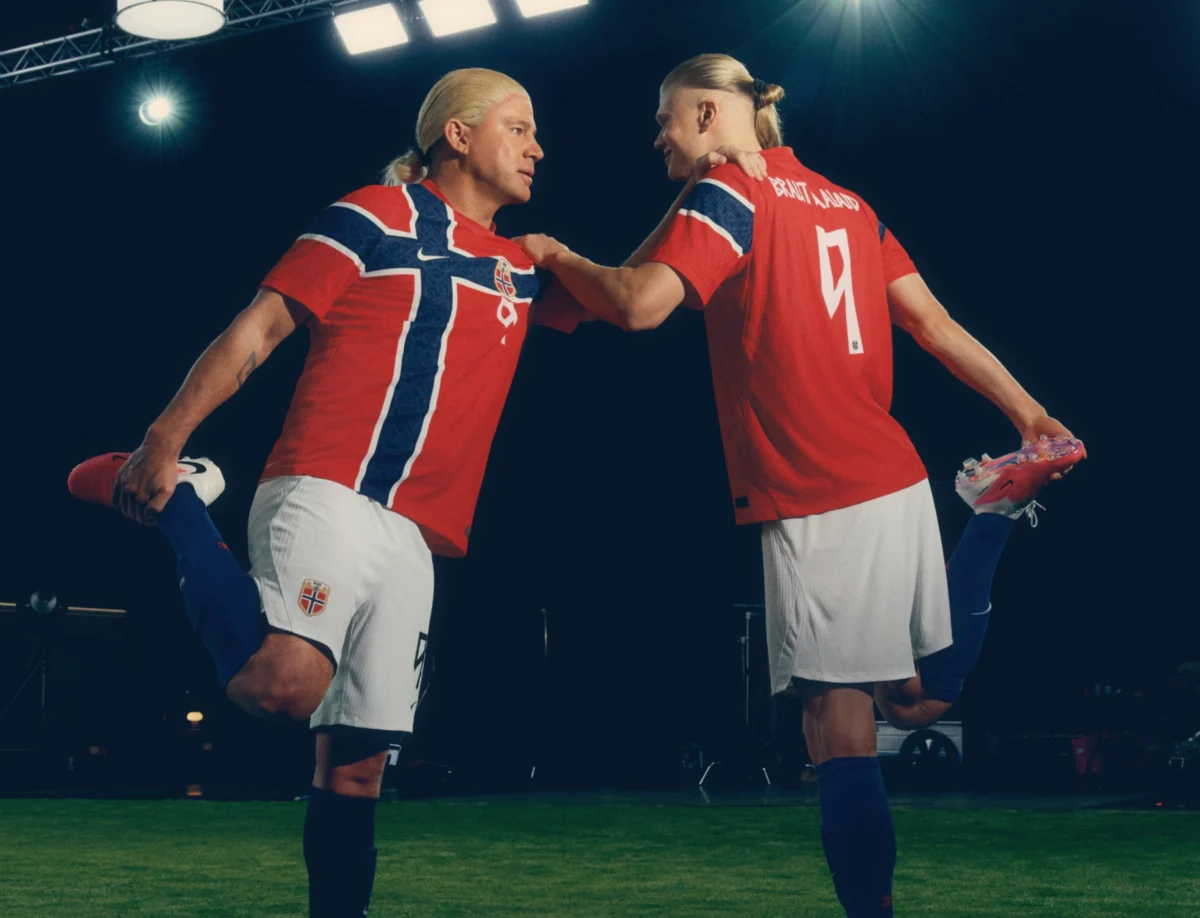
One of the more notable vignettes within the campaign features Manchester City striker Erling Haaland engaging in playful banter with actor Channing Tatum, who appears in full Haaland kit, including the striker’s signature ponytail. According to Thornton, these moments are intended to humanize the athletes. "We’re probably one of the only brands that allows you to see both sides of a person," Thornton stated, noting that the goal is to balance the "glory goalscorer" persona with a more relatable, behind-the-scenes personality.
Strategic Shift: From Commercials to Content Ecosystems
The "Rip The Script" campaign is built on the premise that the conversation around major sporting events no longer happens in a vacuum. Nike’s strategy involves embedding "Easter eggs" throughout the main film to trigger digital scavenger hunts and social media discourse. This includes an unreleased track from a high-profile artist hidden within the audio mix, encouraging viewers to engage with the content repeatedly to discover hidden details.
This approach reflects a broader trend in the advertising industry where brands act more like content creators than traditional sponsors. By releasing nearly 200 adjacent stories, Nike ensures a constant stream of engagement leading up to the 2026 tournament. This "always-on" marketing model is designed to keep the brand at the center of the cultural conversation for months, rather than weeks.
Historical Context: Nike’s World Cup Advertising Legacy
Nike has a long-standing history of defining the cultural zeitgeist through its World Cup campaigns. The 2026 strategy follows in the footsteps of several landmark advertisements:
- 1998 (Airport): The Brazilian national team showcased their skills in an airport terminal, a commercial that is still cited as one of the greatest of all time.
- 2002 (The Secret Tournament): Directed by Terry Gilliam, "The Cage" featured 24 of the world’s best players in a three-on-three tournament on a tanker ship, refereed by Eric Cantona.
- 2010 (Write the Future): An epic three-minute film that explored the ripple effects of a single moment on the pitch, featuring cameos from Homer Simpson and Kobe Bryant.
- 2014 (Winner Stays): A neighborhood game that escalated into a stadium-sized spectacle, emphasizing the "dream" aspect of the sport.
The 2026 campaign differs from these predecessors by moving away from a singular "event" film toward a decentralized network of content. While previous campaigns focused on the spectacle of the game itself, "Rip The Script" focuses on the spectacle of the athletes’ lives and their influence on global culture.
The North American Market and the 2026 Opportunity
The decision to "go Hollywood" is a calculated move as the FIFA World Cup returns to North America (hosted by the United States, Canada, and Mexico). For Nike, this represents a "home turf" advantage. The 2026 tournament is expected to be the largest in history, with 48 teams participating and matches spread across 16 host cities.
Market data suggests that soccer’s popularity in North America is at an all-time high. Major League Soccer (MLS) has seen record attendance, and the arrival of Lionel Messi in the U.S. has significantly boosted viewership and merchandise sales. By filming on a Hollywood backlot and utilizing American icons like LeBron James and Kim Kardashian alongside global soccer stars, Nike is positioning soccer as a mainstream American entertainment product, not just a niche sporting interest.
Industry analysts suggest that Nike’s "all-in" approach is also a response to increased competition. Rivals such as Adidas (an official FIFA partner) and Puma have aggressively expanded their footprints in the soccer market. By leveraging its deep ties to Hollywood and its roster of multi-disciplinary athletes, Nike is attempting to create a "cultural moat" that competitors cannot easily replicate.
Technical Production and Digital-First Distribution
The production of "Rip The Script" involved complex logistics, coordinating the schedules of some of the world’s busiest celebrities and athletes. The use of a studio backlot allowed for a controlled environment where various "worlds" could be constructed and deconstructed rapidly, mirroring the fast-paced nature of modern social media feeds.
The distribution plan focuses heavily on "discoverability." Thornton noted that the future of storytelling lies in allowing the audience to "go and explore for yourself." This is why the campaign prioritizes platforms like Reddit and TikTok, where communities can dissect the videos, share clips, and discuss the unreleased music. This method effectively turns the audience into an extension of the marketing team, as user-generated content (UGC) and "reaction videos" further amplify the brand’s reach.
Market Implications and the Future of Sports Branding
The "Rip The Script" campaign serves as a blueprint for how global brands may approach major events in the future. The transition from a "push" marketing strategy (forcing an ad on a viewer) to a "pull" strategy (creating content that viewers seek out) is now a necessity in an era of ad-blockers and fragmented attention spans.
From a business perspective, the campaign aims to bolster Nike’s soccer-related revenue, which has faced fluctuations in recent years. By tying the sport to broader lifestyle and entertainment themes, Nike is expanding its addressable market. The inclusion of figures like LISA and Young Miko also signals an intent to capture the attention of the music-driven Gen Z demographic, ensuring that the Nike brand remains synonymous with "cool" across multiple verticals.
As the 2026 World Cup approaches, the success of "Rip The Script" will likely be measured not just by sales of the Mercurial boots or national team kits, but by the brand’s ability to dominate the digital conversation. By "ripping the script" of traditional advertising, Nike is betting that the future of sports marketing lies at the intersection of the stadium, the cinema, and the smartphone.