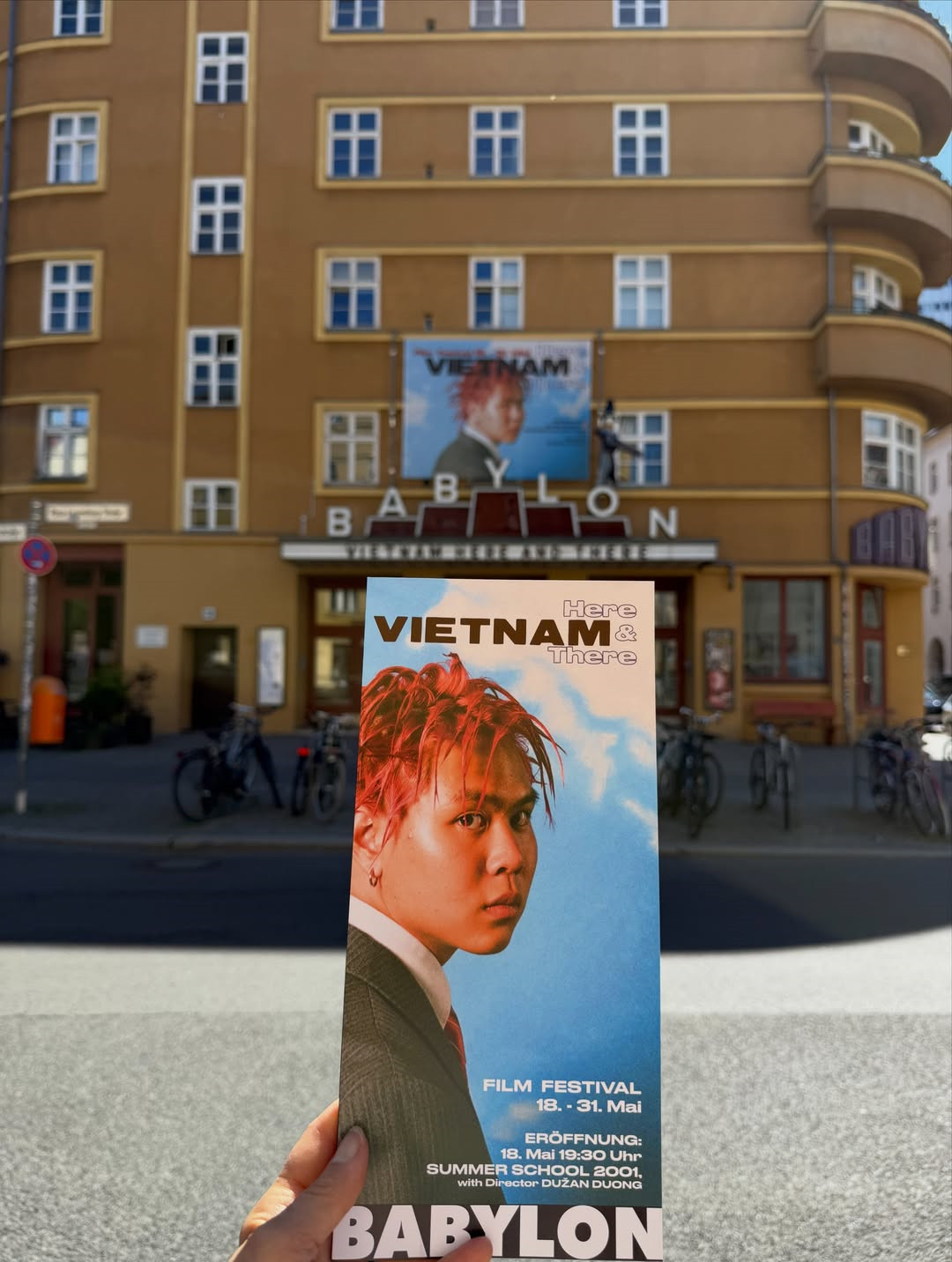
Berlin’s historic Babylon Cinema recently concluded the third edition of the Vietnamese Film Program, "Vietnam Here & There," a significant cultural event that ran from May 18 to May 31, 2026. This year’s festival, meticulously curated by the dynamic duo Luu Bich Ngoc and Tran An, offered a profound and expansive exploration of Vietnam’s cinematic landscape, presenting an impressive slate of 30 films. Ranging from rarely seen archival classics to bold, contemporary works, the program skillfully bridged the creative expressions of filmmakers from Vietnam and its burgeoning global diaspora. While the ambitious scale of the program was initially prompted by a numerical suggestion from the venue, the underlying thematic current of this edition was unequivocally hope, forging a deeply personal, multi-narrative space that consciously sidestepped the pressures often associated with monolithic political correctness.
A Deep Dive into Vietnamese Cinematic Identity
The "Vietnam Here & There" program has, since its inception, aimed to carve out a unique niche in the European cultural calendar, offering a counter-narrative to commercialized cinematic offerings. Its third iteration in 2026 underscored its growing influence and the increasing demand for independent Vietnamese cinema. The Babylon Cinema, a venerable institution itself with a rich history of showcasing diverse international films, provided an ideal backdrop for this exploration of a national cinema often underrepresented on the global stage. The choice of Berlin, a city renowned for its multiculturalism and a significant Vietnamese diaspora, further amplified the festival’s resonance, creating a fertile ground for cultural exchange and introspection.
Curators Luu Bich Ngoc and Tran An articulated their vision for this edition as one of "unbridled storytelling," emphasizing narratives that reflect the complex realities of Vietnamese life, both within the nation’s borders and across its global communities. This approach allowed for a program that celebrated artistic freedom and offered a nuanced portrayal of a country undergoing rapid social and economic transformation, while also grappling with its historical legacies. The selection process involved extensive research and collaboration, often unearthing films that have seen limited distribution or public exhibition, particularly outside Vietnam.
Spotlight on Diasporic Cinema: Challenging Boundaries
A major highlight of the 2026 program was its dedicated focus on diasporic cinema, a powerful segment that actively challenges conventional notions of home, identity, and belonging. These films provided poignant insights into the experiences of Vietnamese individuals navigating new cultural terrains, often grappling with issues of displacement, assimilation, and the enduring ties to their heritage.
The festival commenced with the opening film, "The Summer School, 2001," by Duzan Duong. This compelling narrative offered an authentic and intimate look at a Vietnamese family running a market stall in Cheb, Czech Republic. The film masterfully depicted the intricate dynamics of familial distance and the harsh environmental realities faced by immigrants, particularly after a decade of separation. It resonated deeply with audiences, illustrating the universal struggles of maintaining cultural identity while adapting to a new homeland.
Another significant entry was Akio Fujimoto’s "Along The Sea," which shed light on the precarious working conditions endured by three young Vietnamese women. These women, having escaped exploitative 15-hour-workday technical trainee programs in Japan, found themselves living as undocumented immigrants on the fringes of an aging society. The film served as a stark commentary on contemporary global labor migration and the vulnerability of marginalized communities.
Standing out as a foundational piece of diasporic cinema was Trinh Thi Minh Ha’s "A Tale Of Love." Employing a non-linear narrative structure, this film meticulously tracked the journey of a Vietnamese immigrant writer as she navigated a new life abroad, while simultaneously reflecting on the family and homeland she left behind. Ha’s work is recognized for its experimental approach and its profound exploration of memory, identity, and the diasporic condition, making it a crucial inclusion for the program’s thematic focus. The inclusion of such diverse voices from the diaspora underscored the festival’s commitment to presenting a multifaceted and evolving Vietnamese identity.
Documentary Power: Unfiltered Windows into Changing Realities
The documentary lineup emerged as one of the program’s strongest and most impactful components, serving as an unfiltered window into Vietnam’s changing social realities. These films tackled sensitive topics, offering intimate perspectives on traditions, environmental challenges, and the lives of ethnic minorities.
"Good Mourning Vietnam" by Huong D. Ta celebrated its world premiere at the festival, offering a deeply intimate exploration of a fading tradition in a Northern Vietnamese village. The documentary chronicled a community of professional female mourners who guide people through grief, a cultural practice that speaks volumes about societal values and the passage of time. The film’s premiere in Berlin highlighted the global interest in preserving and understanding unique cultural heritages.
Meanwhile, Duc Ngo Ngoc’s "Farewell Halong" captured the poignant story of a multigenerational family living on a self-built raft in Ha Long Bay. The documentary meticulously tracked their precarious existence following a strict 2014 government mandate that forced floating village communities to relocate to the mainland. This film offered a powerful commentary on environmental policy, forced displacement, and the resilience of communities tied to traditional ways of life. The 2014 mandate, aimed at preserving the UNESCO World Heritage site and improving living conditions, nevertheless disrupted centuries-old traditions, a complex issue "Farewell Halong" explored with sensitivity and depth.
"The Tree House" by Truong Minh Quy masterfully blended documentary reality with speculative sci-fi elements, investigating the isolated lives and memories of the Ruc and Kor ethnic minorities in Vietnam’s mountainous regions. This innovative approach allowed for a deeper, more imaginative engagement with the challenges and unique perspectives of these communities, often overlooked in mainstream narratives. The film’s artistic merit and its focus on indigenous cultures underscored the festival’s commitment to showcasing diverse storytelling methodologies and voices.
Audience Engagement and Cultural Resonance
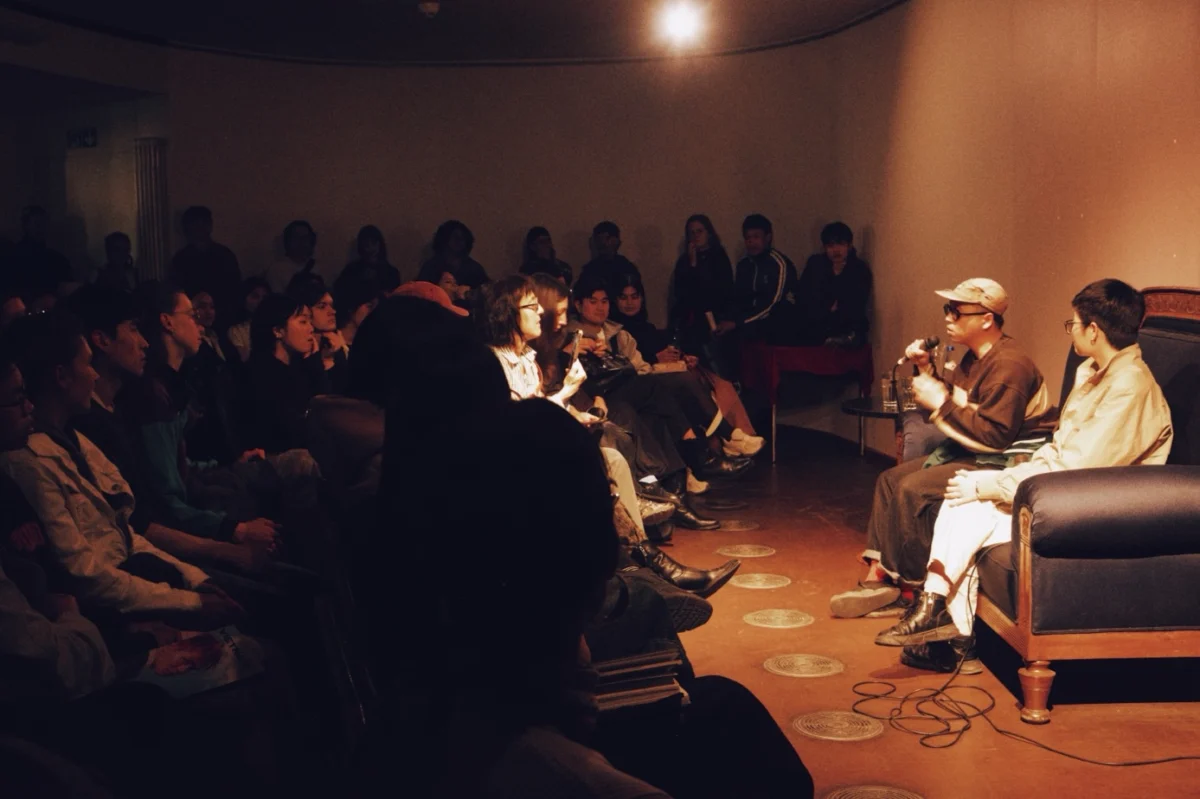
The audience reception at the Babylon Cinema was described as nothing short of electric. Based on direct observation and informal conversations with attendees throughout the festival’s two-week run, viewers expressed overwhelming enthusiasm for the opportunity to experience uncompromised Vietnamese indie cinema. This generated a lively buzz that sustained throughout the entire event.
The diverse crowd, which blended non-Vietnamese cinephiles with multiple generations of the local Vietnamese diaspora, found the festival to be a deeply moving space for connection and reflection. Younger, second or third-generation Vietnamese-Germans expressed immense gratitude for the rare opportunity to see their heritage and complex contemporary issues, such as labor conditions and systemic patriarchy, reflected on the big screen. For many, these films provided a vital link to their ancestral roots and offered a framework for understanding their own bicultural identities. This demographic often struggles with a perceived lack of representation in mainstream media, making the festival a crucial platform for identity affirmation.
Furthermore, older community members engaged emotionally with rare archival footage and historical narratives that are otherwise inaccessible or, in some cases, censored in Vietnam. These screenings offered a unique chance to revisit collective memories and discuss historical events from diverse perspectives, fostering intergenerational dialogue. The post-screening environment frequently transformed into an open forum for passionate discourse; audiences lingered long after the credits rolled, eager to debate the films’ personal and political nuances. This overwhelming reception proved that there is a profound, untapped hunger in Berlin for cinematic storytelling that resists institutional narratives in favor of raw, independent human experiences. The success of the festival highlighted Berlin’s role as a vibrant hub for diasporic communities and a receptive audience for independent world cinema.
The Crucial Imperative of Film Preservation
The emotional reactions from audiences significantly highlighted the critical importance of making these works publicly available, particularly those that have long remained absent from mainstream circulation. This preservation work is vital, not only for cultural heritage but also for the ongoing development of cinematic art. Many older Vietnamese films remain largely inaccessible to the general public due to a lack of a clear distribution framework and a dedicated managing body, despite considerable remastering and digitizing work in recent years by the Vietnam Film Institute (VFI).
Within independent film circles, persistent concerns exist regarding the resources available for long-term film preservation and public access. Vietnam’s national film preservation efforts are severely under-resourced, leaving its rich cinematic heritage incredibly vulnerable to physical decay and irreversible loss. Without adequate funding and infrastructure, valuable historical and artistic works face the constant threat of deterioration. This mirrors a broader global challenge where many developing nations struggle to protect their audiovisual archives against environmental factors, lack of specialized equipment, and inadequate storage facilities. For instance, according to UNESCO, a significant percentage of films produced before 1950 have already been lost, underscoring the urgency of these efforts.
Beyond preservation, independent filmmakers in Vietnam still face immense financial hurdles and regulatory constraints. The lack of structural support from all sides for independent creators, combined with economic pressure from Vietnam’s commercial-driven, privately owned distribution sector, effectively squeezes out any chance for positive release. Commercial distributors often prioritize films with guaranteed box office appeal, leaving experimental, documentary, or artistically challenging works with limited avenues for public exhibition. Consequently, screening these independent works in international venues like Berlin becomes a profound form of cultural activism. It provides a much-needed platform to independent filmmakers who steadfastly refuse to compromise their creative visions for mainstream commercialism or nationalistic narratives, ensuring their voices are heard and their stories seen.
Building a Sustainable Cultural Ecosystem
Beyond the theater screen, "Vietnam Here & There" aims to be a vital node in a larger cultural ecosystem. In Vietnam, cinema is largely treated as commercial entertainment rather than a space for rigorous discourse or education. This perception, coupled with the prevalence of internet piracy, has historically devalued the work of local filmmakers, making it difficult for them to sustain their craft financially.
By bringing these films to Berlin with high-quality projection and professional subtitling, the festival actively bridges a significant gap for non-Vietnamese audiences who would otherwise be unable to access these works. More critically, it ensures that independent directors are fairly compensated for their art—a rare occurrence in their home country. This financial recognition is crucial for the sustainability of independent filmmaking.
Despite operating as a completely independent, two-person operation without formal city funding, the opening night of the festival saw a surprisingly packed turnout, a testament to its grassroots success. This organic momentum was largely driven by a multi-channel social media campaign across platforms like Instagram, complemented by strategic physical flyer distribution in Asian supermarkets, restaurants, and local cafés across Berlin. This targeted outreach successfully tapped into both the Vietnamese diaspora and a broader cinephile community.
Looking to the future, the curators, Luu Bich Ngoc and Tran An, harbor ambitious plans. They hope to expand their efforts by building an open-source Vietnamese film database, which would be an invaluable resource for researchers, students, and enthusiasts worldwide. Additionally, they aim to develop educational resources to further contextualize these films and foster deeper engagement. However, sustaining this momentum and realizing these ambitious goals requires a stronger ecosystem. This includes a more robust distribution mechanism for archival works and increased structural support for Asian-diasporic cultural initiatives in Germany. "Vietnam Here & There" has unequivocally proven that the hunger for authentic Vietnamese stories, told with artistic integrity and diverse perspectives, is vibrant and growing, not just in Berlin but across the global cultural landscape. Its continued success promises to further enrich the dialogue around Vietnamese cinema and its evolving place in the world.