The 30th Bucheon International Fantastic Film Festival (BIFAN), a globally renowned event celebrating the diverse realms of fantastic cinema, continues its robust commitment to nurturing and showcasing Korean genre filmmaking. This year, the festival highlights its dedication through the newly designated Bucheon Choice Korean: Features section, an evolution of the previously recognized Korean Fantastic category. Among the ten distinguished titles vying for critical acclaim in this prestigious competition is "Killing Time," the highly anticipated debut feature from director Jang Jun-yeop. This film distinguishes itself by ingeniously weaving classic slasher mechanics into a decidedly modern tapestry: the volatile world of YouTube livestreams, the relentless pursuit of sensational online content, and the increasingly disquieting commodification of violence for digital consumption.
The Bucheon International Fantastic Film Festival: A Hub for Genre Innovation
BIFAN, celebrating its thentieth anniversary, has long cemented its status as a vital international platform for genre cinema. Established in 1997, the festival has grown exponentially, becoming a crucial nexus for filmmakers, industry professionals, and enthusiastic audiences drawn to horror, fantasy, sci-fi, and thrillers from across the globe. Its consistent support for Korean genre cinema has been instrumental in the rise of a distinct and internationally acclaimed wave of films, many of which have gone on to achieve significant commercial and critical success. The renaming of its core Korean competition section to Bucheon Choice Korean: Features underscores a strategic move to further elevate the profile and recognition of domestic talent, emphasizing the curatorial rigor and prestige associated with being a "Bucheon Choice." This initiative reflects a broader trend in the South Korean film industry to continuously innovate and diversify its narrative offerings, leveraging genre as a powerful vehicle for social commentary and artistic expression. The festival’s programming often acts as a barometer for emerging trends, both within filmmaking techniques and societal anxieties, making "Killing Time"’s selection particularly pertinent given its contemporary themes.
‘Killing Time’: A Deep Dive into Digital Horror
"Killing Time" draws its narrative inspiration from the 2016 novel "Scare Campaign," providing a pre-existing foundation of suspense and character dynamics that director Jang Jun-yeop has skillfully adapted to the screen. The film’s plot centers on a popular horror YouTube channel, also named "Killing Time," which faces a catastrophic setback. A fatal accident occurs during one of its live broadcasts, forcing the channel into an enforced hiatus and casting a dark shadow over its future. Driven by a desperate ambition to reclaim their former glory and viewership, the channel’s production team devises an audacious plan: to create an even more extreme and sensational piece of content. Their chosen locale is an abandoned psychiatric hospital, nestled deep within a remote mountainous region – an archetypal horror setting that promises both atmospheric dread and isolation. This seemingly ideal backdrop for a terrifying livestream quickly devolves into a nightmare, as the meticulously staged scares give way to genuine violence, and unforeseen variables shatter the team’s illusion of control. The carefully constructed online event unravels, blurring the lines between performance and grim reality, fear as entertainment, and fear as an inescapable threat.
For a debut feature, Jang Jun-yeop demonstrates a nuanced approach to the slasher genre. While the foundational elements of slasher horror are present from the outset, the film deliberately abstains from an immediate, full-throttle commitment to gore. Instead, Jang allows the premise to develop, dedicating significant screen time to establishing the logic of the livestream format, exploring the intricate dynamics within the production group, and cultivating an pervasive uncertainty among the audience regarding the authenticity of the unfolding events. This strategic pacing proves to be one of the film’s more compelling directorial decisions. Rather than merely functioning as a conventional body-count narrative, "Killing Time" initially operates as a profound commentary on the nature of digital spectacle. It scrutinizes a world where peril is not only marketable but actively exaggerated, aestheticized, and packaged as a form of mass entertainment, a phenomenon that has become increasingly pervasive in the era of viral content.
The Blurring Lines of Reality: Commentary on Online Content Creation
Perhaps the most potent and intriguing aspect of "Killing Time" lies in its incisive critique of contemporary web content creation. The film vividly illustrates the relentless pressure on creators to constantly escalate their offerings, pushing boundaries further and further to capture and retain fleeting online attention. In this hyper-competitive digital ecosystem, mere fear is insufficient; it must be meticulously curated, streamed live, monetized through advertisements and sponsorships, and made more extreme than any preceding content. This imperative for perpetual escalation transforms the exoticization of violence into a core component of its appeal. The characters’ decision to return to producing horror content, especially after a previous tragedy directly linked to their previous broadcasts, immediately establishes their morally ambiguous position. The film possesses an appealingly cynical edge, keenly understanding that the ruthless logic of online visibility can transmute even profound trauma into a branding opportunity, a tragic currency in the attention economy.
Supporting data from recent years underscores the film’s thematic relevance. A 2023 report by the Korea Communications Commission indicated a significant surge in online video consumption, with platforms like YouTube dominating viewership, especially among younger demographics. This surge has, concurrently, led to an increase in creators pushing controversial or extreme content, driven by algorithmic incentives that favor engagement over ethical considerations. The global livestreaming market, valued at over $100 billion in 2022 and projected to grow substantially, fuels this environment, making the financial stakes for content creators incredibly high. "Killing Time" taps into this reality, depicting a microcosm where the line between staged performance and genuine peril becomes dangerously permeable, echoing real-world debates about content moderation, creator responsibility, and the psychological impact of constant digital exposure. The film implicitly asks: at what point does the pursuit of virality become a self-destructive act, not just for the creators but for the audience consuming their increasingly graphic content?
Setting the Stage for Terror: The Abandoned Psychiatric Hospital and Adversarial Dynamics
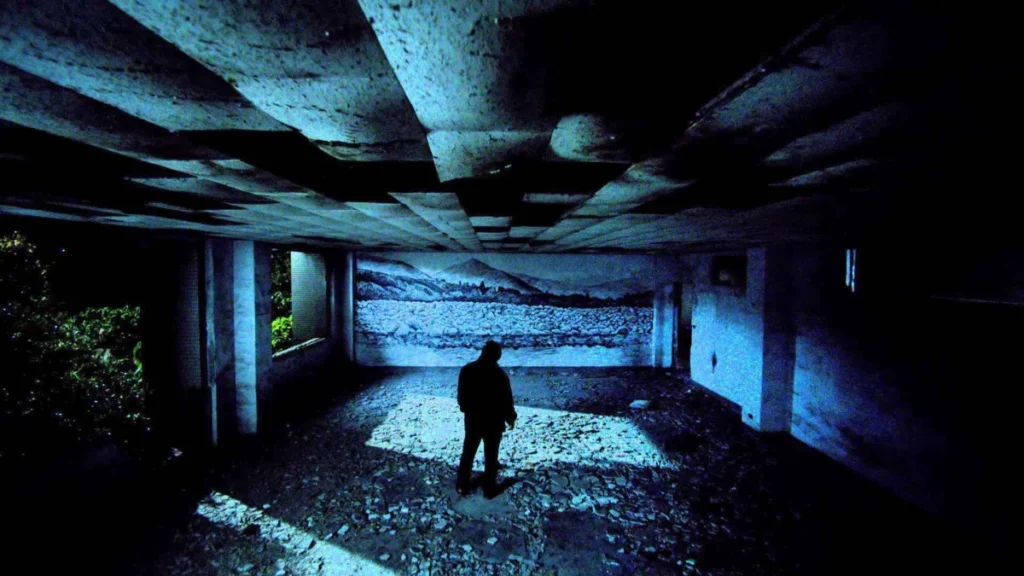
The selection of an abandoned psychiatric hospital as the primary setting for "Killing Time" is a stroke of genre genius. This location instantly immerses the audience in a pervasive atmosphere of dread, tapping into deep-seated fears associated with confinement, mental anguish, and forgotten horrors. Beyond its immediate chilling effect, the hospital serves a crucial narrative function: it effectively isolates the characters, systematically stripping away their sense of control and forcing them into increasingly desperate situations. The confined, labyrinthine spaces, coupled with the remote mountain setting, enhance the feeling of entrapment and vulnerability.
Adding another layer of complexity and conflict, the film introduces "The Warlords," another group of sensationalist web content creators. Their unexpected presence elevates the narrative beyond the internal collapse of a single production team. The hospital transforms from a mere horror set into a volatile battleground where rival performers of fear and violence clash. This adversarial element significantly strengthens the film’s commentary on online competition. The relentless drive to produce "stronger" or "more extreme" content than one’s rivals can become indistinguishable from a path to self-destruction. This dynamic reflects the cutthroat nature of the digital creator landscape, where the pressure to outperform competitors often leads to dangerous stunts, ethical compromises, and an endless cycle of one-upmanship. The clash between "Killing Time" and "The Warlords" personifies this struggle, making the abandoned hospital a crucible for both literal and metaphorical battles for online supremacy.
Character Arcs and Psychological Depths
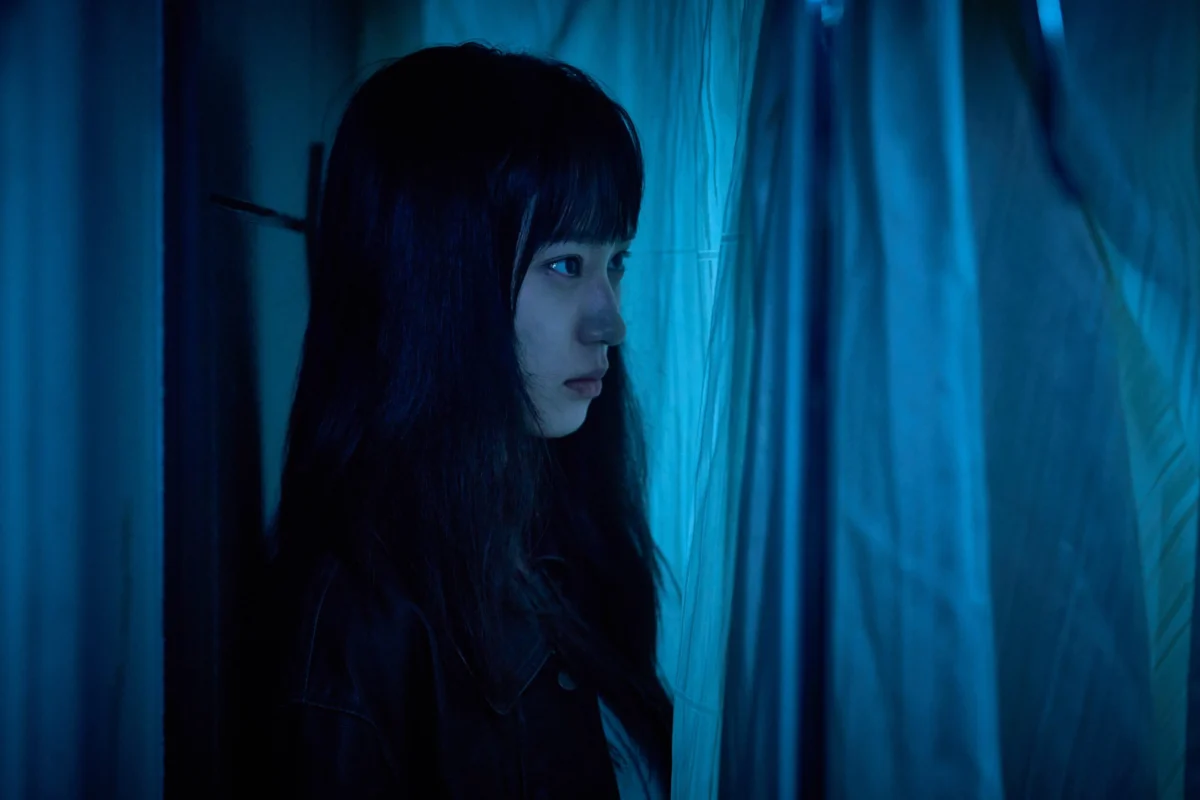
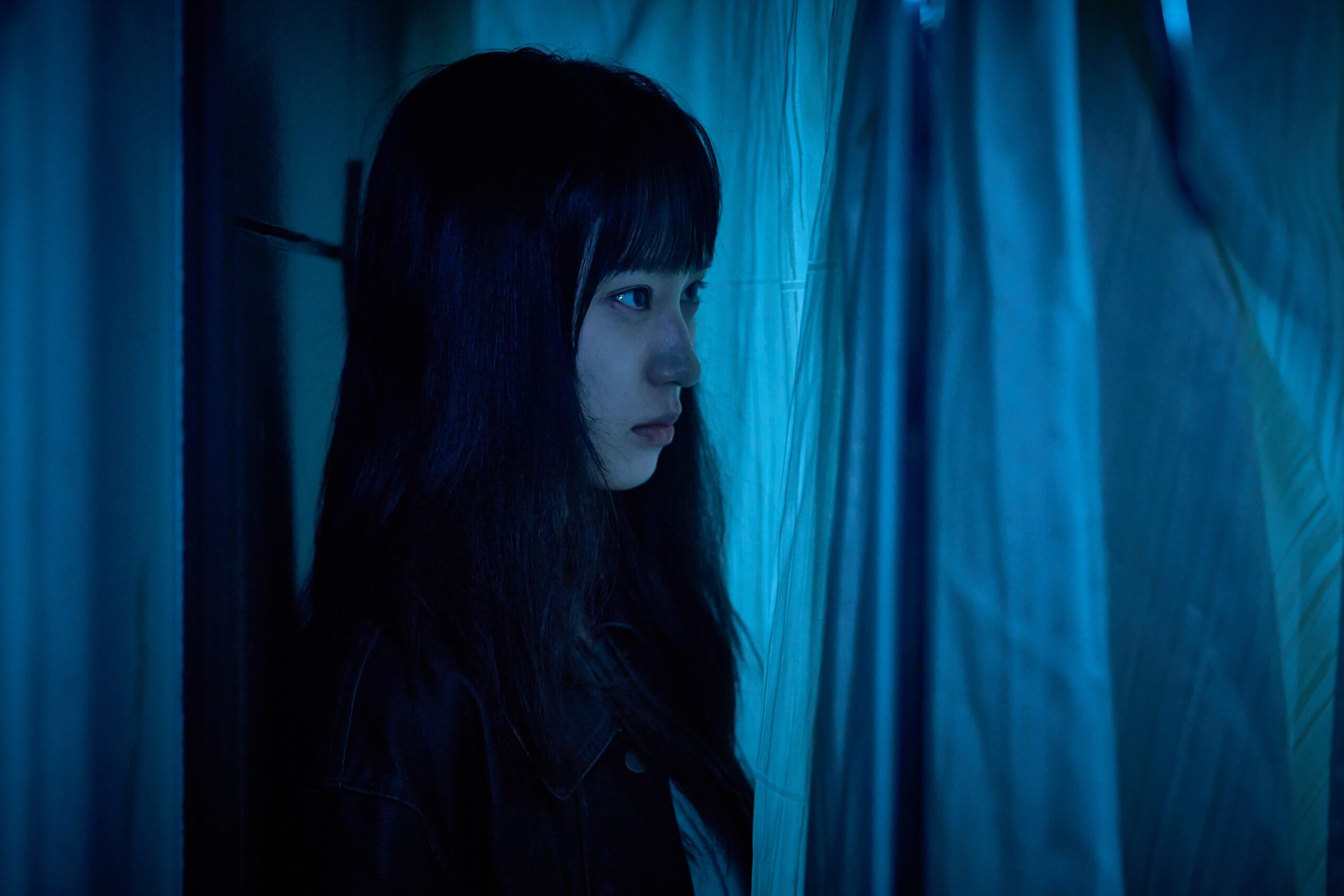
The nuanced group dynamics within "Killing Time" emerge as one of the film’s most compelling narrative strengths. As the livestream spirals uncontrollably, alliances shift, distrust festers, and the characters’ roles within the unfolding horror continuously evolve. Among them, the character of Yeun-woo stands out as particularly intriguing. She gradually assumes the mantle of the protagonist, but her centrality is not merely about her survival. What truly fascinates is her complex journey, transitioning fluidly from perpetrator to victim, and then, unsettlingly, back toward perpetrator. This constant repositioning of her moral and physical agency provides the film with one of its most potent psychological threads, grounding the escalating chaos in a deeply human, albeit morally ambiguous, experience. Yeun-woo’s arc challenges audience preconceptions, forcing a contemplation of how extreme circumstances can distort moral compasses and blur the lines of culpability, especially when survival is at stake in a world driven by the spectacle of suffering. This intricate character development, despite the broader narrative’s occasional stumbles, elevates "Killing Time" beyond a simple slasher, injecting it with a thought-provoking human element.
Crafting the Horror: Cinematography, Editing, and Pacing
The technical craftsmanship in "Killing Time" plays a pivotal role in realizing its thematic ambitions and delivering its visceral thrills. Cho Eun-soo’s cinematography, described as "fittingly detached," is particularly effective. This aesthetic choice mirrors the voyeuristic nature of livestreaming, often presenting the unfolding horrors with a clinical, almost observational gaze that enhances the film’s commentary on digital consumption of violence. It allows the audience to feel like passive viewers of a broadcast, thereby implicating them in the very critique the film is making. This detached style amplifies the tension by creating a sense of objective dread, rather than subjective terror, making the violence feel both real and disturbingly aestheticized, much like the sensational content the characters themselves produce.
Complementing this visual approach, the editing by Kim Woo-il and Woo Hee-jeong finds its apogee in the film’s more brutal sequences. The pacing, generally fitting for the story, meticulously builds tension and urgency, especially as the narrative transitions fully into slasher territory. The rapid cuts and disorienting sequences during moments of peak violence contribute significantly to the film’s visceral impact, ensuring that when the slasher elements are unleashed, they land with maximum brutality and shock value. While the swift pacing occasionally contributes to the narrative incoherence, it undeniably amplifies the genre satisfaction, delivering the kind of adrenaline-fueled horror that BIFAN audiences often seek. The synergy between cinematography and editing underscores the film’s ambition to be both a critique and an effective horror vehicle, even if the balance is not always perfectly maintained.
Critical Reception and Narrative Challenges
While "Killing Time" offers a timely and engaging exploration of online culture and horror, it is not without its imperfections. The narrative, at times, struggles with coherence and internal logic. Certain character transformations, while intended to add complexity, feel unearned or rushed, detracting from the overall believability. There are instances where the film’s desire to constantly twist the situation and maintain a guessing game for the audience overrides its need for a stable, consistent narrative framework. This constant reorientation, while initially entertaining, can ultimately create an instability that does not always serve the story productively. After a certain point, the plot appears to exist primarily as a scaffold for delivering bloody action, rather than as a fully coherent and self-contained narrative mechanism.
Furthermore, the film’s runtime of 83 minutes, combined with a relatively large ensemble cast, presents a challenge. Several characters, despite their potential, remain underdeveloped, feeling more like archetypes designed for body count rather than fully realized individuals. This issue inevitably harms the acting, as even talented performers are given insufficient space to flesh out their roles. A more streamlined cast might have allowed for deeper character exploration, enhancing the emotional stakes and making the narrative inconsistencies less jarring.
Despite these narrative stumbles, when "Killing Time" finally embraces its slasher identity, it does so with impressive brutality and visceral energy. The final act plunges headfirst into slasher territory, delivering savage and visually impactful bloody action. This shift provides the raw, visceral energy the film has been building towards, and even if the narrative logic wavers, the sheer genre satisfaction significantly increases. The tension and urgency built through the technical prowess of cinematography and editing find their peak in these climactic scenes, offering a potent payoff for horror aficionados.
Broader Implications: ‘Killing Time’ in the Landscape of Korean Genre Cinema
Ultimately, Jang Jun-yeop’s "Killing Time" functions most effectively when it delves into the uncomfortable and often predatory relationship between online entertainment and real-world violence. Its pointed commentary on livestream culture, the relentless pursuit of sensationalism, and the insatiable hunger for increasingly extreme content gives it a timely and resonant edge. The abandoned hospital setting, a classic horror trope reimagined for a modern context, along with the escalating rivalry with "The Warlords," provides the kind of compelling genre elements that BIFAN audiences are known to appreciate.
As a debut feature, "Killing Time" showcases a director with a clear and ambitious vision, demonstrating an interest in both contemporary societal anxieties and the enduring pleasures of old-school slasher films. While the balance between these two aspirations is not always smooth, resulting in some narrative inconsistencies and forced character shifts, the film’s core brutality, its atmospheric setting, and its central concept are robust enough to establish it as an engaging and thought-provoking entry in Korean horror cinema. It contributes to a growing body of Korean genre films that use horror as a lens to examine pressing social issues, from class disparity to technological alienation. "Killing Time" serves as a conversation starter, prompting audiences and industry observers alike to reflect on the ethical boundaries of digital content creation and the pervasive influence of the internet on human behavior and morality. It marks Jang Jun-yeop as a director to watch, capable of marrying genre thrills with pertinent social commentary.