The landscape of modern Japanese animation, particularly within the expansive "otaku culture," has long been shaped by distinct genres, among them the ever-popular otome games and the omnipresent isekai narrative. Otome games, specifically dating simulations tailored for a female audience, have carved out a significant niche, celebrated for their character-driven narratives, intricate romance options, and often fantastical settings. Simultaneously, the isekai genre, characterized by protagonists transported or reincarnated into another world, has dominated anime and manga for over a decade, frequently employing game-like mechanics or settings as a narrative framework. While many isekai stories see players reborn into the worlds of their favorite games, a recent adaptation, Tetsuya Takeuchi’s From Bureaucrat to Villainess: Dad’s Been Reincarnated!, offers a distinctive and highly original departure from this established formula. Instead of a typical fan, it is a middle-aged father who finds himself thrust into the fantastical realm of his daughter’s cherished otome game, setting the stage for a unique blend of comedy, heartwarming introspection, and genre subversion.
A Fresh Take on Isekai and Otome Tropes
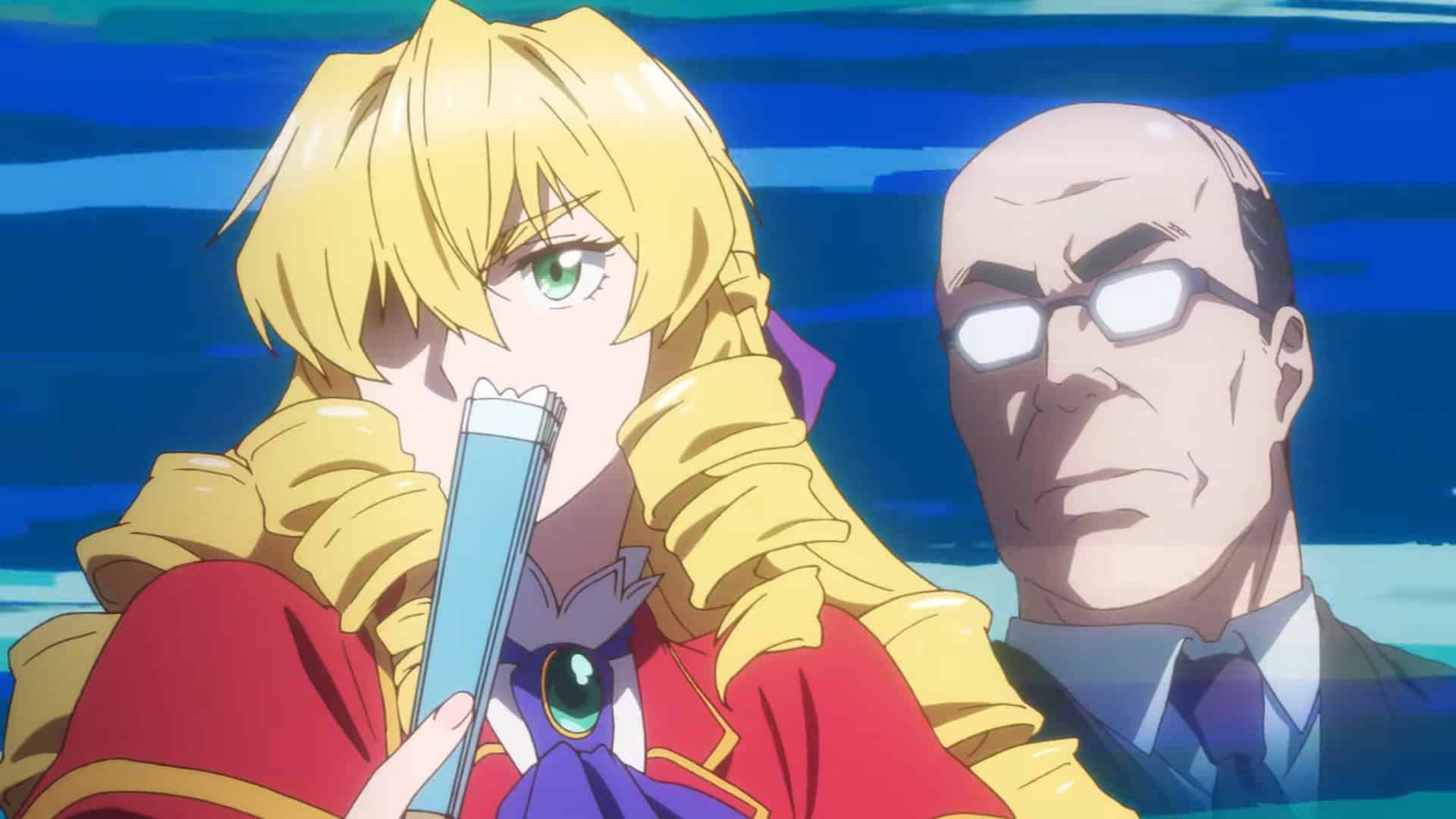
The premise immediately distinguishes itself by eschewing the common trope of a young, often socially awkward protagonist. The story centers on Kenzaburou Tondabayashi, a 52-year-old bureaucrat whose ordinary life takes an extraordinary turn after a fatal car accident. Upon his untimely demise, Kenzaburou awakens not in an afterlife, but in the body of Grace Auvergne, the notoriously ruthless villainess of "Maiden’s Love," an otome game beloved by his own daughter. This unexpected transmigration forms the core conflict and comedic engine of the series. Grace Auvergne, in her original characterization, is depicted as an embodiment of aristocratic snobbery and cruelty, destined to make the heroine’s life miserable. However, Kenzaburou’s innate kindness, paternal instincts, and mature perspective fundamentally alter Grace’s disposition, transforming her into an entirely different person. This dramatic shift immediately disrupts the established narrative of the game, creating a compelling scenario where the villainess, now inhabited by a benevolent soul, struggles to maintain her predetermined role. His primary objective quickly shifts from adhering to game mechanics to subtly guiding the true heroine, Anna Doll, towards her own happy ending, often to hilarious and heartwarming effect. The overarching question becomes: can Kenzaburou’s presence inadvertently change destiny, or will the game’s original plot lines ultimately prevail?
The Unexpected Protagonist: Kenzaburou’s Transformation
Kenzaburou’s prior life as a diligent, perhaps even mundane, bureaucrat provides a rich backdrop for his new existence. His experience in navigating complex regulations, mediating disputes, and maintaining a composed demeanor in high-pressure situations subtly influences his adaptation to the foreign setting. While initially bewildered, his bureaucratic mindset—one accustomed to problem-solving and systematic thinking—allows him to adapt with surprising efficiency. He approaches the magical world not with wide-eyed naivete, but with a curious, analytical mind, eager to understand its systems, including magic and weaponry. This is a refreshing contrast to many isekai protagonists who often rely on innate overpowered abilities or pre-existing game knowledge. Kenzaburou’s genuine interest in learning, a passion he felt stifled in his previous reality, becomes a central theme, highlighting the liberating aspect of his reincarnation in a fantasy world.
Furthermore, his identity as a father significantly informs his interactions. Reborn as Grace, he gains access to all of her memories, allowing him to delve into the hidden facets of her personality. Through these recollections, Kenzaburou realizes that Grace’s seemingly strict and cold demeanor was largely a product of the rigid upper-class society she was raised in, a defense mechanism rather than inherent malice. This empathetic understanding extends to other characters, leading him to believe that even those perceived as "villains" can possess good hearts or be products of their environment. This fatherly compassion fuels his desire to protect and guide Anna, often leading him to inadvertently perform acts of kindness that are misconstrued as subtle machinations or acts of grace, further complicating his efforts to maintain Grace’s villainous facade.
Subverting Destiny: The Fatherly Instinct in a Fantasy World
The comedic heart of From Bureaucrat to Villainess often stems from Kenzaburou’s repeated failures to embody a properly malicious persona. Despite his best efforts to appear intimidating or cruel, his gestures are invariably misinterpreted by others, including Anna, as acts of genuine kindness. This consistent misinterpretation only serves to endear Grace to those around her, including potential romantic interests for Anna, further derailing the original game’s narrative. Kenzaburou’s earnest attempts to push Anna towards her predetermined romantic interests, while simultaneously failing to be the villainess she expects, create a delightful irony that underpins much of the series’ humor.
A standout element that amplifies this comedic dynamic is the "Elegant Cheat" skill. This unique ability automatically translates Kenzaburou’s internal thoughts and actions into the refined mannerisms and speech of an elegant lady. While this allows him to blend seamlessly into Grace’s aristocratic role in the eyes of most students, it utterly baffles those who knew the original Grace intimately. Their confusion, bordering on alarm, generates some of the series’ most hilarious moments. A particularly memorable instance involves Josette, Grace’s personal maid, who had suffered greatly under the original Grace’s tyrannical personality. When Kenzaburou, genuinely acting out of kindness, treats Josette with respect and consideration, the maid initially interprets it as a sinister sign that her mistress is planning to sell her or inflict a worse punishment. It takes nearly an entire episode for Josette to process that Grace’s sudden benevolence is, in fact, sincere, highlighting the profound impact of Kenzaburou’s personality on the game world’s inhabitants.
Isekai’s Evolution: From Power Fantasy to Character-Driven Comedy
The phenomenon of isekai has seen remarkable growth and diversification in recent years. Initially dominated by male protagonists gaining overpowered abilities in fantasy worlds, the genre has steadily expanded to include myriad variations. The "reincarnated as a villainess" subgenre, popularized by titles like My Next Life as a Villainess: All Routes Lead to Doom!, emerged as a significant development, largely catering to a female demographic interested in subverting common otome game tropes and exploring themes of self-determination. From Bureaucrat to Villainess: Dad’s Been Reincarnated! takes this subgenre a step further by introducing an older, male protagonist into this traditionally female-centric narrative, thereby offering a truly novel perspective. This blending of demographics and narrative focus underscores a broader trend in the anime industry towards greater experimentation and genre innovation, moving beyond conventional power fantasies to explore more nuanced character development and comedic scenarios.
Otome games themselves have a rich history, evolving from visual novels into sophisticated interactive narratives. Their core appeal lies in wish fulfillment, allowing players to forge relationships with attractive male characters and navigate romantic plotlines. The archetypal villainess often serves as a narrative foil, a character whose sole purpose is to create obstacles for the heroine. By placing a kind-hearted, middle-aged man into this villainess role, the series not only deconstructs these archetypes but also celebrates the inherent goodness that can exist even within the most rigidly defined roles. This approach resonates with an audience increasingly seeking stories that challenge expectations and provide fresh interpretations of familiar narratives.
The Craft Behind the Comedy: Animation and Direction
Beyond its inventive storyline, the production quality of From Bureaucrat to Villainess: Dad’s Been Reincarnated! plays a crucial role in its effectiveness. The animation is handled by Studio Ajiado, a studio with a proven track record in fantasy-comedy, known for acclaimed titles such as Ascendance of a Bookworm and Kakushigoto. Their experience in crafting visually engaging and humorously timed sequences makes them an ideal choice for this project.
The series marks the television directorial debut of Tetsuya Takeuchi, whose decades of experience as an animator, particularly in choreography-heavy action sequences, are evident throughout. Takeuchi leverages his extensive background to enhance the characters’ unique physical expressions and comedic timing. The distinct body language between Kenzaburou’s inner thoughts and Grace’s outward appearance is a prime example. Viewers are often treated to glimpses of Kenzaburou’s internal struggles, depicted through the gestures of a man in his fifties—a stark contrast to the refined, almost regal movements expected of a duke’s daughter like Grace. Yet, the series remarkably manages to translate these contrasting movements naturally, creating a believable and humorous dichotomy. This meticulous attention to character animation ensures that the visual comedy lands effectively, making the transformations and internal monologues both funny and surprisingly grounded.
Visuals and Adaptation: Character Design Challenges
While the animation successfully conveys character individuality and comedic nuances, the character designs present a more mixed picture. The original designs by mangaka Michirou Ueyama, while based on common otome game archetypes, occasionally feel awkward in their execution. The hairstyles and costumes, intended to evoke a fantastical European aristocratic setting, sometimes appear to diverge from the established aesthetic of contemporary otome games. Instead of a seamless integration, they can feel loosely connected to the genre’s visual language, potentially creating a slight disconnect for seasoned otome game players.
However, Haruka Matsunae, serving as the anime character designer, has commendably adapted Grace’s look, particularly her signature curly hair, to be both distinctive and endearing in animation. Despite some of the broader critiques, the female characters, especially Grace and Anna, are rendered with an undeniable charm that makes them one of the series’ highlights. Their expressive faces and dynamic movements, thanks to Studio Ajiado’s animation, often compensate for any perceived stylistic inconsistencies in the base designs, ensuring that the emotional and comedic beats land effectively. The challenge of adapting static, often highly stylized, game or manga designs into fluid, expressive animation is a common hurdle, and the team here largely succeeds in bringing the characters to life in an appealing manner.
Market Presence and Broader Implications
The global availability of From Bureaucrat to Villainess: Dad’s Been Reincarnated! on streaming platforms like Crunchyroll underscores its international appeal and the increasing importance of these services in bringing diverse anime content to a worldwide audience. Crunchyroll’s commitment to licensing and distributing niche and innovative titles allows such unique stories to find their dedicated fanbase, contributing to the continued growth and diversification of the anime market. This strategic partnership ensures that the anime reaches not only existing fans of the light novel or manga (if applicable) but also new viewers intrigued by its unconventional premise.
The anime’s reception has been largely positive, particularly among critics and viewers who appreciate its fresh approach to a well-trodden genre. Its success could signal a further push within the anime industry to explore more unconventional protagonists and narratives within established genres like isekai and otome games. By blending demographics and focusing on character-driven humor over typical power fantasies, From Bureaucrat to Villainess contributes to the ongoing evolution of storytelling in animation, proving that innovation in character and premise can yield highly engaging and commercially viable results.
In conclusion, From Bureaucrat to Villainess: Dad’s Been Reincarnated! stands out as a genuinely refreshing addition to the isekai genre. Its strength lies in its unique premise: a middle-aged father navigating the complexities of an otome game as its villainess. This foundation, coupled with strong comedic writing, endearing character interactions, and competent direction by Tetsuya Takeuchi, makes for a highly entertaining experience. While the character designs may not universally appeal to all otome game players, the compelling storyline and consistent humor more than compensate for these minor stylistic nuances. It is a testament to the creative potential of genre subversion, offering a heartwarming and hilarious journey that will undoubtedly resonate with fans seeking a truly original take on the beloved tropes of isekai and otome culture.