The independent film landscape has recently seen a resurgence in character-driven narratives that prioritize internal psychological depth over high-concept spectacle. At the forefront of this movement is writer-director David Drake’s latest feature, a 91-minute drama that centers on a demographic often marginalized in mainstream cinema: the aging blue-collar worker. Starring Margo Martindale in a rare lead role, the film explores the intersection of professional isolation and the inevitable intrusion of a suppressed past. Set against the vast, sun-bleached expanses of the American Southwest, the production serves as both a character study and a meditation on the changing nature of the American logistics industry.
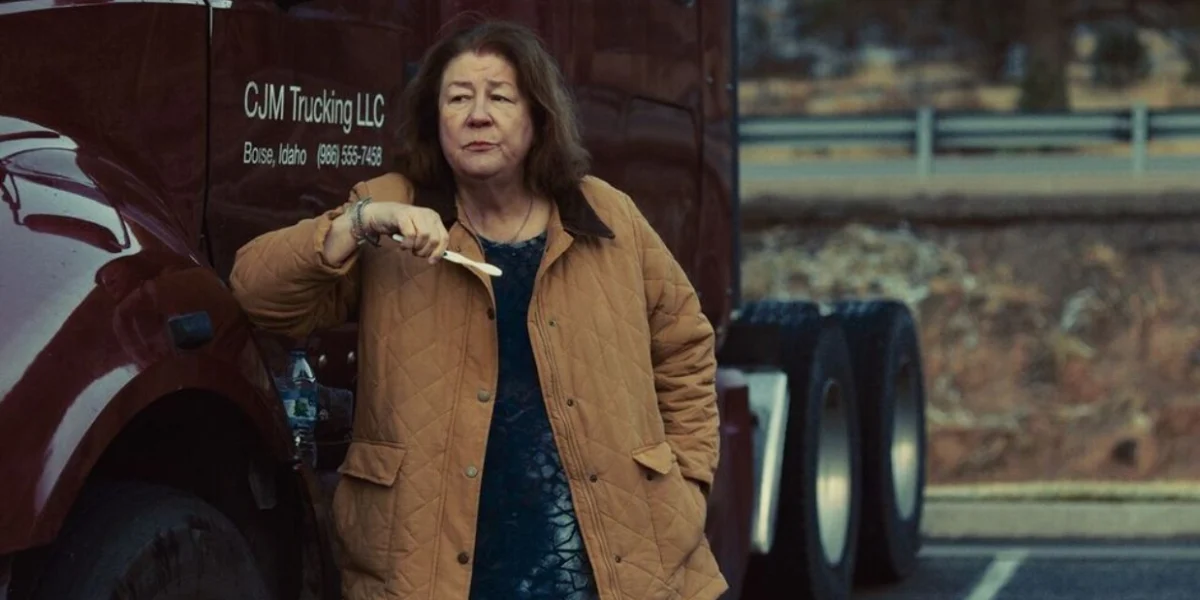
The narrative follows CJ, portrayed by Martindale, a veteran long-haul truck driver who has spent decades navigating the interstate highways of the Southwest. CJ has constructed a life defined by mobility and distance, using the physical demands of her profession to insulate herself from the emotional fallout of her earlier years. This equilibrium is shattered when she receives a letter from a parole board, an event that forces her to confront the legal and moral ramifications of a history she had hoped was permanently behind her. As she nears the traditional age of retirement, the film documents her struggle to maintain her independence while acknowledging that her time on the road—and her ability to outrun her memories—is drawing to a close.
A Realistic Portrayal of the Trucking Subculture
One of the film’s primary strengths lies in its commitment to an authentic depiction of the trucking industry. Unlike many cinematic portrayals that rely on caricatures of the "road warrior," Drake’s screenplay treats the profession with a clinical yet respectful honesty. CJ is depicted as an independent owner-operator, a specific tier within the industry that grants her more autonomy than fleet drivers but subjects her to greater financial and logistical risks.
Statistical data regarding the American trucking industry provides context for CJ’s character. According to the American Trucking Associations (ATA), women make up approximately 8% of the nation’s truck drivers, a figure that has seen a slow but steady increase over the last decade. However, older women operating as independent contractors remain a distinct minority within this male-dominated field. By placing a woman of Martindale’s age in the driver’s seat, the film highlights the physical and mental fortitude required to sustain such a career. The "long haul" of the title refers not just to the geographical distance of her routes, but to the endurance required to survive in an industry that is increasingly being reshaped by digital surveillance and automated logistics.
The Narrative Chronology and Inciting Incidents
The film’s structure follows a linear but contemplative path, mirroring the rhythm of a cross-country delivery. The opening act establishes CJ’s routine: the meticulous pre-trip inspections, the solitude of the cab, and the transactional nature of truck-stop interactions. This routine is disrupted early on by the arrival of the parole board notification. While the specific details of the crime or event that led to this legal entanglement are revealed sparingly, the emotional weight is immediately apparent in Martindale’s performance.
The middle sequence of the film introduces a generational and technological conflict through the character of a young trucker and social media influencer, played by Cole Sprouse. This subplot serves as a catalyst for CJ’s internal reckoning. Sprouse’s character represents the "new school" of trucking—one that is data-driven, hyper-connected, and performative. The friction between CJ’s analog, rule-bending approach and the younger driver’s streamlined, digitized methods underscores a broader societal shift toward the erasure of traditional labor identities.
A pivotal turning point occurs when CJ encounters Araceli, played by Academy Award nominee Yalitza Aparicio. In a sequence that demonstrates CJ’s latent compassion, she assists Araceli during a moment of crisis, eventually bringing her into her home. This interaction provides a rare moment of stillness in a film otherwise defined by movement. Despite a language barrier, the bond formed between the two women highlights a shared experience of displacement and the search for security in an indifferent world.
Technical Execution and Visual Language
Director David Drake and his cinematography team utilize the natural light of the American Southwest to elevate the film’s unglamorous settings. The production makes extensive use of the "golden hour"—the period shortly after sunrise or before sunset—to imbue the desert landscapes with a sense of prestige. This visual choice contrasts with the gritty, functional interiors of gas stations and warehouses, suggesting that while CJ’s work is banal, the environment she inhabits possesses a rugged majesty.
The camerawork is characterized by patience, often holding on wide shots of CJ’s truck as it traverses the horizon. This deliberate pacing allows the audience to experience the passage of time as a trucker does, where the monotony of the road becomes a space for reflection. The musical score by Chris Roe complements this atmosphere, offering a melodic backdrop that emphasizes the loneliness of the profession without descending into melodrama.
The film also avoids the trap of heavy-handed exposition. Instead of explaining the mechanics of the trucking industry to the audience, the dialogue uses industry-specific terminology naturally. This "show, don’t tell" approach extends to CJ’s backstory; her history is hinted at through subtle cues—a lingering look at a document, a specific reaction to a phone call—rather than through lengthy monologues.
Supporting Cast and Character Dynamics
While Margo Martindale carries the majority of the film’s emotional weight, the supporting cast provides essential counterpoints to her stoicism. Stephen Root, Jefferson White, and Wes Studi round out a group of characters who represent the various facets of CJ’s life—from the administrative hurdles of the trucking business to the ghosts of her past.
Yalitza Aparicio’s performance is particularly noteworthy for its subtlety. Following her breakout role in Roma, Aparicio continues to demonstrate an ability to convey profound emotion with minimal dialogue. Her scenes with Martindale are the emotional heart of the film, offering a glimpse into the kind of life CJ might have led had she not chosen the path of isolation.
The conflict with Cole Sprouse’s character provides the film’s more overt moments of tension. The clash is not merely personal but philosophical. CJ’s refusal to adopt an email address or engage with the digital "disruption" of her trade is portrayed not as simple luddism, but as a defense mechanism. To become "traceable" in the digital sense is to lose the anonymity that has protected her for years.
Industry Implications and Critical Context
The release of The Long Haul comes at a time when the film industry is reassessing the value of mid-budget, character-focused dramas. In an era dominated by franchise sequels and high-budget streaming spectacles, a 91-minute film about an elderly truck driver represents a significant creative risk. However, the film’s focus on a "hidden" subculture and its reliance on a powerhouse performance from a veteran character actor like Martindale suggest a viable path forward for independent cinema.
The film also contributes to the ongoing dialogue regarding the representation of the American working class. By depicting CJ not as a victim of her circumstances, but as a highly skilled professional with a complex moral history, Drake avoids the tropes of "poverty porn" or blue-collar sentimentality. The film acknowledges the hardships of the industry—the physical toll, the lack of a safety net, the loneliness—without stripping its protagonist of her agency.
Broader Impact and Conclusion
The Long Haul serves as a poignant reminder of the human element behind the global supply chain. As the logistics industry moves toward further automation and the potential introduction of self-driving trucks, the film captures a disappearing way of life. CJ is a relic of an era where the driver was the soul of the machine, and her struggle to reconcile her past with an uncertain future reflects a broader cultural anxiety about the loss of individual identity in an increasingly mechanized world.
For Margo Martindale, the film is a career-defining opportunity to showcase the range that has made her one of the most respected performers in the industry. Her portrayal of CJ is a masterclass in restraint, building a character who is at once formidable and fragile. By the time the credits roll, the audience has gained more than just an understanding of a specific occupation; they have witnessed a profound exploration of what it means to finally stop running and face the road ahead.
In the final analysis, The Long Haul is a film that demands attention through its quietude. It respects its audience enough to let them sit in the silence of the cab with CJ, contemplating the vastness of the landscape and the even greater vastness of a life lived in the shadows of the past. It is a significant contribution to the year’s cinematic offerings, proving that the most compelling stories are often found in the most unassuming places.