Directed by Sam Scott and co-written by Scott and Gwenlyn Cumyn, this 91-minute independent feature represents a distinct fusion of the rock-and-roll musical, supernatural horror, and dark comedy genres. The production follows a struggling indie rock band that discovers a transformative but lethal guitar riff, which serves as a literal and metaphorical gateway to a terrifying alternate dimension. While the film has garnered attention for its striking visual language and high-energy musical sequences, it also serves as a case study for a growing trend in contemporary independent cinema: the prioritization of atmospheric "vibes" and aesthetic cohesion over traditional narrative logic.
Narrative Overview and Production Background
The plot of Turn It Up! centers on a four-piece ensemble facing the typical rigors of the independent music circuit—dwindling audiences, internal friction, and financial instability. The band consists of frontwoman AC (played by Justine Nelson), guitarist Berg (Jonathan Craig), drummer Russ (Xavier Lopez), and a fourth member played by co-writer Gwenlyn Cumyn. Their fortunes appear to shift upon the discovery of a "cursed" melody, an infectious guitar riff that possesses the power to captivate listeners while simultaneously tearing the fabric of reality.
The production was led by director Sam Scott, who sought to create a "gnarly" cinematic experience that utilized both practical effects and digital enhancements. The film’s development coincided with a resurgence in "lo-fi" and "analog" horror aesthetics, popularized by internet phenomena such as "The Backrooms." By blending these modern sensibilities with the classic "deal with the devil" trope common in music-themed folklore, the creative team aimed to produce a film that resonated with both horror enthusiasts and the alternative music community.
Chronology of Development and Release
The journey of Turn It Up! from conception to its current release status follows a trajectory common to ambitious Canadian independent projects. The script, co-penned by Scott and Cumyn, was designed to maximize a limited budget by focusing on localized settings—rehearsal spaces, dive bars, and surrealist "in-between" dimensions—that could be transformed through creative lighting and post-production effects.
- Pre-Production and Casting: The team secured a cast of rising indie talents, including Justine Nelson and Xavier Lopez, while anchoring the project with veteran character actor Julian Richings. Richings, known for his work in Supernatural and The Witch, brings a level of genre gravitas to the production.
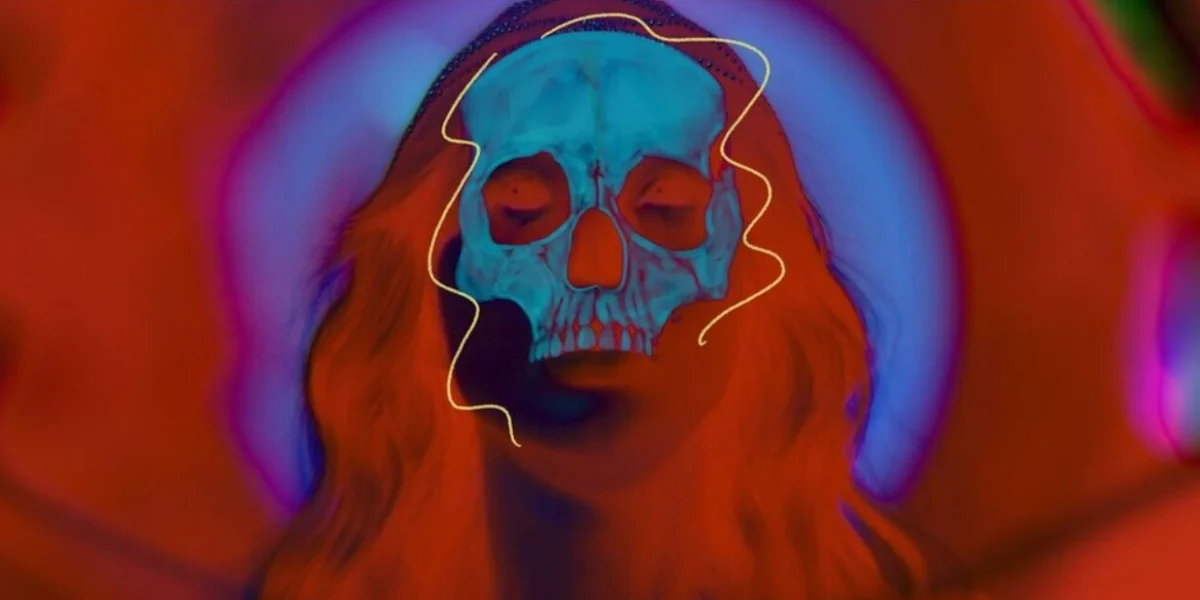
- Principal Photography: Filming focused heavily on the musical performances, which serve as the film’s emotional and structural backbone. To achieve the "otherworldly" look described in early production notes, the crew utilized distorted lenses and a saturated color palette, particularly heavy on malevolent reds and deep shadows.
- Post-Production: This phase was critical for the film’s identity. The team integrated animated overlays—hand-drawn effects that appear over the live-action footage—to simulate the kinetic energy of a comic book or a high-concept music video.
- Festival Circuit and Distribution: Upon completion, the film began its rounds at genre-specific festivals, where it was marketed as a high-concept "rock-thriller-comedy." Its 91-minute runtime was specifically tailored to maintain a brisk pace, catering to the viewing habits of modern audiences.
Technical Analysis: Visuals and Soundscapes
A primary focal point for industry analysis regarding Turn It Up! is its technical execution. Director Sam Scott opted for a visual style that mirrors the frantic energy of a live concert. The use of red lighting is not merely decorative; it serves as a narrative signifier for the encroaching "other dimension." This color theory is a staple of the horror genre, but here it is blended with the neon-soaked aesthetics of 1980s music videos.
The animated effects are perhaps the film’s most discussed technical feature. By drawing directly over the live-action frames, the filmmakers evoke a "Scott Pilgrim-esque" atmosphere. This technique serves to bridge the gap between the mundane reality of a struggling band and the fantastical horror elements of the cursed riff. Industry analysts note that this approach allows independent films to compete with larger-budget productions by offering a unique "hand-crafted" look that CGI often fails to replicate.
The auditory component, led by composer Adrian Ellis, is equally vital. The score is described as a hybrid of Danny Elfman’s whimsical orchestrations and the aggressive, distorted tones of Metallica. This "dark-sided" music is essential for the plot’s credibility; for the audience to believe a riff could open a portal to hell, the music itself must possess a certain hypnotic power. The film’s sound design also incorporates heavy distortion and spatial manipulation to simulate the characters’ disorientation as they lose their grip on reality.
Cast Dynamics and Characterization
The film’s ensemble provides a window into the tensions of the creative process. However, the narrative choice to introduce the band members in a state of advanced conflict has become a point of discussion among critics.
- The Band Members: Unlike traditional "underdog" stories where the group finds strength in unity, the protagonists of Turn It Up! are characterized by cynicism and internal bickering. The relationship between AC (Nelson) and Berg (Craig) is particularly fraught, creating a bleak atmosphere that persists even as they achieve success.
- The Standout Performances: Xavier Lopez, as the drummer Russ, provides a more grounded and charming counterpoint to the central friction. However, it is Liv Collins as the enigmatic manager Miss Vee who has received the most significant praise. Collins’ performance is noted for its "vampy" and comedic qualities, providing a much-needed levity to the otherwise grim proceedings.
- The Antagonistic Forces: Julian Richings and the supernatural elements represent the "over-the-top" forces the band must contend with. The contrast between these heightened, almost operatic threats and the petty squabbles of the band members creates a unique, if sometimes jarring, narrative tension.
Industry Trends: The Rise of "Vibe-Based" Cinema
Turn It Up! is a prominent example of the shift toward "vibe-based" storytelling in the independent sphere. This movement prioritizes sensory experience—sound, color, texture, and mood—over the rigid "three-act structure" championed by traditional Hollywood screenwriting.
Data from independent streaming platforms and genre festivals suggest that younger demographics are increasingly drawn to films that offer a "transportive experience." The success of experimental horror films like Skinamarink or the viral nature of The Backrooms indicate that visceral feelings of dread or excitement often outweigh the need for a perfectly logical plot.
However, this trend carries inherent risks. When a film relies too heavily on its "vibe," it can lose the "connective tissue" that keeps an audience emotionally invested in the characters. In the case of Turn It Up!, the meticulous attention to the "goo and nasty liquids" of the practical effects and the high-octane musical numbers occasionally leaves the character development in the background. This has led to a split in reception: those seeking a sensory-driven "trip" find the film highly successful, while those seeking a character-driven drama find the screenplay lacking.
Implications and Broader Impact
The release of Turn It Up! has several implications for the future of indie genre filmmaking. First, it demonstrates the viability of the "musical-horror" hybrid, a niche that has remained relatively quiet since the days of The Rocky Horror Picture Show or Repo! The Genetic Opera. By using the "cursed riff" as a plot device, the film provides a logical framework for integrating high-energy musical numbers into a terrifying narrative.
Second, the film highlights the importance of multi-hyphenate creators in the indie space. Gwenlyn Cumyn’s dual role as co-writer and actor, combined with Sam Scott’s distinct directorial vision, allowed for a highly specific creative voice to emerge. This "auteur" approach is often the only way for low-budget films to stand out in a saturated market.
Finally, the film’s focus on the "dark side" of the music industry—manifested here as a literal demonic portal—reflects a broader cultural cynicism regarding fame and success. The band’s willingness to ignore the horrific consequences of their music in exchange for a "meal ticket" serves as a biting commentary on the commodification of art.
Conclusion
Turn It Up! remains a significant, if polarizing, addition to the 2024 independent film landscape. Its commitment to a specific visual and auditory aesthetic makes it a standout project for technical aficionados, even as its narrative choices spark debate regarding the necessity of likable characters in genre fiction. As a "rudderless trip" through a neon-soaked, blood-splattered dimension, it captures the chaotic spirit of rock-and-roll while leaning into the experimental tendencies of modern horror. Whether it becomes a cult classic or remains a niche curiosity will likely depend on how audiences continue to weigh the importance of "vibe" against the traditional mechanics of storytelling.