The first season of Widow’s Bay concluded its ten-episode run on Apple TV+ by shifting its focus from supernatural homage to a stark, human-centric psychological horror. Directed by Emmy-winner Hiro Murai, the finale serves as a pivotal moment for the series, which was renewed for a second season just one week prior to the airing of its final episode. The show, created by Katie Dippold, has transitioned from a word-of-mouth sleeper hit into a cornerstone of Apple’s genre-bending programming. This transition is marked not only by high viewership metrics but also by a multi-year overall deal signed between Dippold and the streaming platform, signaling long-term confidence in the property.
Narrative Foundations and the Path to the Finale
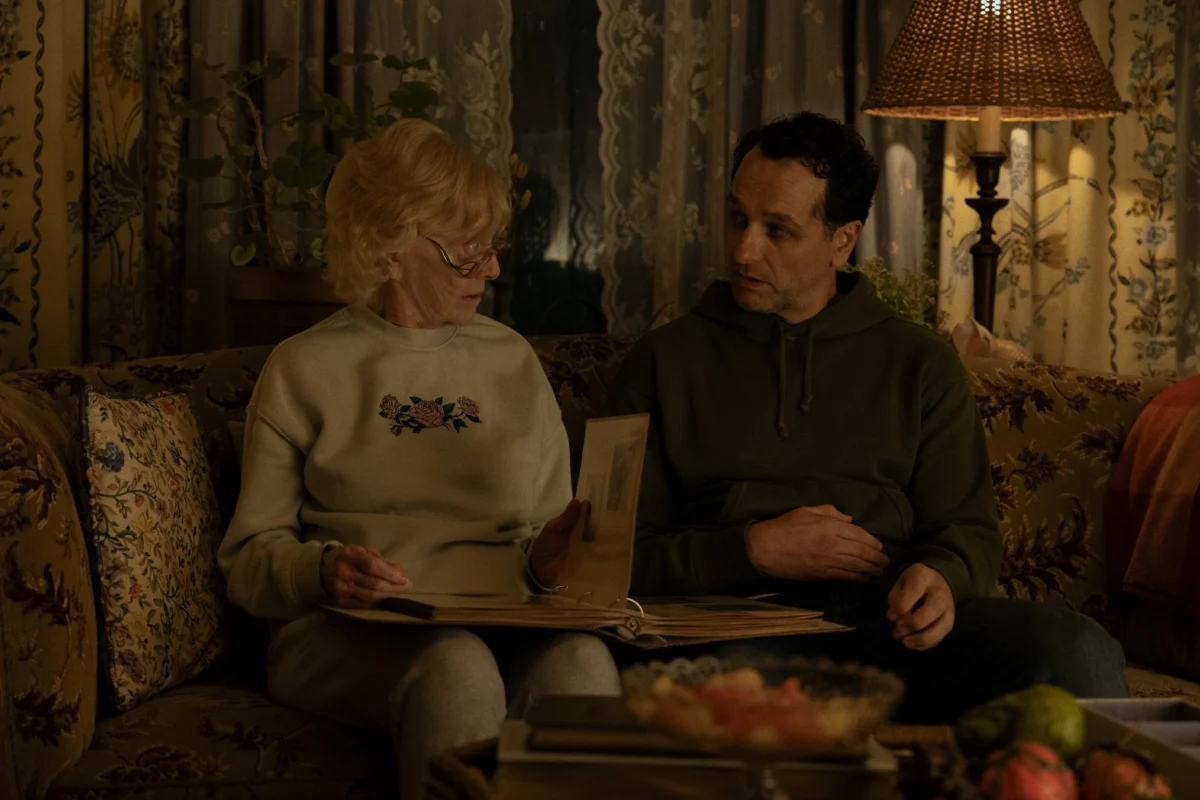
Widow’s Bay follows the tribulations of Tom Loftis, portrayed by Matthew Rhys, the pragmatic mayor of a secluded island located 40 miles off the New England coast. The premise centers on a historical curse tied to the bloodline of Richard Warren, a figure whose legacy has haunted the island for centuries. Initially a skeptic, Loftis is forced to confront the island’s superstitions when a mysterious and impenetrable fog descends, trapping the inhabitants and unleashing a series of supernatural threats.

Throughout the season, the narrative was built on a foundation of horror classic references, with each episode nodding to established tropes of the genre. However, the finale, titled for its singular focus on the island’s internal rot, abandoned these external homages in favor of an original psychological exploration. The plot culminated in the revelation that the island’s safety was not maintained by mere ritual, but through a systematic history of human sacrifice. This discovery, unearthed through archival footage found by the character Dale (Jeff Hiller), recontextualized the struggle of the protagonists from a battle against ghosts to a confrontation with the moral failings of their own community.
Chronology of the Season 1 Climax
The final two episodes of the season represent a significant tonal shift. As the inhabitants gathered in a storm bunker for protection, the tension moved from the external threat of the fog to the internal pressure of the "impossible choice." The central conflict involved the identification of the last living descendant of Richard Warren, whose death was believed to be the only way to break the curse and allow the islanders to leave safely.
The season-long mystery regarding Tom Loftis’s late wife, Lauren, was also resolved. While viewers were led to believe she died shortly after the birth of their son, Evan, it was revealed that she survived for months, eventually succumbing to the supernatural constraints that prevent natives from leaving the island. This revelation heightened the stakes for Tom, as his son is now identified as a bearer of the Warren bloodline, making him both a target for the island’s survivalist instincts and the key to its potential liberation.

The finale reached its zenith when Bashir (Kevin Carroll) made the executive decision to kill Ruth (K Callan), believing her to be the final descendant. This act of violence, driven by a desperate need to protect his own unborn child and wife, highlighted the theme of "human horror" that Hiro Murai sought to emphasize. The tragedy of the act was compounded by the revelation that Ruth was, in fact, related to Tom, creating a complex web of familial betrayal and administrative guilt.
Production Data and Technical Execution
The production of Widow’s Bay utilized specific technical choices to distinguish its visual identity. Hiro Murai, who directed five episodes of the season (including the first three and the final two), emphasized a grounded approach to the supernatural. To achieve the "claustrophobic" feel of the finale, the production spent four consecutive days filming in a singular bunker set. According to Murai, the physical constraints of the set contributed to a genuine sense of unease among the 200 extras and the principal cast, which translated into the high-tension crowd scenes depicted on screen.
Furthermore, the show utilized period-accurate filming techniques for its archival sequences. The footage discovered by Dale was shot on 8mm film to provide an authentic 1950s and 1960s aesthetic. Additionally, promotional and historical videos within the show were captured using 1980s video cameras. These choices were designed to lend a sense of historical weight to the island’s lore, grounding the high-concept curse in a tangible, documented past.

Industry Context and Critical Reception
The success of Widow’s Bay is a significant win for Apple TV+, which has been aggressively expanding its portfolio of high-concept genre series. The show joins the ranks of Severance and Silo as part of the platform’s strategy to pair auteur directors with established comedic or dramatic writers. Katie Dippold, known for her work on Parks and Recreation, originally wrote the pilot for Widow’s Bay years ago as a writing sample. Its eventual production reflects a broader industry trend of "prestige horror-comedy," where the humor does not undermine the stakes of the horror, but rather emerges from the characters’ realistic reactions to absurdly terrifying circumstances.
The performance of Matthew Rhys has been a focal point of critical praise. Moving from the intense drama of The Americans, Rhys’s portrayal of Tom Loftis has been described as an "instantly classic" comedic lead performance. The ensemble cast, including Stephen Root as Wyck and Kate O’Flynn as Patricia, has also been credited with the show’s "word-of-mouth" success. Specifically, the character of Patricia has been noted by digital analysts and television critics as one of the standout new characters of the year, contributing significantly to the show’s social media footprint.
Analysis of Implications and Season 2 Outlook
The conclusion of Season 1 leaves the narrative in a state of precarious "reset." While the immediate supernatural threat of the fog has been addressed, the social and psychological fallout remains. The revelation that the island’s survival is predicated on human sacrifice introduces a political dimension to Tom Loftis’s role as mayor. He must now navigate the knowledge of his son’s heritage while managing a population that has proven itself capable of extreme violence under the guise of necessity.

The "human horror" established in the finale suggests that Season 2 will pivot toward a more localized, character-driven conflict. The alliance between Tom and Bashir is now built on a foundation of shared trauma and secrets, as both men were complicit—either through action or intent—in the death of an innocent woman to save their own families. Director Hiro Murai has indicated that the "beast" under the island has now been exposed, and the subsequent episodes will likely deal with the consequences of that exposure rather than the mystery of the curse itself.
Furthermore, the renewal and Dippold’s overall deal suggest that Apple TV+ intends for Widow’s Bay to be a multi-season tentpole. The show’s ability to balance anthology-style "monster of the week" episodes with a deep, serialized lore has provided a flexible framework for future storytelling. As the production moves into the writing phase for the second season, the central conflict will likely revolve around the "not-so-cursed" status of the town and the lengths to which the characters will go to maintain the illusion of normalcy in the wake of the finale’s tragedies.
Conclusion
Widow’s Bay has successfully carved out a niche in the crowded streaming landscape by synthesizing disparate genres into a cohesive narrative. The Season 1 finale serves as a manifesto for the show’s future, prioritizing the psychological choices of its characters over traditional horror tropes. With a strong creative team led by Katie Dippold and Hiro Murai, and a lead performance by Matthew Rhys that bridges the gap between tragedy and farce, the series stands as a robust example of modern television’s capacity for genre innovation. As the production prepares for Season 2, the focus remains on the "strange little town" and the enduring, often terrifying, nature of human survival.