The cinematic landscape has been dramatically reshaped by the unprecedented success of Kane Parsons’ directorial debut, Backrooms, an ambitious adaptation of the iconic 4chan creepypasta. Opening to a staggering $82 million in North America, the film has not only cemented its place as a commercial juggernaut but also heralded a significant cultural shift, with an overwhelming 86 percent of its ticket buyers under the age of 35. This resounding victory positions Parsons as the youngest director in Hollywood history to achieve the number-one movie in America since Josh Trank’s 2012 sci-fi thriller Chronicle. More profoundly, the film’s triumph serves as compelling evidence of a growing appetite among audiences, particularly Gen Z and millennials, for original, digitally-native storytelling.
The Rise of Digital Campfire Tales
The extraordinary performance of Backrooms underscores a fundamental evolution in how modern audiences engage with horror narratives. For generations who came of age immersed in the digital realm, internet-born stories—creepypastas, urban legends, and viral phenomena—have supplanted traditional campfire tales. These narratives, born from collective online imagination and shared across platforms like 4chan, Reddit, and YouTube, have cultivated a unique cultural language and a dedicated following. As the creators and consumers of this content mature, their transition into mainstream media production was perhaps inevitable. The success of Backrooms validates this trajectory, demonstrating that these digital mythologies possess the narrative power and audience connection to resonate on a global scale.
The demographic breakdown of Backrooms‘ audience is particularly noteworthy. With the vast majority of ticket buyers under 35, the film directly taps into a generation that consumes media differently and values authenticity and shared online experiences. Data from Fandango’s 2023 moviegoing trends study indicates that younger demographics are indeed more frequent moviegoers, with millennials and Gen Z attending an average of seven films per year, compared to 6.1 for Gen X and 5.7 for baby boomers. This indicates not only a preference for original content but also a willingness to invest in the cinematic translation of stories that have already achieved significant cultural traction online.
A History of Digital to Cinematic Migration
While Backrooms represents the most commercially successful transition from internet phenomenon to blockbuster, its success is built upon a foundation of earlier, albeit less impactful, attempts to bridge the digital-cinematic divide. The journey of internet-based horror into mainstream film has been a gradual one, marked by both ambition and, at times, unrealized potential.
One of the earliest notable attempts was a teased adaptation of "Jeff the Killer," a popular creepypasta that gained traction around 2015. The character, a disfigured teenage serial killer with a signature Glasgow smile, became a significant figure in online fan communities, inspiring romantic fan fiction and artwork. Despite initial buzz from studios like Blumhouse, this project ultimately never materialized, highlighting the challenges of translating niche internet lore into a commercially viable film product.
A few years later, in 2019, "The Russian Sleep Experiment" creepypasta was adapted into a film titled The Soviet Sleep Experiment. Starring Chris Kattan, this project, like the "Jeff the Killer" attempt, failed to leave a significant cultural imprint. The limited impact of these early adaptations, often forgotten soon after their release, served as early indicators of studios’ growing interest in online content as a source for horror narratives, even if the execution did not match the original viral appeal. The subsequent resurfacing of these projects through reposts on social media, such as by accounts like @MrCreepyPasta0, underscores their enduring, albeit niche, presence in online culture.
We’re All Going to the World’s Fair: Capturing the Digital Zeitgeist
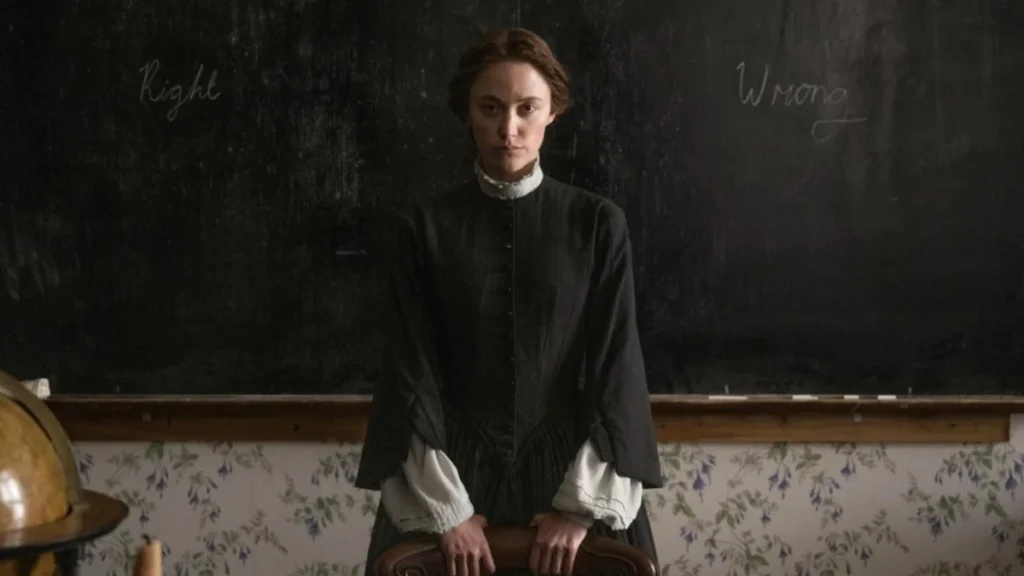
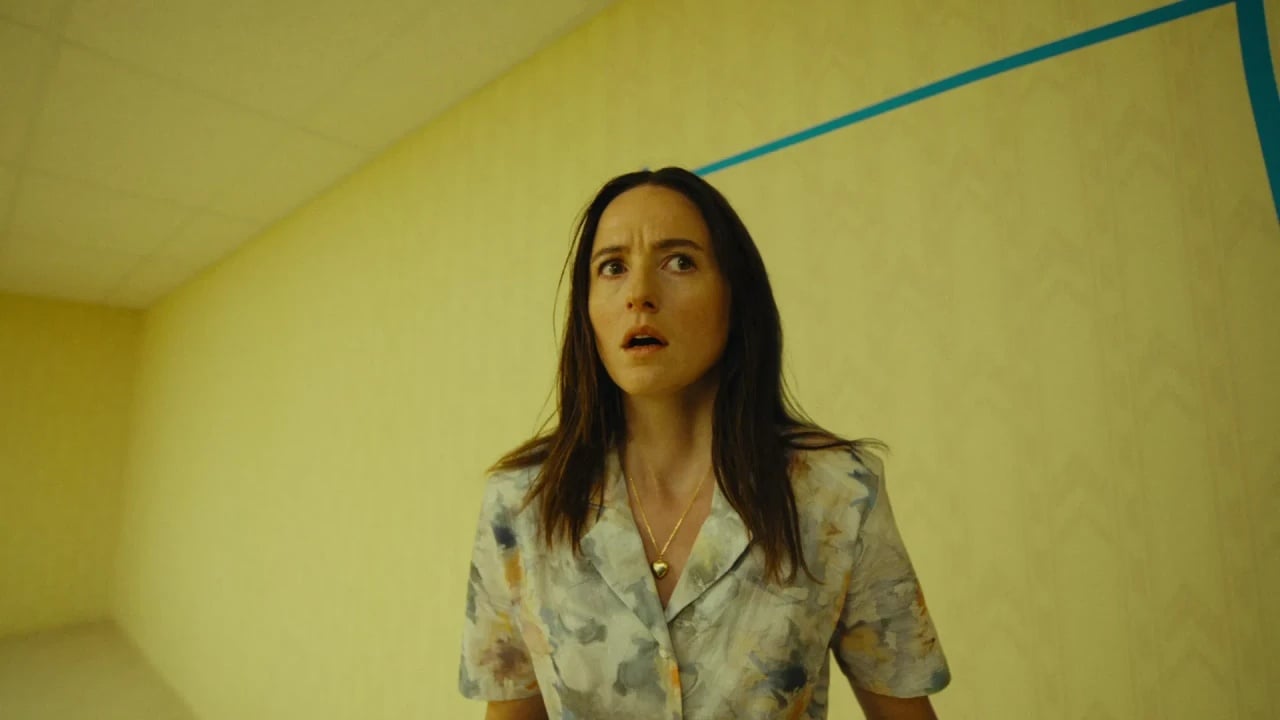
A pivotal moment in the cinematic exploration of internet culture arrived with Jane Schoenbrun’s 2021 film, We’re All Going to the World’s Fair. While not directly based on a pre-existing creepypasta, the film masterfully captured the unsettling essence and inherent appeal of online horror narratives, particularly for a younger audience. The story centers on Casey, a lonely teenager drawn into the "World’s Fair Challenge," an immersive online role-playing game that blurs the lines between reality and fiction as participants document their psychological and physical transformations.

Schoenbrun’s approach distinguished itself by focusing not solely on the frightening elements of the narrative but on the sense of community, escapism, and belonging that such online phenomena offer to adolescents. Released in April 2022, amidst a period of post-COVID recovery where many young people struggled to readjust to a semblance of "normalcy" after experiencing a major global event, the film resonated deeply. It acknowledged that for many, these online spaces provided a vital outlet for connection and shared experience in a world that felt increasingly fractured and uncertain. This understanding of the social and psychological underpinnings of internet culture proved to be a significant precursor to the broader acceptance of digitally native storytelling in film.
The Perilous Intersection of Fiction and Reality: The Slender Man Case
The interactive and immersive nature of internet horror stories can, however, lead to profound and unsettling consequences, as tragically illustrated by the Slender Man phenomenon. The story of two 12-year-old girls who, in 2014, attempted to murder a classmate in an effort to appease Slender Man, a fictional character originating from a 2009 Something Awful forum contest, became the subject of Irene Taylor Brodsky’s disturbing 2016 documentary, Beware the Slenderman. This real-life event sent shockwaves through communities and sparked a moral panic surrounding the character and the broader impact of internet-inspired horror content.
The controversy surrounding Slender Man did not, however, prevent a feature film adaptation from being released in 2018, starring Joey King. However, much like The Soviet Sleep Experiment, the Slenderman film largely faded from public memory. This relative obscurity may be attributed, in part, to its release nearly a decade after Slender Man’s peak popularity. The character, created in 2009, had become a global phenomenon through edited images and fan-generated content, but by the late 2010s, the initial wave of fascination had begun to wane. The generation that had embraced him had aged, and a new wave of online anxieties was emerging, focusing on subtler, more existential fears.
YouTube’s New Wave of Horror Filmmakers
The emergence of platforms like YouTube has democratized filmmaking, allowing aspiring creators to develop and share their work with a global audience. This has led to a new generation of filmmakers, adept at understanding and harnessing the unique power of online storytelling. Kyle Edward Ball, director of the divisive 2022 horror film Skinamarink, is a prime example. Prior to his feature film debut, Ball cultivated a following through his web series, Bitesized Nightmares, where he encouraged viewers to submit their recurring dreams and nightmares for adaptation into "spine-tingling ASMR" videos.

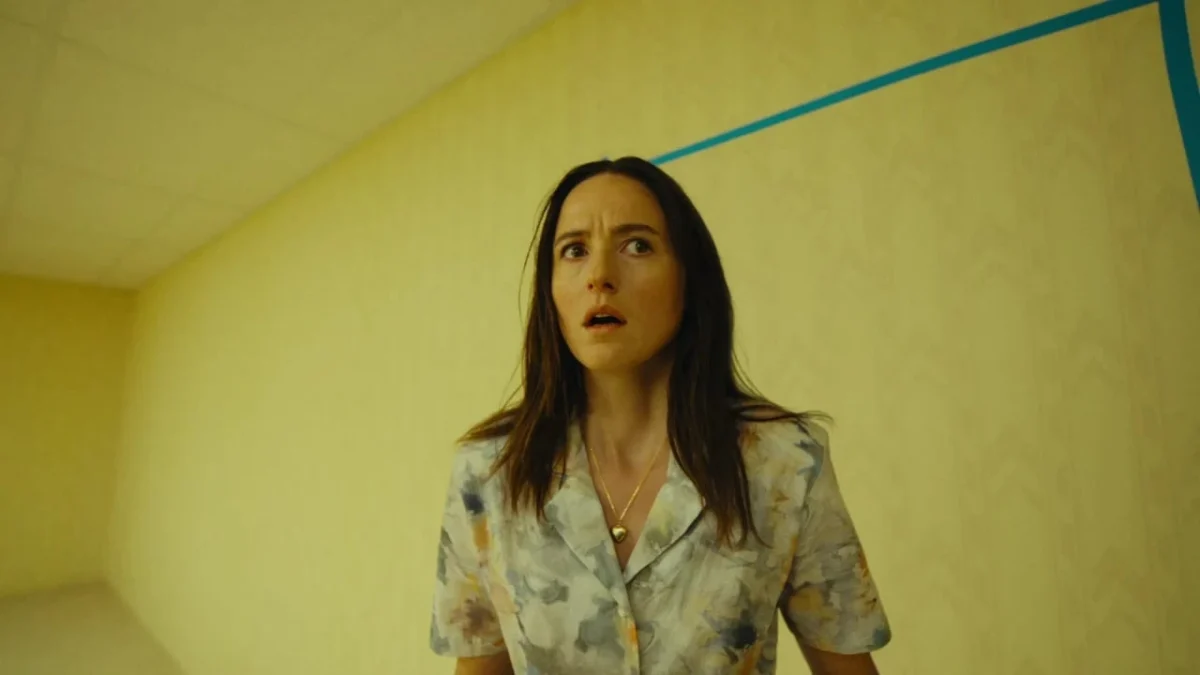
This interactive approach, similar to Schoenbrun’s exploration of online communities, laid the groundwork for Skinamarink. The film, a short proof-of-concept titled Heck, gained traction online before being expanded into the feature. Skinamarink itself is characterized by a disorienting, dream-like atmosphere that deliberately blurs the lines between reality, nightmare, and a child’s distorted perception of trauma. Ball intentionally refrains from providing definitive answers, allowing the ambiguity and unsettling mood to be the primary drivers of the horror, mirroring the often-unresolved nature of online urban legends.
The Backrooms Phenomenon: From 4chan to Hollywood Blockbuster
The concept of "the backrooms," a liminal space characterized by endless, unsettlingly familiar yellow-wallpapered rooms and fluorescent lighting, gained significant traction online around 2019, coinciding with the waning of the Slender Man craze. The origin of this phenomenon can be traced back to a 4chan post where an anonymous user requested "disquieting images that just feel ‘off.’" The uploaded photograph of an eerie, empty office space served as the catalyst for a sprawling collaborative mythology.
Inspired by this image and the lore rapidly being constructed by online communities, a then-16-year-old Kane Parsons uploaded his viral video, "The Backrooms (Found Footage)," to YouTube in 2022. This short film, crafted with remarkable visual flair and an understanding of the core anxieties associated with the backrooms concept, garnered millions of views and established Parsons as a prodigious talent. Four years later, his feature-length adaptation, produced by A24 and distributed by Warner Bros., has not only achieved critical and commercial success but has also solidified the Backrooms as a defining narrative of the internet horror era.
The success of Backrooms is more than just a box office triumph; it represents a fundamental shift in the entertainment industry’s relationship with digital culture. It demonstrates that stories born from online communities possess the creative spark, narrative depth, and dedicated audience base to translate into major cinematic events. As millennials and Gen Z continue to wield increasing influence over the media landscape, the narratives that once resided in the corners of the internet—shared on YouTube, Discord, and forums—are now poised to command the attention of global audiences in movie theaters. The question is no longer if internet-born stories will conquer Hollywood, but what corner of the digital world will capture imaginations and grace the silver screen next. The evolving landscape of digital storytelling suggests that the pipeline from viral online sensation to cinematic blockbuster is firmly established, promising a future rich with new forms of horror and narrative exploration.