The New York Knicks’ historic NBA Championship victory, concluding a 53-year title drought, has not only electrified the sports world but has also ignited a renewed appreciation for the intersection of basketball and Japanese animation and manga. This landmark achievement, marked by an astounding +283 point differential throughout their playoff run, has spurred a wave of basketball-themed promotions across the entertainment industry. In light of this cultural moment, a comprehensive examination of the most impactful basketball anime and manga is not only timely but also offers a compelling perspective on the enduring global appeal of the sport.

A Cultural Phenomenon: The Knicks’ Championship and its Ripple Effect
The Knicks’ triumph represents more than just a sports victory; it is a cultural reset for a passionate fanbase that has endured decades of near misses and rebuilding phases. The team’s dominant playoff performance captured the imagination of New York and resonated with basketball enthusiasts worldwide. This collective joy has created fertile ground for the promotion of basketball-related media, with Japanese entertainment companies seizing the opportunity to engage with a newly invigorated audience. From popular anime characters donning Knicks jerseys to special deluxe print editions of seminal manga, the influence of this championship is palpable.

The Genesis of Basketball in Anime and Manga
The synergy between basketball and Japanese popular culture is not a new phenomenon. It can be traced back to the foundational works that established the genre, laying the groundwork for subsequent narratives. These early pioneers understood the inherent drama, teamwork, and individual brilliance that basketball offers, translating it into compelling visual storytelling.

Slam Dunk: The Undisputed Cornerstone

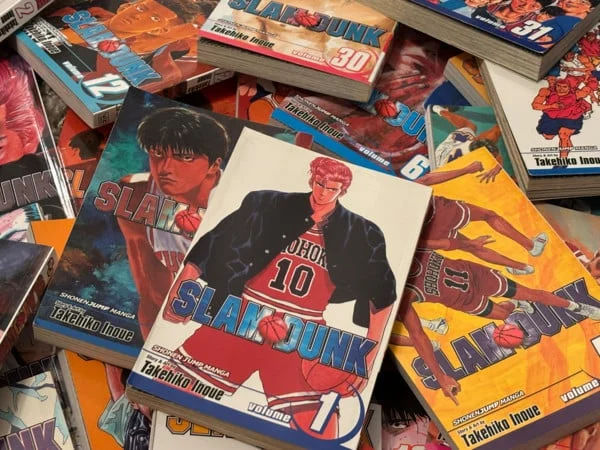
At the forefront of this discussion is Takehiko Inoue’s Slam Dunk. Widely regarded as the "Rosetta Stone" of modern sports anime and manga, Slam Dunk transcended mere athletic representation to become a cultural touchstone. Its debut in 1990, serialized in Weekly Shonen Jump, marked a pivotal moment, introducing a realistic and deeply human portrayal of high school basketball.

- Narrative Depth: Unlike many sports narratives that rely on exaggerated powers or fantastical elements, Slam Dunk grounded itself in the authentic struggles, triumphs, and camaraderie of the Shohoku High School basketball team. The series’ protagonist, Hanamichi Sakuragi, a delinquent initially joining the team for superficial reasons, undergoes a profound personal transformation, making his journey relatable and inspiring.
- Artistic Mastery: Inoue’s artistic evolution throughout the 31-volume series is a testament to his dedication and skill. Initially influenced by his work as an assistant to City Hunter‘s Tsukasa Hojo, Inoue developed a distinct style that masterfully captured the dynamism of basketball. His ability to convey the speed, intensity, and emotional weight of the game through his panel layouts and character expressions set a new standard for sports manga.
- Cultural Resonance: Slam Dunk‘s success in Japan was immense, selling over 175 million copies worldwide and solidifying its status as one of the best-selling manga of all time. Its impact extended beyond the page, with a highly successful anime adaptation in the 1990s and the critically acclaimed CGI film, The First Slam Dunk (2022), which garnered international praise for its stunning animation and emotionally resonant narrative. The film’s success, in particular, has brought the series to a new generation of fans and provided a compelling entry point for newcomers.
- Market Challenges and Adaptations: Despite its global popularity, Slam Dunk‘s journey in the North American market has been fraught with challenges. Historically, sports manga has struggled to gain mainstream traction in the West without the allure of superpowers or unique gimmicks. However, the recent deluxe print editions by Viz Media and the continued availability of The First Slam Dunk on streaming platforms signal a growing acceptance and appreciation for this seminal work.
Beyond Slam Dunk: Exploring the Diverse Landscape of Basketball Anime and Manga
While Slam Dunk remains the benchmark, the basketball anime and manga landscape is rich with diverse narratives that offer unique perspectives on the sport.

Kuroko’s Basketball: The Shonen Evolution

Tadatoshi Fujimaki’s Kuroko’s Basketball, serialized from 2008 to 2014, represents a different approach to sports anime. While Slam Dunk grounded its appeal in realism, Kuroko’s Basketball embraced more overt shonen tropes, incorporating "aura farming" and fantastical "special moves" to enhance the spectacle of the game.

- Strategic Storytelling: The series centers on Tetsuya Kuroko, a player with exceptional passing abilities but limited physical prowess, and Taiga Kagami, a talented but temperamental forward. Their partnership and the team’s quest to defeat the "Generation of Miracles" form the core of the narrative.
- Targeting a New Audience: Fujimaki skillfully plays with audience expectations, initially introducing a Hanamichi Sakuragi-esque character in Kagami before revealing Kuroko’s unique abilities. This narrative choice signaled a departure from Slam Dunk‘s formula, establishing a distinct identity for the series and attracting a dedicated fanbase.
- Production and Impact: Animated by Production I.G, the anime adaptation of Kuroko’s Basketball (2012-2015) was celebrated for its dynamic animation and emotional depth, fitting within the studio’s esteemed roster of sports anime like Haikyu!! and Run with the Wind. The series’ popularity demonstrates that while realism has its appeal, a heightened, more dramatic interpretation of sports can also resonate deeply with audiences.
Left-Hand Layup: A Modern Donghua Marvel

The rise of Chinese animation, or Donghua, has introduced compelling new entries into the sports anime genre. Left-Hand Layup, a notable example, showcases a significant investment from companies like Tencent.

- Visual Spectacle: While acknowledging the occasional use of CG models, Left-Hand Layup distinguishes itself with its vibrant animation and a clear passion for depicting basketball action. The series consciously avoids simply replicating the Slam Dunk formula, instead offering a fresh and stylish interpretation of the sport.
- Global Appeal: The success of Slam Dunk in China paved the way for Left-Hand Layup‘s reception. The Donghua’s energetic presentation and engaging narrative suggest a growing maturity in Chinese animated productions, capable of competing on a global scale.
Deep 3: A New Contender

Mitsuhiro Mizuno and Ryōsuke Tobimatsu’s Deep 3 has recently entered the fray, with Tokyopop handling its release. This collaboration highlights Tokyopop’s continued, albeit sometimes controversial, role in bringing niche manga titles to the North American market.

- Niche Market Support: Despite past business practices that have drawn criticism, Tokyopop remains a significant player in the manga industry, often providing a platform for titles that might otherwise struggle to find distribution. The release of Deep 3 underscores this role, catering to fans seeking diverse sports narratives.
Exploring Historical and Niche Basketball Manga
The basketball manga landscape also includes titles that, while perhaps not reaching the stratospheric heights of Slam Dunk, hold significant cultural or historical value.

- Girl Got Game / Power: This shojo manga, originally titled Power!! and later released as Girl Got Game, offers a unique perspective by featuring a female protagonist who disguises herself as a boy to play on a high school basketball team. This narrative trope, reminiscent of She’s The Man, delves into the complexities of gender identity and athletic participation.
- Harlem Beat / Rebound: Yuriko Nishiyama’s Harlem Beat, later reimagined as Rebound, holds historical significance as one of the first sports manga to be serialized in the United States within MIXX magazine. These titles, though now out of print, represent early efforts to introduce basketball narratives to a Western audience. Their availability in print, though limited, speaks to the evolving strategies of manga publishers in the early 2000s.
Overtime Elite: A Commercial Endeavor
On the more commercially driven side, Overtime Elite on WEBTOON represents a direct attempt to leverage the popularity of basketball and graphic novels. This webcomic, created to promote the Overtime Elite development league, draws clear inspiration from the popular soccer manga Blue Lock.

- Industry Convergence: Overtime Elite exemplifies the increasing convergence of sports brands and the comic industry. While its entertainment value may be secondary to its promotional intent, it highlights a growing trend of non-traditional marketing strategies within the sports world.
The Enduring Legacy and Future of Basketball in Media
The Knicks’ championship is a powerful reminder of basketball’s universal appeal. This surge of interest in the sport’s cultural representations within anime and manga is not merely a fleeting trend.

- Data and Trends: The continued success of basketball-themed anime and manga, evidenced by the sales figures of Slam Dunk and the popularity of Kuroko’s Basketball, demonstrates a consistent demand. Furthermore, the increasing investment in sports anime by major studios like Production I.G and the emergence of high-quality Donghua productions indicate a robust future for the genre.
- Collaborations and Marketing: The crossover appeal of anime and sports is also evident in collaborations between athletic brands and popular franchises. Examples include Nike’s partnerships with Slam Dunk and other anime properties with athletic wear companies like Puma and Converse. This trend suggests that sports anime and manga are becoming increasingly valuable assets in broader marketing campaigns, bridging the gap between entertainment and consumer products.
- Audience Engagement: The shared passion for sports and anime creates a powerful synergy. As Coop notes, "people are desperate for things they can bond over." The ideal scenario is a future where sports anime and manga serve as bridges, uniting diverse audiences through shared enthusiasm for athletic competition and compelling storytelling.
The enduring appeal of basketball in anime and manga, exemplified by the recent Knicks championship, speaks to the sport’s inherent drama, the relatability of its characters, and the artistic innovation of its storytellers. From the foundational realism of Slam Dunk to the fantastical spectacle of Kuroko’s Basketball and the emerging global influence of productions like Left-Hand Layup, the narrative possibilities of basketball continue to inspire and captivate audiences worldwide. As the sports and anime industries continue to evolve, the intersection of these two cultural powerhouses promises to deliver even more compelling and resonant content for fans.