The transition of Avatar: The Last Airbender from a beloved Nickelodeon animated series to a high-budget Netflix live-action adaptation has reignited global interest in the intricate character dynamics that defined the original narrative. While the core of the story focuses on the "Hundred Year War" and the journey of Aang to master the four elements, the romantic subplots have historically served as essential emotional anchors. As the Netflix adaptation progresses through its production cycle, with Season 2 anticipated for a June 25 release and Season 3 currently in development, understanding the foundational romances of the original series is critical for both returning fans and new audiences. The narrative, which first premiered in 2005, utilized these relationships not merely as distractions from the plot, but as catalysts for character growth, personal sacrifice, and the eventual restoration of global balance.
The Foundation of Romantic Narrative in Avatar: The Last Airbender
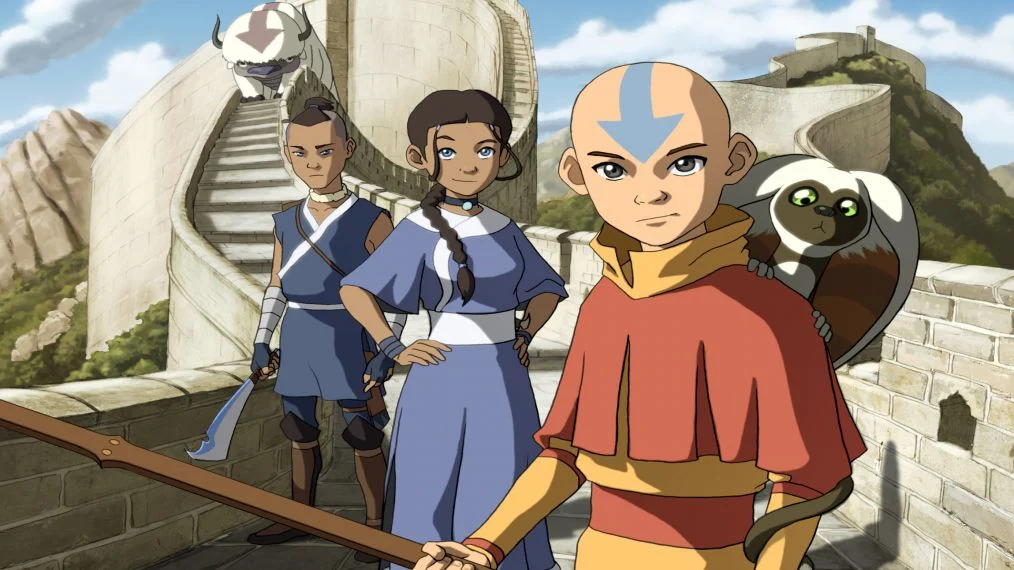
The original animated series, created by Michael Dante DiMartino and Bryan Konietzko, introduced a complex web of relationships that evolved over three seasons, known as "Books." At the heart of the story is the bond between Aang, voiced by Zach Tyler Eisen, and Katara, voiced by Mae Whitman. Their relationship begins as a friendship born of necessity and mutual discovery but matures into a deep romantic connection that mirrors Aang’s journey from a reluctant child to a world-saving Avatar.
Supporting characters like Sokka (Jack DeSena), Toph (Michaela Jill Murphy), Zuko (Dante Basco), and Suki (Jennie Kwan) further diversify the romantic landscape. Unlike many children’s programs of the early 2000s, Avatar: The Last Airbender treated its romantic elements with a degree of maturity and realism, addressing themes of loss, jealousy, and the difficulties of maintaining personal connections during wartime. This depth is a primary reason why the series remains a subject of intense analysis nearly two decades after its conclusion.
Key Romantic Arcs: A Comprehensive Timeline
The Enduring Bond of Aang and Katara
The relationship between the last Airbender and the Water Tribe prodigy is the most prominent romantic thread in the series. It follows a traditional "slow-burn" trajectory, beginning in the series premiere where Katara frees Aang from the iceberg.
- Book One (Water): The relationship is primarily platonic, characterized by Katara’s protective nature and Aang’s burgeoning admiration.
- Book Two (Earth): Significant milestones occur, most notably in the episode "The Cave of Two Lovers," where the two must trust in their bond to navigate a labyrinth.
- Book Three (Fire): The tension reaches its peak during the "Ember Island Players" episode and culminates in the series finale, "Sozin’s Comet," where the two finally solidify their romantic future.
Sokka’s Journey: From Loss to Leadership
Sokka’s romantic history provides some of the series’ most poignant moments. His first major love interest, Princess Yue of the Northern Water Tribe, ends in tragedy when she sacrifices her mortal life to become the Moon Spirit. This event significantly impacts Sokka’s character, shifting him from a comic-relief figure to a more serious warrior.
Following this loss, Sokka finds a lasting partner in Suki, the leader of the Kyoshi Warriors. Their relationship is noted for its mutual respect and shared combat prowess. Suki represents a shift in the series’ depiction of female characters—she is an elite warrior who challenges Sokka’s initial sexist preconceptions, leading to a partnership based on equality.
The Complexity of Zuko and Mai
In the Fire Nation, the relationship between Prince Zuko and Mai offers a stark contrast to the idealism of Team Avatar. Their romance is rooted in shared childhood history and the stifling atmosphere of the Fire Nation nobility. Mai, known for her stoicism and boredom, finds her only emotional outlet in Zuko. Their relationship is tested by Zuko’s defection to Team Avatar, eventually leading to a pivotal moment where Mai chooses her feelings for Zuko over her loyalty to the villainous Princess Azula, famously stating, "I love Zuko more than I fear you."
Transition to Live-Action: Netflix’s Adaptation Strategy
The Netflix live-action adaptation, led initially by showrunner Albert Kim, has faced the challenge of translating these nuanced relationships into a more grounded, cinematic format. The first season, which debuted in early 2024, introduced the younger cast: Gordon Cormier as Aang, Kiawentiio as Katara, Ian Ousley as Sokka, and Dallas Liu as Zuko.
Data from the first season’s release indicates a strong viewership response, with the series reaching the "Top 10" in 92 countries during its debut week. However, critical reception has been mixed regarding the pacing of character relationships. While the original series had 20 episodes per season to develop romantic tensions, the Netflix format utilizes eight hour-long episodes. This compression requires a more direct approach to romantic signaling, a shift that has been a point of contention among "purist" fans.
Chronology of the Franchise Expansion
- February 2005: Original animated series premieres on Nickelodeon.
- July 2008: "Sozin’s Comet" airs, concluding the original series.
- April 2012: The Legend of Korra premieres, providing "epilogue" context for original romances.
- September 2018: Netflix announces the live-action adaptation.
- February 2024: Netflix Season 1 premieres.
- June 2025: Scheduled release for Netflix Season 2.
Supporting Data and Production Context
The production of the live-action series has been one of Netflix’s most ambitious undertakings. With a reported budget of approximately $15 million per episode, the stakes for maintaining the franchise’s legacy are high. The decision to renew the series for two additional seasons simultaneously (Season 2 and Season 3) suggests a commitment to completing the full "Book" cycle of the original animation.
In terms of demographic reach, Avatar: The Last Airbender occupies a unique space. According to market research, the franchise maintains a "Gen Z" and "Millennial" stronghold, with 65% of the original audience now in the 18–34 age bracket. This shift in age allows the live-action series to lean into more mature interpretations of the romantic subplots, potentially exploring the political and social implications of these unions more deeply than the 2005 cartoon could.
Official Responses and Creative Direction
The departure of original creators DiMartino and Konietzko from the Netflix project in 2020 due to "creative differences" sparked concerns regarding the faithfulness of the adaptation. In an open letter, DiMartino stated, "Whatever version ends up on screen, it will not be what Bryan and I had envisioned or intended to make."
Despite this, the Netflix production team has expressed a desire to honor the core spirit of the characters. Albert Kim noted in various interviews that while some elements—such as Sokka’s early-series sexism—were toned down for modern sensibilities, the fundamental "heart" of the character relationships remains the priority. The casting of Suki (Maria Zhang) in Season 1 was widely praised, suggesting that the "Sukka" (Sokka and Suki) romance will continue to be a fan favorite in the upcoming Season 2.
Broader Impact and Cultural Implications
The enduring popularity of the romantic arcs in Avatar: The Last Airbender highlights a broader trend in media consumption: the "shipping" culture and its influence on franchise longevity. Online communities dedicated to discussing "Kataang" (Katara and Aang) or "Zutara" (the non-canonical pairing of Zuko and Katara) have kept the series relevant during its decade-long hiatus from television.
Furthermore, the series’ approach to romance has been lauded for its inclusivity and subversion of tropes. By featuring strong, independent female characters who are not defined solely by their romantic interests, and male characters who are allowed to be vulnerable and emotionally expressive, Avatar set a standard for character writing in the young adult genre.
As the Netflix series moves into the events of "Book Two: Earth," audiences can expect a heightening of these romantic stakes. The introduction of characters like Toph Beifong will add new dynamics to the group, while the deepening conflict with the Fire Nation will force the protagonists to make difficult choices between their personal happiness and their duty to the world. The success of these upcoming seasons will likely depend on the show’s ability to balance high-octane elemental bending with the quiet, interpersonal moments that made the original series a cultural phenomenon.
In conclusion, the romantic refresh provided by the original series serves as a blueprint for the live-action future. Whether through the lens of a 2005 animation or a 2024 streaming epic, the story of Avatar: The Last Airbender remains a testament to the idea that even in the midst of a global war, the most powerful force is often the connection between individuals. As the June 25 release date for Season 2 approaches, the world watches to see if Netflix can capture the lightning in a bottle that Nickelodeon first unleashed twenty years ago.