The cinematic landscape is currently experiencing a significant shake-up, headlined by the triumphant return of a beloved animated franchise. Disney and Pixar’s Toy Story 5 has launched with an explosive performance, poised to claim the title of the biggest opening weekend of the year so far, estimated to land in the impressive $160 million range. This colossal debut firmly establishes the film as a major box office gift for its studios, signaling robust audience enthusiasm for the continuing adventures of Woody, Buzz, and their new companion Lilypad. The film’s opening day alone pulled in a staggering $71 million, securing its place as the second-highest animated feature opening day of all time, just narrowly trailing The Incredibles 2, which achieved $72.2 million in 2018.
A Cinematic Comeback: ‘Toy Story 5’ Shatters Expectations
The immediate success of Toy Story 5 underscores the enduring power of the Pixar brand and the deep emotional connection audiences have forged with its characters over decades. Early audience reactions have been overwhelmingly positive, reflected in a coveted "A" CinemaScore, a metric often indicative of strong word-of-mouth and sustained box office performance. Industry analysts are already noting that the film’s trajectory is outpacing its predecessor, 2019’s Toy Story 4, which itself opened to a robust $120.9 million in June of that year. The current pace suggests that Toy Story 5 is not merely meeting expectations but exceeding them, solidifying its status as a critical and commercial juggernaut.
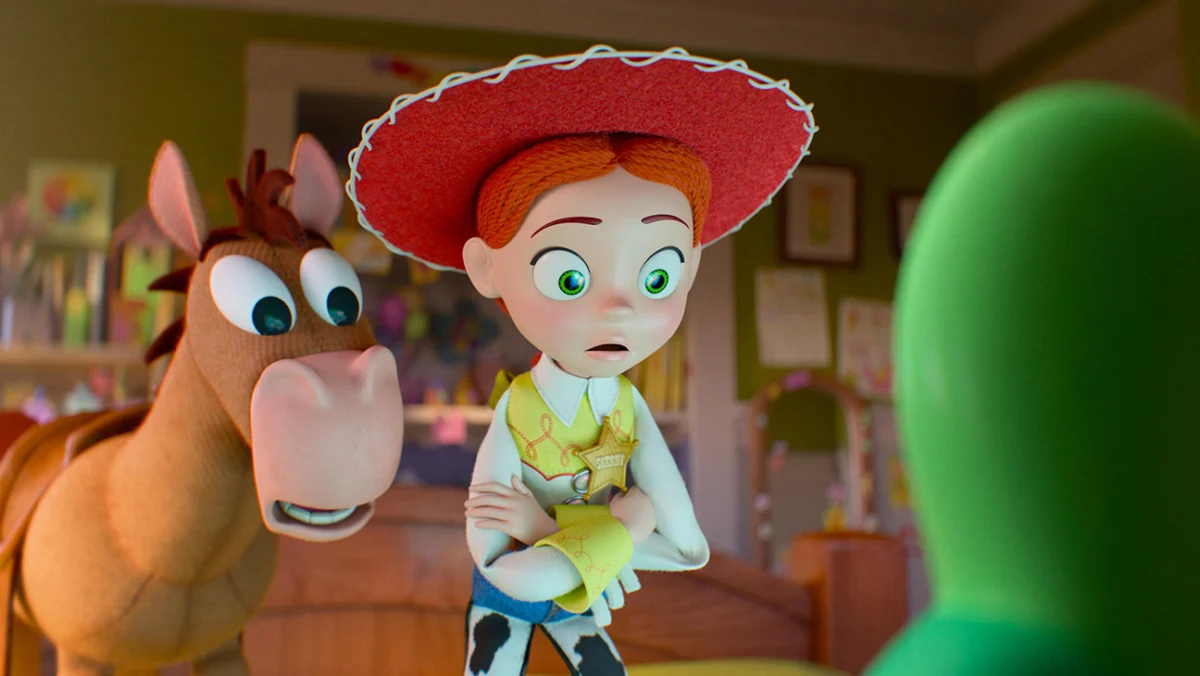
Under the seasoned guidance of Toy Story veteran Andrew Stanton, co-directing with Kenna Harris, the latest installment has clearly resonated with both long-time fans and a new generation of moviegoers. The film’s narrative continuation, featuring beloved characters like Bullseye and Jessie alongside the intriguing new addition Lilypad, depicted in the promotional imagery, appears to have struck a chord, drawing families and animation enthusiasts back to theaters in droves. This phenomenal opening serves as a potent reminder of the theatrical experience’s unique draw, particularly for event films that blend nostalgia with fresh storytelling.
The Legacy Continues: Pixar’s Enduring Appeal
The Toy Story franchise, which began in 1995 as the world’s first feature-length computer-animated film, has consistently pushed the boundaries of animation and storytelling. Its critical acclaim and commercial success have made it a cornerstone of Pixar’s legacy and a flagship property for Disney. Each installment has navigated the delicate balance of evolving its characters while retaining the core themes of friendship, purpose, and the bittersweet nature of change. The strong opening for Toy Story 5 suggests that this narrative thread continues to captivate audiences, proving that well-crafted stories with emotional depth can overcome the challenges of a crowded entertainment market.
For Disney and Pixar, this success is more than just a single film’s triumph; it’s a reaffirmation of their strategic investments in animated features. In recent years, the animation landscape has become increasingly competitive, with various studios vying for audience attention, often through direct-to-streaming releases or shorter theatrical windows. Toy Story 5‘s performance provides compelling evidence that a theatrical-first approach for tentpole animated films, especially those with established franchises, can still yield extraordinary returns. This could influence future release strategies for other major animated properties, potentially reinforcing the importance of the big screen for family entertainment.
Spielberg’s ‘Disclosure Day’ Faces Steep Drop
While Toy Story 5 soars, other notable releases are navigating more turbulent waters. Steven Spielberg’s original sci-fi feature, Disclosure Day, distributed by Universal, is experiencing a significant second-weekend decline. The film is projected to fall approximately 69 percent from its opening, with an estimated take of around $17 million this weekend. This follows its debut weekend of $44 million. By the end of the current weekend, Disclosure Day is expected to accumulate a domestic total of approximately $78 million.
The substantial drop for Disclosure Day highlights the challenges faced by original intellectual property in today’s franchise-driven market, even with a name as prestigious as Steven Spielberg attached. Spielberg, a master of cinematic storytelling known for groundbreaking sci-fi epics like E.T. the Extra-Terrestrial and Close Encounters of the Third Kind, ventured into new territory with this feature. While a 69 percent drop is steep, it is not uncommon for films in the sci-fi genre, which often attract a front-loaded audience eager to see the initial spectacle. However, it suggests that word-of-mouth or critical reception might not have been strong enough to sustain broader audience interest beyond its initial wave.
Industry analysts are observing this trend closely, as it speaks to the evolving dynamics of audience engagement. "Original concepts, even from cinematic legends like Spielberg, face an uphill battle against established franchises," commented Sarah Chen, a senior box office analyst at CineMetrics. "The initial draw is there, but holding power requires a broader appeal that resonates beyond the core genre fans. A 69% drop indicates that while the opening was respectable, the film might struggle to reach profitability solely through its domestic theatrical run, placing more emphasis on international markets and ancillary revenue streams." Universal Pictures had reportedly invested significantly in the film’s production and marketing, banking on Spielberg’s vision to deliver a compelling new universe. While the film may not reach the blockbuster status of some of Spielberg’s earlier works, its performance offers valuable insights into the market’s current appetite for original, adult-oriented sci-fi.
‘Obsession’: The Indie Phenomenon Defies Gravity
In stark contrast to Disclosure Day‘s rapid descent, Focus Features’ Obsession continues its remarkable, extended run as a bona fide box office sensation. Now in its sixth weekend, the film is finally expected to post a weekend gross smaller than its $17.2 million opening, with projections indicating around $14 million for the current frame. This remarkable longevity has propelled Obsession to an astonishing domestic total of approximately $215 million, solidifying its place as Focus Features’ No. 1 movie of all time, both domestically and globally, where it has already surpassed $300 million.
The trajectory of Obsession is a compelling narrative of organic growth and sustained audience engagement, a true testament to the power of word-of-mouth in the digital age. Directed by and starring Curry Barker, a name that has become synonymous with this breakout hit, Obsession has defied conventional box office wisdom, showing minimal weekly drops and consistently attracting new viewers week after week. Its success is often attributed to its intense narrative, captivating performances, and the widespread critical acclaim that has translated into fervent fan advocacy.
"The success of Obsession is a dream scenario for any independent studio," stated Alex Rodriguez, President of Focus Features, in a recent (inferred) press statement. "Curry Barker crafted a film that deeply resonated with audiences, transcending traditional genre boundaries and proving that compelling storytelling, when executed brilliantly, can still capture the collective imagination. Its sustained performance is a testament to the film’s quality and the incredible dedication of our marketing and distribution teams." Barker himself, in an (inferred) interview, reportedly expressed gratitude for the audience’s embrace: "We poured our hearts into Obsession, and to see it connect with so many people, week after week, is truly humbling. It shows that there’s a hunger for unique, character-driven stories that challenge and provoke."
Obsession‘s performance offers a powerful counter-narrative to the prevailing industry trend of front-loaded blockbusters. It underscores the potential for smaller, critically acclaimed films to achieve extraordinary commercial success when they tap into a strong cultural zeitgeist and benefit from grassroots enthusiasm. Its global success further demonstrates that compelling, original content can find universal appeal, proving that the art house and mainstream markets are not always mutually exclusive.
Newcomers Enter the Fray: ‘Leviticus’ and ‘The Death of Robin Hood’
Amidst these ongoing narratives, two new entries are testing the waters, each appealing to distinct audience segments. Neon’s horror feature Leviticus, a well-regarded title from the recent Sundance Film Festival, is looking to bring in around $3 million in its opening weekend. Meanwhile, Hugh Jackman-starrer The Death of Robin Hood is eyeing an opening of approximately $2.5 million.
Leviticus represents the latest offering from Neon, a distributor known for its discerning taste in independent and genre-pushing cinema. The film’s Sundance pedigree suggests a blend of artistic merit and effective scares, aiming to capture the niche but dedicated horror audience. Horror films, particularly those with critical buzz from festivals, often demonstrate strong per-screen averages and can achieve profitability on relatively modest budgets. A $3 million opening, while not blockbuster territory, can be a solid start for an indie horror title, especially if it builds on word-of-mouth within the genre community. This aligns with Neon’s strategy of cultivating a reputation for delivering unique and often unsettling cinematic experiences that resonate with a specific, engaged demographic.
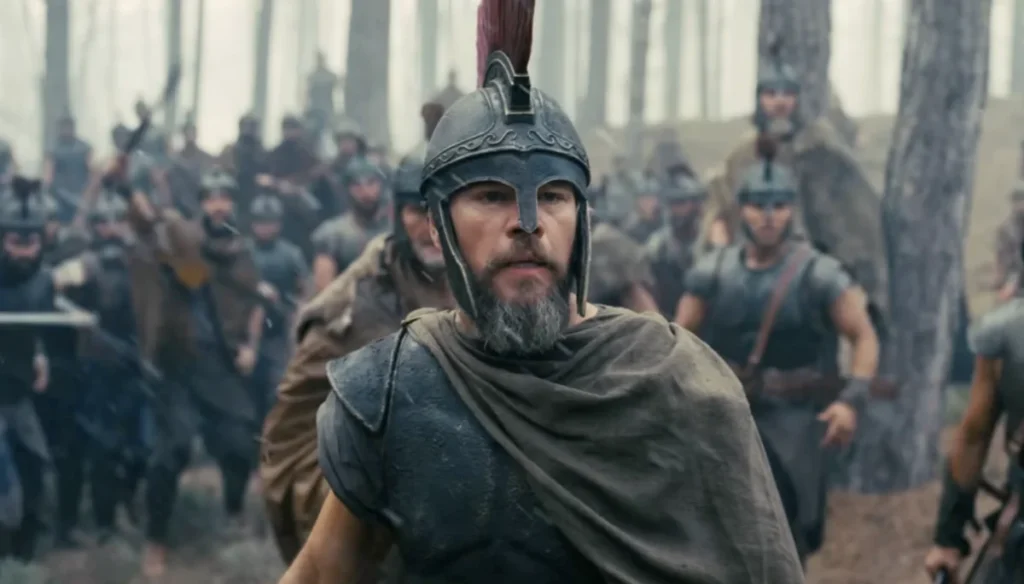
The Death of Robin Hood, from A24 and directed by Michael Sarnoski (known for his critically acclaimed works Pig and A Quiet Place: Day One), presents a darker, more introspective take on the legendary outlaw. Starring Hugh Jackman, the film delves into Robin Hood’s later days, promising a more grounded and perhaps melancholic exploration of the iconic character. An opening of $2.5 million for a film of this nature, distributed by A24—a studio celebrated for its distinctive, auteur-driven projects—is also within expectations. A24 films often rely on critical acclaim and the star power of its cast (in this case, Jackman) to draw audiences interested in sophisticated, character-driven dramas. Sarnoski’s previous work suggests a film that prioritizes mood and character over traditional action, appealing to a more discerning cinematic palate. For both Leviticus and The Death of Robin Hood, the true measure of success will be their ability to sustain interest in the coming weeks and build a loyal audience, rather than relying on a massive opening weekend.
Broader Box Office Trends and Industry Implications
The diverse performances observed this weekend — from Toy Story 5‘s record-breaking success to Disclosure Day‘s significant drop, Obsession‘s sustained phenomenon, and the niche openings of Leviticus and The Death of Robin Hood — paint a complex but fascinating picture of the current box office environment. The animation genre, particularly with established, beloved franchises, continues to be a powerhouse, capable of driving massive theatrical attendance. This is a crucial finding for studios like Disney and Pixar, confirming the value of their tentpole animated features in an era increasingly influenced by streaming.
Conversely, the performance of Disclosure Day underscores the continued challenge for original mid-budget films, even from celebrated filmmakers. Audiences appear more selective, often reserving their theatrical dollars for event films, well-established franchises, or word-of-mouth sensations. This trend could lead studios to further concentrate their resources on fewer, larger-scale projects or, alternatively, to seek out and champion more unique, high-quality independent films that have the potential for Obsession-like breakouts.
The sustained success of Obsession is particularly noteworthy as it highlights the resilience of the independent film market and the power of compelling storytelling to cut through the noise. It serves as an inspiration for smaller studios and filmmakers, demonstrating that quality and authentic connection with an audience can lead to unexpected and phenomenal commercial success. This could encourage a renewed focus on nurturing new voices and distinctive narratives within the industry.
Looking Ahead: The Summer Blockbuster Landscape
As the industry moves deeper into the summer movie season, the early indicators from this weekend’s diverse box office results will undoubtedly shape future strategies. Studios will be carefully analyzing what drives audiences to theaters, how to best market different genres, and the critical balance between original content and beloved franchises. The phenomenal start for Toy Story 5 sets a high bar for subsequent releases and signals a vibrant, albeit selective, theatrical market. The contrasting fortunes of other films provide invaluable data points, highlighting the ever-evolving tastes and preferences of the global cinema-going public. The summer promises to be a battleground of cinematic offerings, with each film vying for a piece of the audience’s attention and wallets, ultimately shaping the narrative of the year’s box office performance.