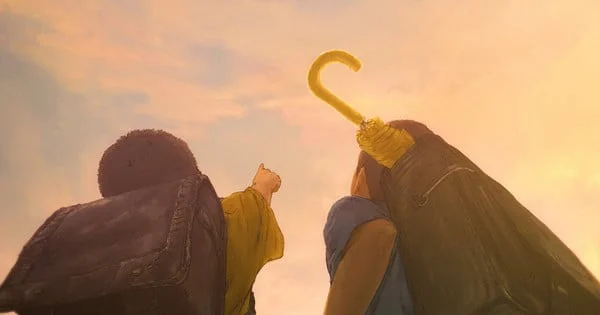
The cinematic landscape of animated filmmaking has been profoundly impacted by the recent release of We Are Aliens, a feature debut from director KÅhei Kadowaki. This ambitious work distinguishes itself through a unique visual language that defies easy categorization, drawing upon a diverse array of artistic influences to forge a distinct and often unsettling aesthetic. While comparisons to existing anime are inevitable, the specific fusion of stylistic elements within We Are Aliens presents an unprecedented visual experience for audiences accustomed to conventional animation.
A Groundbreaking Visual Approach
The film’s most striking characteristic is its revolutionary animation style. Kadowaki, in his directorial debut, has opted for a rotoscoped approach that is both meticulously detailed and deliberately unsettling. The animation draws parallels to the intensity of ShÅ«zÅ Oshimi’s manga, particularly in its intricate line-work and pervasive use of shading. This level of detail is reminiscent of the most densely cross-hatched panels, applied here to hand-drawn characters.
Unlike the stylized designs commonly found in anime, We Are Aliens embraces a hyper-realistic aesthetic. This commitment to verisimilitude, even when depicting emotionally fraught or distorted moments, forces viewers to engage with the minutiae of character expression and environmental detail in a way rarely seen in animated features. The film’s visual approach has been described as achieving a level of grotesque intensity comparable to close-up shots in The Ren & Stimpy Show, but rendered with the fluidity and dynamism of modern animation.
The choice to employ rotoscoping, a technique that involves tracing over live-action footage frame by frame, contributes significantly to the film’s thematic resonance. This hybrid form, bridging live-action and traditional animation, masterfully evokes the subjective nature of memory. As the narrative unfolds, it becomes apparent that this hyper-realistic style is not merely a stylistic choice but a deliberate artistic device to convey the experience of a nightmare. The deliberate ugliness of some of the depicted drawings, juxtaposed with their stunning execution, creates a disorienting yet compelling visual experience.
Narrative Structure and Thematic Depth
We Are Aliens is structured around a dual perspective, presenting two distinct nightmares that interweave to form a complex emotional tapestry. The narrative initially unfolds from the viewpoint of Tsubasa, a young boy whose perception of his classmate, Gyotaro, gradually transforms from admiration to fear. The film then rewinds, re-examining the same events from Gyotaro’s perspective, revealing a starkly different reality.
In the third grade, Gyotaro is portrayed as an exceptional peer: intelligent, athletic, and imaginative, with a particular talent for drawing dinosaurs. He embodies the ideal friend for Tsubasa. However, by the fourth grade, Gyotaro’s unique eccentricities begin to be perceived by his classmates as increasingly aberrant. Rumors circulate that he is "not human," and even Tsubasa’s mother expresses concern about Gyotaro being a "problem."
Tsubasa’s suspicions are amplified when he overhears Gyotaro make a cryptic remark about completing a "mission on Earth." This comment, coupled with Gyotaro’s prior discussions about meteors and his affinity for the Pokémon Deoxys, are reinterpreted by Tsubasa as evidence of an extraterrestrial conspiracy. The film effectively captures how childhood friendships can be fractured by misunderstanding, fear, and the insidious spread of rumors, leading Tsubasa to believe the worst about his former friend.
Gyotaro’s Perspective: A Different Kind of Nightmare
Gyotaro’s narrative arc offers a poignant counterpoint to Tsubasa’s burgeoning paranoia. From his perspective, he is not an alien but a creative, socially awkward boy who becomes a target of scapegoating and bullying. The elements that Tsubasa found most disturbing about Gyotaro, such as his morbid fascination with "the world’s most painful needle," are presented as stemming from understandable, albeit unconventional, creative impulses.
The film meticulously details Gyotaro’s descent into isolation and misery. While Tsubasa occasionally reflects on their shared past over the ensuing two decades, Gyotaro becomes increasingly consumed by the loss of their friendship. This obsessive preoccupation with a fractured bond forms the emotional core of his personal nightmare, highlighting the devastating impact of social ostracization and the unfulfilled longing for connection.
The Climax and Resolution
The third act of We Are Aliens brings Tsubasa and Gyotaro face-to-face as adults, where the simmering anxieties of their past erupt into a full-blown confrontation. The film’s "nightmare register," as directed by Kadowaki, is instrumental in navigating this highly charged climax. While the narrative ventures into extreme melodrama, a point where realism begins to recede, the emotional intensity of fear remains palpable. The animators’ sustained effort to visually depict this escalating dread is a testament to their skill.
Despite the potential for the heightened climax to become overwrought, a more grounded coda provides a sense of closure. This epilogue allows the emotional weight of the story to resonate more effectively, offering a contemplative space after the more operatic intensity of the preceding scenes. The resolution aims to ensure that the audience can process the profound impact of the characters’ experiences.
Artistic Achievement and Potential
We Are Aliens stands as a significant artistic accomplishment, particularly for a directorial debut. The film’s unique visual style, its complex narrative structure, and its exploration of themes such as memory, fear, and social alienation are all noteworthy. Had the third act matched the subtlety and conviction of the film’s first two-thirds, We Are Aliens might have been considered one of the standout anime films of recent years.
However, even with a conclusion that some critics suggest falls short of the film’s earlier potential, We Are Aliens remains a compelling and visually arresting experience. It is a testament to the power of innovative animation to explore complex psychological landscapes and the enduring impact of childhood experiences. The film’s success in pushing the boundaries of visual storytelling within the anime medium is undeniable, marking Kadowaki as a director with a distinct and promising voice.
Background and Context of Production
The production of We Are Aliens involved a considerable investment in developing its groundbreaking animation techniques. While specific budget figures have not been publicly disclosed, the intricate detail and fluid motion suggest a substantial allocation of resources towards its visual realization. The decision to employ rotoscoping, a process that is typically more labor-intensive than traditional animation, points to a deliberate commitment to achieving a specific aesthetic and thematic effect.
The development timeline for We Are Aliens is understood to have spanned several years, allowing Kadowaki and his team to refine the rotoscoping process and integrate it seamlessly with hand-drawn elements. This period of intense development was crucial for translating the director’s unique vision into a cohesive cinematic experience. The film’s reliance on detailed facial expressions and nuanced character movements, achieved through meticulous frame-by-frame tracing, underscores the dedication required to bring this project to fruition.
Related Artistic Influences and Critical Reception
The stylistic comparisons made by critics, such as the imagined scenario of The Flowers of Evil anime having the resources to match the detailed cross-hatching of ShÅ«zÅ Oshimi’s manga, highlight the film’s ambition. Oshimi, known for his psychological thrillers and stark visual style, represents a significant touchstone for the film’s gritty realism and intense line-work.
Similarly, the mention of Children of the Sea and the singular episode of Uzumaki as points of comparison for detailed shading suggests an engagement with other anime that have pushed visual boundaries. However, We Are Aliens distinguishes itself by applying these techniques to decidedly more realistic character designs, creating a unique tension between the familiar and the uncanny.
The critical reception, while largely positive regarding the film’s artistic merit and visual innovation, has also noted the narrative challenges in its final act. This nuanced reception suggests that while the film excels in its execution of a bold artistic vision, the storytelling may not always maintain the same level of impact throughout its entire runtime. This critical perspective underscores the delicate balance required in filmmaking between groundbreaking style and narrative coherence.
Analysis of Implications
The implications of We Are Aliens‘ innovative approach extend beyond its immediate critical reception. The film’s success in forging a unique visual language could inspire future animators to experiment with hybrid techniques and a broader spectrum of artistic influences. By demonstrating the power of rotoscoping to evoke complex emotional states and subjective realities, Kadowaki’s debut challenges conventional notions of what animated storytelling can achieve.
Furthermore, the film’s exploration of themes such as childhood bullying, social alienation, and the subjective nature of memory offers a rich ground for discussion. Its success in translating psychological turmoil into compelling visual sequences suggests a potential for animation to tackle increasingly complex and mature subject matter. We Are Aliens serves as a potent reminder that artistic innovation, when coupled with a compelling narrative, can lead to profoundly impactful cinematic experiences.
The film’s commercial performance, though not yet fully assessed, will be a key indicator of the audience’s receptiveness to its unconventional style and mature themes. A strong box office showing could signal a growing appetite for diverse and artistically ambitious animated features. Conversely, a more modest performance might highlight the challenges of marketing such a distinct work to a mainstream audience. Regardless of its commercial trajectory, We Are Aliens has already secured its place as a significant work of artistic experimentation within the animation industry. Its legacy will likely be defined by its bold visual statements and its contribution to the ongoing evolution of animated filmmaking.