The Agency has transitioned from a high-stakes adaptation of international intellectual property into a cornerstone of contemporary espionage television, marking a significant evolution in the genre for Paramount+ and Showtime. Originally conceived as the American counterpart to the critically acclaimed French series Le Bureau des Légendes (The Bureau), the production faced the immense challenge of translating the specific, bureaucratic tension of the Direction Générale de la Sécurité Extérieure (DGSE) into a Central Intelligence Agency (CIA) context. Following a foundational first season that established the heavy-hitting cast and the intricate rules of deep-cover operations, the second season has refined its narrative focus, positioning itself as a direct competitor to prestige spy dramas like Apple TV+’s Slow Horses. Under the creative direction of showrunners and writers Jez and John-Henry Butterworth, the series has moved beyond its source material’s shadow to establish a distinct identity defined by linguistic precision, psychological depth, and a deliberate rejection of traditional action tropes in favor of intellectual suspense.
The Evolution of a Prestige Espionage Adaptation
The origins of The Agency are rooted in the success of Le Bureau des Légendes, which premiered in 2015 and ran for five seasons. Created by Éric Rochant, the original series was lauded by intelligence professionals for its realism, focusing on the mundane but dangerous reality of agents living under "legends"—fabricated identities maintained over years of deep-cover assignments. When Showtime announced the American adaptation, industry analysts noted the strategic move to secure the Butterworth brothers, whose previous credits include high-velocity scripts such as Ford v Ferrari and Edge of Tomorrow.
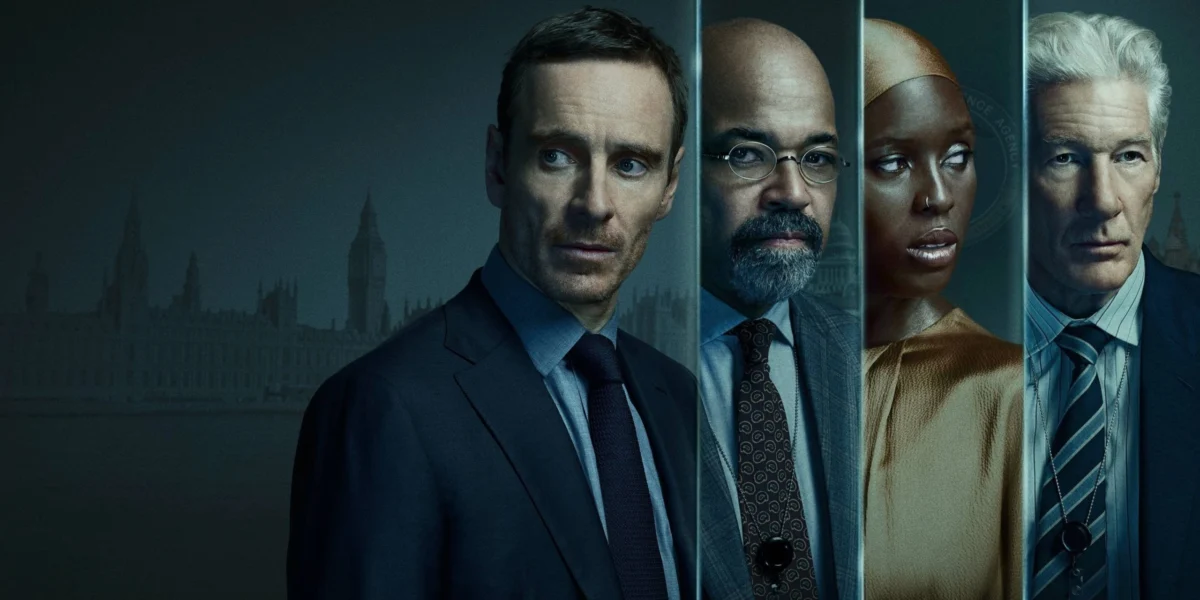
In Season 2, the series shifts from the introductory world-building of the first installment to a more complex exploration of the consequences inherent in clandestine service. The narrative follows "Martian," portrayed by Michael Fassbender, a CIA agent whose professional mask begins to disintegrate under the weight of personal loyalty. The transition from Season 1 to Season 2 represents a maturation of the show’s themes, moving from the mechanics of the "legend" to the existential crisis of the individual behind the alias. This thematic progression aligns with a broader trend in television where second seasons of prestige dramas often serve to deconstruct the archetypes established in their debuts.
Narrative Progression and the Geopolitical Stakes of Season 2
The second season begins in the immediate aftermath of the successful extraction of the captured agent known as Coyote. However, this tactical victory has left Martian in a precarious geopolitical position. His unconventional methods and the trail of compromises left in his wake have drawn the scrutiny of British Intelligence, effectively turning him into a dubious informant within his own community. The central tension of the season revolves around Martian’s lover, Samia Fatima (Jodie Turner-Smith), who is held as a political prisoner in Sudan.
The plot bifurcates into several high-stakes threads that illustrate the global reach of the CIA’s operations. While Martian navigates the treacherous waters of potential treason to secure Samia’s release, the Agency is simultaneously embroiled in a high-priority mission in Iran involving the agent Gremlin (Saura Lightfoot-Leon). Adding a layer of systemic threat is the emergence of "Valhalla," a counter-intelligence organization that begins to systematically dismantle American interests. This multi-front conflict serves to heighten the sense of claustrophobia within the Agency’s halls, as the threat is no longer just external but increasingly internal. The hunt for a mole within the department provides the season with a driving procedural engine that complements the more emotional stakes of Martian’s personal mission.
Character Dynamics and the Central Conflict of Loyalty
The success of the second season is heavily predicated on the performances of its ensemble cast, led by Michael Fassbender. Fassbender’s portrayal of Martian is characterized by a "steely-eyed" restraint that conveys the psychological toll of living a dual life. Unlike the high-octane protagonists of the Jason Bourne or James Bond franchises, Martian is a character defined by his ability to endure pressure and manipulate language. Critics have noted that Fassbender’s performance is at its most potent when the character is at his most vulnerable, showing rare but impactful moments of emotional fracture.
Opposite Fassbender is Jeffrey Wright as Henry Ogletree, the deputy station chief and Martian’s mentor. Wright brings a gravitas to the role that anchors the series’ more fantastical elements in the reality of middle-management bureaucracy. The relationship between Martian and Ogletree becomes a focal point of the season, representing the clash between individual morality and institutional preservation. As Ogletree attempts to keep the department afloat amidst the Valhalla threat and the internal mole hunt, his inevitable collision with Martian’s rogue actions creates some of the season’s most compelling drama.
The supporting cast also sees significant development in Season 2. Saura Lightfoot-Leon and John Magaro, playing Gremlin and Owen Taylor respectively, transition from novice field agents to seasoned operatives. Their arcs provide a necessary perspective on the "cost of the lie," showing how the profession erodes the personal lives of those who enter it. The inclusion of veteran actors such as Richard Gere, Katherine Waterston, and Dominic West further solidifies the series’ status as a top-tier prestige drama, with each actor contributing to the atmosphere of seasoned professionalism and latent cynicism.

The Butterworths and the Craft of Dialogue-Driven Tension
Jez and John-Henry Butterworth have utilized a writing style that prioritizes "the action in the words." In Season 2, the dialogue is utilized as a weapon, with agents speaking in subtext and professional jargon to mask their true intentions. This approach differentiates The Agency from other contemporary thrillers that rely on physical set pieces to maintain audience engagement. By focusing on contentious dialogue and the intricacies of bureaucratic maneuvering, the Butterworths create a form of tension that is intellectual rather than visceral.
The writing also emphasizes the inherent seriousness of the espionage world. While other successful series like Slow Horses lean into the dark humor and "playful ineptitude" of their characters, The Agency maintains a stark, somber tone. This commitment to a grounded, often cold atmosphere serves to highlight the stakes of the characters’ choices. Every conversation is a potential trap, and every silence is a tactical move. This refinement in writing has allowed the series to shed the typical "freshman season" growing pains, resulting in a more efficient and focused narrative structure.
Technical Direction and Visual Storytelling Frameworks
The visual language of Season 2 has been further honed by a team of directors including Neil Burger, Grant Heslov, and Zetna Fuentes. The direction emphasizes the cold, clinical nature of the intelligence world, utilizing a muted color palette and precise framing to mirror the psychological state of the characters. The visual storytelling is designed to be as efficient as the writing, with a focus on tautness and pacing that keeps the audience in a state of constant anticipation.
The use of locations also plays a vital role in the season’s atmosphere. The transition between the sterile offices of the CIA and the volatile environments of Sudan and Iran provides a visual contrast that underscores the disconnect between policy-making and field reality. The directors have successfully created a world where the stakes are palpable, and the revelations are as jarring for the audience as they are for the agents involved. The season finale, in particular, has been cited for its ability to conclude on a high note while leaving significant narrative threads open for future exploration.
Comparative Analysis: Redefining the Modern Spy Thriller
When analyzing The Agency within the context of the current television landscape, it is clear that the series is attempting to occupy a space once held by shows like The Americans. It focuses on the domestic and emotional fallout of espionage rather than the glamorization of the craft. The comparison to Slow Horses is inevitable given the current popularity of the Apple TV+ series, but The Agency offers a distinct alternative. Where Slow Horses is about the outcasts of the intelligence world, The Agency is about the elite—those who are at the very top of their game but are finding that the game itself is fundamentally broken.
The decision to adapt Le Bureau des Légendes was a calculated risk, as the original series has a devoted international following. However, by focusing on the "Americanization" of the themes—specifically the concepts of global interventionism and the rise of private or non-state counter-intelligence actors like Valhalla—the Butterworths have made the story relevant to a domestic audience. The series has effectively moved from being a remake to being a standalone entry in the genre that contributes new ideas to the discourse on modern surveillance and statecraft.
Industry Performance and Award Recognition Prospects
From an industry perspective, The Agency represents a significant investment for Paramount+ and Showtime. In an era where streaming services are increasingly looking for "sticky" content—shows that retain subscribers through multi-season arcs—The Agency serves as a prestige anchor. The series’ ability to attract A-list talent like Fassbender and Wright is a testament to the quality of the scripts and the pedigree of the production team.
Looking toward the future, The Agency Season 2 is positioned as a strong contender for various industry accolades. Critics have identified several categories where the show is likely to compete during the awards season:
- Outstanding Lead Actor in a Drama Series: Michael Fassbender’s internalised performance is seen as a frontrunner for his nuanced portrayal of Martian.
- Outstanding Supporting Actor in a Drama Series: Jeffrey Wright’s consistent excellence and his character’s central role in the Season 2 conflict make him a primary candidate.
- Outstanding Writing for a Drama Series: The Butterworths’ ability to maintain tension through dialogue-driven narrative is expected to be recognized by the Academy.
In conclusion, The Agency Season 2 has successfully built upon the foundation of its debut to become one of the most sophisticated spy thrillers currently on television. By refining its writing, leaning into the strengths of its ensemble cast, and maintaining a commitment to realistic, dialogue-driven tension, the series has elevated itself to "must-watch" status. It stands as a rare example of an international adaptation that honors its source material while carving out a unique and compelling space in the American media landscape. As the series continues to unfold, its exploration of the intersection between personal love and national duty remains its most potent and relevant theme.