The concept of "whimsy," as explored in the "Necessary Whimsy" column, is presented not merely as a flight of fancy, but as a powerful dual force: a source of comfort and a potent weapon against adversity. This perspective frames whimsy as a protective, joy-inducing embrace—akin to a "soft, sparkly rainbow blanket"—that shields the heart from the harsh realities of hate, injustice, and the overwhelming "seething mass of awful" the world can sometimes present. It draws a parallel to Pride parades, vibrant celebrations of joy, love, and visible identity, which themselves arose from historical acts of resistance, such as the Stonewall Riots. This duality, the article suggests, is crucial for sustaining individuals through difficult times and empowering them to continue their fight.
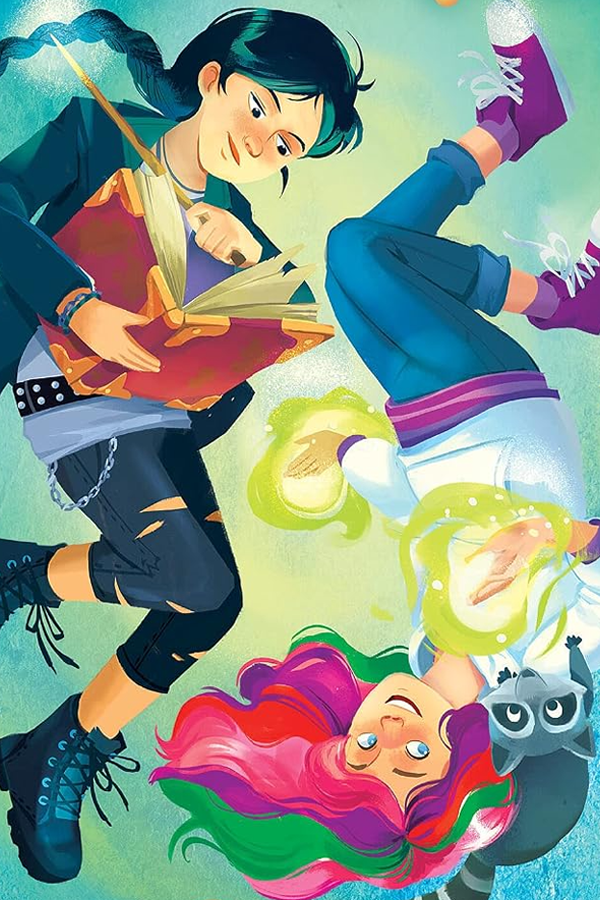
In recognition of Pride month, this particular installment of "Necessary Whimsy" is dedicated to highlighting LGBTQIA+ literature and media. While advocating for year-round engagement with diverse narratives, the author emphasizes the unique opportunity Pride month offers to spotlight LGBTQIA+ voices and stories. This focus is presented as a self-serving endeavor for the reader, encouraging them to explore "delicious book morsels" they might otherwise miss, thereby enriching their own experiences. The underlying message is one of self-care and deservingness: readers are encouraged to "TREAT YOUR SELF."
Beyond personal gratification, the article also makes a case for supporting LGBTQIA+ creators for the benefit of the broader community. It references a Book Riot article indicating that queer books and authors require support, and suggests a post by author Malinda Lo for deeper context, acknowledging that while Lo’s work may not always fit the "whimsy" category, her talent is undeniable and deserving of readership. The call to "read widely" is framed as an act of solidarity, supporting authors, booksellers, librarians, and industry professionals who work diligently to bring these narratives to light. Ultimately, the encouragement to read is rooted in both self-love and collective support.
The author acknowledges that the provided list is a curated sampling, not an exhaustive collection, due to space limitations. They invite readers to contribute their own favorite LGBTQIA+ stories—across fiction, television, or any medium—in the comments section, fostering a collaborative approach to discovering and sharing these narratives.
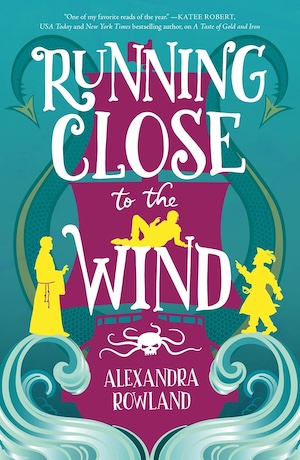
Running Close to the Wind by Alexandra Rowland
For enthusiasts of pirate narratives and fans lamenting the cancellation of shows like "Our Flag Means Death," Alexandra Rowland’s Running Close to the Wind offers a compelling alternative. The novel centers on Avra Helva, a former intelligence officer turned poet, who finds himself in dire straits after an act of apparent good fortune leads him to steal something that could prove fatal. His subsequent panic leads him to board a ship, which is then captured by pirates. The twist? This pirate vessel is captained by Avra’s ex, Captain Teveri az-Zaffar, who is understandably displeased by Avra’s reappearance, especially given a song Avra wrote about their past relationship. Adding to the tension, Avra suspects he may have been supplanted in Teveri’s affections—and possibly their bed—by the enigmatic and strikingly handsome Julian. Despite these complications, Avra’s seemingly perpetual good luck might just steer this precarious situation toward a favorable outcome.
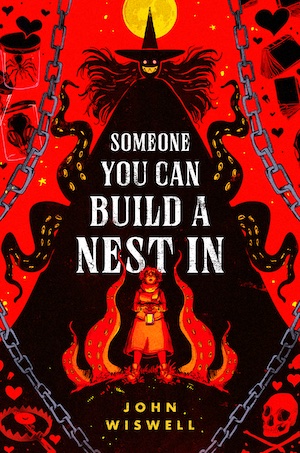
Someone You Can Build a Nest In by John Wiswell
John Wiswell’s Someone You Can Build a Nest In introduces Shesheshen, an amorphous blob with fundamentally simple aspirations: to hibernate and then find a suitable partner for egg deposition and co-parenting. This relatable, albeit unusual, life goal is disrupted by the intrusion of monster hunters, forcing Shesheshen to construct a formidable body from an assortment of chains, bear traps, and available materials. Despite her ingenuity, she sustains significant injuries. Fortunately, she is nursed back to health by a character named Homily. The novel is described as a journey that is at times unsettlingly graphic, filled with trauma, yet also remarkably funny, ultimately offering a narrative of healing and surprising sweetness, despite its inherent body count. The story prompts reflection on the very definition of a monster and the universal need for connection, suggesting that even amorphous, shapeshifting beings deserve love and understanding.
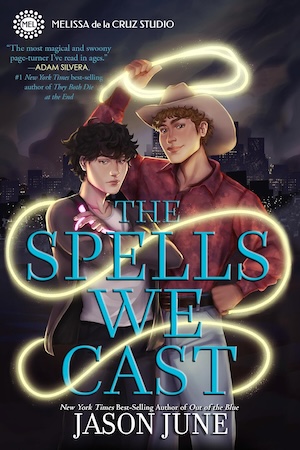
The Spells We Cast by Jason June
Jason June’s The Spells We Cast is highlighted for its appealing blend of fantasy elements with Western aesthetics. The novel delivers familiar fantasy tropes within a cowboy-inspired setting, enhanced by a swoon-worthy romance, magical competitions, intricate family dynamics, and, notably, lassos. The author expresses a strong fondness for genre-blending, particularly the fusion of fantasy and Western, and notes the presence of cowboy hats and lassos as key attractions. A central trope enthusiastically embraced by the author is the "grumpy/sunshine" dynamic, exemplified by the sweet and radiant Nigel and the brooding Orion. This pairing is likened to the classic combination of chocolate and peanut butter, suggesting a natural and enjoyable synergy.
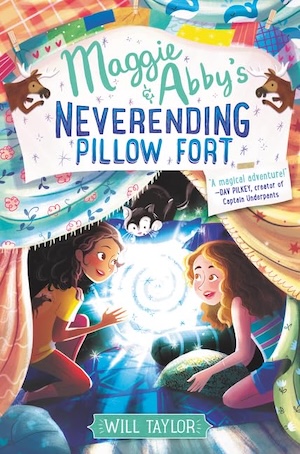
Maggie & Abby’s Neverending Pillow Fort by Will Taylor
Will Taylor’s Maggie & Abby’s Neverending Pillow Fort is described by the author as "whimsy made flesh," a testament to its inherently fantastical and heartwarming nature. While acknowledging a personal bias due to friendship with the author, the inclusion of the book is justified by its profound embodiment of whimsy. The story follows Maggie, whose vivid imagination has been her primary companion during her best friend Abby’s absence at camp. Upon Abby’s return, Maggie struggles with Abby’s preoccupation with camp experiences, leading to a poignant exploration of the heartbreak that can accompany growing apart. However, the narrative also features magically connected pillow forts. A visit from the North American Founding and Allied Forts Alliance (NAFAFA) introduces significant challenges, propelling Maggie and Abby on an adventurous quest to satisfy the alliance’s requirements and preserve their magical pillow fort. The author suggests that a heartwarming adventure centered around a pillow fort is a welcome escapade for readers.
Cattywampus by Ash Van Otterloo
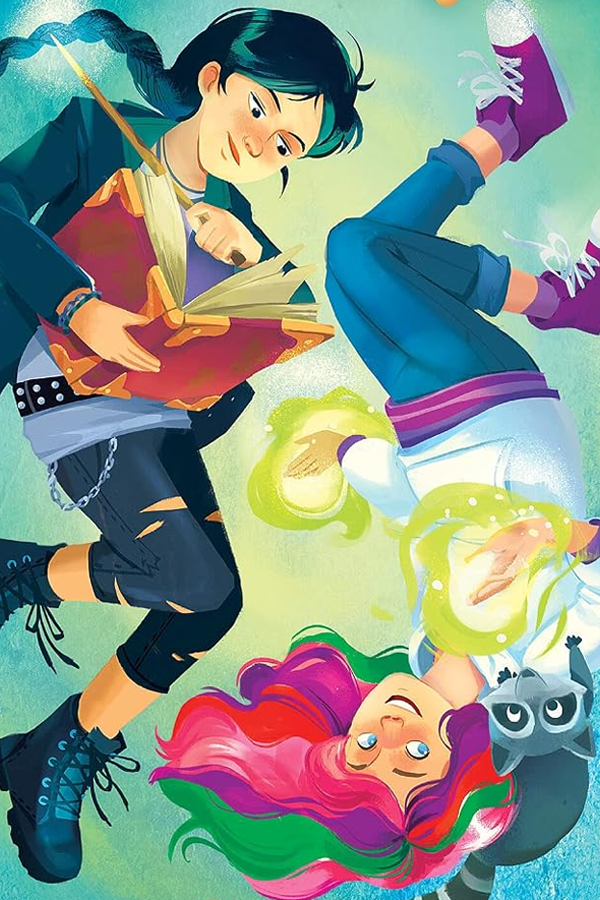
Cattywampus by Ash Van Otterloo is lauded as "the cutest zombie book ever," a description that underscores its unique appeal and the value of independent booksellers who champion such distinctive titles. The story is set in an Appalachian locale and explores themes of magic, family feuds, and the power of friendship, all within a context involving zombies. The plot revolves around Delpha McGill, who is forbidden from learning magic by her mother, despite its potential to alleviate their financial struggles. Simultaneously, Katybird Hearn’s magic exhibits peculiar behavior, raising concerns about potential gender-based limitations in a magic system passed down from mother to daughter. Both characters believe Delpha’s Mamaw’s family spellbook holds the answers they seek, but an ancient family feud stands in their way. An ensuing argument inadvertently unleashes a hex, reanimating a graveyard full of their displeased ancestors. The book is celebrated for its unique combination of the "Power of Friendship" with zombies, raccoon familiars, and an Appalachian setting, with the inclusion of raccoons being a particular highlight for the author.
The Owl House
The animated series The Owl House is presented as a delightful discovery, tracing a lineage of beloved animated works. The author notes a connection from the classic animation website homestarrunner.com (and the iconic Trogdor) to Gravity Falls, and subsequently to The Owl House. For those familiar with the preceding shows, The Owl House is highly recommended. For newcomers, it offers an excellent opportunity for a weekend of engaging viewing. The series is characterized by its delicious weirdness and fulfills a childhood dream of being transported to a magical world to become a witch, complete with an adorable demon best friend like King. The voice performance of Wendie Malick as Eda Clawthorne is also singled out for praise. Despite being an award-winning show that concluded after a few seasons, its impact and appeal are considered enduring.
Los Espookys
Los Espookys is a largely Spanish-language comedy series with subtitles that defies easy categorization. The show centers on Renaldo, a horror enthusiast who establishes a business that provides spooky effects for various clients, from parties to staged exorcisms. While its theme is horror, the series is not frightening but rather characterized by its off-kilter, dreamlike comedy, driven by a talented cast. It is described as unapologetically quirky, evoking the image of opening Frankenstein’s monster to find a heart made of rainbow cotton candy. The series achieved both high critical and fan ratings on Rotten Tomatoes, a rarity for the author. With only two short seasons, totaling twelve episodes, Los Espookys is recommended for viewers seeking a brief, distinctive, and truly unique viewing experience.