The Next Best Picture podcast recently convened a specialized panel of film critics and industry analysts to conduct an in-depth review of Toy Story 5, the latest entry in the foundational Pixar Animation Studios franchise. The discussion featured contributors Megan Lachinski, Josh Parham, Dan Bayer, Cody Dericks, and Daniel Howat, who joined host Matt Neglia to dissect the creative and technical merits of the fifth installment. As the franchise approaches its third decade of existence, the panel addressed the central question of whether a fifth film is a necessary addition to a narrative arc that many critics previously believed reached a definitive conclusion with Toy Story 3 in 2010 and a subsequent epilogue in Toy Story 4 in 2019. This review serves as a comprehensive evaluation of the film’s screenplay, thematic resonance, voice performances, and its potential standing in the upcoming awards season.
Historical Context and Franchise Evolution
The Toy Story franchise holds a singular position in cinematic history, having launched the era of feature-length computer-animated films in 1995. Under the initial direction of John Lasseter, the original film revolutionized the industry, leading to Pixar’s dominance in the field of animation. Over the years, the series has served as a benchmark for both technological advancement and emotional storytelling. Toy Story 2 (1999) was famously salvaged from a direct-to-video development cycle to become a critical darling, while Toy Story 3 (2010) achieved the rare feat of a Best Picture nomination at the Academy Awards, grossing over $1 billion worldwide.
When Toy Story 4 was announced, the public reaction was initially skeptical, yet the film earned widespread acclaim and a second Academy Award for Best Animated Feature for the franchise. The announcement of Toy Story 5 follows a similar pattern of skepticism and curiosity. The panel noted that the creative direction of this fifth chapter is spearheaded by Andrew Stanton, a Pixar veteran whose directorial credits include Finding Nemo and WALL-E. Stanton’s involvement is seen by industry observers as a move to ensure the "Brain Trust" DNA of the original films remains intact as the franchise navigates new cultural and technological landscapes.
Thematic Focus: The Conflict Between Tradition and Technology
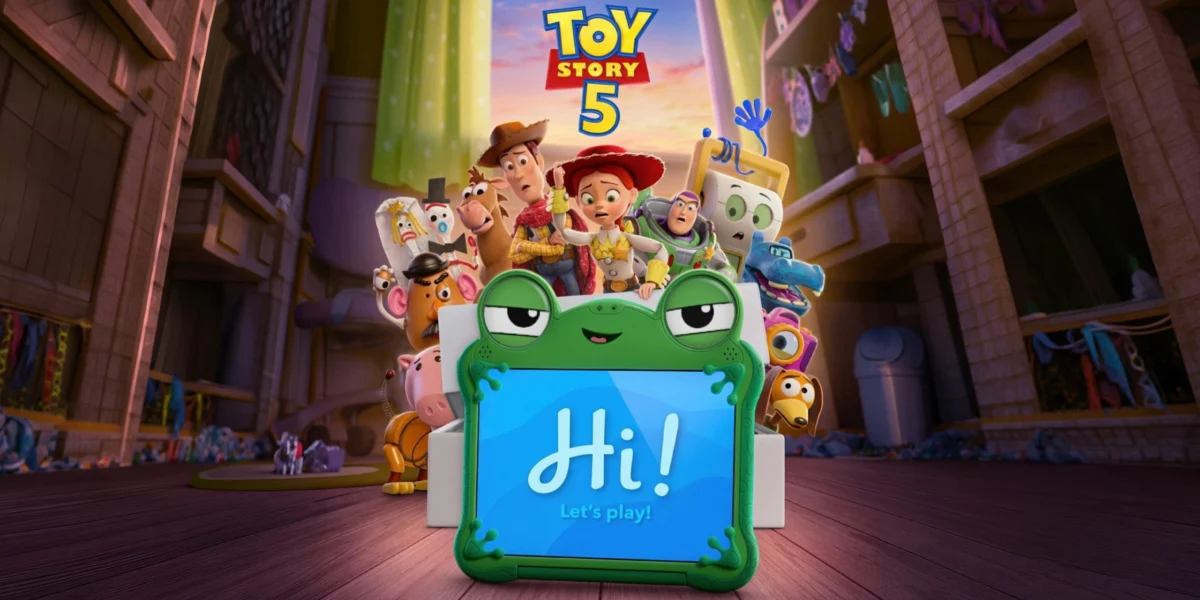
The primary narrative driver for Toy Story 5, as discussed by the Next Best Picture team, centers on the encroachment of modern technology on traditional playtime. The film explores how the toys—led by the iconic duo of Woody and Buzz Lightyear—navigate an era where their owner, Bonnie, is increasingly drawn to tablets, gaming consoles, and digital entertainment. This shift represents a significant thematic pivot for the series. While previous films focused on the fear of being replaced by "cooler" toys or the existential dread of a child outgrowing play entirely, Toy Story 5 addresses the specific challenge of the digital age.
The critics highlighted how the screenplay utilizes this conflict to mirror real-world parental and societal concerns regarding screen time and the loss of tactile, imaginative play. The panel analyzed how the film’s villain or central antagonistic force is framed not necessarily as a "bad" toy, but as the conceptual threat of digital obsolescence. This thematic depth is a hallmark of Stanton’s work, often characterized by a blend of high-concept science fiction and grounded emotional stakes.
Voice Cast and New Additions
The ensemble voice cast for Toy Story 5 remains one of the most star-studded in the history of the medium. Returning to their legendary roles are Tom Hanks as Woody and Tim Allen as Buzz Lightyear. The panel praised the consistency of these performances, noting that the chemistry between the two leads remains the emotional anchor of the franchise. They were joined by returning veterans including Joan Cusack (Jessie), Tony Hale (Forky), Annie Potts (Bo Peep), and Wallace Shawn (Rex).
However, much of the discussion focused on the expansive list of new and returning supporting voices. The cast includes Keanu Reeves, Greta Lee, and Bad Bunny, the latter of whom represents Pixar’s continued effort to diversify its voice talent and appeal to a global, multi-generational audience. The inclusion of veteran actors like Ernie Hudson and Alan Cumming, alongside comedic talents like Conan O’Brien and Craig Robinson, suggests a film that balances high-stakes drama with the series’ signature wit. The panel specifically noted the performance of Melissa Villaseñor and Kristen Schaal, who have become integral to the "Bonnie’s Room" era of the franchise.
Technical Achievement and Animation Standards
A significant portion of the podcast review was dedicated to the visual fidelity of the film. Since 1995, Pixar has used the Toy Story series to showcase its latest rendering capabilities. The critics observed that Toy Story 5 continues this trend, particularly in its depiction of various textures—plastic, plush, wood, and now, the glowing interfaces of digital devices. The contrast between the warm, "analog" feel of the toys and the cold, sleek aesthetic of modern electronics was cited as a major visual triumph.
Furthermore, the panel discussed the musical contributions to the film. While Randy Newman’s influence remains synonymous with the franchise, the inclusion of an original song by Taylor Swift was highlighted as a major talking point. The critics analyzed how Swift’s songwriting style integrates with the film’s themes of nostalgia and transition, potentially positioning the film for a strong showing in the Best Original Song category at the Oscars.
Industry Impact and Box Office Implications
The release of Toy Story 5 comes at a critical juncture for Pixar Animation Studios and its parent company, Disney. Following a period of mixed box office results for original properties like Strange World and Lightyear, Disney has pivoted toward established intellectual properties. The massive success of Inside Out 2 earlier this year demonstrated that there is still a significant appetite for sequels to beloved Pixar classics.
Market analysts suggest that Toy Story 5 is positioned to be one of the highest-grossing films of its release year. The Next Best Picture panel discussed the "sequel fatigue" argument, noting that while some fans feel the story was complete after the third or fourth film, the financial reality of the industry necessitates the continuation of successful brands. They argued that if the quality remains high—as they believe it has under Stanton’s direction—the audience will continue to show up.
Awards Season Outlook and Critical Reception
As a platform dedicated to the coverage of the Academy Awards and the film festival circuit, the Next Best Picture team provided a detailed "Awards Buzz" analysis for Toy Story 5. The franchise has a storied history with the Academy; it has won multiple Oscars and was the first animated series to have a sequel nominated for Best Picture.
The panel reached a consensus that Toy Story 5 is a formidable contender for the Best Animated Feature category. They also discussed its chances in technical categories such as Sound, Visual Effects, and the aforementioned Original Song. The screenplay, co-written by Stanton, was praised for its ability to find new emotional territory in a world that has been explored for nearly thirty years. The critics noted that the film’s ability to make adult audiences reflect on their own relationship with technology while providing slapstick humor for children remains Pixar’s "secret sauce."
Final Observations on the Franchise Legacy
In concluding their review, the contributors emphasized that Toy Story 5 succeeds by refusing to rest on the laurels of its predecessors. By introducing the "electronics vs. toys" conflict, the film justifies its existence in a way that feels contemporary rather than redundant. The panel reflected on the journey of these characters from Andy’s room to Sunnyside Daycare, and finally to Bonnie’s house, noting that the toys have become a mirror for the evolving stages of human life.
The Next Best Picture Podcast, part of the Evergreen Podcasts Network, continues to provide this type of granular analysis for major theatrical releases. Listeners are encouraged to engage with the full spoiler-filled episode to hear the specific arguments regarding the film’s ending and its implications for a potential Toy Story 6. As the film industry continues to grapple with the balance between original storytelling and franchise management, Toy Story 5 stands as a primary case study in how to extend a legacy with care and technical brilliance.