Bristol, UK – A new exhibition at Bristol’s M Shed museum is set to celebrate half a century of Aardman Animations, the beloved studio that has brought characters like Wallace and Gromit, Shaun the Sheep, and the Chicken Run flock to global prominence. While the eccentric inventor Wallace and his canine companion Gromit are famously denizens of the North of England, the studio’s enduring and deep-rooted connection to the South West of the UK is the central theme of this captivating display, located just a stone’s throw from Aardman’s own headquarters on Gas Ferry Road.
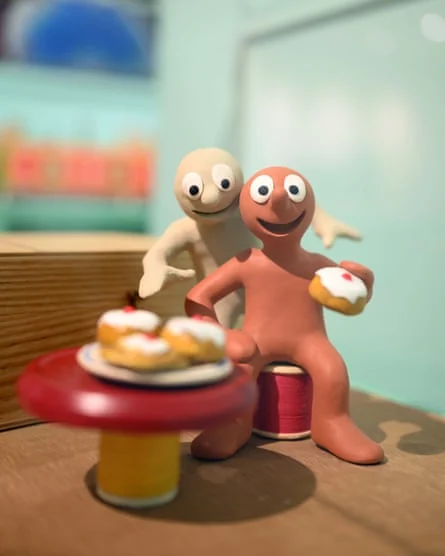
The exhibition, titled "50 Years of Aardman," offers an immersive journey through the studio’s remarkable trajectory, tracing its evolution from modest beginnings in Bristol to its status as an international animation powerhouse. It meticulously maps how Aardman first captured the nation’s imagination with the stop-motion claymation of Morph for the BBC children’s program "Take Hart" in the 1970s, before achieving worldwide acclaim with its subsequent creations. This landmark show not only showcases the iconic puppets and intricately crafted sets that have defined Aardman’s distinctive visual style but also delves into the studio’s unique creative ethos, which has consistently drawn inspiration from Bristol’s independent and often rebellious spirit.
A Bristolian Genesis and Global Phenomenon
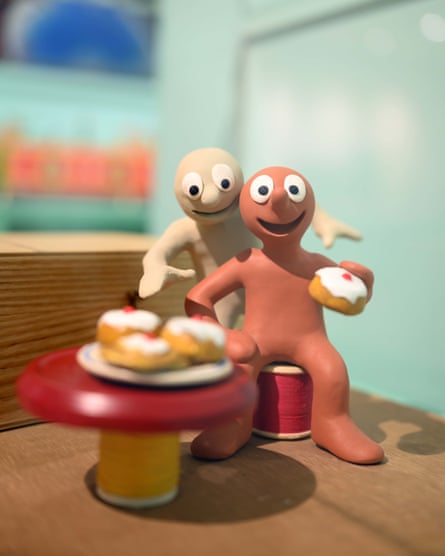
Aardman Animations was founded in 1972 by Peter Lord and David Sproxton. Their early work, including the groundbreaking claymation character Morph, laid the foundation for a studio that would redefine animated storytelling. The M Shed exhibition highlights this foundational period, showcasing how the studio’s early experiments in stop-motion animation, a notoriously time-consuming and intricate process, paved the way for future successes.
The exhibition meticulously chronicles Aardman’s rise, detailing its pivotal moments and the development of characters that have become household names. From the initial creation of Morph, a character whose simple yet expressive form was revolutionary for its time, to the global phenomenon that became "Wallace & Gromit," the exhibition underscores the studio’s consistent ability to connect with audiences through relatable characters and heartwarming narratives. The journey from local Bristol beginnings to international acclaim is a testament to the studio’s innovative spirit and its dedication to the craft of animation.
Ngaio Harding-Hill, Director of Attractions, Live Experiences, and Archive at Aardman, emphasized the intrinsic link between the studio’s output and its geographical roots. "We’ve always had a creative identity that celebrated independence," Harding-Hill stated. "I think the spirit of Bristol has always permeated our productions." This independent streak, often characterized by a touch of quirky humour and a willingness to embrace the unconventional, has become a hallmark of Aardman’s storytelling. The exhibition aims to illuminate how this local flavour has resonated with a global audience, proving that unique regional identities can indeed achieve universal appeal.

The South West Influence: Beyond the Studio Walls
A key focus of the exhibition is the demonstrable influence of the South West of England on Aardman’s creations. Far from being merely a backdrop, the region’s landscapes, architecture, and even its local products have been subtly woven into the fabric of Aardman’s animated worlds. This element of the exhibition is particularly designed to delight long-time residents of Bristol and the surrounding areas, offering a treasure trove of familiar references.
For instance, the grimy railway arches that feature in one of the "Shaun the Sheep" adventures are directly inspired by Bristol Temple Meads railway station, a prominent landmark in the city. This showcases how the studio draws inspiration from its immediate surroundings, transforming everyday scenes into fantastical settings. Similarly, Tottington Hall, a pivotal location in the Oscar-winning film "Wallace & Gromit: The Curse of the Were-Rabbit," was meticulously modelled on Montacute House, a magnificent late Elizabethan mansion located in Somerset, south of Bristol. These examples illustrate Aardman’s commitment to grounding its fantastical narratives in tangible, often locally recognisable, architectural and geographical elements.
Even subtler nods to Bristol’s heritage are present. Within a "Chicken Run" set, visitors can spot a tin of "Fly’s Cocoa," a clever and affectionate homage to Fry’s, the renowned chocolate maker that was founded in Bristol and played a significant role in the city’s industrial history. These Easter eggs serve as a delightful connection for those familiar with Bristol’s past, adding another layer of appreciation for the studio’s meticulous attention to detail and its deep connection to its hometown.
Preserving a Legacy: From Fire to Future Films
The exhibition also addresses the studio’s resilience, particularly in the wake of a devastating fire in 2005 that destroyed much of Aardman’s archive, including countless puppets and sets. A poignant highlight is the inclusion of a flying machine built for "Chicken Run." This particular artifact remarkably survived the blaze, having been stored in the garage of a production team member and returned to the studio after the fire. Its presence in the exhibition is a powerful symbol of the studio’s ability to overcome adversity and rebuild its legacy.
Adding to the excitement, the exhibition features a never-before-seen set from the upcoming 2024 film "Wallace & Gromit: Vengeance Most Fowl." This sneak peek offers a glimpse into the continued adventures of the beloved duo and their arch-nemesis, Feathers McGraw. The inclusion of material from a current production underscores Aardman’s ongoing commitment to innovation and its forward-looking approach to animation, even as it celebrates its rich history.
Steve Bradley, an exhibitions and displays manager involved in the show’s curation, spoke about the immense responsibility of safeguarding such a significant collection of cultural artifacts. He expressed particular admiration for the more "gritty" sets, such as one featuring an overflowing skip and a barbed wire fence adorned with tiny plastic bags. "Even though they are gritty in nature, they’re still beautiful," Bradley remarked. "The craftsmanship is extraordinary." This sentiment highlights the artistic merit inherent in Aardman’s work, where even the mundane or unappealing elements are rendered with exceptional skill and aesthetic consideration.
Inspiring the Next Generation of Creators
Beyond celebrating its past achievements, the exhibition is strategically designed to inspire the next generation of animators and creative professionals. Harding-Hill articulated this ambition: "Over the 50 years, we’ve been able to develop a great creative community in the city. We hope the exhibition will make people think about a career in the creative industries. If you’ve got a story, got an idea, you can make it happen." This forward-looking perspective is crucial, as Aardman continues to foster talent and push the boundaries of animation.
The exhibition provides a tangible demonstration of the pathways into the creative sector, showcasing the diverse skills required – from sculpting and model-making to storytelling and digital animation. By making these processes accessible and engaging, Aardman aims to demystify the industry and encourage young people to pursue their creative aspirations. The success of Aardman itself, born from a passion for storytelling and a commitment to craft, serves as a powerful testament to what can be achieved with dedication and imagination.
A Celebration of Joy and Community
The opening weekend of the exhibition has already seen a surge in interest, with tickets selling out rapidly. This enthusiastic reception reflects the enduring affection audiences hold for Aardman’s characters and the positive impact their stories have had. For those wishing to take a piece of Aardman magic home, a range of limited-edition merchandise, including badges, key rings, and jewellery, will be available for purchase.
Adding to the immersive experience, the M Shed cafe has been transformed into an Aardman-themed culinary destination. Visitors can enjoy pasta and sandwiches specially designed to evoke the spirit of the studio, with a generous nod to Wallace’s favourite cheese, Wensleydale, a recurring motif in his adventures.
Helen McConnell Simpson, a Senior Curator of History at Bristol Museums, commented on the exhibition’s significance within the broader context of the museum’s programming. She noted that while M Shed has historically tackled complex and sometimes challenging subjects, such as the controversy surrounding the statue of slave trader Edward Colston, it is particularly heartening to host an exhibition that is fundamentally about joy and celebration. "The world is a difficult place at the moment, and it’s great to have something based on warmth and community and creativity and fun," she remarked. This sentiment underscores the universal appeal of Aardman’s work and its capacity to bring people together through shared enjoyment and a sense of optimistic possibility.
The "50 Years of Aardman" exhibition at the M Shed is more than just a retrospective; it is a vibrant celebration of a studio’s enduring legacy, its deep connection to its South West roots, and its continuous ability to inspire, entertain, and bring a touch of warmth and wonder to the world. It stands as a testament to the power of creativity, the enduring appeal of well-crafted characters, and the unique spirit that has made Aardman a cherished institution for half a century.