The Narrative Foundation of Season 2
The second season of Sugar picks up in the aftermath of the significant narrative shift that concluded the first season. For viewers who followed the initial eight episodes, the revelation that John Sugar and his associates were part of an extraterrestrial observation mission fundamentally altered the stakes of the series. While the first season functioned primarily as a neo-noir homage with a late-game genre pivot, Season 2 integrates these elements more seamlessly into a cohesive narrative structure.
John Sugar has chosen to forgo his opportunity to return to his home planet, driven by a lingering hope to find his missing sister, Djen. This decision has left him in a state of existential isolation, functioning as a "lonely wanderer" in Los Angeles. To mitigate his internal turmoil, Sugar immerses himself in a new missing persons case involving Danny Moon, an up-and-coming boxer played by Jin Ha. The objective is to locate Danny’s brother, Ji Moon, portrayed by Raymond Lee. What begins as a standard search for a missing relative quickly escalates into a complex conspiracy. The investigation leads Sugar into a labyrinthine underworld involving the Los Angeles County Sheriff’s Department, organized crime syndicates, and the illicit drug trade.
Production Leadership and Creative Continuity
A significant shift in the production of Season 2 is the elevation of Sam Catlin to the role of showrunner. Catlin, whose previous credits include high-profile projects such as Breaking Bad and Preacher, brings a disciplined approach to the series’ pacing and narrative development. While the first season was noted for the distinct visual flair of filmmaker Fernando Meirelles, Catlin’s tenure is characterized by a more grounded, procedural-heavy execution.
This change in leadership has resulted in a more efficient narrative flow. The second season manages to balance the immediate requirements of the Ji Moon investigation with the broader, overarching mythology regarding Sugar’s alien origins and the shadowy organizations that monitored his people. While some of the more eccentric science fiction elements are occasionally relegated to the background to favor the detective narrative, they serve as essential context for Sugar’s emotional state and his evolving relationship with humanity.
The Stylistic Language of Neo-Noir
One of the defining characteristics of Sugar remains its deep-seated reverence for classic cinema. The series continues to utilize a unique editing style that intersperses clips from iconic films—such as Robert Rossen’s The Hustler—with the modern-day action. This technique serves as a visual representation of Sugar’s internal processing, as he views the world through the lens of the films he loves.
Despite the absence of Meirelles’ specific directorial touch, the series maintains a high level of visual sophistication. However, critics have noted the emergence of a "glossy sheen" that has become synonymous with Apple Original Series programming. This aesthetic, while polished, moves the show away from the gritty, experimental roots of its first season toward a more standardized, high-budget streaming look. The use of Farrell’s voiceover narration remains a central pillar of the show’s identity, providing a noir-inflected perspective that bridges the gap between the 1940s detective archetype and the contemporary setting of Los Angeles.
Character Development and Performance Analysis
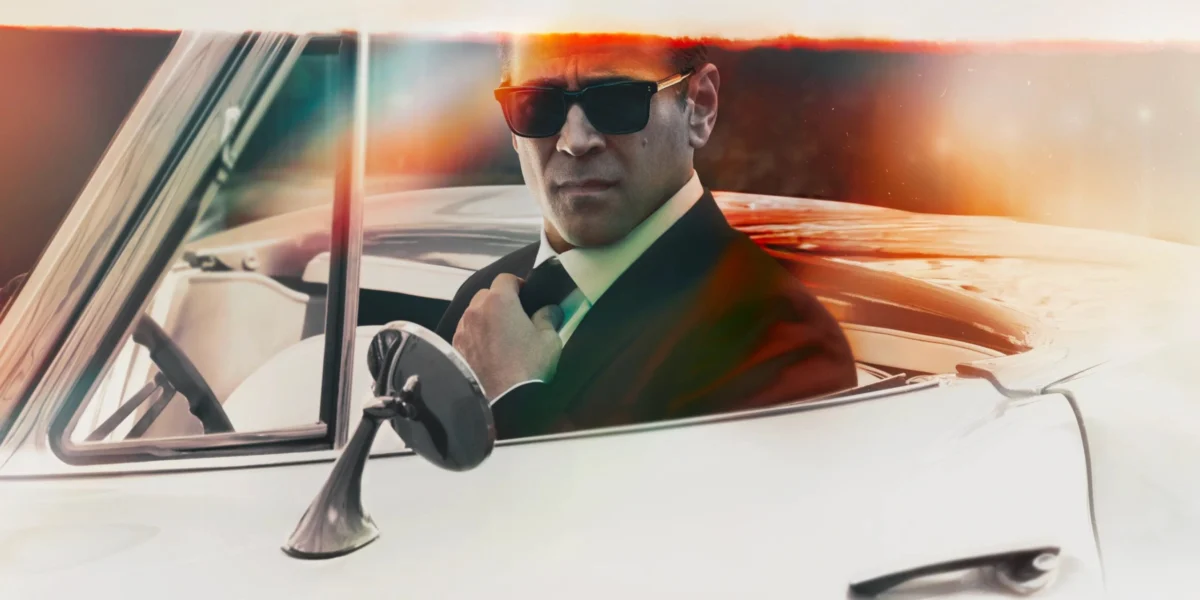
Colin Farrell’s performance continues to be the primary anchor of the series. Farrell portrays John Sugar with a blend of sincere curiosity and weary professionalism. In Season 2, the character’s prolonged exposure to human emotions and social structures begins to erode his detached, observational facade. This "crisis of belief" allows Farrell to explore more nuanced layers of the character, moving beyond the charismatic "cool" of the first season to reveal a protagonist who is increasingly vulnerable.
The introduction of new supporting characters provides additional friction for Sugar. Laura Donnelly joins the cast as Charlotte Fischer, a resident of the hotel where Sugar resides. The developing intimacy between Sugar and Fischer serves as a narrative device to highlight Sugar’s struggle with human connection. His inability to fully engage in intimacy without compromising his secret identity provides a compelling emotional subplot that complements the central mystery.
A New Antagonist: The Introduction of Lieutenant Ray Vega
A pivotal addition to the Season 2 cast is Tony Dalton, who portrays Lieutenant Ray Vega of the Los Angeles County Sheriff’s Department. Dalton, widely recognized for his portrayal of Lalo Salamanca in Better Call Saul, brings a similar "nefarious magnetism" to the role of Vega. As a powerful figure who consistently obstructs Sugar’s investigation, Vega serves as a formidable tactical and moral foil.

The conflict between Sugar and Vega elevates the tension of the season, placing Sugar on the defensive in a way that the first season’s antagonists rarely achieved. This dynamic shifts the show from a simple "detective versus criminal" narrative to a more complex exploration of systemic corruption and the limitations of Sugar’s unique abilities. The inclusion of veteran character actor Shea Whigham further bolsters the ensemble, providing a grounded presence that helps anchor the more fantastical elements of the plot.
Technical Execution and the Apple TV Aesthetic
From a technical standpoint, Sugar Season 2 adheres to the high production standards established by Apple TV+. The cinematography captures the diverse landscape of Los Angeles, from the neon-lit streets of Hollywood to the stark, industrial areas associated with the city’s criminal underbelly. The series’ commitment to its "film buff" identity is reflected in the meticulous selection of classic movie references, which are integrated with a level of precision that suggests a deep respect for the medium.
However, the shift toward a more traditional "prestige television" visual style has drawn comparisons to the programming strategies of competitors like Netflix. While the first season felt like a singular, auteur-driven experiment, the second season feels more like a component of a broader brand identity. This does not necessarily diminish the quality of the production, but it does mark a transition toward a more conventional serialized format.
Industry Context: Apple’s Strategic Positioning
The renewal and release of Sugar Season 2 reflect Apple TV+’s broader strategy of investing in genre-bending content led by established A-list talent. Since its launch in 2019, Apple’s streaming service has prioritized "quality over quantity," often greenlighting projects that offer a unique twist on established genres. Sugar fits this mold by combining the reliable appeal of the private investigator trope with the high-concept intrigue of science fiction.
Data regarding streaming performance indicates that "neo-noir" remains a consistent draw for suburban and urban demographics, particularly when paired with a recognizable lead like Colin Farrell. By maintaining a 7/10 critical standing, Sugar occupies a middle-tier position in the Apple TV+ library—not quite reaching the cultural zeitgeist of hits like Ted Lasso or Severance, but providing a stable, high-quality option for fans of character-driven mysteries.
Timeline of the Sugar Franchise
The development of Sugar has followed a deliberate timeline:
- December 2021: Apple TV+ wins a competitive bidding war for the series, then titled "Sugar," with Colin Farrell attached to star.
- April 2024: Season 1 premieres to positive reviews, specifically highlighting the "genre-shattering" twist in the penultimate episodes.
- Late 2024: Production on Season 2 commences with Sam Catlin taking over showrunning duties from creator Mark Protosevich.
- 2025/2026 Release Window: Season 2 debuts, focusing on the search for Ji Moon and the deepening conspiracy in Los Angeles.
Broader Implications for Serialized Storytelling
Sugar Season 2 serves as a case study in how a series can evolve after a major narrative revelation. The challenge for the writers was to maintain the momentum of the "alien reveal" without allowing it to overshadow the detective work that defines the show’s tone. By leaning into a more grounded mystery while keeping the sci-fi elements as a psychological backdrop, the series manages to sustain interest without becoming overly reliant on gimmicks.
The ending of the second season suggests that the creative team is prepared for further expansion, leaving several narrative threads open regarding the fate of Sugar’s sister and the ultimate intentions of the alien observers. While the series may not be a frontrunner for major industry awards such as the Emmys, it remains a robust example of how streaming platforms can support niche, high-concept storytelling that appeals to a sophisticated audience.
In conclusion, Sugar Season 2 successfully doubles down on the elements that made its debut season a standout, even as it transitions toward a more streamlined and grounded approach. Through Farrell’s nuanced performance and a tightened narrative focus, the series confirms its place as a unique, if occasionally eccentric, entry in the modern television landscape. For viewers who appreciate the intersection of hardboiled detective fiction and speculative storytelling, John Sugar’s continued journey through the streets of Los Angeles remains a compelling watch.