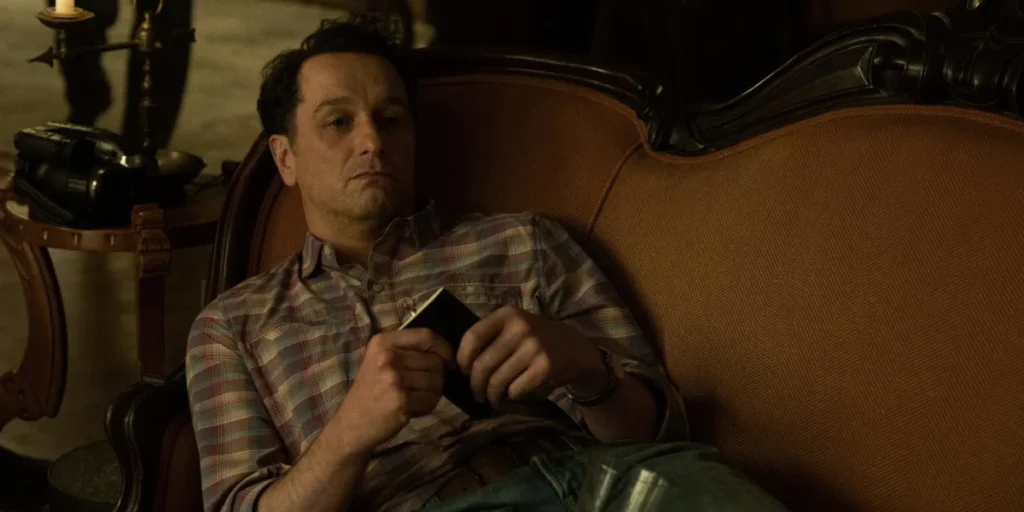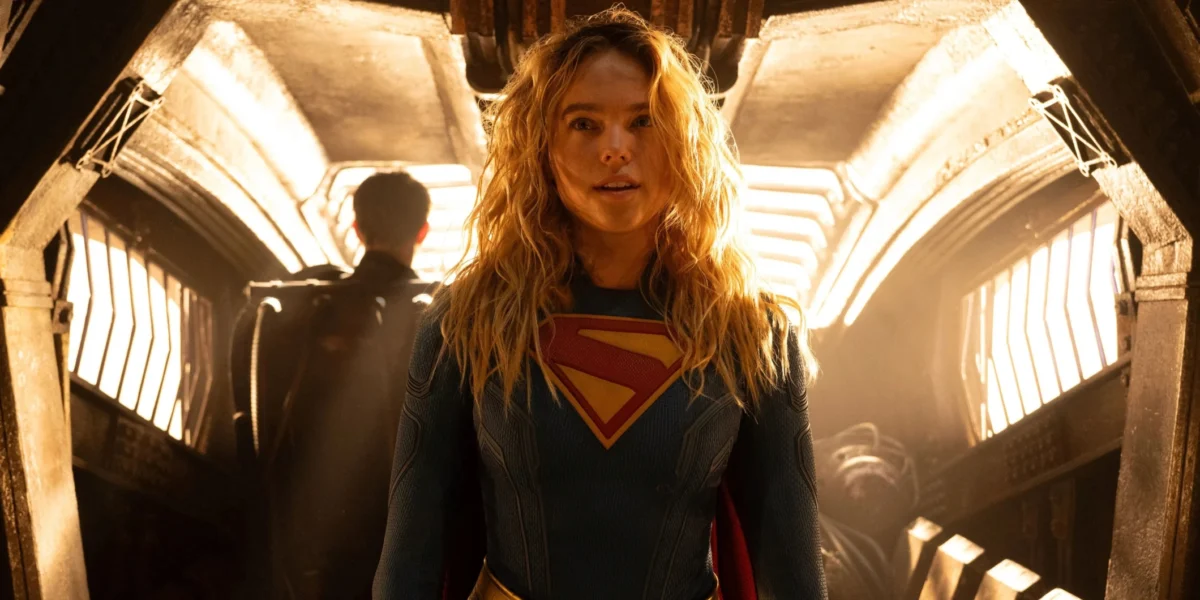
The release of the 2026 feature film Supergirl marks a significant milestone in the restructuring of the DC Universe (DCU) under the leadership of DC Studios co-CEOs James Gunn and Peter Safran. As a direct spin-off from the 2025 Superman revival, which featured David Corenswet in the titular role, this production represents the second major theatrical pillar in the "Chapter One: Gods and Monsters" slate. Directed by Craig Gillespie and written by Ana Nogueira, the film attempts to redefine one of the most iconic figures in the DC pantheon, moving away from traditional superhero tropes toward a grittier, interstellar revenge narrative. However, the film’s reception and technical execution have prompted extensive discussion regarding the creative direction of the franchise and the challenges of balancing character-driven storytelling with large-scale visual effects.
Historical Context and Franchise Evolution
The 2026 iteration of Supergirl arrives forty-two years after the character’s first solo cinematic venture. The 1984 film, starring Helen Slater, was a spin-off of the Christopher Reeve-led Superman series and featured a high-profile supporting cast including Faye Dunaway, Mia Farrow, and Peter O’Toole. Despite its pedigree, the 1984 production was a critical and commercial failure, grossing approximately $14 million against a $35 million budget. In the decades since, the character has primarily found success on television, most notably in the long-running series starring Melissa Benoist.
The current cinematic reboot seeks to distance itself from the camp-heavy legacy of the 1980s and the optimistic tone of television adaptations. The 2026 film is largely based on the critically acclaimed 2021-2022 comic book miniseries Supergirl: Woman of Tomorrow, written by Tom King and illustrated by Bilquis Evely. This source material significantly informs the film’s narrative structure, presenting Kara Zor-El not as a secondary hero in the shadow of her cousin, but as a hardened survivor navigating the trauma of her planet’s destruction.
Production Timeline and Development
The development of the current Supergirl project was fast-tracked following the reorganization of DC Studios in late 2022. The following timeline outlines the key stages of the production:
- January 2023: James Gunn officially announces Supergirl: Woman of Tomorrow as part of the initial DCU slate, emphasizing a "hardcore" sci-fi approach.
- November 2023: Ana Nogueira is officially hired to pen the screenplay, a move that surprised some industry insiders as she was originally brought on to write a Supergirl script for the previous executive regime.
- January 2024: Milly Alcock, known for her breakout role in HBO’s House of the Dragon, is cast as Kara Zor-El following an extensive screen-testing process.
- April 2024: Craig Gillespie, director of I, Tonya and Cruella, is confirmed to direct.
- July 2025: Alcock makes her first appearance as Supergirl in a cameo role in the Superman reboot, establishing her character’s distinct personality.
- 2026: The solo film is released globally, clocking in at a running time of 108 minutes.
Narrative Architecture and Character Dynamics
The film’s plot diverges from the typical origin story. Instead of arriving on Earth and learning to use her powers, Kara Zor-El is introduced as a cynical, world-weary traveler. The narrative begins with a montage of Kara’s adventures on various planets under red suns. Unlike yellow suns, which grant Kryptonians god-like abilities, red suns render them essentially human, allowing Kara to engage in self-destructive behaviors—including heavy drinking—to cope with the loss of Krypton.
The central conflict is initiated when Kara is approached by Ruthye, portrayed by Eve Ridley. Ruthye is a young alien girl seeking a mercenary to help her track down Krem, a ruthless space ravager played by Matthias Schoenaerts. Krem is responsible for the murder of Ruthye’s father, and the young girl’s quest for vengeance provides the catalyst for Kara to re-engage with the universe. This "lone wanderer and child" dynamic has been noted by critics as a departure from traditional superhero storytelling, drawing comparisons to Westerns and samurai cinema.
Technical Execution and Visual Aesthetics
One of the most praised aspects of the production is its commitment to practical effects and creature design. The film features a diverse array of non-human species, many of which were brought to life through elaborate puppetry, prosthetic makeup, and physical costumes. These designs, which avoid the "humanoid with face paint" trope common in sci-fi, have been cited as a creative high point. The antagonist, played by Matthias Schoenaerts, underwent a complete physical transformation involving intricate makeup and dental prosthetics to achieve a menacing, unrecognizable appearance.
However, the film’s cinematography and lighting have become points of contention among technical analysts. Reports indicate that much of the film suffers from low-key lighting that borders on the impenetrable. This visual style, characterized by excessive backlighting and lens flares, has been criticized for obscuring the very practical effects the production team worked to create. Industry experts suggest that this "dark" aesthetic may have been a post-production choice intended to mask CGI compositing issues, as the digital effects have been described as uneven in quality compared to the practical elements.
Casting and Performance Analysis
Milly Alcock’s portrayal of Kara Zor-El has been widely regarded as the film’s strongest asset. Observers have noted that Alcock brings a "star-making" energy to the role, balancing the character’s outward hostility with a palpable sense of internal grief. This version of Supergirl is deliberately contrasted with David Corenswet’s Superman; while Superman represents an idealized version of the immigrant experience—assimilated and hopeful—Supergirl represents the survivor’s guilt of a refugee who remembers exactly what was lost.
The supporting cast features several high-profile additions, most notably Jason Momoa as Lobo. Momoa, who previously played Aquaman in the former DC Extended Universe (DCEU), transitions to this new role as a ruthless bounty hunter. While his inclusion was intended to provide a "scene-stealing" comedic element, early critical responses have been mixed, with some suggesting the character’s cynical humor feels repetitive within the broader context of the film’s grim tone. David Krumholtz and Emily Beecham also appear in supporting roles, contributing to the film’s ensemble-driven cosmic underworld.
Critical Reception and Market Impact
The 2026 Supergirl film has sparked a polarized response from both critics and audiences. While Alcock’s performance and the imaginative creature designs have been lauded, the direction by Craig Gillespie and the screenplay by Ana Nogueira have faced scrutiny. A recurring criticism is that the film attempts to emulate the "quippy" and sardonic tone of Marvel’s Guardians of the Galaxy without successfully landing its comedic beats. Given that James Gunn directed the Guardians trilogy, the stylistic overlap was expected, but some analysts argue that the execution in Supergirl feels derivative rather than inspired.
From a market perspective, the film serves as a test case for the viability of "R-rated" or "mature-themed" superhero spin-offs within a shared universe. By focusing on a 108-minute interstellar journey rather than a traditional Earth-bound epic, DC Studios is signaling a willingness to experiment with genre. However, the film’s visual shortcomings and narrative pacing issues have led to discussions about whether the studio is prioritizing quantity and world-building over technical polish.
Broader Implications for the DC Universe
The implications of Supergirl’s performance are significant for the future of the DCU. As the franchise moves toward its next major crossover events, the character of Kara Zor-El is expected to play a central role. The film successfully establishes her as a powerful, albeit volatile, force within the galaxy, setting the stage for future interactions with the Justice League.
Furthermore, the film’s focus on the "cosmic" side of the DC Universe—taking place entirely off-planet—expands the scope of the franchise beyond the confines of Metropolis and Gotham City. This allows for a broader exploration of DC’s alien lore, including the Green Lantern Corps and other interstellar factions.
In conclusion, the 2026 Supergirl film is a complex addition to the modern superhero landscape. It succeeds as a showcase for Milly Alcock’s talent and as a creative exercise in creature design, yet it struggles with visual clarity and tonal consistency. As DC Studios continues to build its new cinematic world, the lessons learned from this production’s technical hurdles and narrative choices will likely influence the development of subsequent chapters in the "Gods and Monsters" saga. Whether this version of Supergirl achieves a lasting legacy or follows the path of its 1984 predecessor remains a subject of ongoing industry debate.