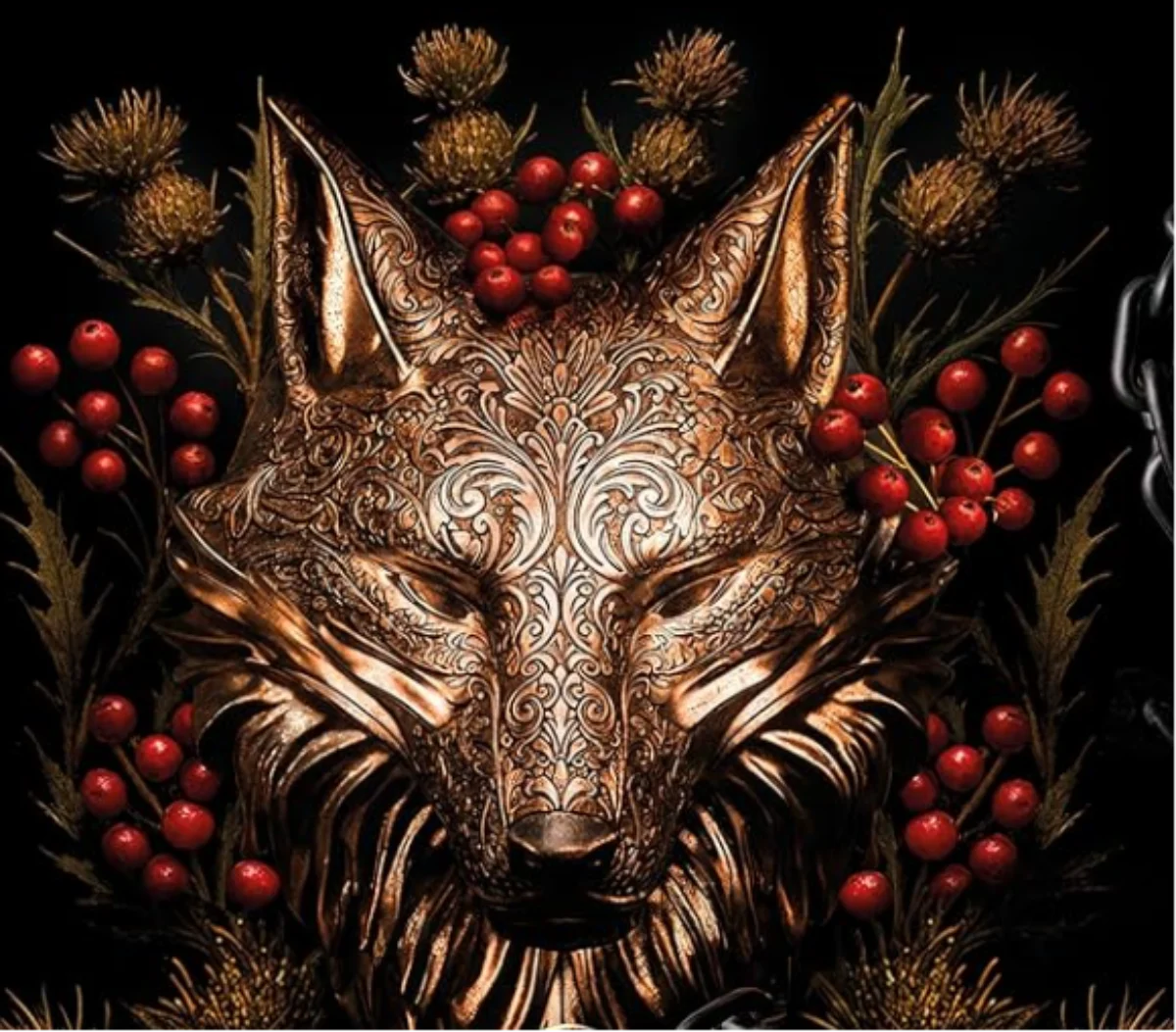
The burgeoning landscape of television adaptations continues to expand, with Starz announcing development on a series based on Lauren Palphreyman’s popular "The Wolf King" novel and its subsequent installments. The project, which also encompasses two sequels, one of which is yet to be published, signals a continued investment by the premium cable network in genre storytelling, particularly within the increasingly popular romantasy subgenre. Tanya Saracho, known for her critically acclaimed work on "Vida" and her contributions to "How to Get Away With Murder," is attached to develop the adaptation, bringing her proven track record in crafting nuanced character-driven narratives. Palphreyman herself is set to serve as an executive producer, offering a direct link to the source material and its established narrative voice.
The Allure of "The Wolf King" and Its Narrative Foundation
"The Wolf King" centers on a compelling premise: a princess finds herself entangled with an alpha wolf, leading to a "forbidden attraction." This core romantic tension, interwoven with elements of fantasy and conflict, has resonated with a significant readership. The novel initially gained traction as an independent release, eventually leading to print rights being acquired by Bloom Books in the U.S., with international publishing deals following suit. This trajectory from independent success to mainstream adaptation underscores the evolving pathways for authors and the increasing willingness of major studios to explore diverse literary origins.
The synopsis for "The Wolf King" paints a vivid picture of the unfolding drama:
Princess Aurora longs to escape the castle and the marriage that has been arranged for her. But on the night before her wedding, at a dog fight where captured werewolves are made to fight for sport, she spares the life of a young wolf. It puts her on the radar of the powerful alpha who was going to kill him. And it changes everything. That night, when the alpha escapes, he kidnaps her and takes her to the rugged lands north of the border – where the once warring werewolf clans are beginning to unite. He thinks that she is the key to winning the war against the humans. Only, as they spend time around one another, forbidden attraction starts to grow. And as Aurora learns that not all wolves are bad, the alpha discovers that she is in danger from both his enemies, and those he once considered friends. With monsters on both sides, a bloodthirsty war between humans and wolves raging, and undeniable passion growing between them – will their story end in love? Or tragedy? And will Aurora ever get home? Does she even want to?
This synopsis highlights several key narrative drivers: a classic tale of captivity and burgeoning romance, a deep-seated interspecies conflict, and the internal struggles of characters caught between loyalty and desire. The presence of multiple sequels suggests a potential for an extended series, allowing for the exploration of complex world-building and character development over multiple seasons.
Industry Context and the Rise of Romantasy Adaptations
The acquisition of "The Wolf King" by Starz comes at a pivotal moment for the television industry, marked by a fervent pursuit of intellectual property that can capture large and engaged audiences. The romantasy genre, a blend of romance and fantasy, has seen a meteoric rise in popularity over the past few years, driven by a confluence of factors including social media trends, dedicated fan communities, and a growing demand for escapist storytelling.
Platforms like TikTok have played a significant role in popularizing romantasy literature, with BookTok creators championing titles and driving sales. This organic digital momentum often translates into tangible interest from Hollywood, as seen with adaptations of works by authors like Sarah J. Maas, Jennifer L. Armentrout, and Rebecca Yarros. Starz’s move to develop "The Wolf King" aligns with this broader industry trend, indicating a strategic effort to tap into a proven and expanding market segment. The network has previously demonstrated a commitment to genre programming with shows like "Outlander," which, while not strictly romantasy, shares an audience that appreciates epic storytelling and romantic elements.
The Role of Tanya Saracho in the Adaptation Process
Tanya Saracho’s involvement is a significant indicator of the project’s potential. Her work on "Vida" earned critical acclaim for its authentic portrayal of Latinx culture and its sophisticated exploration of identity, family, and community. Her writing on "How to Get Away With Murder" showcased her ability to navigate complex plotlines and maintain suspense. This dual experience suggests that Saracho is well-equipped to handle the intricate world-building and emotional depth required for "The Wolf King."
In a statement provided to Deadline, Saracho expressed her deep connection to the source material, noting, "This book has been my obsession since I first found it as an indie release over a year ago, and I’ve been lovingly championing it ever since." This personal investment signals a passionate commitment to translating Palphreyman’s vision to the screen, a crucial element for successful book-to-screen adaptations. Her role as developer implies she will be instrumental in shaping the narrative, tone, and overall creative direction of the series.
The Path Forward: Production and Casting Speculation
As of the latest reporting, no specific casting decisions or production timelines have been announced for "The Wolf King" adaptation. This is typical for projects in the early development stages. The next steps will likely involve the hiring of a writing staff, the development of a pilot script, and the crucial process of casting the principal roles of Princess Aurora and the alpha wolf.
The success of such an adaptation will hinge on several factors:
- Authenticity to Source Material: Maintaining the core appeal of Palphreyman’s novel, including its romantic tension and fantasy elements, will be paramount for satisfying the existing fanbase.
- Casting Chemistry: The dynamic between the actors portraying Aurora and the alpha wolf will be central to the series’ success. Finding performers who can convincingly embody the forbidden attraction and escalating emotional stakes will be critical.
- Visual Storytelling: The creation of a compelling visual world for the werewolf clans and their conflict will be essential. The production design, cinematography, and visual effects will play a significant role in bringing the fantasy elements to life.
- Narrative Pacing and Expansion: Successfully adapting a novel, especially one with sequels, requires careful consideration of pacing and how to expand the narrative to sustain interest over a television season. The inclusion of the as-yet-unpublished sequel suggests an ambitious plan for the series’ future.
Broader Implications for the Romantasy Market
The development of "The Wolf King" at Starz has broader implications for the romantasy genre and its presence in mainstream media. It signals a continued validation of the genre’s commercial viability and artistic potential. As more romantasy novels are optioned and adapted, it creates opportunities for a wider range of authors and stories to reach new audiences. This trend also contributes to the ongoing diversification of storytelling on television, bringing narratives that often center female protagonists and explore themes of power, desire, and self-discovery to a broader viewership.
The success of this adaptation could further encourage networks and streaming services to invest in similar projects, potentially leading to a more robust and diverse slate of fantasy and romance-infused television shows. The journey of "The Wolf King" from an independent online sensation to a Starz development project exemplifies the dynamic and evolving nature of the entertainment industry, where passionate storytelling and dedicated fan bases can pave the way for significant screen adaptations. The coming months will undoubtedly bring further news regarding the casting and production of this highly anticipated series.