The beloved Star Trek series, Star Trek: Strange New Worlds, has officially announced its Season 4 premiere date, slated for July 23rd on Paramount+. This swift return for Captain Pike and the crew of the U.S.S. Enterprise comes as a welcome surprise to fans, who are accustomed to longer waits between seasons in the modern television landscape. The announcement was accompanied by a teaser trailer that, while characteristically vague, offers tantalizing glimpses into the adventures that await.
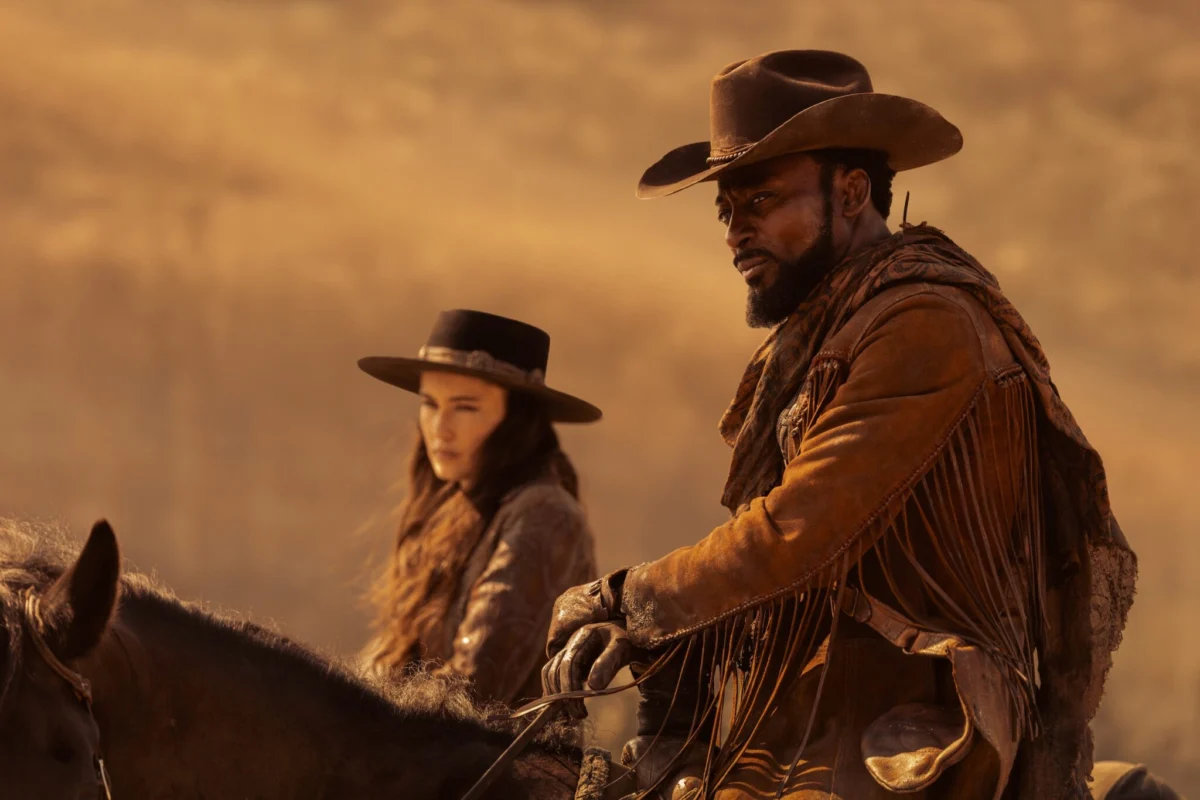
The trailer showcases iconic moments, including Captain Kirk, portrayed by Paul Wesley, in moments of distress and emotional connection with Spock, played by Ethan Peck. Intriguingly, the crew is depicted in attire reminiscent of the American West, hinting at a thematic exploration or a unique setting for an upcoming episode. La’an (Christina Chong) delivers a somber warning, suggesting that any mission could be their last, underscoring the inherent dangers of deep space exploration. The trailer also features a memorable visual of a Tyrannosaurus Rex, promising a dose of classic Star Trek creature-feature elements.
A Rapid Return for the Enterprise Crew
Star Trek: Strange New Worlds concluded its third season in September, a notably short turnaround to its Season 4 debut. This accelerated production schedule is a testament to the series’ popularity and the creative team’s efficiency. Unlike many contemporary streaming shows that suffer from lengthy production cycles, Strange New Worlds is demonstrating a commitment to delivering content at a pace that rewards its dedicated fanbase.
The official synopsis for Season 4, released alongside the trailer, paints a broad picture of the upcoming narrative: "In season four of the Paramount+ Original Series, the crew of the U.S.S. Enterprise – led by Captain Christopher Pike – embark on a series of thrilling and emotional adventures across the stars. As they journey to strange new worlds, they will battle inner demons and external threats, encounter colorful new characters, reunite with familiar faces and confront terrifying aliens. Through it all, they strive to embrace a bright, hopeful future."
Evolving Narrative Structure and Genre Exploration
Co-showrunner Akiva Goldsman has indicated a strategic shift in the upcoming season’s structure. In a previous interview, Goldsman suggested that Season 4, and the subsequently announced shortened fifth and final season, will feature "fewer one-off concept episodes" compared to Season 3. This implies a greater emphasis on serialized storytelling and potentially deeper character arcs. Season 3 was noted for its ambitious genre-hopping, cramming a diverse range of narrative styles into its 10 episodes, from comedic to dramatic, and even experimental. While this approach garnered attention, it also led to some perceived inconsistencies.
Despite the move towards a more cohesive narrative, the teaser hints that the show will not shy away from embracing unique and even whimsical elements. The confirmation that "there will be puppets" suggests that the series will continue to leverage creative storytelling devices to explore its themes, potentially offering a visually distinctive episode that harks back to classic Star Trek installments known for their inventive approaches.
The Core Ensemble and Returning Favorites
The core cast of Star Trek: Strange New Worlds is set to return, anchored by Anson Mount as the philosophical Captain Christopher Pike. Rebecca Romijn reprises her role as the stoic Number One, Una Chin-Riley. The bridge crew is fleshed out by Celia Rose Gooding as the resourceful Nyota Uhura, Jess Bush as the compassionate Christine Chapel, Melissa Navia as the spirited Erica Ortegas, Babs Olusanmokun as the brilliant Dr. Joseph M’Benga, and Martin Quinn as the ingenious Montgomery Scott.
Paul Wesley’s continued presence as Captain Kirk, even in a guest star capacity, is a significant draw. His portrayal of Kirk in the series has offered a nuanced perspective on the character, distinct from previous iterations. Ethan Peck’s Spock, known for his compelling internal struggles and profound connection with Pike, remains a central figure. Christina Chong’s La’an Noonien-Singh, with her complex past and unwavering loyalty, is also a vital component of the ensemble. The return of Carol Kane as the eccentric and wise Pelia is also a welcomed prospect for fans who have embraced her unique contributions to the series.
Background and Context: The Resurgence of Classic Trek
Star Trek: Strange New Worlds emerged as a direct continuation of the narrative threads established in Star Trek: Discovery, focusing on Captain Pike’s tenure aboard the U.S.S. Enterprise prior to Captain Kirk. The series was greenlit in May 2020, a move that signaled a strategic investment by CBS All Access (now Paramount+) in expanding the Star Trek universe with a focus on more traditional, episodic storytelling.
The series premiered on May 5, 2022, and was met with critical acclaim for its return to the exploratory spirit and optimistic tone that characterized the original Star Trek series. The show has been lauded for its character development, its ability to balance classic Star Trek themes with modern sensibilities, and its commitment to diverse representation. The production team, including executive producers Alex Kurtzman, Akiva Goldsman, and Jenny Lumet, has been instrumental in shaping this new vision for the franchise.
The success of Strange New Worlds can be seen as part of a broader trend in the Star Trek franchise, which has seen a significant expansion on Paramount+ since 2017. Alongside Discovery, the platform has introduced Star Trek: Picard, Star Trek: Lower Decks, Star Trek: Prodigy, and Star Trek: Section 31 (forthcoming), each catering to different facets of the Star Trek fandom. However, Strange New Worlds has distinguished itself by successfully capturing the essence of the original series’ optimistic exploration and character-driven narratives, appealing to both long-time fans and newer audiences.
Analyzing the Implications: The Future of Episodic Storytelling
The swift production and release schedule of Star Trek: Strange New Worlds Season 4 has implications beyond just fan satisfaction. In an era where streaming services often face criticism for protracted production timelines and the prioritization of event-driven content, Strange New Worlds‘s ability to deliver new seasons with relative speed could serve as a model for other productions. This efficiency, combined with strong critical and audience reception, suggests that there is a viable market for well-crafted, episodic science fiction that prioritizes character and thematic exploration over serialized cliffhangers.
The decision to streamline the number of "one-off concept episodes" for Season 4 also indicates a conscious effort to refine the show’s narrative arc. While the experimental nature of Season 3 provided variety, a greater emphasis on serialized storytelling could deepen character development and allow for more complex plotlines to unfold across the season. This approach aligns with the expectations of many viewers who appreciate the interconnectedness of modern television narratives.
The inclusion of iconic Star Trek elements, such as a T-Rex and the potential for puppetry, demonstrates the show’s willingness to embrace the creative heritage of the franchise. These choices, when executed with the same level of quality and thematic resonance as the series has shown thus far, can serve to both honor the past and innovate for the future, ensuring Star Trek‘s continued relevance and appeal.
Looking Ahead: The U.S.S. Enterprise’s Continued Journey
With the July 23rd premiere date set, fans can anticipate further announcements regarding specific episode plots, guest stars, and potential storylines. The teaser trailer, while brief, has ignited considerable discussion and speculation within the Star Trek community. The promise of "thrilling and emotional adventures" coupled with the assurance of "a bright, hopeful future" suggests that Captain Pike and his crew will continue to navigate the cosmos with the characteristic optimism and moral complexity that has defined Star Trek for decades. The rapid return of Strange New Worlds solidifies its position as a cornerstone of modern Star Trek programming and a testament to the enduring power of its optimistic vision.