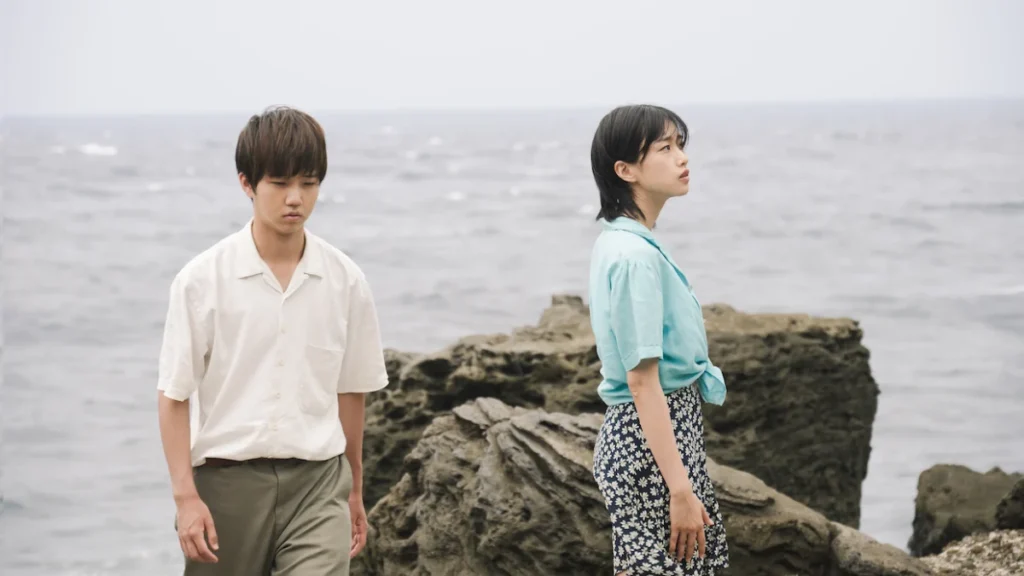
Adrian Chiarella’s debut feature, Leviticus (2026), plunges audiences into a chilling exploration of queer identity, trauma, and the insidious nature of homophobia, masterfully disguised within the visceral framework of a horror film. The narrative commences with a scene designed to unsettle: a "little death" that swiftly escalates into a brutal murder. A lesbian lifeguard, lured by the seductive whispers of an unseen lover in a poolside shower, finds her moment of illicit pleasure twisted into a fatal encounter. This sinister entity, which manifests as the deepest desire of its victims, is revealed to be the byproduct of a malevolent hex. This curse, cast upon gay teenagers by a local church as a perverse form of conversion therapy, weaponizes the pious dictum frequently wielded against queer youth: "your desires will kill you." This conceptual foundation is not merely a clever inversion of horror’s classic tropes of teenage sexuality and death; it serves as a profound metaphor for the pervasive, inescapable nature of homophobia, transforming private longing into public terror and fear.
The Genesis of a Modern Biblical Parable
Chiarella’s creative impetus for Leviticus stemmed from a deeply personal response to a palpable rise in bigotry and a perceived regression in the hard-won progress towards queer security and safety in recent decades. He articulated his desire to craft a narrative that resonated personally, reflecting on his own experiences. "I started thinking about what would be personal for me," Chiarella explains, highlighting a connection many within the LGBTQ+ community share. "Horror movies were something that I turned to as a young queer teenager. I don’t think I was alone in that. The genre has been important to the community for a very, very long time." This sentiment underscores the historical role of horror as a cathartic and reflective space for marginalized communities, offering narratives that often mirror their anxieties, fears, and struggles for survival in a hostile world.
Chiarella waxes nostalgic about iconic horror series that shaped his understanding of the genre’s subversive potential. He cites the Nightmare on Elm Street series, particularly its second installment, Freddy’s Revenge (1985), widely interpreted as a potent allegory for life in the closet, grappling with repressed desires and inner demons. The film’s protagonist, Jesse Walsh, battles an invading supernatural force that embodies his hidden desires, a struggle that resonated deeply with queer audiences who saw their own experiences of societal condemnation and self-acceptance reflected on screen. Similarly, John Carpenter’s The Thing (1982) offered Chiarella a lens through which to explore "the tension between the self and the other, not really knowing if you can trust the person in front of you." This thematic resonance, where an alien entity can perfectly mimic human form, speaks volumes about the paranoia and distrust often experienced by queer individuals, constantly navigating who can be trusted and who might betray them. The allure of these forbidden films, often deemed inappropriate for a young audience, only intensified their appeal for Chiarella, further cementing their formative influence on his artistic vision.
A Narrative Rooted in Specificity and Trauma
While drawing inspiration from these horror lodestars, Leviticus grounds its narrative in a compelling specificity, both spiritually and spatially. The film is set in an industrial town nestled within the Australian boondocks, dominated by a cult-like religious community that exerts a constricting influence over its inhabitants. This isolated, almost forgotten setting amplifies the sense of entrapment and the oppressive weight of societal expectations. Here, audiences follow Naim (Joe Bird), a shy newcomer, as he navigates his burgeoning feelings for Ryan (Stacey Clausen), a brashly charismatic classmate. Their initial encounter, a seemingly macho skirmish in an abandoned building, culminates in a defiant kiss. "Is there anything you’re not afraid of?" Ryan taunts, pinning Naim to the floor. Yet, it is in the shared vulnerability of that kiss, as Naim catches his own reflection, that he balks, a powerful visual manifestation of the self-fear that grips many of the film’s queer characters. This moment encapsulates the internalised homophobia and societal pressure that force individuals to recoil from their own desires.
The plot thickens with the introduction of Hunter (Jeremy Blewitt), the closeted son of the local preacher, who violently intrudes upon Naim and Ryan’s nascent romance. Driven by a destructive jealousy, Naim makes a fateful decision: he tattles, hoping for a lesser punishment than a full-blown exorcism. This act of betrayal sets in motion a cascade of devastating consequences, defining Naim’s subsequent journey as one of atonement. Chiarella articulates this fundamental horror convention: "Horror movies are always about someone committing a transgression, and whatever horrible thing that comes after is because of this." In Leviticus, Naim’s transgression, born of fear and jealousy, exacerbates the very isolation the hex thrives upon, highlighting the desperate, life-or-death need for queer camaraderie in the face of an existential threat.
The nature of the monster further intensifies the boys’ plight: it only preys on those who are alone, yet it possesses the horrifying ability to replace a loved one when one’s back is turned. This insidious mechanic forces Ryan and Naim to make the agonizing decision to separate, fearing that any encounter could turn deadly. Their quest for understanding leads them to the partner of the woman murdered in the opening scene, now a reclusive figure haunting a local hospital. In a brutal subversion of the "crazed recluse" trope, this woman’s survival depends on being surrounded by people, yet she finds herself more utterly alone than ever, a tragic reflection of the boys’ own predicament. They are trapped in a world riddled with false allyship and predatory affection. Hunter’s sister extends an olive branch, only for a swift bait-and-switch to reveal her true, sinister intentions. Even Naim’s mother (Mia Wasikowska) offers a brief, devastating gesture of care, immediately following a moment of profound betrayal. "We need fear," she later tells her terrified son, deliberately blurring the lines between genuine protection and insidious oppression, leaving Naim questioning the motives of those closest to him. Chiarella emphasizes this pervasive distrust: "I wanted to create a world where you weren’t sure you could trust even the real people around you anymore."
Visual Storytelling and Thematic Depth
The film’s visual language meticulously complements its thematic richness. The isolated boys drift through barren landscapes and weathered architecture, a production design that drips with dreary, vacant hostility. These anonymous, almost archetypal settings are deliberate, reflecting Chiarella’s ambition to craft a "modern biblical parable" in a location where industrial grit clashes with pastoral desolation. "We wanted to play with this theme of what’s man-made and what comes from the universe," he elaborates, drawing a stark contrast between human constructs and natural forces, specifically "the rules and the edicts we live by." This visual dichotomy underscores the central conflict between imposed religious dogma and inherent human nature, particularly queer desire.
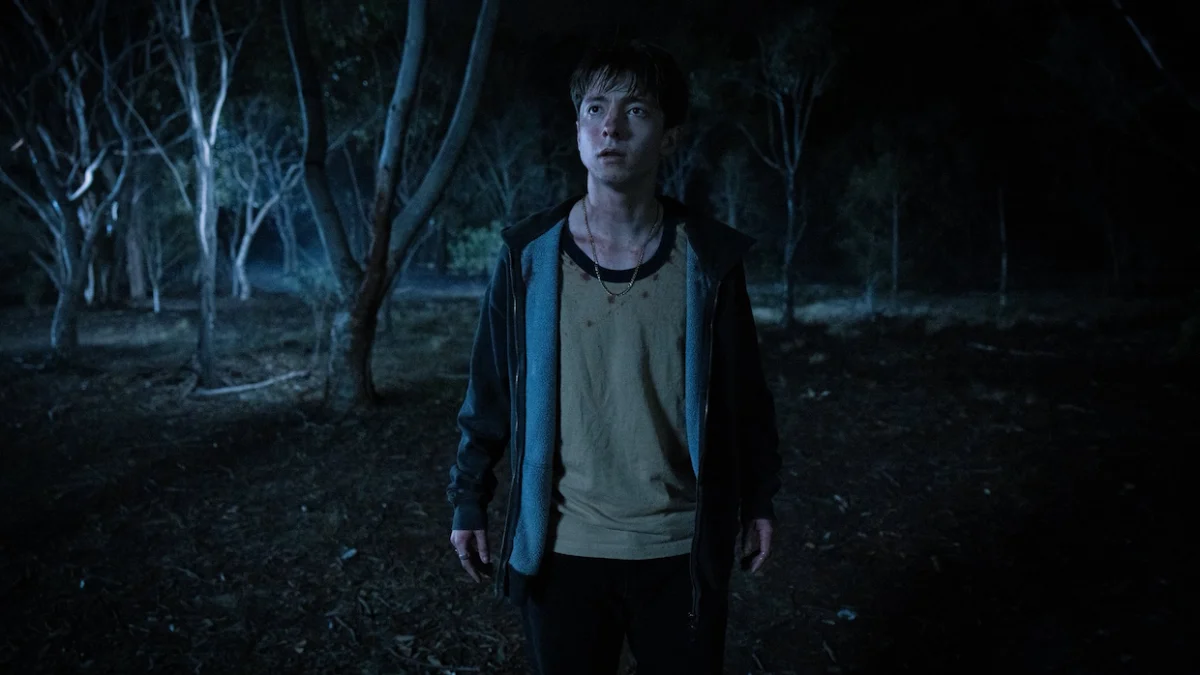
On a visual level, Leviticus is not only metaphorically dense but also vividly cinematic. Much of the action is glimpsed furtively—through windows, mirrors, and security cameras—or impassively observed by uncaring bystanders. This pervasive motif of what characters can and cannot see is central to the film’s horror. Those unburdened by the curse are unable to perceive it, a chilling blindness that mirrors the willful ignorance and denial often experienced by queer teenagers from those who dismiss their sexuality as "just something they’re putting on, or that other people have convinced them to do," as Chiarella poignantly observes. Even Naim’s own eyes prove unreliable, constantly, and against all reason, mistaking Ryan’s demonic double for the real person. In Leviticus, seeing is not just believing; it is an act of validation, an acknowledgment of a truth that many would rather deny.
The Broader Context: Queer Horror, Conversion Therapy, and Societal Bigotry
Leviticus arrives at a crucial juncture in both cinematic and societal discourse. While queer media has increasingly moved towards stories of joy, affirmation, and diverse representation, Leviticus boldly confronts the persistent adversity and disquietude that many too readily believe to be relics of the past. The film’s existence is a stark reminder that the fight for queer safety and acceptance is far from over, especially in the face of rising global anti-LGBTQ+ sentiment.
The film’s core premise, a hex stemming from conversion therapy, grounds its horror in a very real and widely condemned practice. Conversion therapy, often perpetrated by religious institutions, attempts to change an individual’s sexual orientation or gender identity. Major medical, psychological, and psychiatric organizations worldwide, including the American Medical Association, the American Psychological Association, and the World Health Organization, have denounced conversion therapy as harmful, ineffective, and unethical, leading to severe psychological distress, depression, anxiety, and increased suicide risk among survivors. While some Australian states have implemented bans on conversion practices, the fight for comprehensive nationwide protection continues, with many harmful practices persisting informally or under different guises, particularly in rural or religiously conservative communities. Globally, estimates suggest hundreds of thousands have been subjected to these practices, making the film’s monster a chillingly accurate metaphor for the psychological and emotional violence inflicted.
The horror genre has a rich, albeit often subtextual, history of engaging with queer themes. From the coded queerness of characters in early Universal monster films like Bride of Frankenstein (1935) to the overt allegories of New Queer Cinema horror in the late 20th century, the genre has provided a safe space to explore societal anxieties surrounding sexuality and identity. Leviticus consciously builds on this legacy, using its supernatural threat to externalize the internal battles faced by queer youth. This includes the fear of exposure, the pressure to conform, and the insidious belief, often instilled by religious dogma, that one’s true self is inherently sinful or dangerous.
Chiarella’s film reflects a broader trend of increased anti-LGBTQ+ rhetoric and legislation in various parts of the world, including Australia. While Australia has made significant strides in LGBTQ+ rights, including marriage equality in 2017, pockets of deeply ingrained prejudice persist, particularly in regional areas where religious conservatism can hold sway. The film’s setting in the "boondocks" of Australia is therefore not merely atmospheric; it is a deliberate choice to highlight the heightened vulnerability of queer individuals in environments lacking the support systems often found in urban centers. This isolation, coupled with the relentless pressure of a judgmental community, creates fertile ground for the kind of psychological and physical terror depicted in Leviticus. The film serves as a powerful artistic response to these societal regressions, offering a narrative that validates the experiences of those who feel unseen and unheard.
Implications and Lasting Impact
Leviticus demands attention, not only as a compelling horror narrative but as a significant contribution to contemporary queer cinema. It challenges the complacency that sometimes accompanies progress, reminding audiences that the "adversity and disquietude" faced by queer individuals are far from eradicated. The film’s nuanced approach to its ending further exemplifies its modernity, consciously eschewing the oppressive doom that often characterized queer narratives of yesteryear. Instead, it offers something more complex, more resonant with the lived experience of trauma.
Chiarella reflects on this choice: "We took that idea of how, in the final frame of a lot of horror movies, the monster comes crawling back, and you realize it may not actually be dead." He applies this convention to the film’s core theme, articulating, "I thought about what that would mean in this film—that whatever trauma these boys have been through may not go away for a very long time. It may never go away." This powerful statement acknowledges the enduring nature of psychological wounds inflicted by homophobia and discrimination, even after the immediate threat has subsided. It suggests that while battles can be won, the scars of prejudice can linger, requiring ongoing resilience and healing.
The film’s savvy enactment of horror conventions, from jump scares to psychological dread, fuses seamlessly with its profound figurative design. By leveraging the genre’s visceral tremors, Leviticus unearths something truly terrible, intimately personal, and profoundly true about the queer experience. It positions itself as a critical voice in the evolving dialogue around LGBTQ+ representation, pushing boundaries not just in terms of subject matter, but also in its sophisticated use of genre to deliver a message of enduring relevance. As Chiarella’s debut, Leviticus is poised to garner significant critical acclaim and spark important conversations, cementing its place as a poignant and powerful cinematic statement on identity, fear, and the enduring fight for self-acceptance in a world that often seeks to deny it. It underscores the continued necessity of art that dares to confront uncomfortable truths, even when they manifest as terrifying monsters born of bigotry and religious zealotry.