The Microsoft-owned gaming giant Xbox has initiated what leadership describes as the most significant organizational overhaul in the brand’s history, signaling a retreat from a decade-long strategy of aggressive acquisition and expansion. Asha Sharma, the recently appointed CEO of Xbox, confirmed on Monday that the company will eliminate 3,200 positions—representing a substantial portion of its workforce—with 1,600 of those cuts effective immediately. The restructuring includes the shuttering of four prominent development studios: Compulsion Games, Double Fine Productions, Ninja Theory, and Undead Labs. This move marks a drastic pivot for a division that once prioritized market share and library depth above immediate fiscal efficiency.
Structural Overhaul and Immediate Personnel Reductions
The scale of the layoffs reflects a broader industry-wide contraction, but for Xbox, the cuts are deeply surgical. By closing Compulsion Games (the studio behind We Happy Few and the upcoming South of Midnight), Double Fine Productions (Psychonauts), Ninja Theory (Hellblade: Senua’s Sacrifice), and Undead Labs (State of Decay), Microsoft is effectively ending its relationship with several "prestige" independent studios it acquired to bolster the value of its Game Pass subscription service.
In an internal memorandum obtained by industry analysts, Sharma characterized the current state of the Xbox business as "unhealthy," citing profit margins that currently lag three to ten times behind those of direct competitors like Sony’s PlayStation and Nintendo. The CEO emphasized that the "grow-at-all-costs" mentality, which defined the previous decade of the Xbox brand, has led to a bloated infrastructure that the company can no longer sustain. The immediate goal of the "reset" is to return the division to a state of financial viability before the inefficiencies jeopardize the entire Microsoft gaming ecosystem.
A Chronology of Rapid Expansion and Diminishing Returns
To understand the severity of the current restructuring, one must look at the trajectory of Xbox over the last 13 years. Since the transition from the highly successful Xbox 360 era to the more turbulent Xbox One cycle, Microsoft has engaged in a relentless pursuit of content.
- 2011–2018: Xbox began a series of smaller-scale acquisitions to shore up its first-party portfolio, which had fallen behind Sony’s exclusive-heavy lineup.
- 2018–2020: The pace accelerated with the purchase of "mid-sized" powerhouse studios, including Double Fine and Ninja Theory, aimed at providing a steady stream of content for the then-nascent Game Pass service.
- 2021: Microsoft completed the $7.5 billion acquisition of ZeniMax Media, the parent company of Bethesda Softworks, bringing franchises like The Elder Scrolls and Fallout under the Xbox umbrella.
- 2023: The expansion culminated in the $69 billion acquisition of Activision Blizzard, the largest deal in the history of the video game industry. While the deal secured the Call of Duty and World of Warcraft franchises, it also added thousands of employees and massive overhead to the balance sheet.
Professor Joost van Dreunen of the NYU Stern School of Business noted that Microsoft has completed 15 major acquisitions in 13 years. This rapid "empire building," according to van Dreunen, resulted in a loss of oversight. The sheer number of "provinces" within the Xbox empire made it difficult to maintain quality control and innovation, leading to a scenario where the sum of the parts was less efficient than the individual studios had been when they were independent.
The Financial Reality: 64 Cents on the Dollar
The most jarring revelation in Sharma’s memo was the admission of massive capital inefficiency. According to the CEO, Xbox has reached a point where it was losing 64 cents for every dollar invested in certain studio types. This deficit was largely attributed to the "streaming era" strategy, where the focus was on stocking the Game Pass library with a high volume of small and mid-sized titles to drive subscriptions, often at the expense of traditional sales revenue and high-margin blockbusters.
The strategy mirrored the "burn-rate" model seen in the film and television industry during the height of the streaming wars. Just as Netflix and Disney+ eventually had to pivot toward profitability over subscriber growth, Xbox is now facing the reality that a subscription-only focus cannot sustain the high costs of modern game development. Sharma noted that while it was once thought desirable to own every great independent studio, Microsoft has learned it is "not the best home" for every type of creative endeavor.
Administrative Streamlining and Bureaucratic Reduction
Beyond the studio closures, the restructuring targets the internal management structure at Microsoft’s Redmond headquarters. Sharma’s memo highlighted an astonishing level of bureaucracy that had developed within the division. In some segments of the company, work was required to pass through as many as 14 layers of management before reaching a final decision.

The "reset" aims to slash these layers to no more than five, and in some cases, as few as three. This reduction is intended to accelerate development cycles and empower creative leads, who have reportedly felt stifled by the "bureaucratic mess" that defined the post-Activision merger environment. By thinning the middle management ranks, Xbox hopes to regain the agility that allowed it to dominate the market during the early 2000s.
Historical Parallels: The Atari Precedent
The current crisis at Xbox draws inevitable comparisons to the most famous collapse in gaming history: the 1983 video game crash. During the early 1980s, Atari held a near-monopoly on the home console market but fell victim to corporate hubris and a lack of quality control.
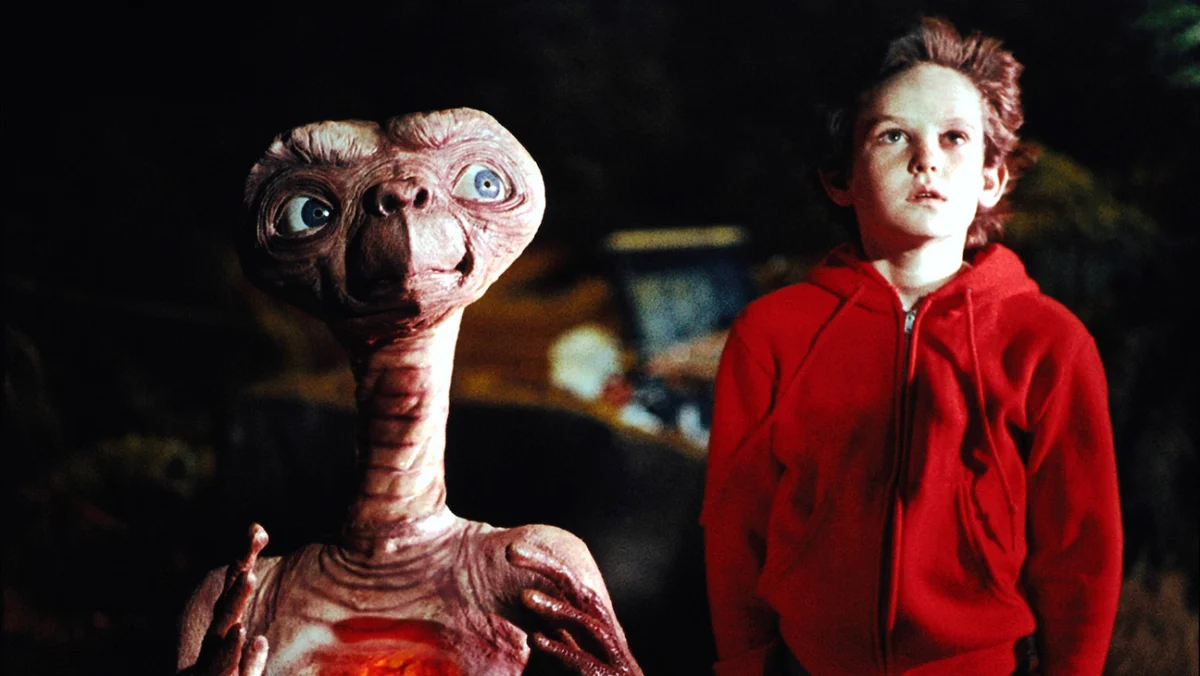
The most cited example is the 1982 E.T. the Extra-Terrestrial game. In a rush to capitalize on the film’s success, Atari gave developers only five weeks to build the game and ordered 12 million cartridges for a market that only had 10 million consoles in homes. The resulting failure—which saw hundreds of thousands of unsold cartridges buried in a New Mexico landfill—nearly destroyed the industry.
Industry analysts suggest that Xbox’s recent strategy of over-producing "filler" content for Game Pass shares DNA with the Atari era’s focus on quantity over quality. The "most significant restructure in Xbox history" is an attempt to avoid a modern-day equivalent of the New Mexico landfill, where digital libraries are filled with "value-less" content that fails to generate a return on investment.
Macroeconomic Pressures and External Factors
The restructuring is not occurring in a vacuum. Like its competitors Sony and Nintendo, Xbox has been buffeted by a "cyclone" of macroeconomic challenges. The boom in data centers, driven by the rapid advancement of Artificial Intelligence (AI), has created a global shortage of high-end hardware components. This has kept manufacturing costs for the Xbox Series X and Series S consoles high, even as the hardware ages.
Furthermore, international trade factors, including tariffs and fluctuating currency exchange rates—specifically the volatility of the Japanese Yen—have tightened margins for global hardware manufacturers. These pressures forced Xbox to raise hardware prices multiple times in various regions, a move that alienated a consumer base already dealing with inflation. While Sharma recently rolled back some Game Pass subscription rates to retain users, the underlying cost of maintaining the infrastructure remains a significant burden.
Implications for the Future of Microsoft Gaming
The long-term implications of this restructuring are profound. Some analysts, including van Dreunen, suggest that these "partial divestments" could be the first steps toward Xbox being divested entirely from Microsoft. While Microsoft has the capital to sustain losses, the pressure from shareholders to maintain high margins across all divisions may eventually lead to a spin-off of the gaming brand.
For the immediate future, Xbox is expected to lean more heavily on its "sure things." This includes established mega-franchises like Minecraft, which continues to be a massive revenue generator across all platforms. The success of the Minecraft theatrical film last year demonstrated the franchise’s ability to transcend the gaming medium, providing a blueprint for the "fewer, bigger, better" strategy Sharma appears to be adopting.
The CEO’s closing remarks in her memo to staff served as both a warning and a promise: "History is full of companies that mistake longevity for inevitability. We will not be one of them." Whether this radical reset can save the brand or if it simply manages the decline remains to be seen. For now, the industry is watching closely as one of its biggest players attempts to navigate a path back to profitability in an increasingly unforgiving marketplace.